Donaldson James, Haddad Behrooz, Khan Wasim S
Holland Orthopaedic and Arthritic Centre, Toronto, Canada.
UCL Institute of Orthopaedics and Musculoskeletal Sciences, Royal National Orthopaedic Hospital, Stanmore, UK.
Open Orthop J. 2014 Jun 27;8:185-93. doi: 10.2174/1874325001408010185. eCollection 2014.
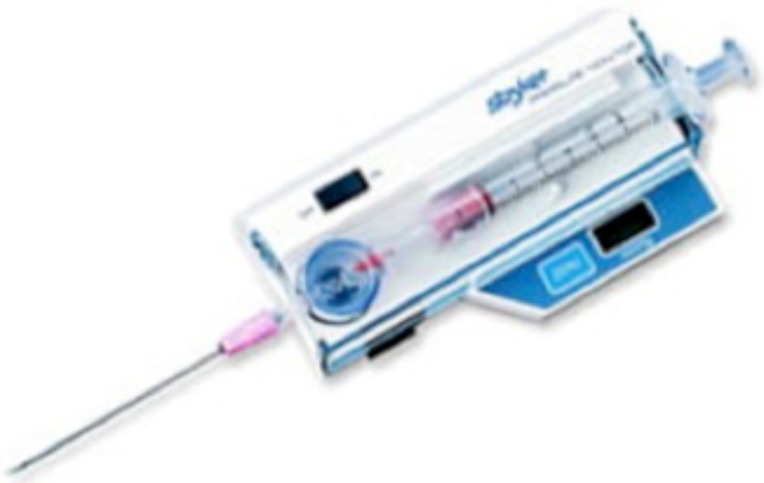
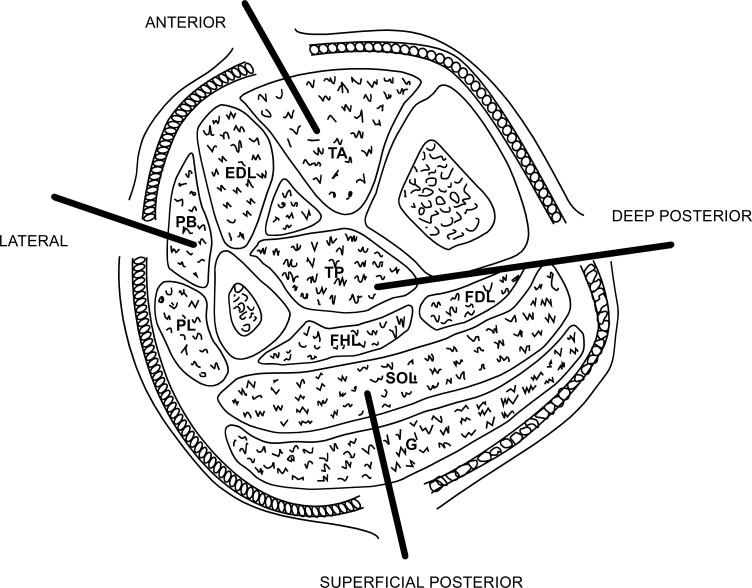
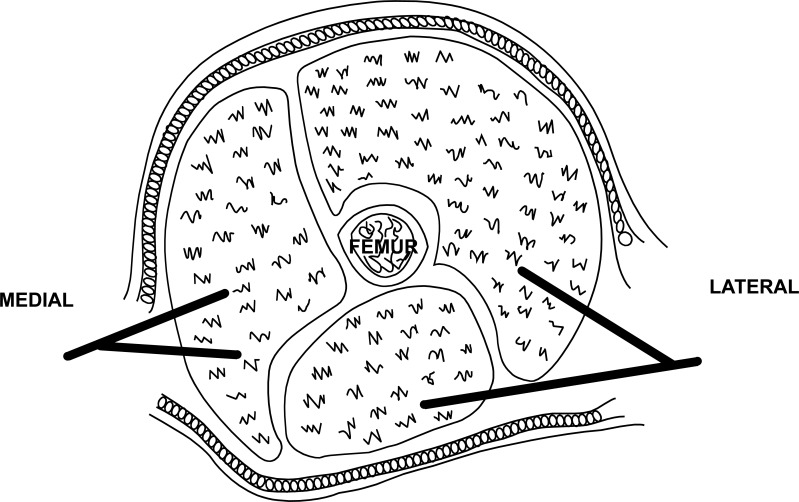
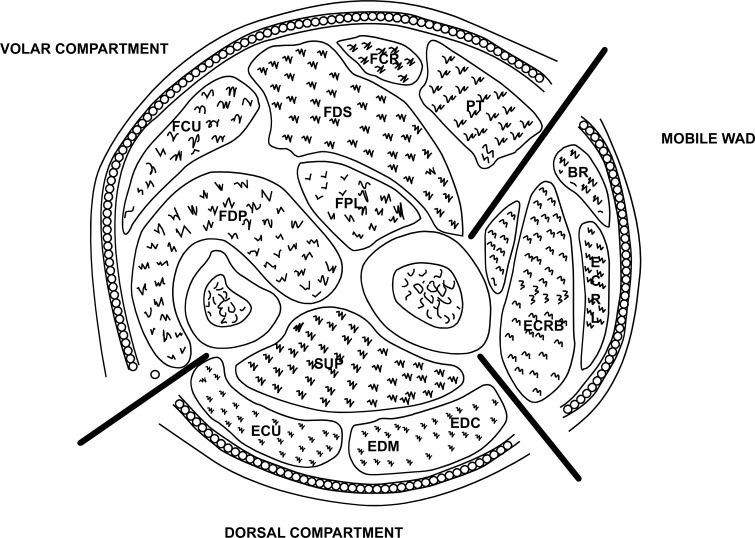
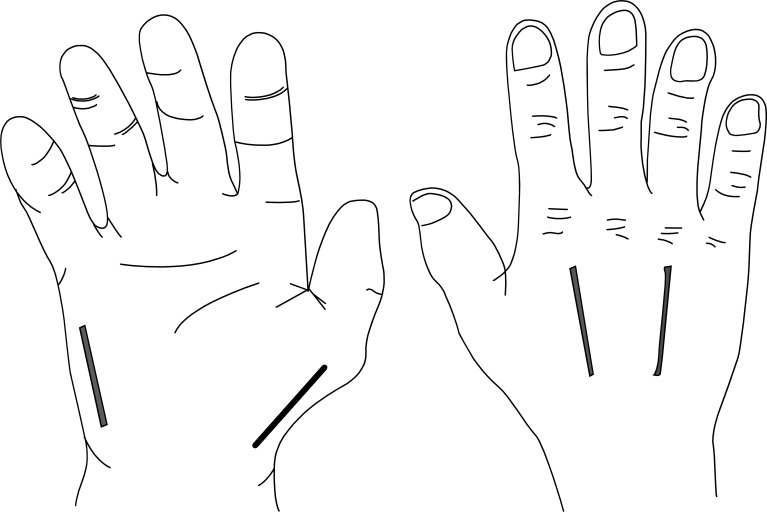
Acute compartment syndrome (ACS) is a surgical emergency warranting prompt evaluation and treatment. It can occur with any elevation in interstitial pressure in a closed osseo-fascial compartment. Resultant ischaemic damage may be irreversible within six hours and can result in long-term morbidity and even death. The diagnosis is largely clinical with the classical description of 'pain out of proportion to the injury'. Compartment pressure monitors can be a helpful adjunct where the diagnosis is in doubt. Initial treatment is with the removal of any constricting dressings or casts, avoiding hypotension and optimizing tissue perfusion by keeping the limb at heart level. If symptoms persist, definitive treatment is necessary with timely surgical decompression of all the involved compartments. This article reviews the pathophysiology, diagnosis and current management of ACS.
急性骨筋膜室综合征(ACS)是一种需要迅速评估和治疗的外科急症。它可发生于任何封闭的骨筋膜室内的间质压力升高时。由此导致的缺血性损伤在6小时内可能是不可逆的,并可导致长期的功能障碍甚至死亡。诊断主要依靠临床,典型表现为“疼痛与损伤程度不符”。当诊断存疑时,骨筋膜室压力监测仪可作为一种有用的辅助手段。初始治疗是去除任何紧身敷料或石膏,避免低血压,并通过将肢体保持在心脏水平来优化组织灌注。如果症状持续存在,则需要进行确定性治疗,即及时对所有受累骨筋膜室进行手术减压。本文综述了急性骨筋膜室综合征的病理生理学、诊断和当前的治疗方法。