Swaminathan Aparna, Vemulapalli Sreekanth, Patel Manesh R, Jones W Schuyler
Department of Medicine, Duke University Medical Center, Durham, NC, USA.
Department of Medicine, Duke University Medical Center, Durham, NC, USA ; Duke Clinical Research Institute, Duke University Medical Center, Durham, NC, USA.
Vasc Health Risk Manag. 2014 Jul 16;10:417-24. doi: 10.2147/VHRM.S50588. eCollection 2014.
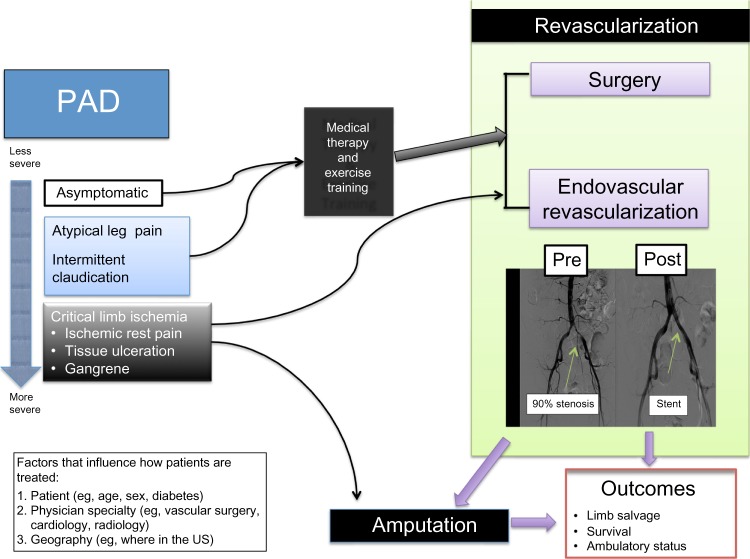
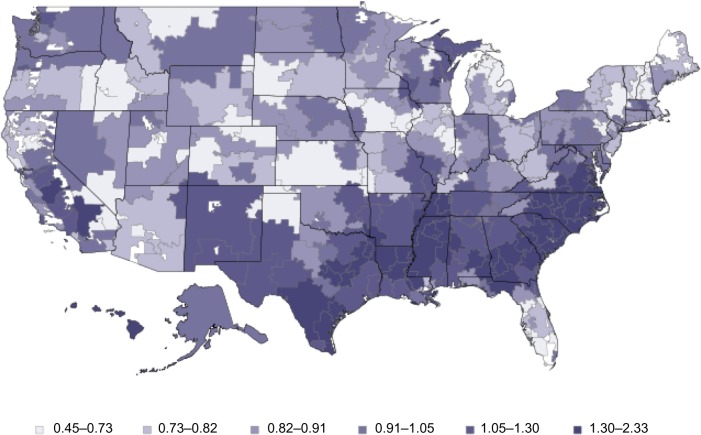
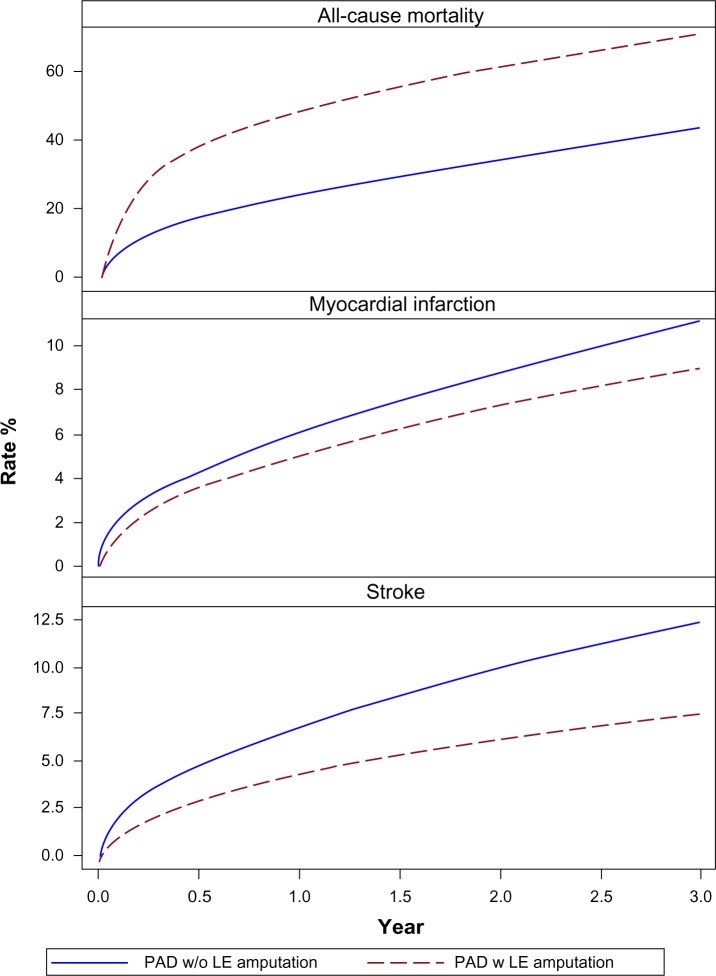
Peripheral artery disease affects over eight million Americans and is associated with an increased risk of mortality, cardiovascular disease, functional limitation, and limb loss. In its most severe form, critical limb ischemia, patients are often treated with lower extremity (LE) amputation (LEA), although the overall incidence of LEA is declining. In the US, there is significant geographic variation in the performing of major LEA. The rate of death after major LEA in the US is approximately 48% at 1 year and 71% at 3 years. Despite this significant morbidity and mortality, the use of diagnostic testing (both noninvasive and invasive testing) in the year prior to LEA is low and varies based on patient, provider, and regional factors. In this review we discuss the significance of LEA and methods to reduce its occurrence. These methods include improved recognition of the risk factors for LEA by clinicians and patients, strong advocacy for noninvasive and/or invasive imaging prior to LEA, improved endovascular revascularization techniques, and novel therapies.
外周动脉疾病影响着超过800万美国人,与死亡率增加、心血管疾病、功能受限和肢体丧失风险相关。在其最严重的形式,即严重肢体缺血中,患者常接受下肢截肢术(LEA)治疗,尽管LEA的总体发生率正在下降。在美国,主要LEA手术的实施存在显著的地理差异。美国主要LEA术后1年的死亡率约为48%,3年时为71%。尽管存在如此高的发病率和死亡率,但在LEA前一年使用诊断测试(包括非侵入性和侵入性测试)的比例较低,且因患者、医疗服务提供者和地区因素而异。在本综述中,我们讨论了LEA的重要性以及降低其发生率的方法。这些方法包括临床医生和患者更好地识别LEA的风险因素、大力倡导在LEA前进行非侵入性和/或侵入性成像、改进血管内血运重建技术以及新型疗法。