Slupsky Joseph R
Department of Molecular and Clinical Cancer Medicine, University of Liverpool, 6th Floor, Duncan Building, Daulby Street, Liverpool L69 3GA, UK.
Scientifica (Cairo). 2014;2014:208928. doi: 10.1155/2014/208928. Epub 2014 Jul 2.
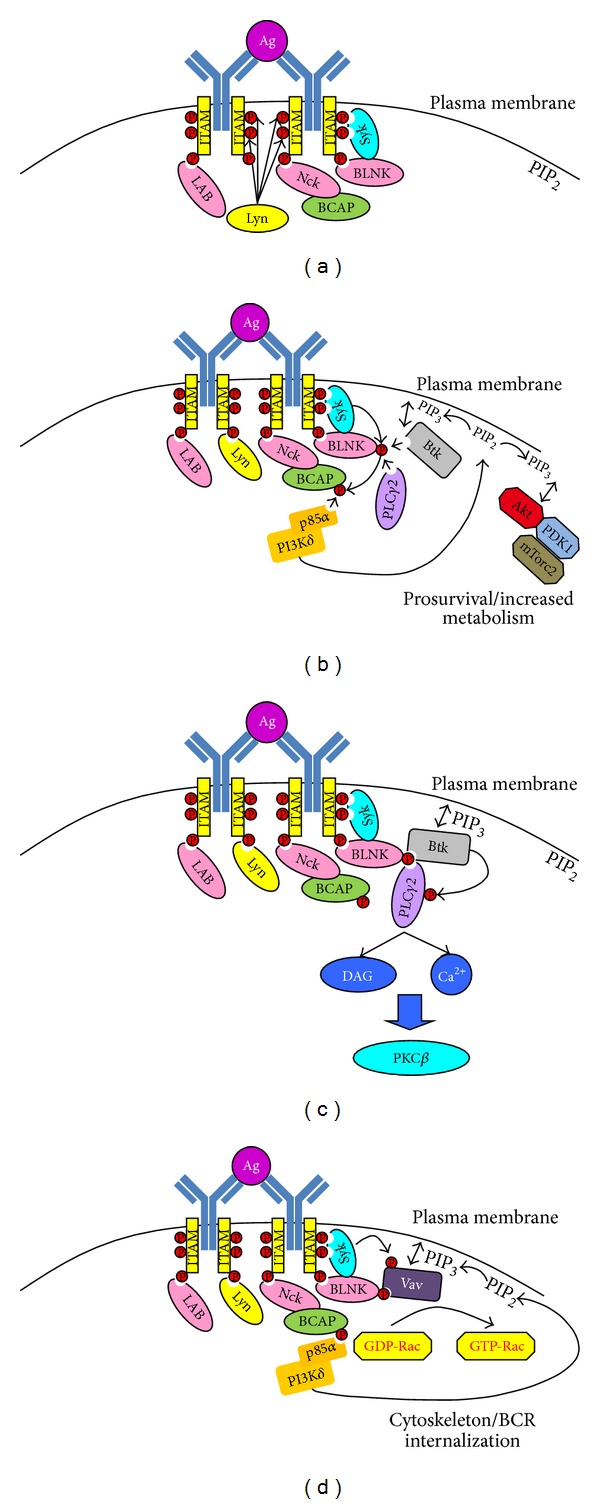
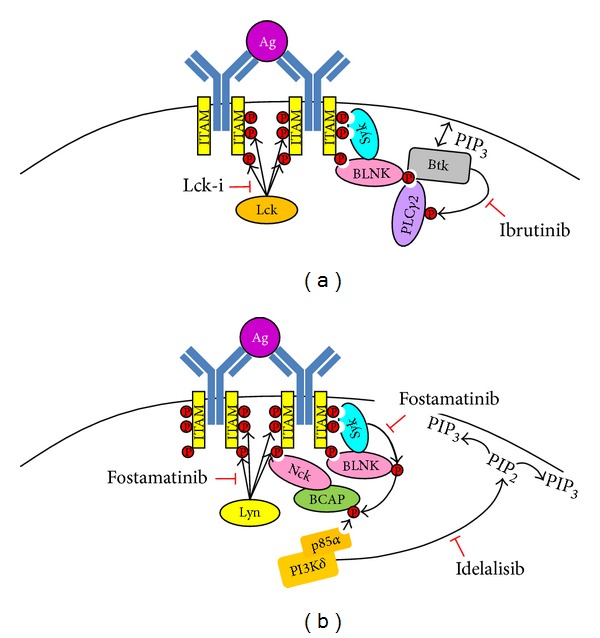
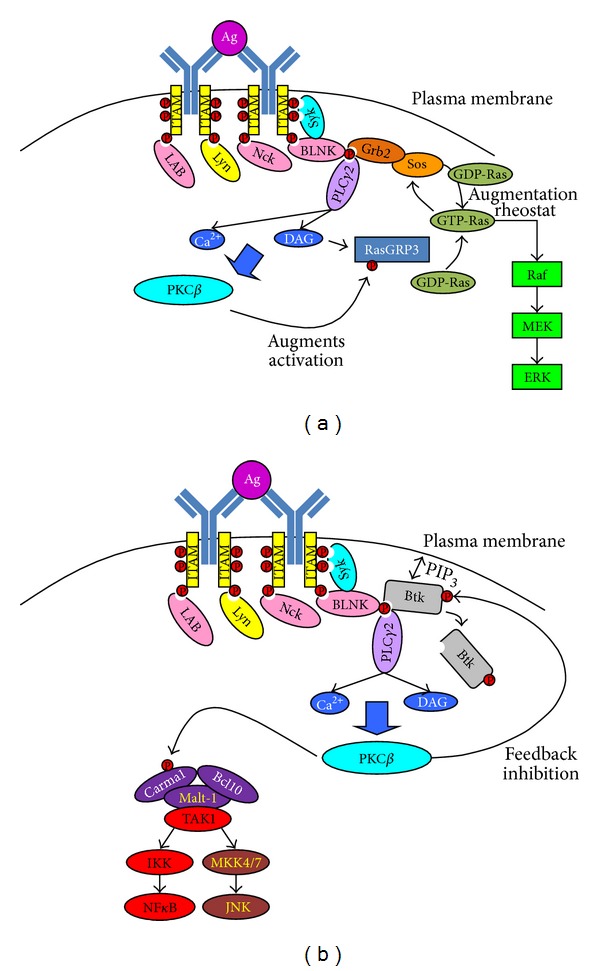
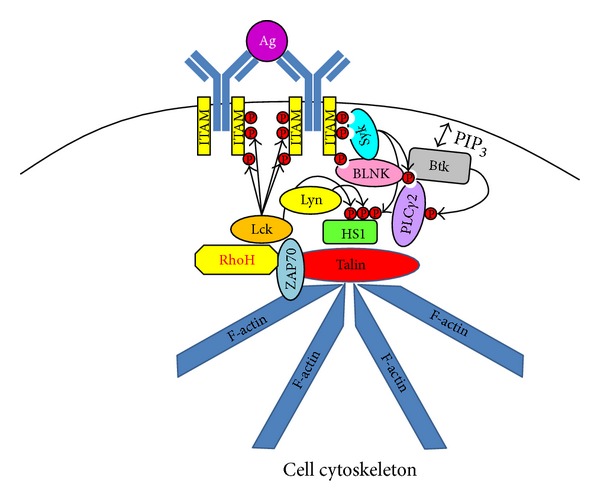
Chronic lymphocytic leukaemia (CLL) is an incurable malignancy of mature B cells. CLL is important clinically in Western countries because of its commonality and because of the significant morbidity and mortality associated with the progressive form of this incurable disease. The B cell receptor (BCR) expressed on the malignant cells in CLL contributes to disease pathogenesis by providing signals for survival and proliferation, and the signal transduction pathway initiated by engagement of this receptor is now the target of several therapeutic strategies. The purpose of this review is to outline current understanding of the BCR signal cascade in normal B cells and then question whether this understanding applies to CLL cells. In particular, this review studies the phenomenon of anergy in CLL cells, and whether certain adaptations allow the cells to overcome anergy and allow full BCR signaling to take place. Finally, this review analyzes how BCR signals can be therapeutically targeted for the treatment of CLL.
慢性淋巴细胞白血病(CLL)是一种成熟B细胞的不可治愈的恶性肿瘤。在西方国家,CLL在临床上很重要,这是因为其普遍性以及与这种不可治愈疾病的进展形式相关的显著发病率和死亡率。CLL中恶性细胞上表达的B细胞受体(BCR)通过提供存活和增殖信号促进疾病发病机制,并且由该受体的结合引发的信号转导途径现在是几种治疗策略的靶点。本综述的目的是概述目前对正常B细胞中BCR信号级联的理解,然后质疑这种理解是否适用于CLL细胞。特别是,本综述研究了CLL细胞中的无反应性现象,以及某些适应性是否允许细胞克服无反应性并允许完整的BCR信号传导发生。最后,本综述分析了如何将BCR信号作为治疗靶点用于CLL的治疗。