Hay Jodie, Tarafdar Anuradha, Holroyd Ailsa K, Moka Hothri A, Dunn Karen M, Alshayeb Alzahra, Lloyd Bryony H, Cassels Jennifer, Malik Natasha, Khan Ashfia F, Sou IengFong, Lees Jamie, Almuhanna Hassan N B, Kalakonda Nagesh, Slupsky Joseph R, Michie Alison M
School of Cancer Sciences, College of Medicine, Veterinary and Life Sciences, University of Glasgow, Glasgow G12 8QQ, UK.
Paul O'Gorman Leukaemia Research Centre, Gartnavel General Hospital, 21 Shelley Road, Glasgow G12 0ZD, UK.
Cancers (Basel). 2022 Dec 6;14(23):6006. doi: 10.3390/cancers14236006.
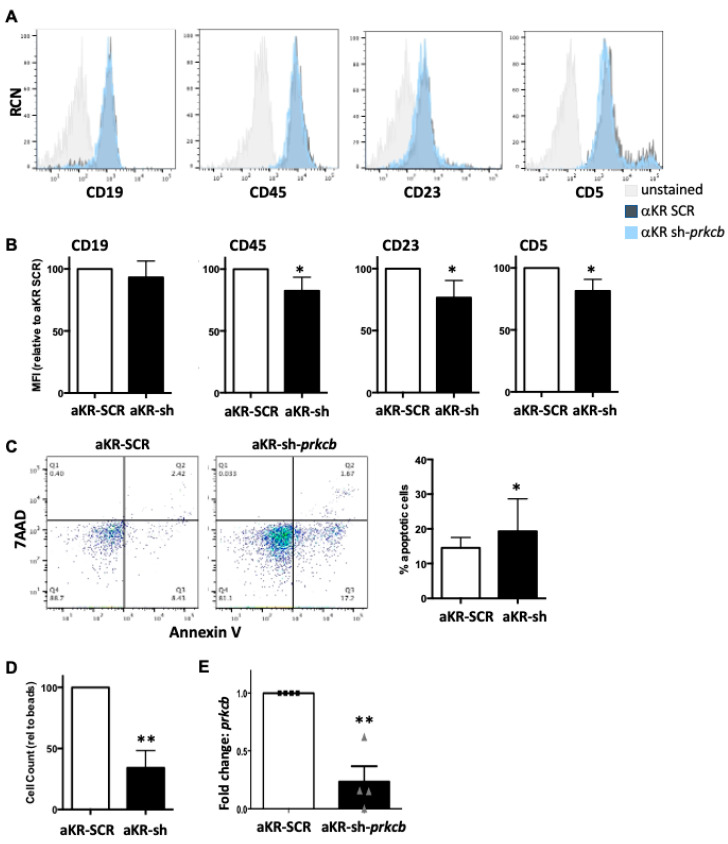
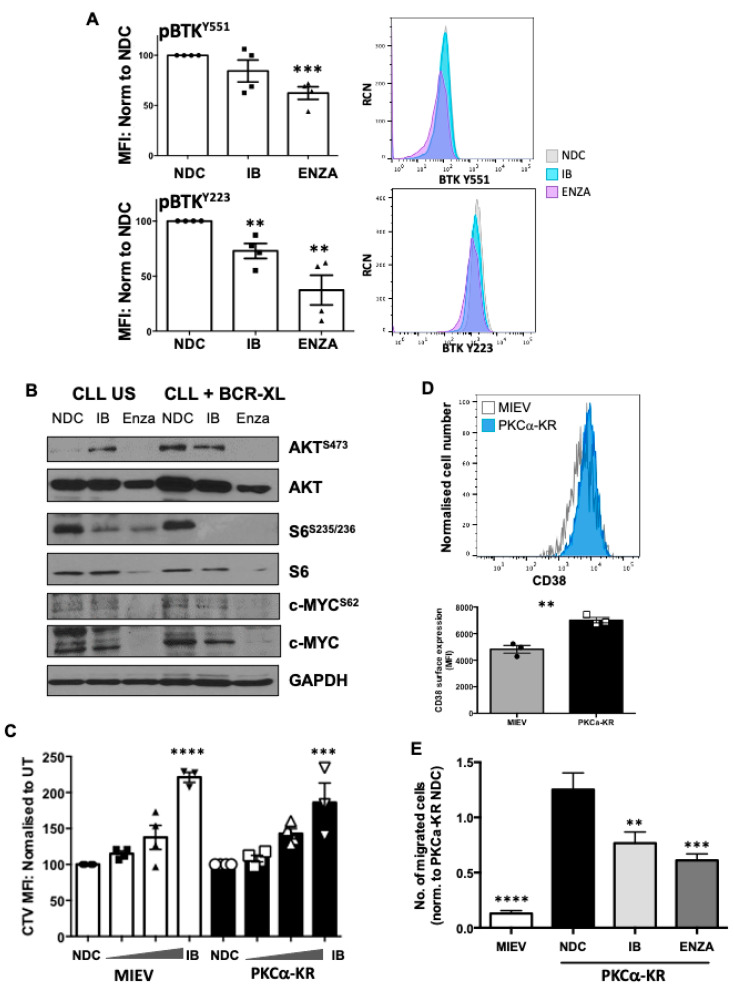
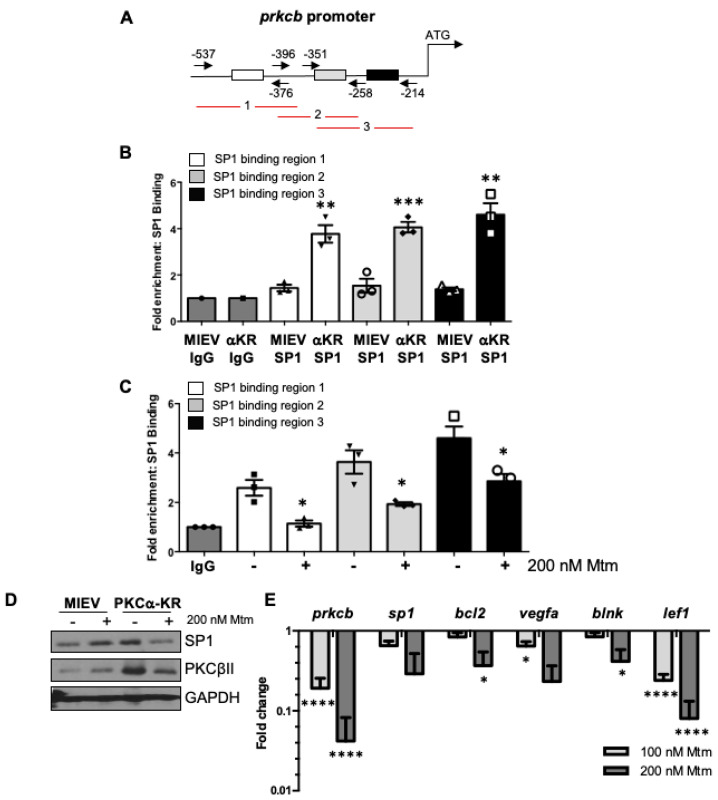
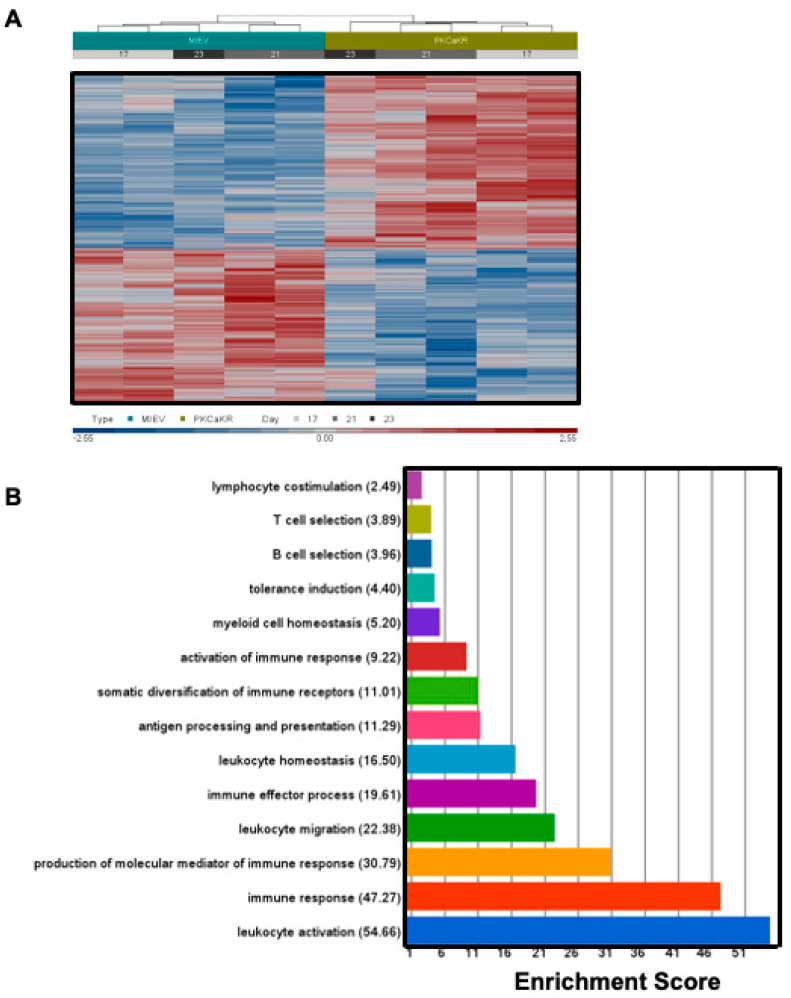
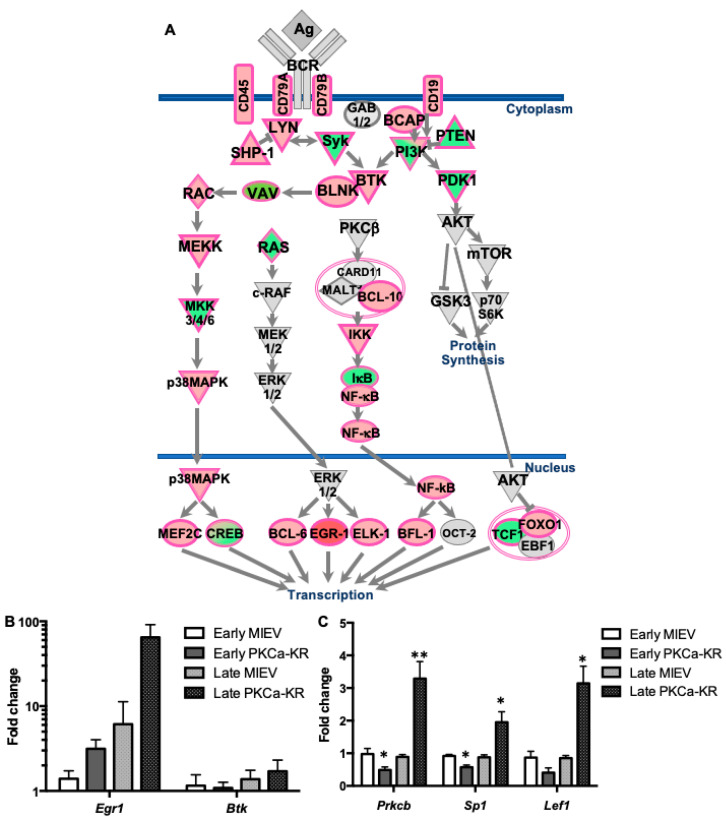
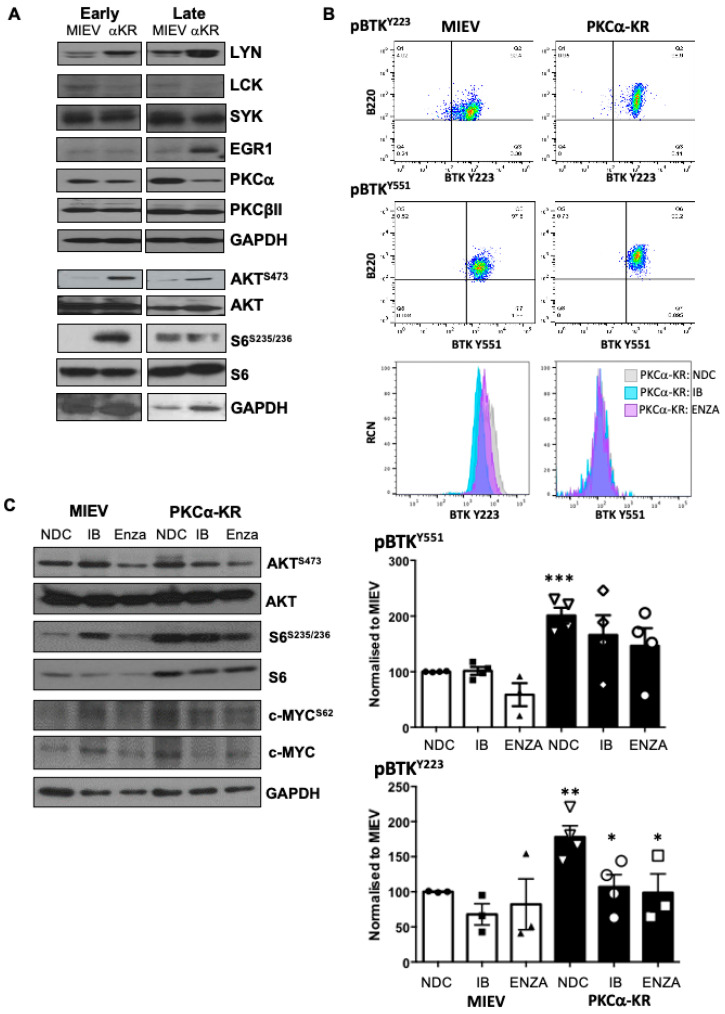
B cell antigen receptor (BCR) signalling competence is critical for the pathogenesis of chronic lymphocytic leukaemia (CLL). Defining key proteins that facilitate these networks aid in the identification of targets for therapeutic exploitation. We previously demonstrated that reduced PKCα function in mouse hematopoietic stem/progenitor cells (HPSCs) resulted in PKCβII upregulation and generation of a poor-prognostic CLL-like disease. Here, knockdown in HSPCs leads to reduced survival of PKCα-KR-expressing CLL-like cells, concurrent with reduced expression of the leukemic markers CD5 and CD23. SP1 promotes elevated expression of in PKCα-KR expressing cells enabling leukemogenesis. Global gene analysis revealed an upregulation of genes associated with B cell activation in PKCα-KR expressing cells, coincident with upregulation of PKCβII: supported by activation of key signalling hubs proximal to the BCR and elevated proliferation. Ibrutinib (BTK inhibitor) or enzastaurin (PKCβII inhibitor) treatment of PKCα-KR expressing cells and primary CLL cells showed similar patterns of Akt/mTOR pathway inhibition, supporting the role for PKCβII in maintaining proliferative signals in our CLL mouse model. Ibrutinib or enzastaurin treatment also reduced PKCα-KR-CLL cell migration towards CXCL12. Overall, we demonstrate that PKCβ expression facilitates leukemogenesis and identify that BCR-mediated signalling is a key driver of CLL development in the PKCα-KR model.
B细胞抗原受体(BCR)信号传导能力对慢性淋巴细胞白血病(CLL)的发病机制至关重要。确定促进这些网络的关键蛋白有助于识别治疗靶点。我们之前证明,小鼠造血干/祖细胞(HPSC)中PKCα功能降低会导致PKCβII上调,并产生预后不良的CLL样疾病。在此,HSPCs中的敲低导致表达PKCα-KR的CLL样细胞存活率降低,同时白血病标志物CD5和CD23的表达也降低。SP1促进表达PKCα-KR的细胞中 的表达升高,从而促成白血病发生。全基因分析显示,表达PKCα-KR的细胞中与B细胞活化相关的基因上调,这与PKCβII的上调一致:这得到了BCR近端关键信号枢纽的激活和增殖增加的支持。用依鲁替尼(BTK抑制剂)或恩扎妥林(PKCβII抑制剂)处理表达PKCα-KR的细胞和原发性CLL细胞,显示出相似的Akt/mTOR通路抑制模式,支持PKCβII在我们的CLL小鼠模型中维持增殖信号的作用。依鲁替尼或恩扎妥林处理也减少了表达PKCα-KR的CLL细胞向CXCL12的迁移。总体而言,我们证明PKCβ表达促进白血病发生,并确定BCR介导的信号传导是PKCα-KR模型中CLL发展的关键驱动因素。