Bassett Andrew R, Akhtar Asifa, Barlow Denise P, Bird Adrian P, Brockdorff Neil, Duboule Denis, Ephrussi Anne, Ferguson-Smith Anne C, Gingeras Thomas R, Haerty Wilfried, Higgs Douglas R, Miska Eric A, Ponting Chris P
Andrew R Bassett is in the MRC Functional Genomics Unit, Department of Physiology, Anatomy and Genetics, University of Oxford, Oxford, United Kingdom.
Asifa Akhtar is in the Department of Chromatin Regulation, Max-Planck-Institut für Immunbiologie und Epigenetik, Freiburg im Breisgau, Germany.
Elife. 2014 Aug 14;3:e03058. doi: 10.7554/eLife.03058.
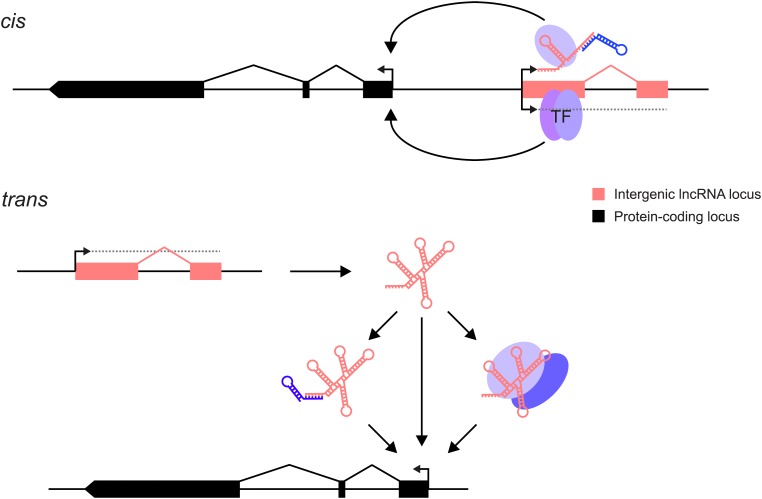
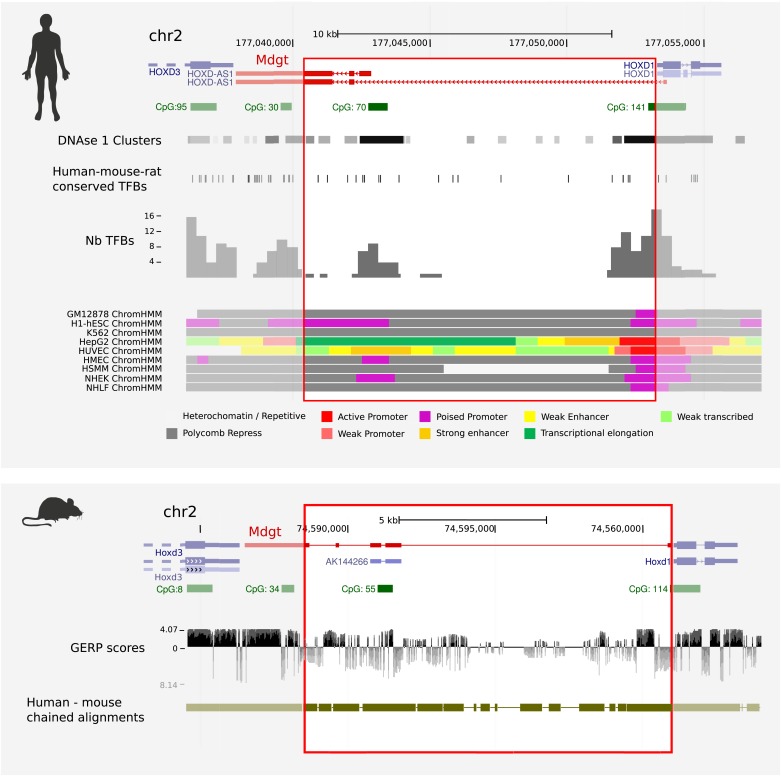
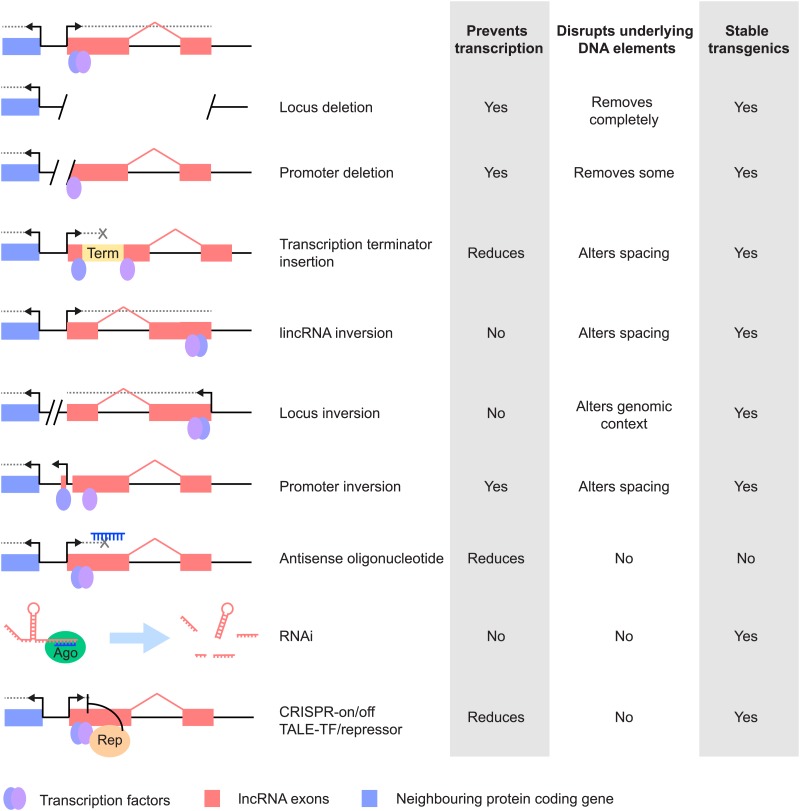
Although a small number of the vast array of animal long non-coding RNAs (lncRNAs) have known effects on cellular processes examined in vitro, the extent of their contributions to normal cell processes throughout development, differentiation and disease for the most part remains less clear. Phenotypes arising from deletion of an entire genomic locus cannot be unequivocally attributed either to the loss of the lncRNA per se or to the associated loss of other overlapping DNA regulatory elements. The distinction between cis- or trans-effects is also often problematic. We discuss the advantages and challenges associated with the current techniques for studying the in vivo function of lncRNAs in the light of different models of lncRNA molecular mechanism, and reflect on the design of experiments to mutate lncRNA loci. These considerations should assist in the further investigation of these transcriptional products of the genome.
尽管在大量的动物长链非编码RNA(lncRNA)中,有少数已被证实对体外检测的细胞过程有影响,但在发育、分化和疾病的整个过程中,它们对正常细胞过程的贡献程度在很大程度上仍不清楚。由于删除整个基因组位点而产生的表型,既不能明确归因于lncRNA本身的缺失,也不能归因于其他重叠DNA调控元件的相关缺失。顺式或反式效应之间的区分也常常存在问题。我们根据lncRNA分子机制的不同模型,讨论了当前研究lncRNA体内功能技术的优点和挑战,并思考了对lncRNA基因座进行突变的实验设计。这些考虑因素应有助于对这些基因组转录产物的进一步研究。