Braidy Nady, Bui Khai, Bajorek Beata
Faculty of Pharmacy, University of Sydney. Sydney , NSW ( Australia ).
Department of Pharmacy, Ryde Hospital, Northern Sydney Central Coast Health Service. Sydney, NSW ( Australia ).
Pharm Pract (Granada). 2011 Jan;9(1):1-10. doi: 10.4321/s1886-36552011000100001. Epub 2011 Mar 15.
The short-comings of current anticoagulants have led to the development of newer, albeit more expensive, oral alternatives.
To explore the potential impact the new anticoagulants dabigatran and rivaroxaban in the local hospital setting, in terms of utilisation and subsequent costing.
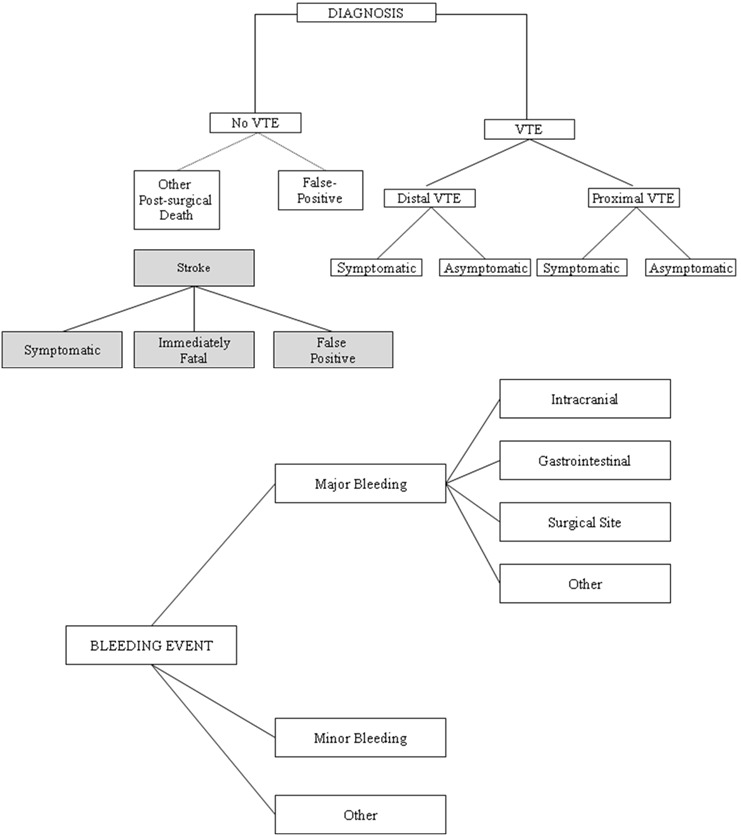
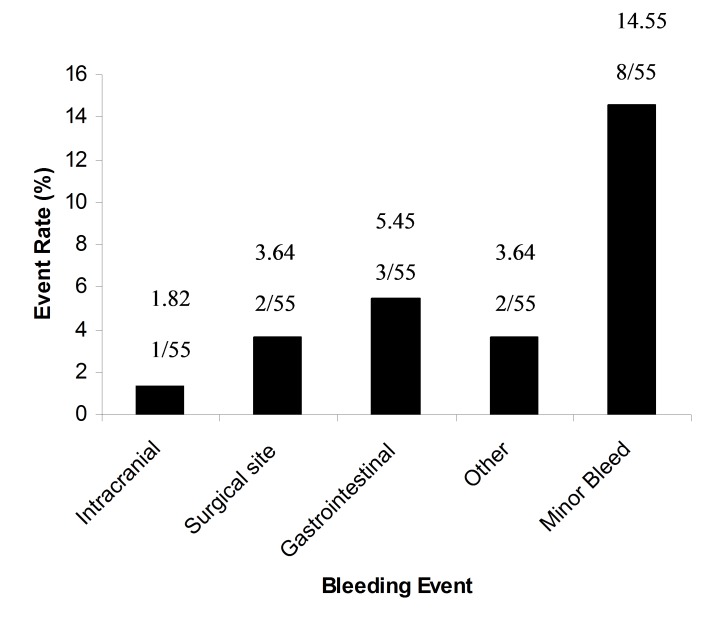
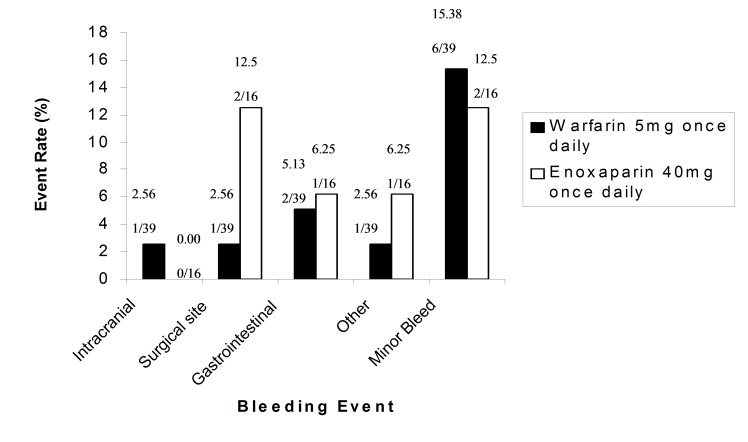
A preliminary costing analysis was performed based on a prospective 2-week clinical audit (29th June - 13th July 2009). Data regarding current anticoagulation management were extracted from the medical files of patients admitted to Ryde Hospital. To model potential costing implications of using the newer agents, the reported incidence of VTE/stroke and bleeding events were obtained from key clinical trials.
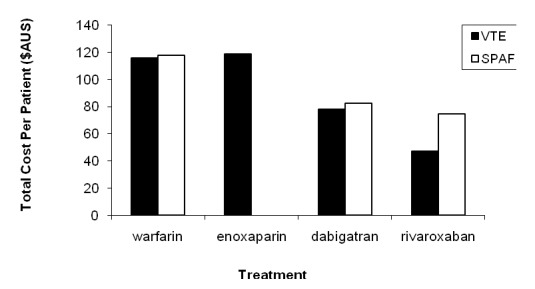
Data were collected for 67 patients treated with either warfarin (n=46) or enoxaparin (n=21) for prophylaxis of VTE/stroke. At least two-thirds of all patients were deemed suitable candidates for the use of newer oral anticoagulants (by current therapy: warfarin: 65.2% (AF), 34.8% (VTE); enoxaparin: 100%, (VTE)). The use of dabigatran in VTE/stroke prevention was found to be more cost- effective than warfarin and enoxaparin due to significantly lower costs of therapeutic monitoring and reduced administration costs. Rivaroxaban was more cost-effective than warfarin and enoxaparin for VTE/stroke prevention when supplier-rebates (33%) were factored into costing.
This study highlights the potential cost- effectiveness of newer anticoagulants, dabigatran and rivaroxaban, compared to warfarin and enoxaparin. These agents may offer economic advantages, as well as clinical benefits, in the hospital-based management of anticoagulated patients.
当前抗凝剂的缺点促使了更新型(尽管更昂贵)的口服替代品的研发。
探讨新型抗凝剂达比加群和利伐沙班在当地医院环境中对使用情况及后续成本的潜在影响。
基于一项为期2周的前瞻性临床审计(2009年6月29日至7月13日)进行初步成本分析。从莱德医院收治患者的病历中提取有关当前抗凝管理的数据。为模拟使用新型药物的潜在成本影响,从关键临床试验中获取了静脉血栓栓塞症/中风和出血事件的报告发生率。
收集了67例接受华法林(n = 46)或依诺肝素(n = 21)预防静脉血栓栓塞症/中风治疗患者的数据。所有患者中至少三分之二被认为是使用新型口服抗凝剂的合适人选(按当前治疗方法:华法林:65.2%(房颤),34.8%(静脉血栓栓塞症);依诺肝素:100%(静脉血栓栓塞症))。由于治疗监测成本显著降低且给药成本减少,发现使用达比加群预防静脉血栓栓塞症/中风比华法林和依诺肝素更具成本效益。在成本计算中考虑供应商返利(33%)后,利伐沙班预防静脉血栓栓塞症/中风比华法林和依诺肝素更具成本效益。
本研究强调了新型抗凝剂达比加群和利伐沙班与华法林和依诺肝素相比潜在的成本效益。这些药物在医院对抗凝患者的管理中可能既具有经济优势又具有临床益处。