Choudhary Sinjan, Kishore Nand
University of Mumbai & Department of Atomic Energy, Centre for Excellence in Basic Sciences, Santacruz (E), Mumbai, India.
Department of Chemistry, Indian Institute of Technology Bombay, Powai, Mumbai, India.
PLoS One. 2014 Aug 18;9(8):e104600. doi: 10.1371/journal.pone.0104600. eCollection 2014.
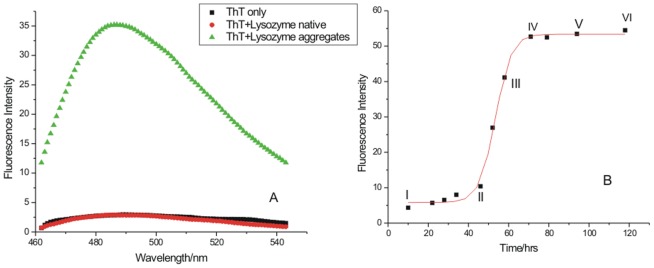
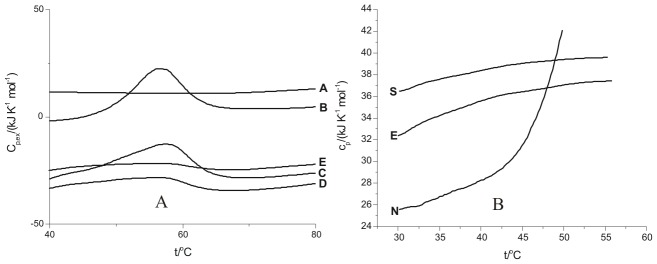
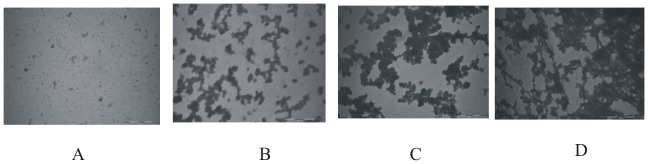
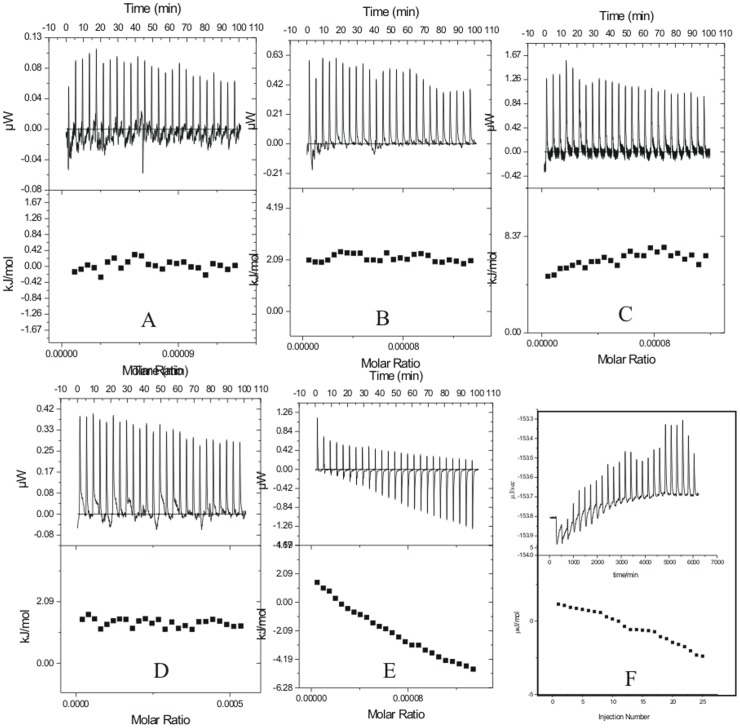
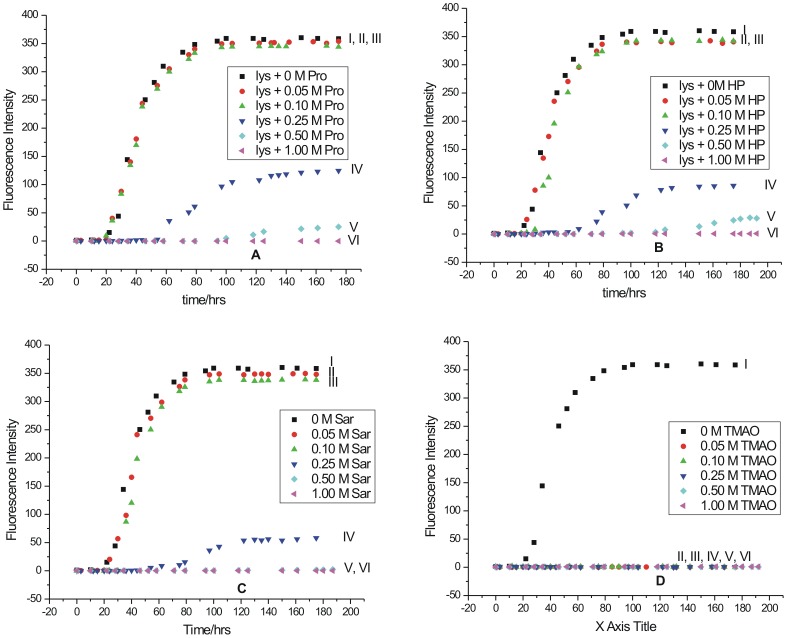
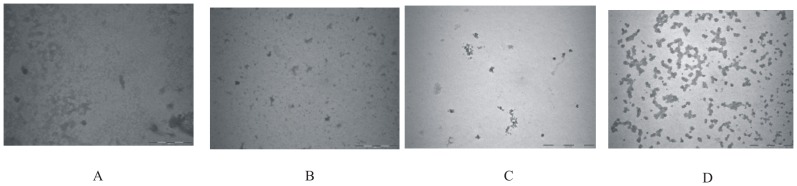
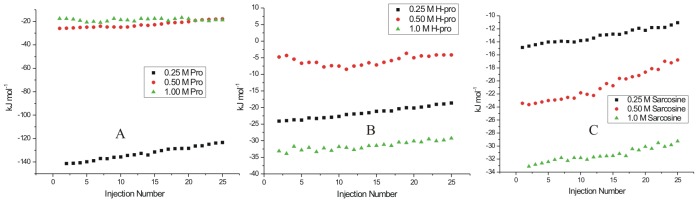
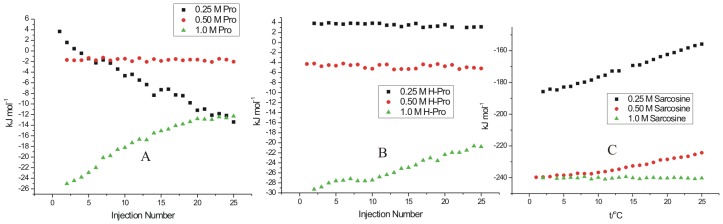
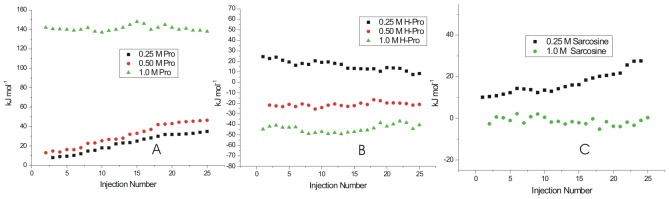
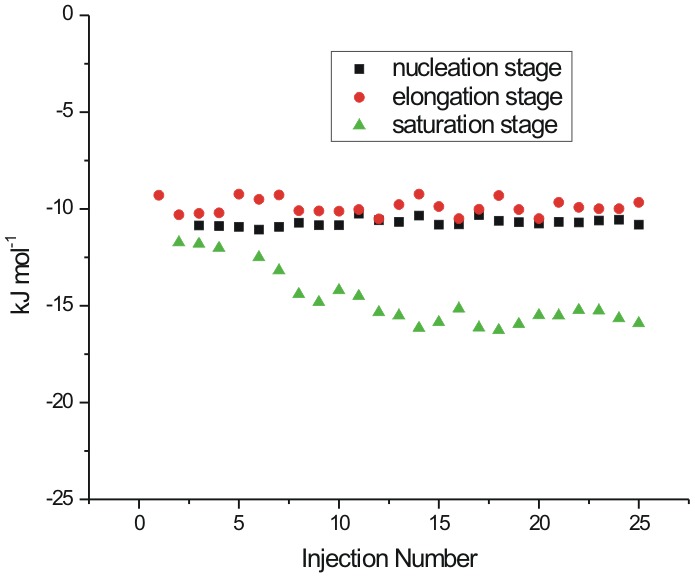
Understanding the mechanism of protein fibrillization/aggregation and its prevention is the basis of development of therapeutic strategies for amyloidosis. An attempt has been made to understand the nature of interactions of osmolytes L-proline, 4-hydroxy-L-proline, sarcosine and trimethylamine N-oxide with the different stages of fibrillization of hen egg-white lysozyme by using a combination of isothermal titration calorimetry, differential scanning calorimetry, fluorescence spectroscopy, and transmission electron microscopy. Based on thioflavin T fluorescence emission intensities and microscopic images, the nucleation, elongation, and saturation phases of fibrillization have been identified. Isothermal titration calorimetry and differential scanning calorimetry have enabled a quantitative analysis of the nature of interactions of these osmolytes with various conformational states of lysozyme at different stages of fibrillization/aggregation. It is concluded that interaction of the osmolytes with lysozyme fibrils at both the nucleation and elongation stages are important steps in the prevention of fibrillization/aggregation. Identification of the nature of interactions is a key step towards the discovery and synthesis of target oriented potential inhibitors of these associations. This study is a first report in which calorimetry has been used to address interaction of potential inihibitiors with the protein at different stages of fibrillization.
了解蛋白质纤维化/聚集的机制及其预防方法是淀粉样变性治疗策略发展的基础。通过结合等温滴定量热法、差示扫描量热法、荧光光谱法和透射电子显微镜,人们试图了解渗透剂L-脯氨酸、4-羟基-L-脯氨酸、肌氨酸和三甲胺N-氧化物与鸡蛋清溶菌酶纤维化不同阶段的相互作用性质。基于硫黄素T荧光发射强度和显微镜图像,确定了纤维化的成核、伸长和饱和阶段。等温滴定量热法和差示扫描量热法能够定量分析这些渗透剂在纤维化/聚集不同阶段与溶菌酶各种构象状态的相互作用性质。得出的结论是,渗透剂在成核和伸长阶段与溶菌酶原纤维的相互作用是预防纤维化/聚集的重要步骤。确定相互作用的性质是发现和合成这些关联的靶向潜在抑制剂的关键步骤。本研究是首次报道使用量热法研究潜在抑制剂在纤维化不同阶段与蛋白质的相互作用。