Lu Hung-Jen, Tzeng Thing-Fong, Liou Shorong-Shii, Chang Chia Ju, Yang Cheng, Wu Ming-Chang, Liu I-Min
Department of Food Science, College of Agriculture, National Pingtung University of Science and Technology, Neipu Township, Pingtung County, Taiwan.
Department of Pharmacy and Graduate Institute of Pharmaceutical Technology, Tajen University, Yanpu Township, Pingtung County, Taiwan.
Biomed Res Int. 2014;2014:652680. doi: 10.1155/2014/652680. Epub 2014 Jul 20.
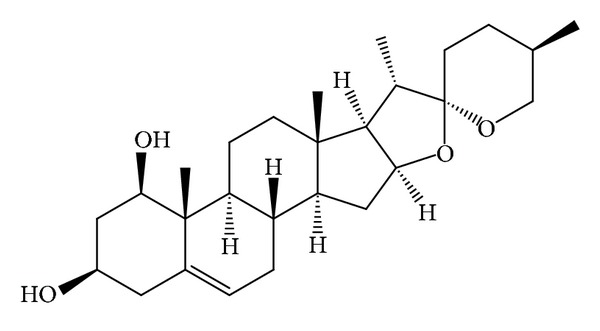
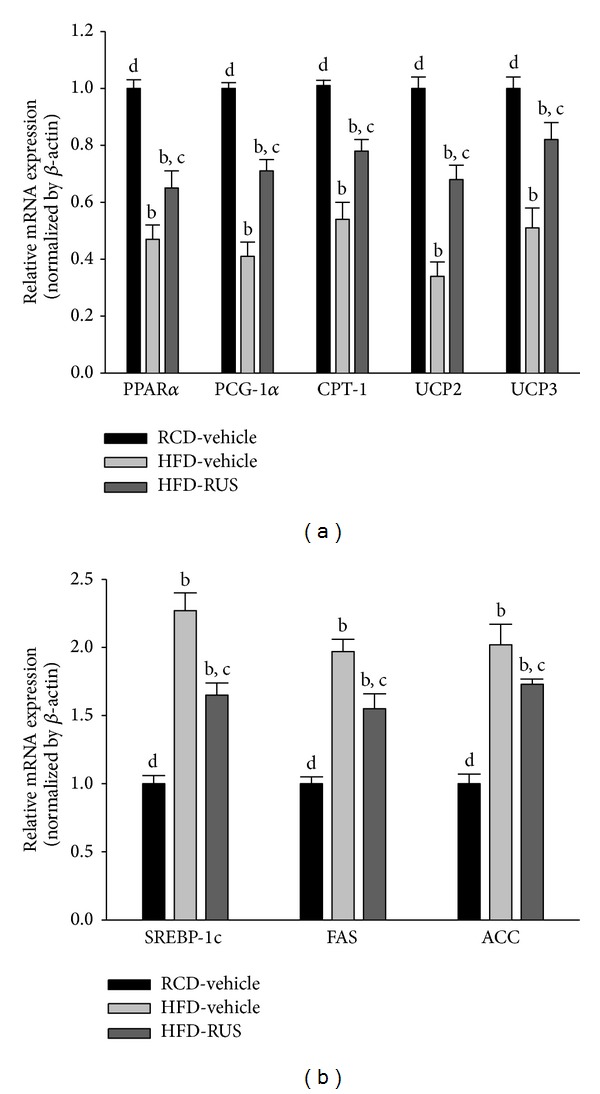
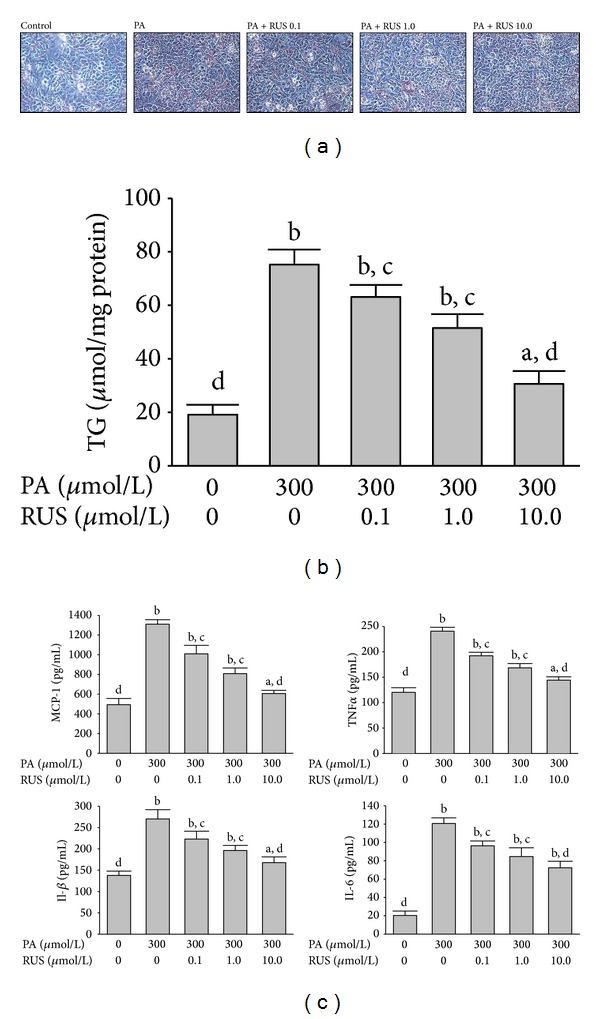
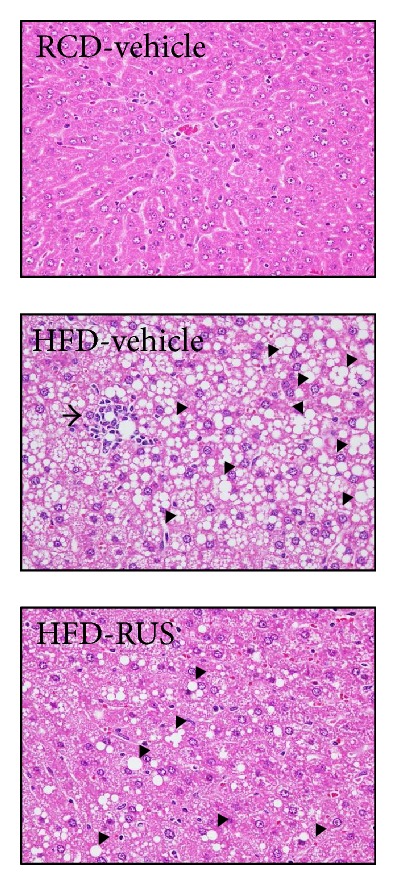
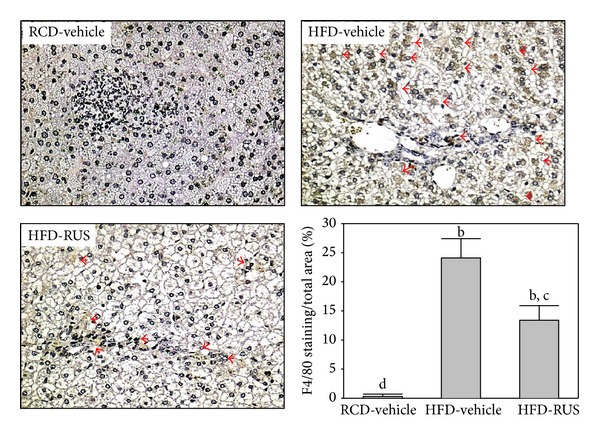
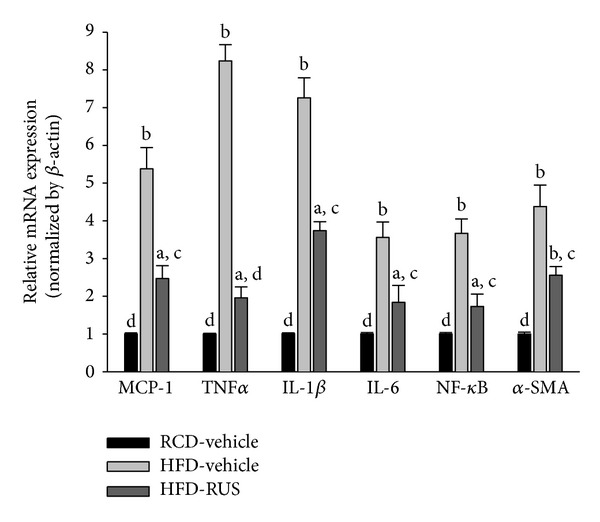
The aim of the study was to investigate the protective effects of ruscogenin, a major steroid sapogenin in Ophiopogon japonicus, on experimental models of nonalcoholic steatohepatitis. HepG2 cells were exposed to 300 μmol/l palmitic acid (PA) for 24 h with the preincubation of ruscogenin for another 24 h. Ruscogenin (10.0 μmol/l) had inhibitory effects on PA-induced triglyceride accumulation and inflammatory markers in HepG2 cells. Male golden hamsters were randomly divided into five groups fed a normal diet, a high-fat diet (HFD), or a HFD supplemented with ruscogenin (0.3, 1.0, or 3.0 mg/kg/day) by gavage once daily for 8 weeks. Ruscogenin alleviated dyslipidemia, liver steatosis, and necroinflammation and reversed plasma markers of metabolic syndrome in HFD-fed hamsters. Hepatic mRNA levels involved in fatty acid oxidation were increased in ruscogenin-treated HFD-fed hamsters. Conversely, ruscogenin decreased expression of genes involved in hepatic lipogenesis. Gene expression of inflammatory cytokines, chemoattractive mediator, nuclear transcription factor-(NF-) κB, and α-smooth muscle actin were increased in the HFD group, which were attenuated by ruscogenin. Ruscogenin may attenuate HFD-induced steatohepatitis through downregulation of NF-κB-mediated inflammatory responses, reducing hepatic lipogenic gene expression, and upregulating proteins in β-oxidation pathway.
本研究旨在探讨麦冬中主要甾体皂苷元鲁斯可皂苷元对非酒精性脂肪性肝炎实验模型的保护作用。将HepG2细胞暴露于300μmol/l棕榈酸(PA)中24小时,同时鲁斯可皂苷元预孵育24小时。鲁斯可皂苷元(10.0μmol/l)对PA诱导的HepG2细胞内甘油三酯积累和炎症标志物具有抑制作用。雄性金黄地鼠随机分为五组,分别给予正常饮食、高脂饮食(HFD),或高脂饮食同时经口灌胃补充鲁斯可皂苷元(0.3、1.0或3.0mg/kg/天),每日一次,持续8周。鲁斯可皂苷元可减轻高脂饮食喂养的地鼠的血脂异常、肝脏脂肪变性和坏死性炎症,并逆转代谢综合征的血浆标志物。在鲁斯可皂苷元处理的高脂饮食喂养的地鼠中,参与脂肪酸氧化的肝脏mRNA水平升高。相反,鲁斯可皂苷元降低了参与肝脏脂肪生成的基因表达。高脂饮食组炎症细胞因子、趋化介质、核转录因子-(NF-)κB和α-平滑肌肌动蛋白的基因表达增加,而鲁斯可皂苷元可使其减弱。鲁斯可皂苷元可能通过下调NF-κB介导的炎症反应、降低肝脏脂肪生成基因表达以及上调β-氧化途径中的蛋白质来减轻高脂饮食诱导的脂肪性肝炎。