Division of Immunoregulation, Medical Research Council National Institute for Medical Research, London NW7 1AA, United Kingdom;
Division of Immunoregulation, Medical Research Council National Institute for Medical Research, London NW7 1AA, United Kingdom; Life and Health Sciences Research Institute, School of Health Sciences, University of Minho, 4710-057 Braga, Portugal; Life and Health Sciences Research Institute and Biomaterials, Biodegradables and Biomimetics Research Group, Portugal Government Associate Laboratory, 4710-057 Braga/Guimarães, Portugal; and.
J Immunol. 2014 Oct 1;193(7):3600-12. doi: 10.4049/jimmunol.1401088. Epub 2014 Sep 3.
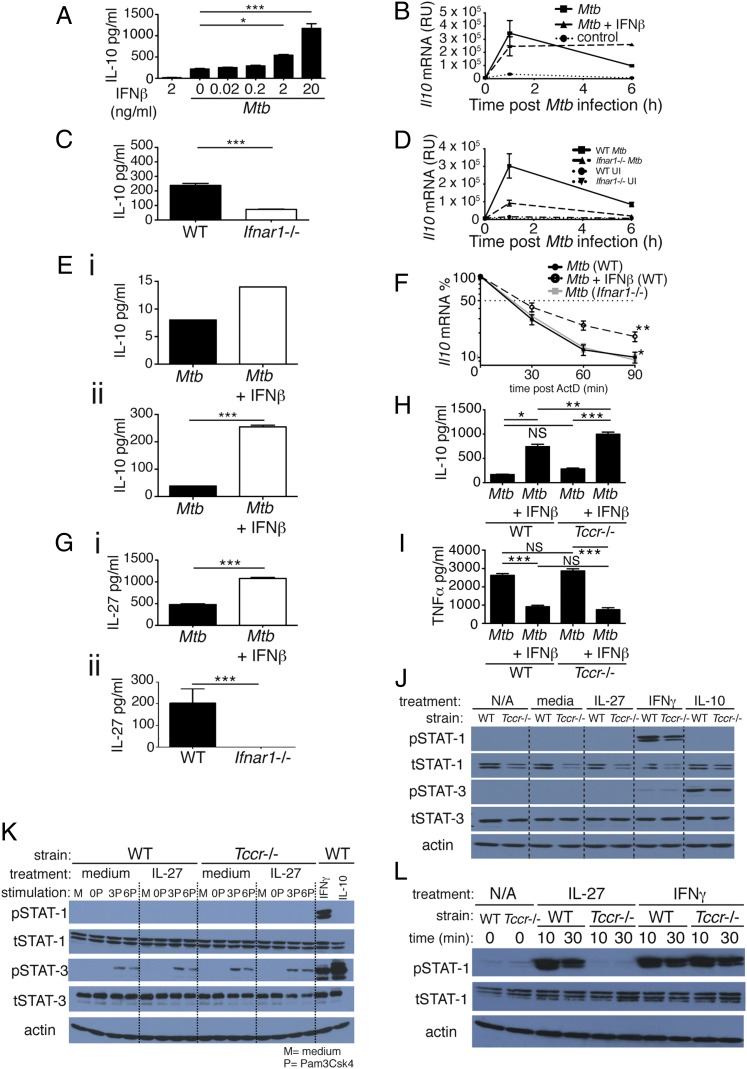
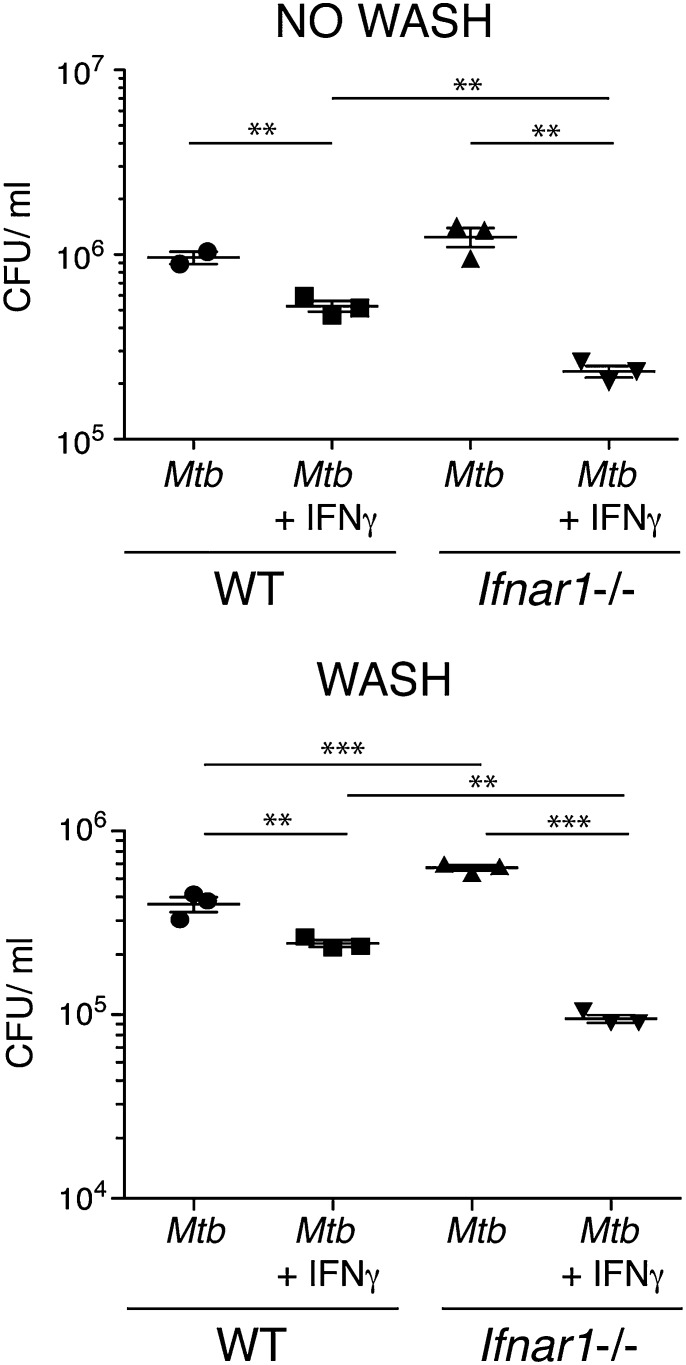
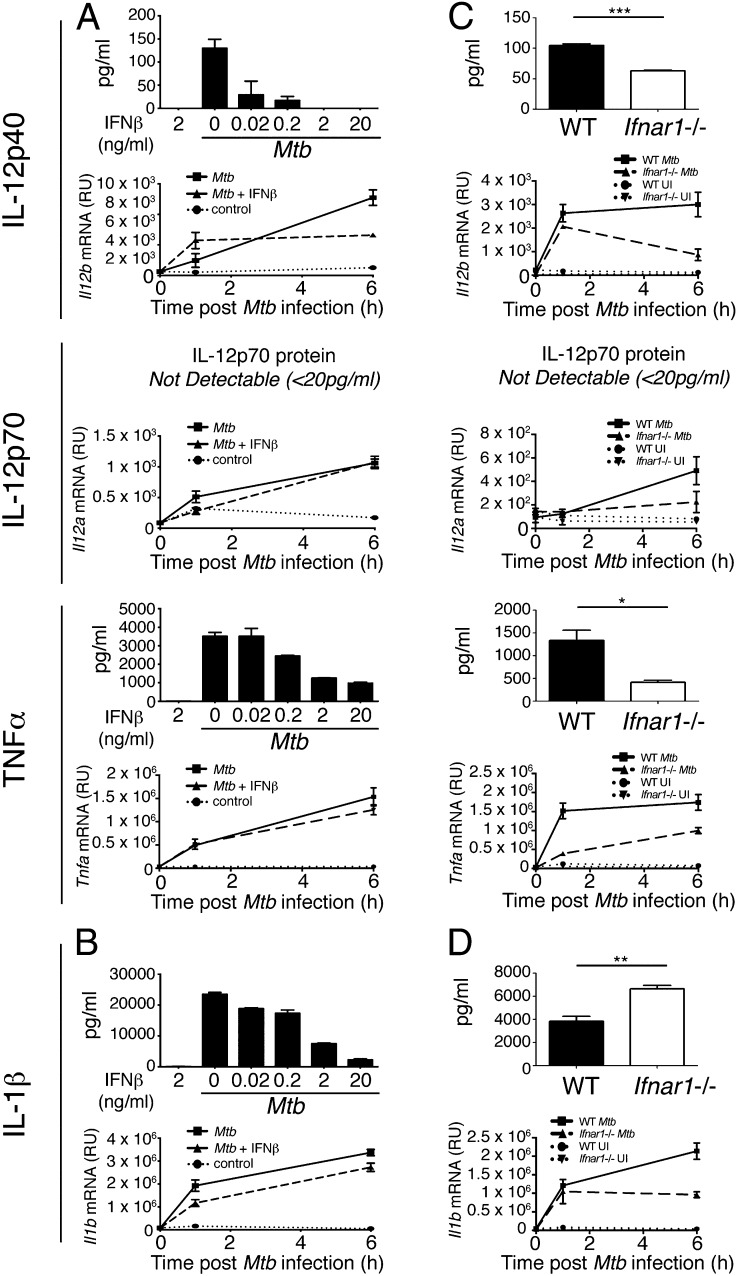
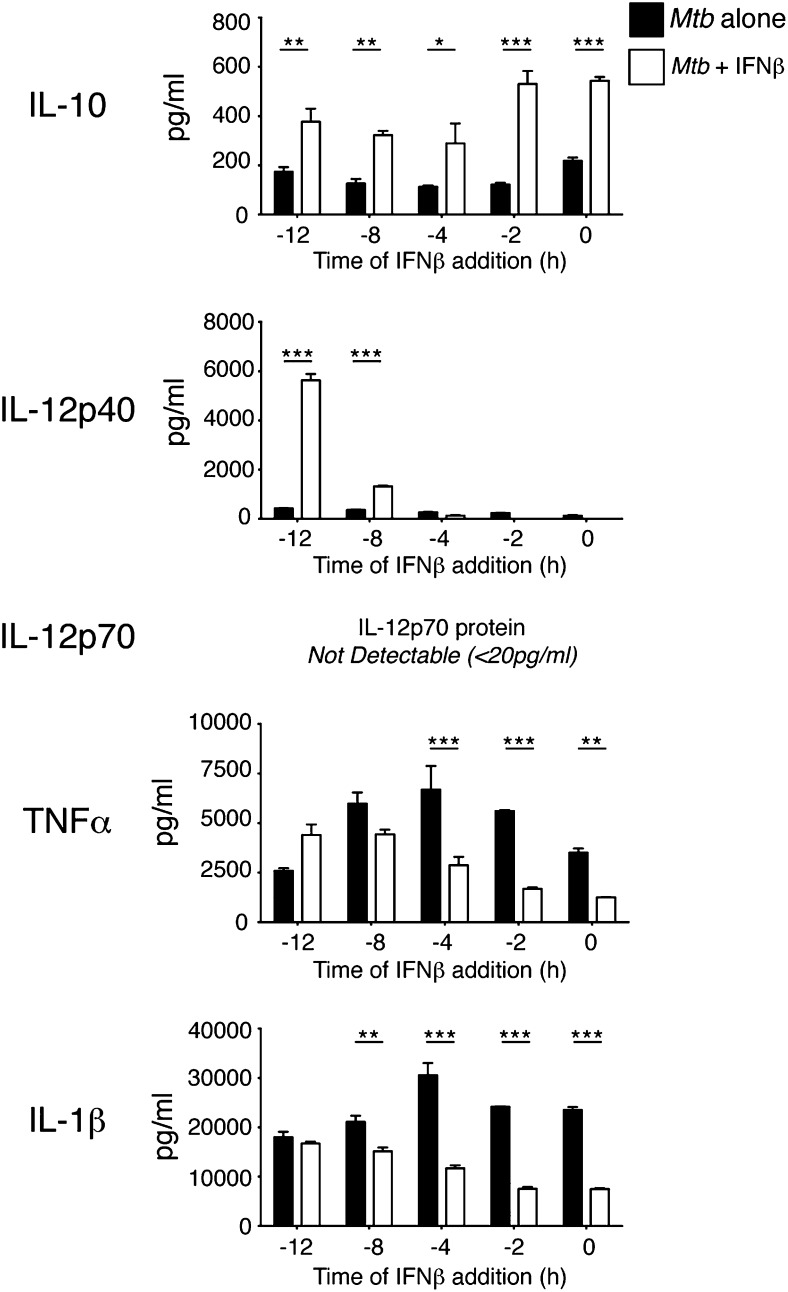
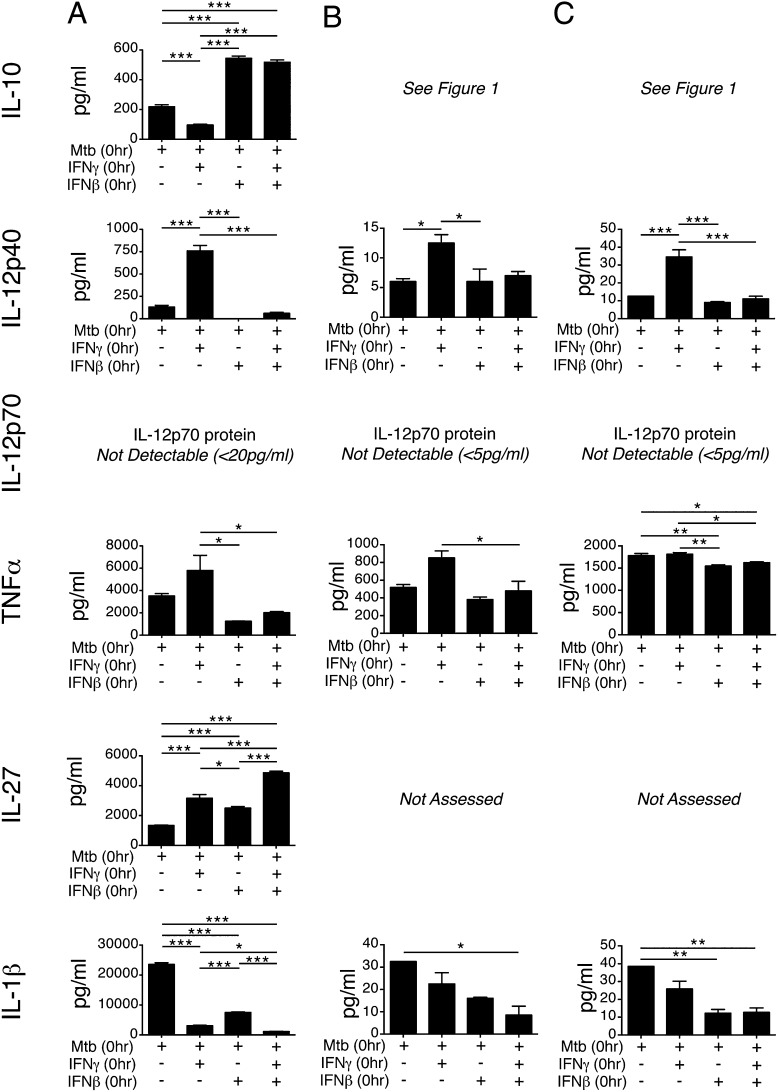
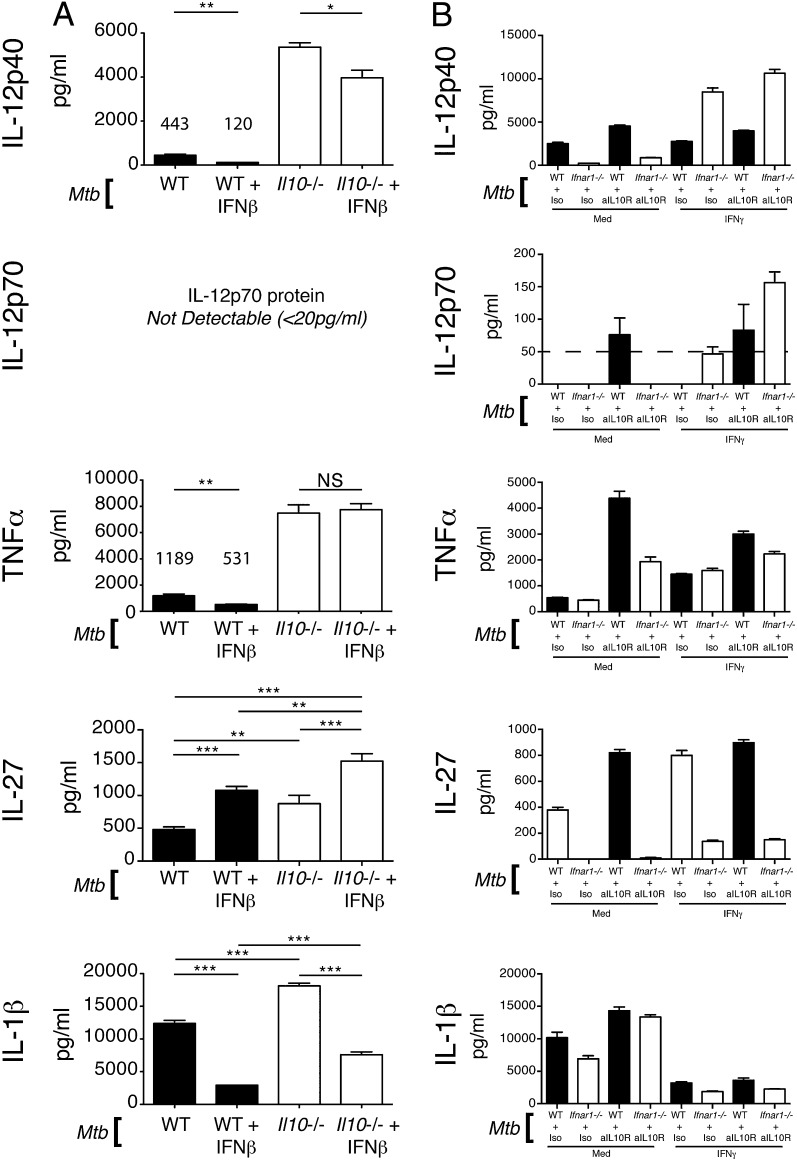
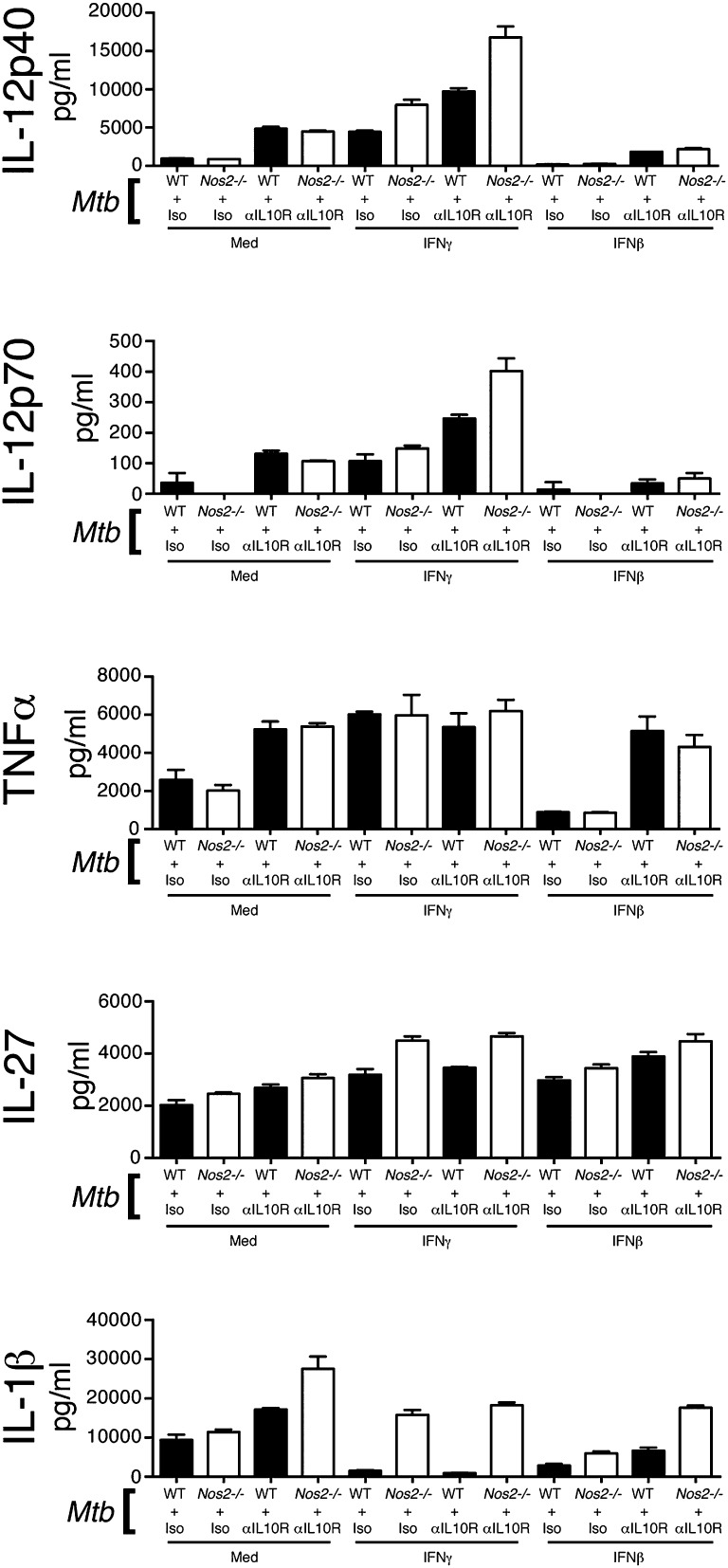
Tuberculosis, caused by the intracellular bacterium Mycobacterium tuberculosis, currently causes ∼1.4 million deaths per year, and it therefore remains a leading global health problem. The immune response during tuberculosis remains incompletely understood, particularly regarding immune factors that are harmful rather than protective to the host. Overproduction of the type I IFN family of cytokines is associated with exacerbated tuberculosis in both mouse models and in humans, although the mechanisms by which type I IFN promotes disease are not well understood. We have investigated the effect of type I IFN on M. tuberculosis-infected macrophages and found that production of host-protective cytokines such as TNF-α, IL-12, and IL-1β is inhibited by exogenous type I IFN, whereas production of immunosuppressive IL-10 is promoted in an IL-27-independent manner. Furthermore, much of the ability of type I IFN to inhibit cytokine production was mediated by IL-10. Additionally, type I IFN compromised macrophage activation by the lymphoid immune response through severely disrupting responsiveness to IFN-γ, including M. tuberculosis killing. These findings describe important mechanisms by which type I IFN inhibits the immune response during tuberculosis.
结核病是由细胞内细菌结核分枝杆菌引起的,目前每年导致约 140 万人死亡,因此仍然是一个主要的全球健康问题。结核病期间的免疫反应仍不完全清楚,特别是对于对宿主有害而非保护性的免疫因素。在小鼠模型和人类中,I 型 IFN 细胞因子家族的过度产生与结核病的恶化有关,尽管 I 型 IFN 促进疾病的机制尚不清楚。我们研究了 I 型 IFN 对感染结核分枝杆菌的巨噬细胞的影响,发现外源性 I 型 IFN 抑制了宿主保护性细胞因子如 TNF-α、IL-12 和 IL-1β的产生,而 IL-27 非依赖性地促进了免疫抑制性 IL-10 的产生。此外,I 型 IFN 抑制细胞因子产生的大部分能力是通过 IL-10 介导的。此外,I 型 IFN 通过严重破坏对 IFN-γ的反应性,包括结核分枝杆菌的杀伤,从而损害了淋巴细胞免疫反应对巨噬细胞的激活。这些发现描述了 I 型 IFN 在结核病期间抑制免疫反应的重要机制。