Song Xiaodong, Wang Bingsi, Lin Shengcui, Jing Lili, Mao Cuiping, Xu Pan, Lv Changjun, Liu Wen, Zuo Ji
Department of Cellular and Genetic Medicine, School of Basic Medical Sciences, Fudan University, Shanghai, China; Medicine Research Center, Binzhou Medical University, Yantai, China.
J Cell Mol Med. 2014 Nov;18(11):2198-212. doi: 10.1111/jcmm.12347. Epub 2014 Sep 12.
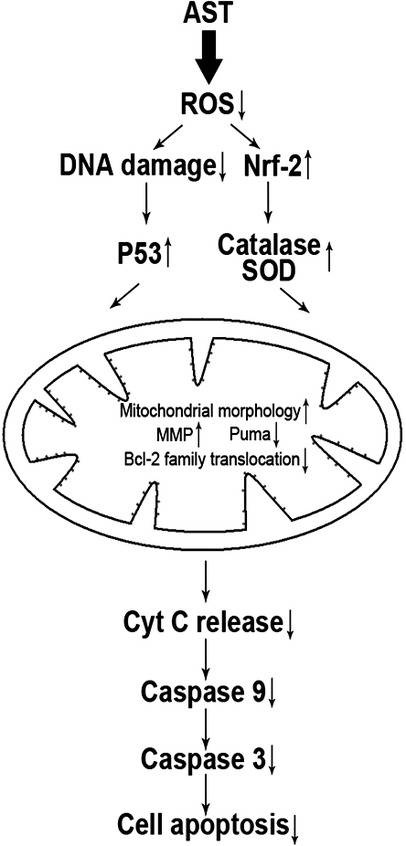
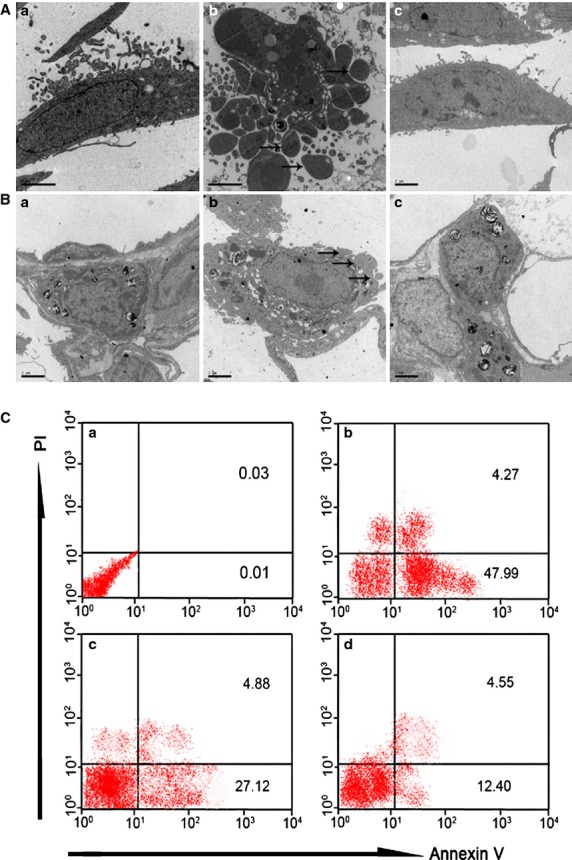
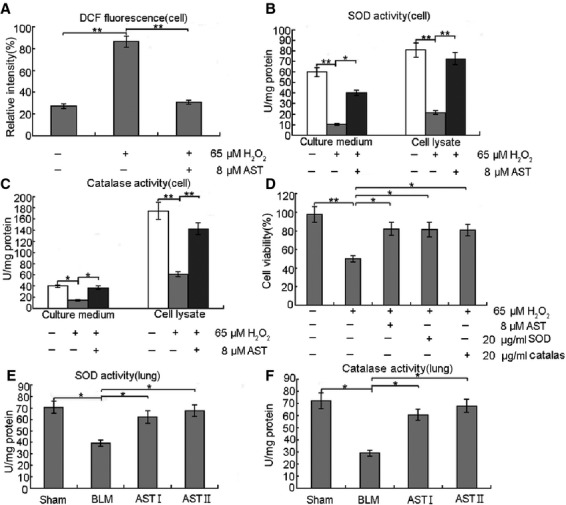
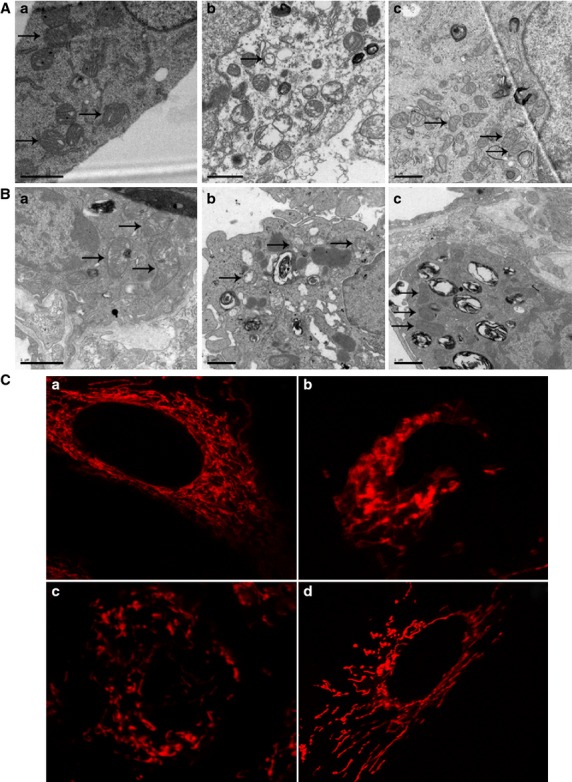
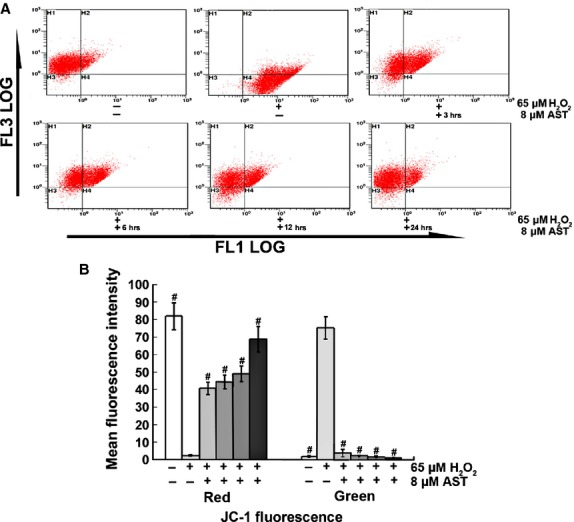
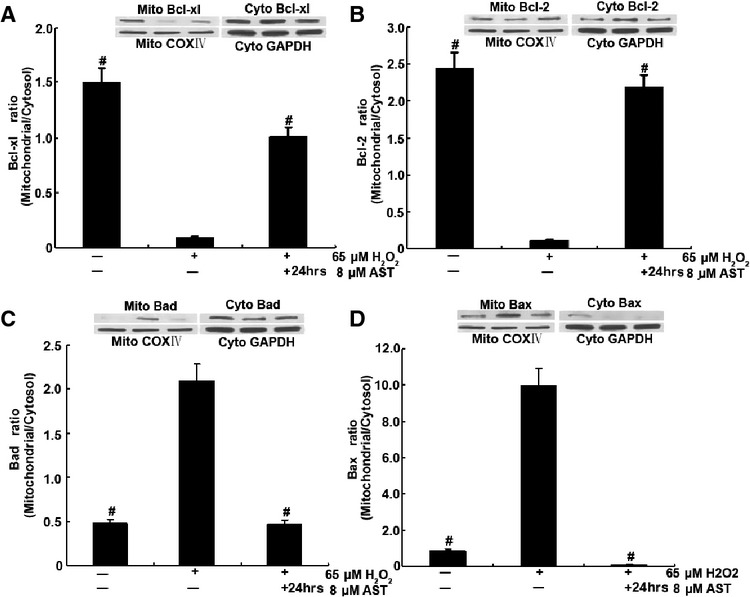
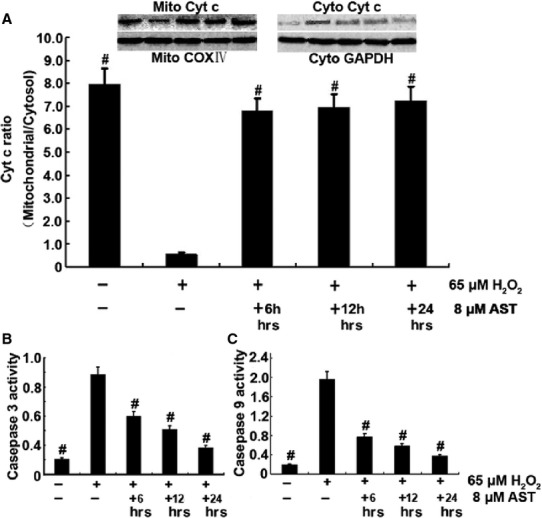
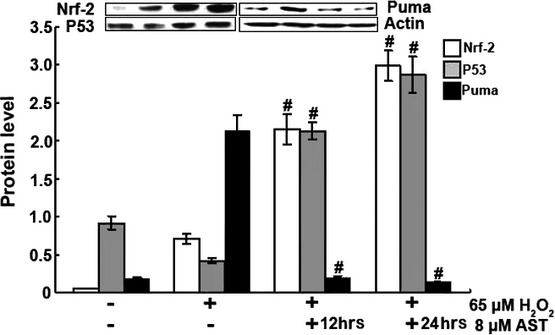
Oxidative stress is an important molecular mechanism underlying lung fibrosis. The mitochondrion is a major organelle for oxidative stress in cells. Therefore, blocking the mitochondrial signalling pathway may be the best therapeutic manoeuver to ameliorate lung fibrosis. Astaxanthin (AST) is an excellent antioxidant, but no study has addressed the pathway of AST against pulmonary oxidative stress and free radicals by the mitochondrion-mediated signalling pathway. In this study, we investigated the antioxidative effects of AST against H2 O2 - or bleomycin (BLM)-induced mitochondrial dysfunction and reactive oxygen species (ROS) production in alveolar epithelial cells type II (AECs-II) in vivo and in vitro. Our data show that AST blocks H2 O2 - or BLM-induced ROS generation and dose-dependent apoptosis in AECs-II, as characterized by changes in cell and mitochondria morphology, translocation of apoptotic proteins, inhibition of cytochrome c (Cyt c) release, and the activation of caspase-9, caspase-3, Nrf-2 and other cytoprotective genes. These data suggest that AST inhibits apoptosis in AECs-II cells through the ROS-dependent mitochondrial signalling pathway and may be of potential therapeutic value in lung fibrosis treatment.
氧化应激是肺纤维化潜在的重要分子机制。线粒体是细胞内氧化应激的主要细胞器。因此,阻断线粒体信号通路可能是改善肺纤维化的最佳治疗策略。虾青素(AST)是一种出色的抗氧化剂,但尚无研究探讨AST通过线粒体介导的信号通路对抗肺部氧化应激和自由基的途径。在本研究中,我们在体内和体外研究了AST对H2O2或博来霉素(BLM)诱导的II型肺泡上皮细胞(AECs-II)线粒体功能障碍和活性氧(ROS)产生的抗氧化作用。我们的数据表明,AST可阻断H2O2或BLM诱导的AECs-II中ROS的产生和剂量依赖性凋亡,其特征为细胞和线粒体形态的变化、凋亡蛋白的易位、细胞色素c(Cyt c)释放的抑制以及半胱天冬酶-9、半胱天冬酶-3、核因子E2相关因子2(Nrf-2)和其他细胞保护基因的激活。这些数据表明,AST通过ROS依赖性线粒体信号通路抑制AECs-II细胞凋亡,在肺纤维化治疗中可能具有潜在的治疗价值。