Zhang Wenbo, Xu Xuemei, Kao Raymond, Mele Tina, Kvietys Peter, Martin Claudio M, Rui Tao
Departments of Medicine and Surgery, the Affiliated People's Hospital of Jiangsu University, Zhenjiang, Jiangsu Province, China; Critical Illness Research, Lawson Health Research Institute, London, Ontario, Canada.
Critical Illness Research, Lawson Health Research Institute, London, Ontario, Canada; Critical Care Western, Department of Medicine, Schulich School of Medicine and Dentistry, University of Western Ontario, London, Ontario, Canada.
PLoS One. 2014 Sep 12;9(9):e107639. doi: 10.1371/journal.pone.0107639. eCollection 2014.
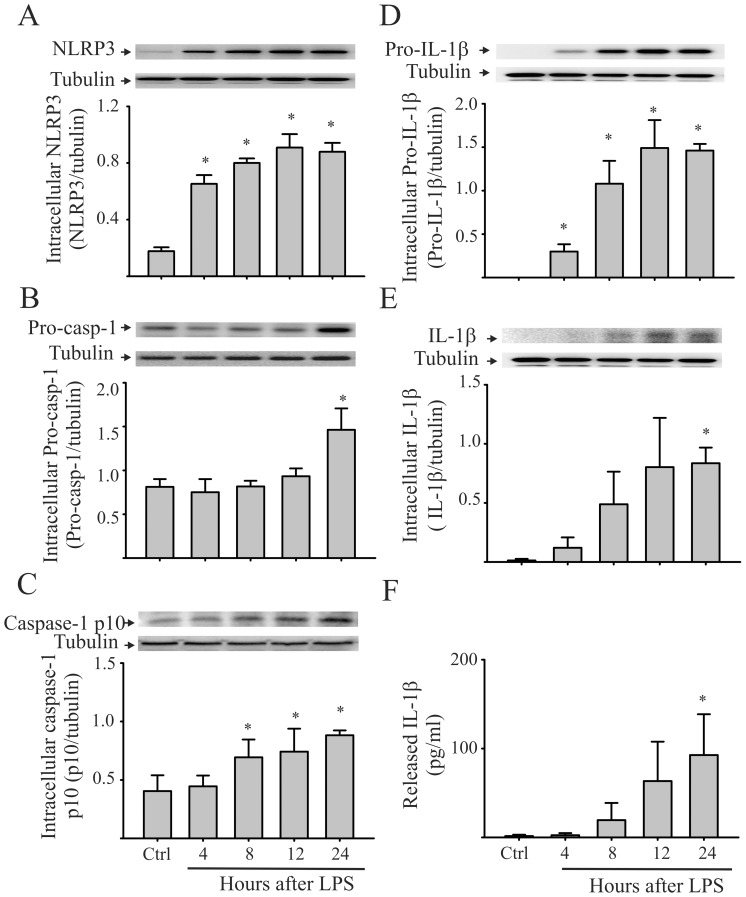
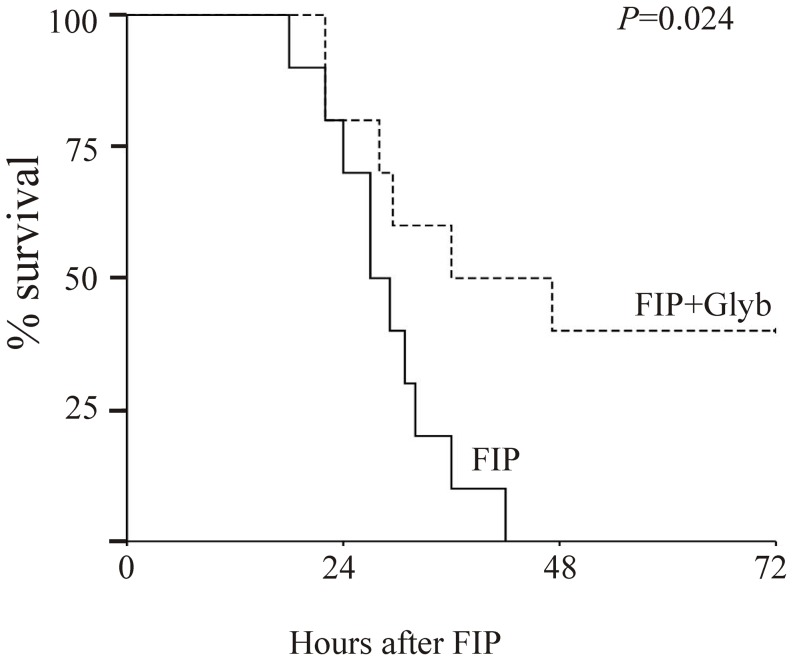
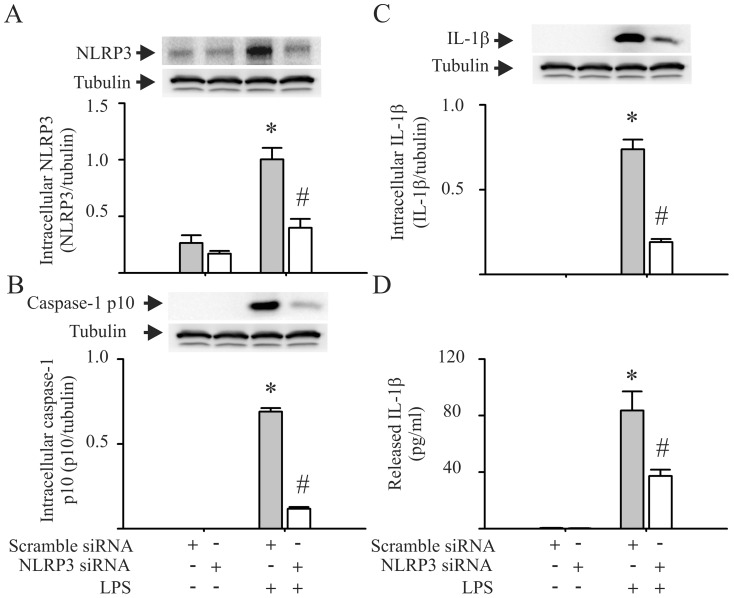
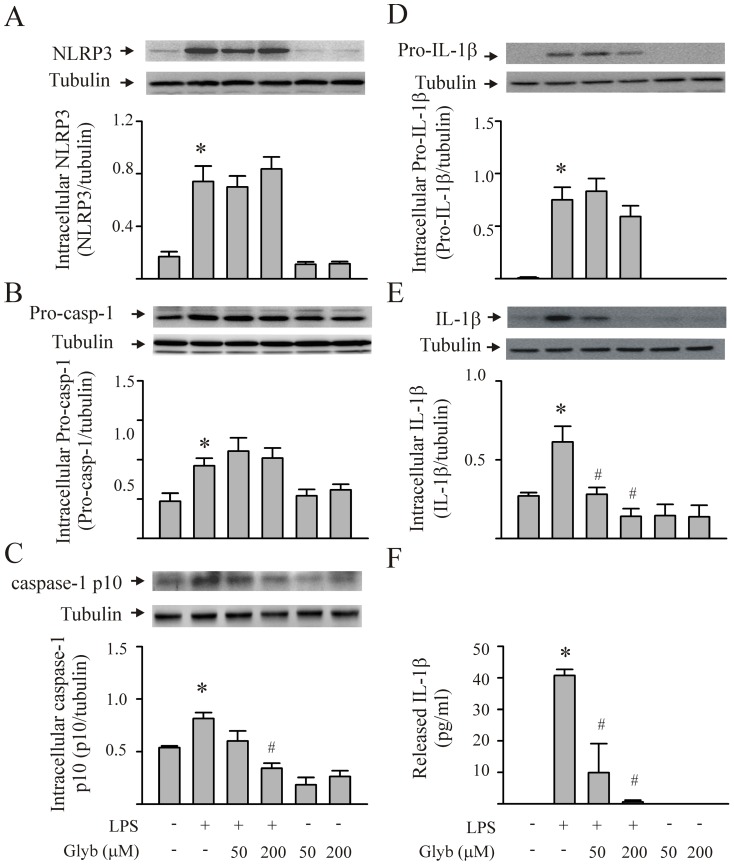
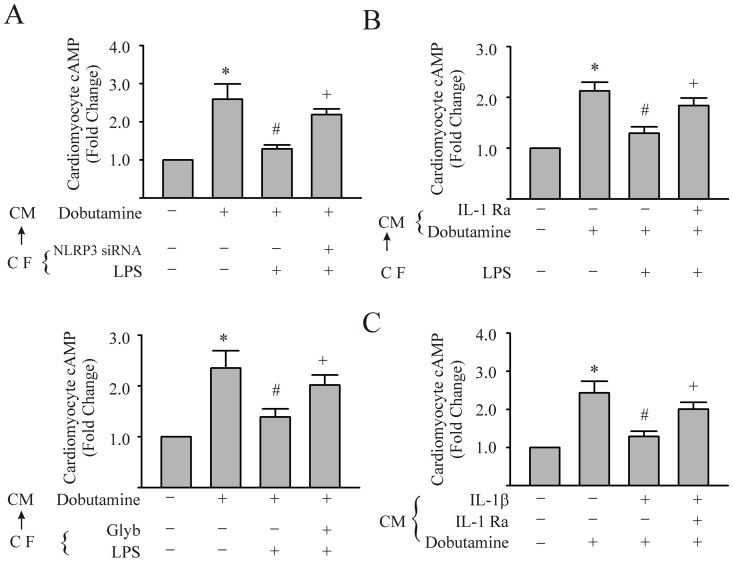
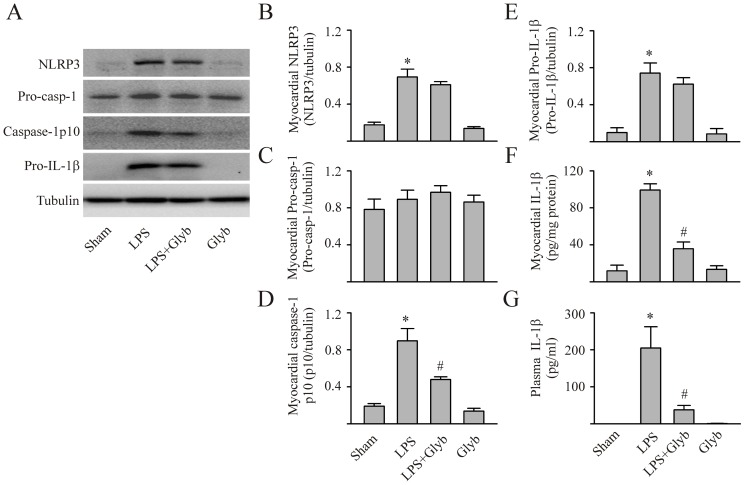
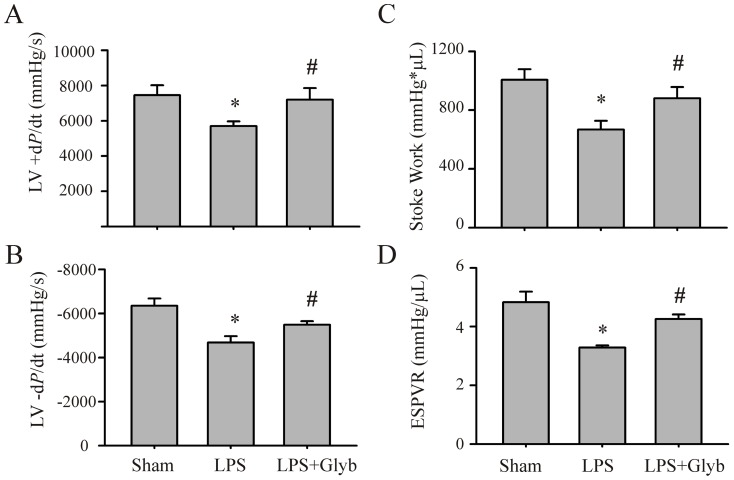
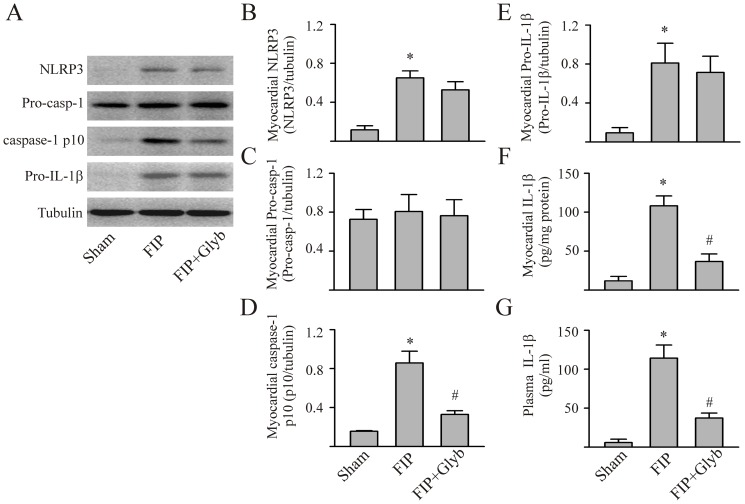
Myocardial contractile dysfunction in sepsis is associated with the increased morbidity and mortality. Although the underlying mechanisms of the cardiac depression have not been fully elucidated, an exaggerated inflammatory response is believed to be responsible. Nucleotide-binding oligomerization domain-like receptor containing pyrin domain 3 (NLRP3) inflammasome is an intracellular platform that is involved in the maturation and release of interleukin (IL)-1β. The aim of the present study is to evaluate whether sepsis activates NLRP3 inflammasome/caspase-1/IL-1β pathway in cardiac fibroblasts (CFs) and whether this cytokine can subsequently impact the function of cardiomyocytes (cardiac fibroblast-myocyte cross-talk). We show that treatment of CFs with lipopolysaccharide (LPS) induces upregulation of NLRP3, activation of caspase-1, as well as the maturation (activation) and release of IL-1β. In addition, the genetic (small interfering ribonucleic acid [siRNA]) and pharmacological (glyburide) inhibition of the NLRP3 inflammasome in CFs can block this signaling pathway. Furthermore, the inhibition of the NLRP3 inflammasome in cardiac fibroblasts ameliorated the ability of LPS-challenged CFs to impact cardiomyocyte function as assessed by intracellular cyclic adenosine monophosphate (cAMP) responses in cardiomyocytes. Salient features of this the NLP3 inflammasome/ caspase-1 pathway were confirmed in in vivo models of endotoxemia/sepsis. We found that inhibition of the NLRP3 inflammasome attenuated myocardial dysfunction in mice with LPS and increased the survival rate in mice with feces-induced peritonitis. Our results indicate that the activation of the NLRP3 inflammasome in cardiac fibroblasts is pivotal in the induction of myocardial dysfunction in sepsis.
脓毒症时的心肌收缩功能障碍与发病率和死亡率的增加相关。尽管心脏抑制的潜在机制尚未完全阐明,但过度的炎症反应被认为是其原因。含吡喃结构域3的核苷酸结合寡聚化结构域样受体(NLRP3)炎性小体是一个参与白细胞介素(IL)-1β成熟和释放的细胞内平台。本研究的目的是评估脓毒症是否激活心脏成纤维细胞(CFs)中的NLRP3炎性小体/半胱天冬酶-1/IL-1β途径,以及这种细胞因子随后是否会影响心肌细胞的功能(心脏成纤维细胞-心肌细胞相互作用)。我们发现,用脂多糖(LPS)处理CFs会诱导NLRP3上调、半胱天冬酶-1激活以及IL-1β的成熟(激活)和释放。此外,CFs中NLRP3炎性小体的基因(小干扰核糖核酸[siRNA])和药理学(格列本脲)抑制可阻断该信号通路。此外,心脏成纤维细胞中NLRP3炎性小体的抑制改善了LPS刺激的CFs影响心肌细胞功能的能力,这通过心肌细胞内的环磷酸腺苷(cAMP)反应来评估。在内毒素血症/脓毒症的体内模型中证实了NLP3炎性小体/半胱天冬酶-1途径的显著特征。我们发现,抑制NLRP3炎性小体可减轻LPS诱导的小鼠心肌功能障碍,并提高粪便诱导的腹膜炎小鼠的存活率。我们的结果表明,心脏成纤维细胞中NLRP3炎性小体的激活在脓毒症诱导的心肌功能障碍中起关键作用。