Gómez-Díaz Elena, Corces Victor G
Department of Biology, Emory University, Atlanta, GA 30322, USA.
Department of Biology, Emory University, Atlanta, GA 30322, USA.
Trends Cell Biol. 2014 Nov;24(11):703-11. doi: 10.1016/j.tcb.2014.08.003. Epub 2014 Sep 10.
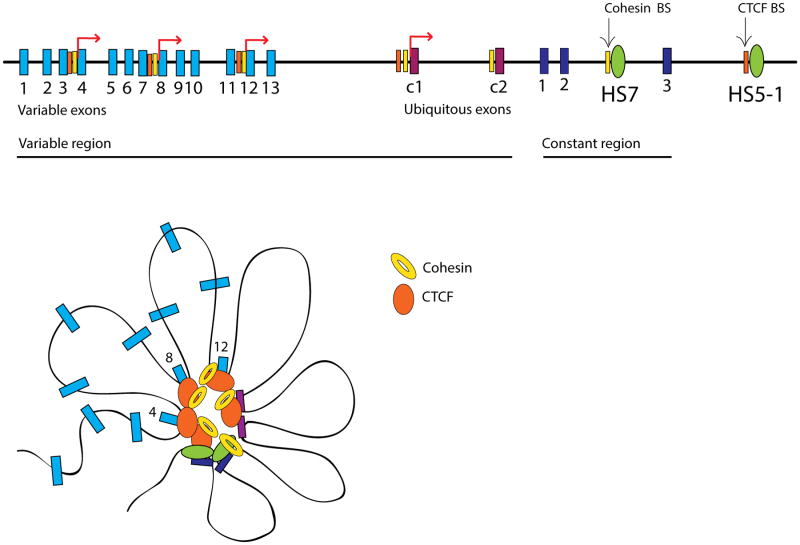
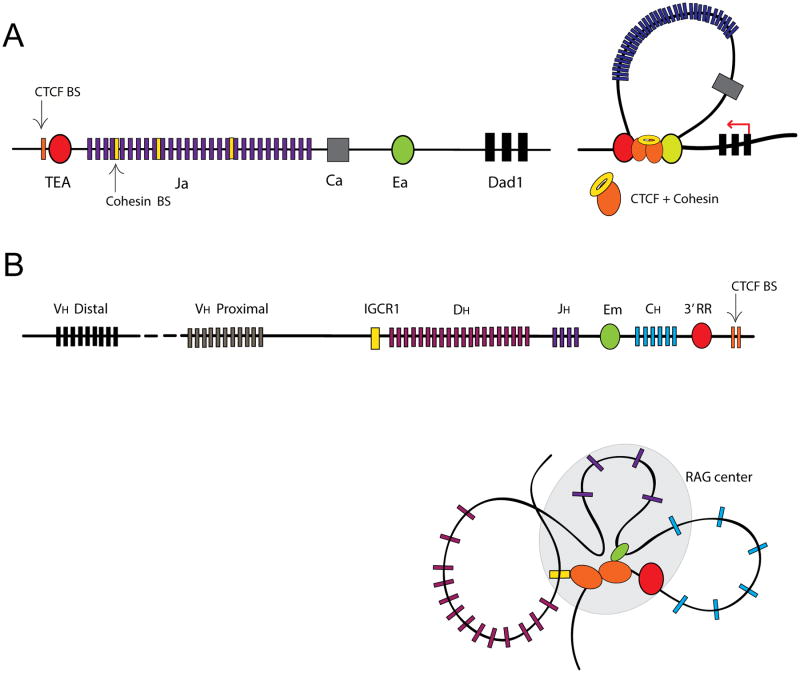
The relation between alterations in chromatin structure and changes in gene expression during cell differentiation has served as a paradigm to understand the link between genome organization and function. Yet, the factors involved and the mechanisms by which the 3D organization of the nucleus is established remain poorly understood. The use of Chromosome Conformation-Capture (3C)-based approaches has resulted in a new appreciation of the role of architectural proteins in the establishment of 3D genome organization. Architectural proteins orchestrate higher-order chromatin organization through the establishment of interactions between regulatory elements across multiple spatial scales. The regulation of these proteins, their interaction with DNA, and their co-occurrence in the genome, may be responsible for the plasticity of 3D chromatin architecture that dictates cell and time-specific blueprints of gene expression.
染色质结构改变与细胞分化过程中基因表达变化之间的关系,已成为理解基因组组织与功能之间联系的范例。然而,其中涉及的因素以及细胞核三维组织建立的机制仍知之甚少。基于染色体构象捕获(3C)方法的应用,使人们对结构蛋白在三维基因组组织建立中的作用有了新的认识。结构蛋白通过在多个空间尺度上建立调控元件之间的相互作用,精心安排高阶染色质组织。这些蛋白质的调控、它们与DNA的相互作用以及它们在基因组中的共同出现,可能是三维染色质结构可塑性的原因,这种可塑性决定了细胞和时间特异性的基因表达蓝图。