Hsu Yung-Heng, Chen Dave Wei-Chih, Tai Chun-Der, Chou Ying-Chao, Liu Shih-Jung, Ueng Steve Wen-Neng, Chan Err-Cheng
Department of Orthopedic Surgery, Chang Gung Memorial Hospital, Guishan Township, Taiwan ; Department of Mechanical Engineering, Chang Gung University, Guishan Township, Taiwan.
Department of Orthopedic Surgery, Chang Gung Memorial Hospital, Guishan Township, Taiwan.
Int J Nanomedicine. 2014 Sep 12;9:4347-55. doi: 10.2147/IJN.S66526. eCollection 2014.
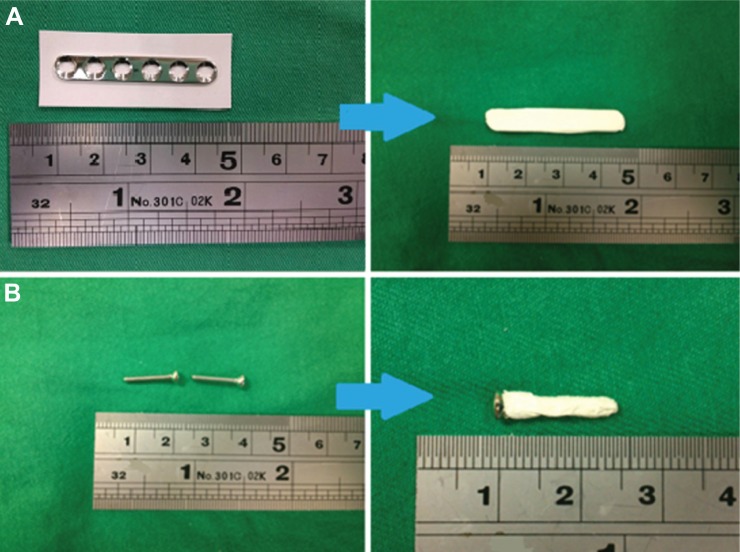
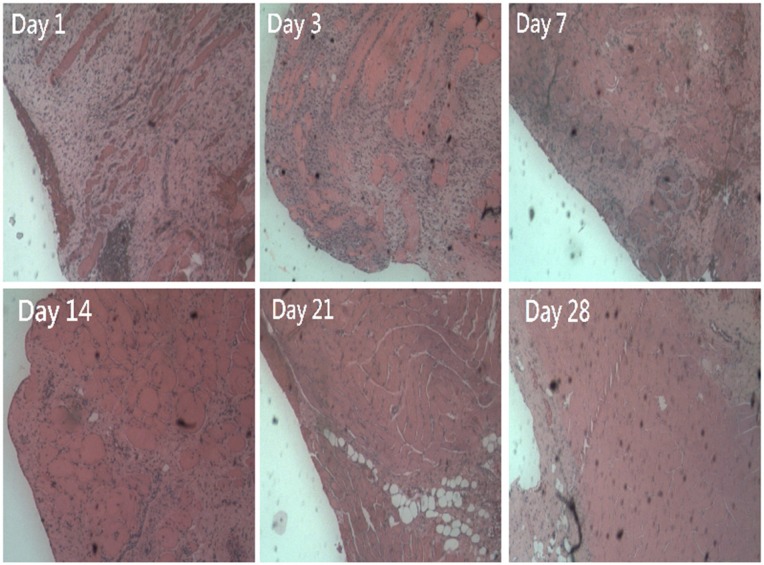
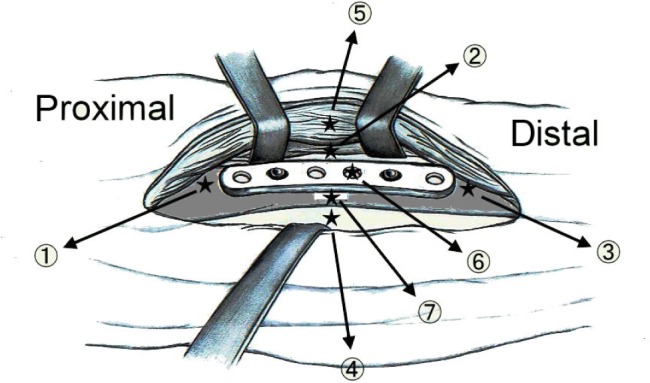
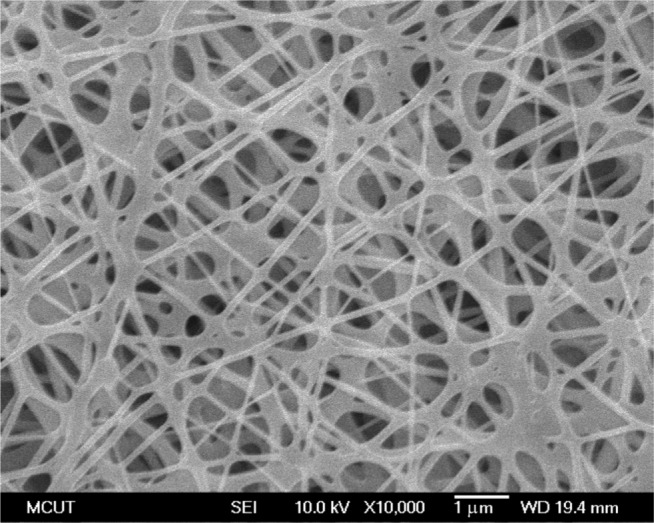
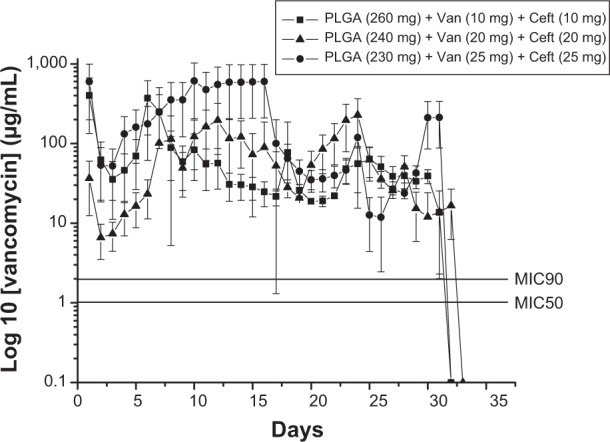
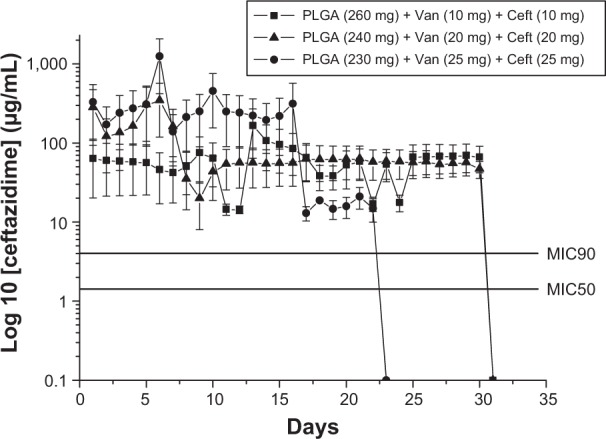
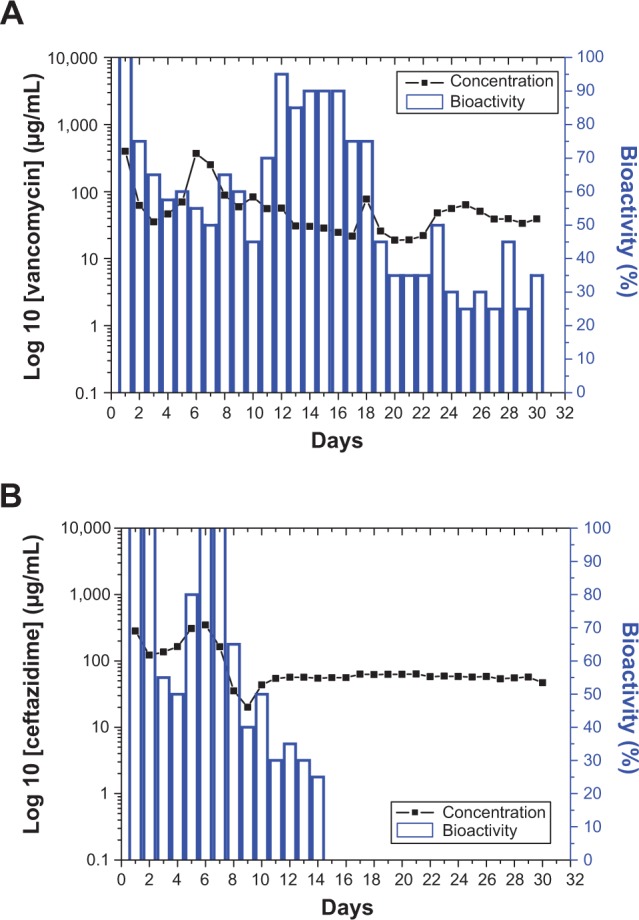
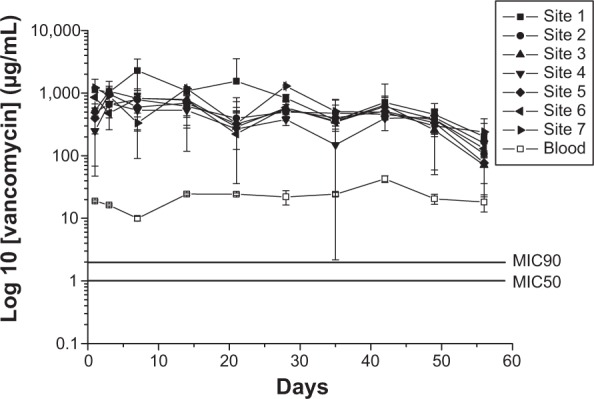
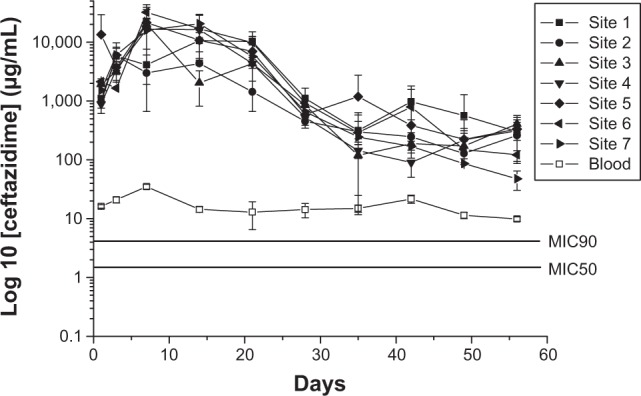
We developed biodegradable drug-eluting nanofiber-enveloped implants that provided sustained release of vancomycin and ceftazidime. To prepare the biodegradable nanofibrous membranes, poly(D,L)-lactide-co-glycolide and the antibiotics were first dissolved in 1,1,1,3,3,3-hexafluoro-2-propanol. They were electrospun into biodegradable drug-eluting membranes, which were then enveloped on the surface of stainless plates. An elution method and a high-performance liquid chromatography assay were employed to characterize the in vivo and in vitro release rates of the antibiotics from the nanofiber-enveloped plates. The results showed that the biodegradable nanofiber-enveloped plates released high concentrations of vancomycin and ceftazidime (well above the minimum inhibitory concentration) for more than 3 and 8 weeks in vitro and in vivo, respectively. A bacterial inhibition test was carried out to determine the relative activity of the released antibiotics. The bioactivity ranged from 25% to 100%. In addition, the serum creatinine level remained within the normal range, suggesting that the high vancomycin concentration did not affect renal function. By adopting the electrospinning technique, we will be able to manufacture biodegradable drug-eluting implants for the long-term drug delivery of different antibiotics.
我们研发了可生物降解的载药纳米纤维包裹植入物,其可实现万古霉素和头孢他啶的持续释放。为制备可生物降解的纳米纤维膜,首先将聚(D,L)-丙交酯-共-乙交酯和抗生素溶解于1,1,1,3,3,3-六氟-2-丙醇中。然后将它们静电纺丝成可生物降解的载药膜,接着将其包裹在不锈钢板表面。采用洗脱方法和高效液相色谱分析法来表征纳米纤维包裹板中抗生素的体内和体外释放速率。结果表明,可生物降解的纳米纤维包裹板在体外和体内分别能持续3周以上和8周以上释放高浓度的万古霉素和头孢他啶(远高于最低抑菌浓度)。进行了细菌抑制试验以确定释放抗生素的相对活性。生物活性范围为25%至100%。此外,血清肌酐水平保持在正常范围内,这表明高浓度的万古霉素并未影响肾功能。通过采用静电纺丝技术,我们将能够制造用于不同抗生素长期给药的可生物降解载药植入物。