Renton Tian, Tang Herman, Ennis Naomi, Cusimano Michael D, Bhalerao Shree, Schweizer Tom A, Topolovec-Vranic Jane
Trauma and Neurosurgery Program, St Michael's Hospital, Toronto, ON, Canada.
J Med Internet Res. 2014 Sep 23;16(9):e209. doi: 10.2196/jmir.3147.
Although depression is known to affect millions of people worldwide, individuals seeking aid from qualified health care professionals are faced with a number of barriers to treatment including a lack of treatment resources, limited number of qualified service providers, stigma associated with diagnosis and treatment, prolonged wait times, cost, and barriers to accessibility such as transportation and clinic locations. The delivery of depression interventions through the Internet may provide a practical solution to addressing some of these barriers.
The purpose of this scoping review was to answer the following questions: (1) What Web-delivered programs are currently available that offer an interactive treatment component for depression?, (2) What are the contents, accessibility, and usability of each identified program?, and (3) What tools, supports, and research evidence are available for each identified program?
Using the popular search engines Google, Yahoo, and Bing (Canadian platforms), two reviewers independently searched for interactive Web-based interventions targeting the treatment of depression. The Beacon website, an information portal for online health applications, was also consulted. For each identified program, accessibility, usability, tools, support, and research evidence were evaluated and programs were categorized as evidence-based versus non-evidence-based if they had been the subject of at least one randomized controlled trial. Programs were scored using a 28-point rating system, and evidence- versus non-evidence-based programs were compared and contrasted. Although this review included all programs meeting exclusion and inclusion criteria found using the described search method, only English language Web-delivered depression programs were awarded an evaluation score.
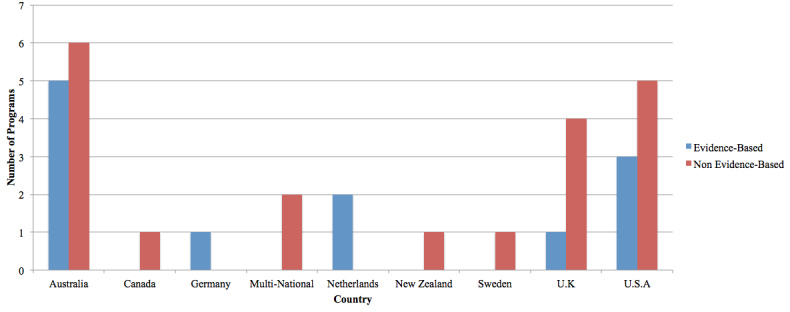
The review identified 32 programs meeting inclusion criteria. There was a great deal of variability among the programs captured in this evaluation. Many of the programs were developed for general adolescent or adult audiences, with few (n=2) focusing on special populations (eg, military personnel, older adults). Cognitive behavioral therapy was the most common therapeutic approach used in the programs described. Program interactive components included mood assessments and supplementary homework sheets such as activity planning and goal setting. Only 12 of the programs had published evidence in support of their efficacy and treatment of depressive symptoms.
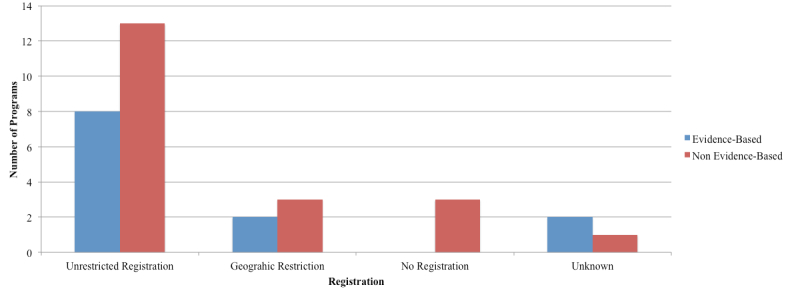
There are a number of interactive depression interventions available through the Internet. Recommendations for future programs, or the adaptation of existing programs include offering a greater selection of alternative languages, removing registration restrictions, free trial periods for programs requiring user fees, and amending programs to meet the needs of special populations (eg, those with cognitive and/or visual impairments). Furthermore, discussion of specific and relevant topics to the target audience while also enhancing overall user control would contribute to a more accessible intervention tool.
尽管抑郁症在全球影响着数百万人,但寻求合格医疗保健专业人员帮助的个体面临着诸多治疗障碍,包括治疗资源匮乏、合格服务提供者数量有限、与诊断和治疗相关的耻辱感、等待时间过长、费用以及交通和诊所位置等可及性障碍。通过互联网提供抑郁症干预措施可能为解决其中一些障碍提供切实可行的办法。
本范围综述的目的是回答以下问题:(1)目前有哪些通过网络提供的项目提供抑郁症的交互式治疗组件?(2)每个已识别项目的内容、可及性和可用性如何?(3)每个已识别项目有哪些工具、支持和研究证据?
使用流行的搜索引擎谷歌、雅虎和必应(加拿大平台),两名评审员独立搜索针对抑郁症治疗的基于网络的交互式干预措施。还查阅了在线健康应用信息门户Beacon网站。对于每个已识别项目,评估其可及性、可用性、工具、支持和研究证据,如果该项目是至少一项随机对照试验的主题,则将其分类为基于证据的或非基于证据的。使用28分评分系统对项目进行评分,并对基于证据和非基于证据的项目进行比较和对比。尽管本综述包括所有通过所述搜索方法找到的符合排除和纳入标准的项目,但仅对英语的基于网络的抑郁症项目进行评估评分。
该综述确定了32个符合纳入标准的项目。本次评估所涵盖的项目之间存在很大差异。许多项目是为一般青少年或成年受众开发的,很少有项目(n = 2)关注特殊人群(如军人、老年人)。认知行为疗法是所描述项目中最常用的治疗方法。项目的交互式组件包括情绪评估和补充作业表,如活动规划和目标设定。只有12个项目发表了支持其治疗抑郁症状疗效的证据。
通过互联网可获得许多交互式抑郁症干预措施。对未来项目或现有项目改编的建议包括提供更多替代语言选项、取消注册限制、对需要用户付费的项目提供免费试用期,以及修改项目以满足特殊人群(如认知和/或视力障碍者)的需求。此外,在讨论目标受众的特定相关主题时,同时增强整体用户控制,将有助于打造更易于使用的干预工具。