Casanova Joaquin J, O'Shaughnessy Susan A, Evett Steven R, Rush Charles M
University of Florida, Gainesville, FL 32611, USA.
USDA-ARS, P.O. Drawer 10, Bushland, TX 79012, USA.
Sensors (Basel). 2014 Sep 23;14(9):17753-69. doi: 10.3390/s140917753.
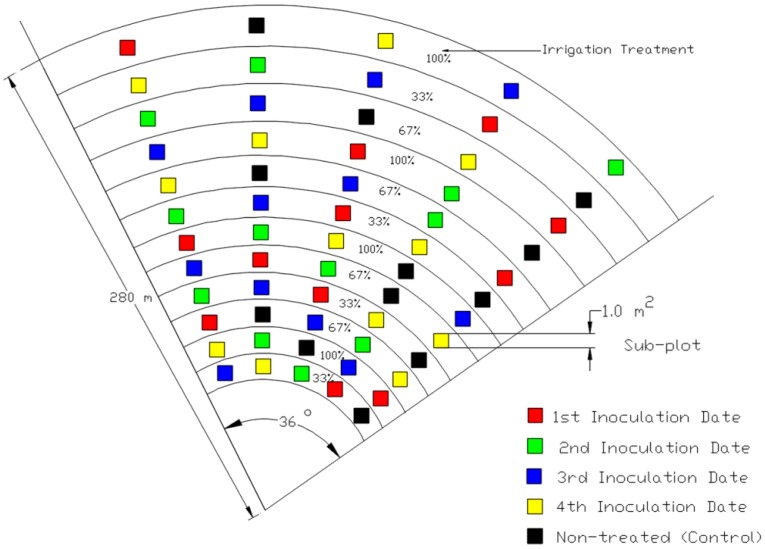
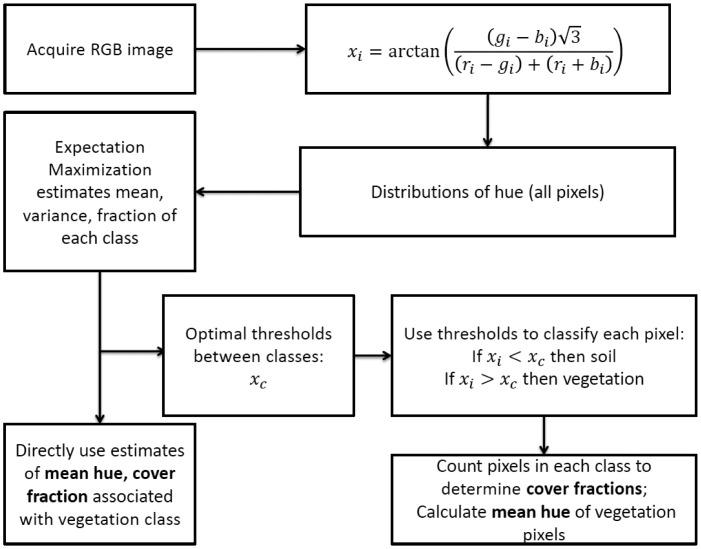
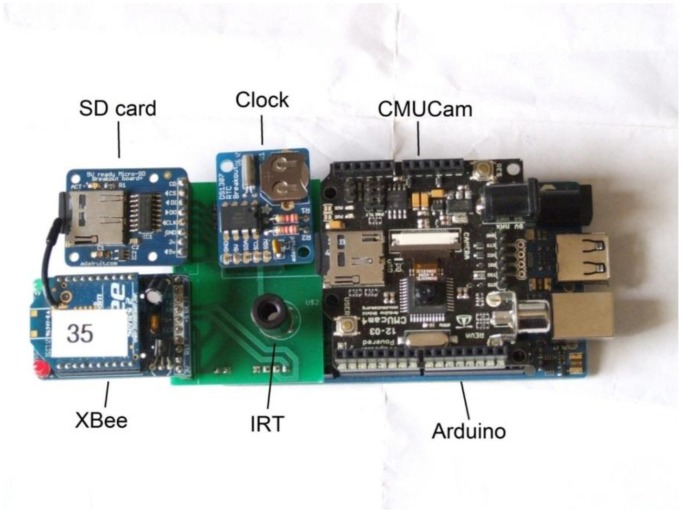
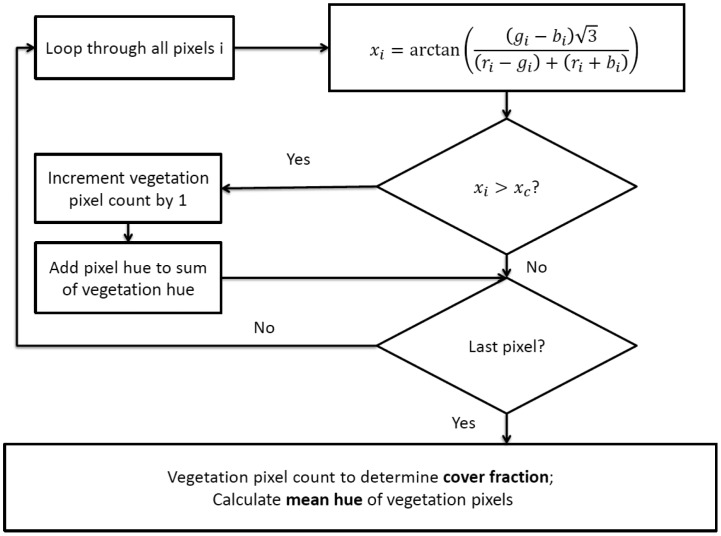
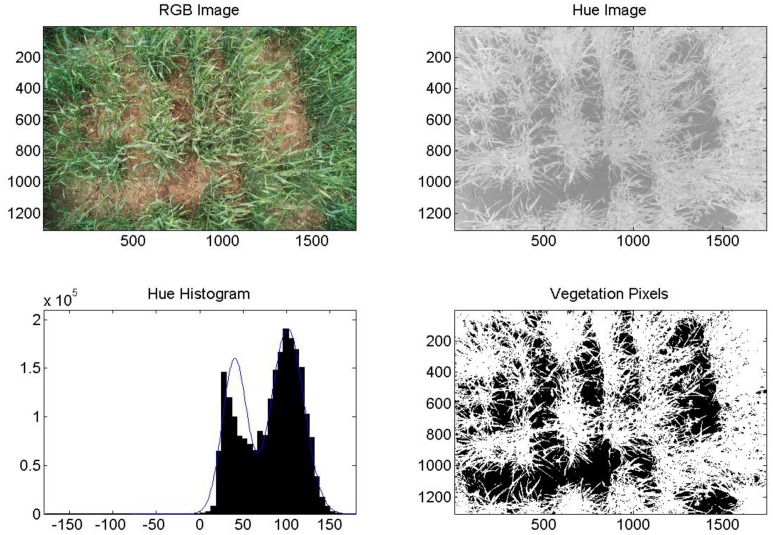
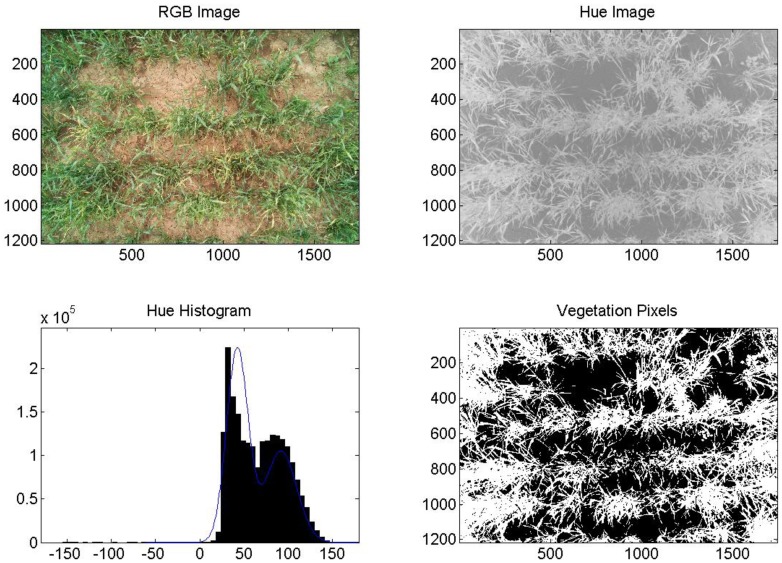
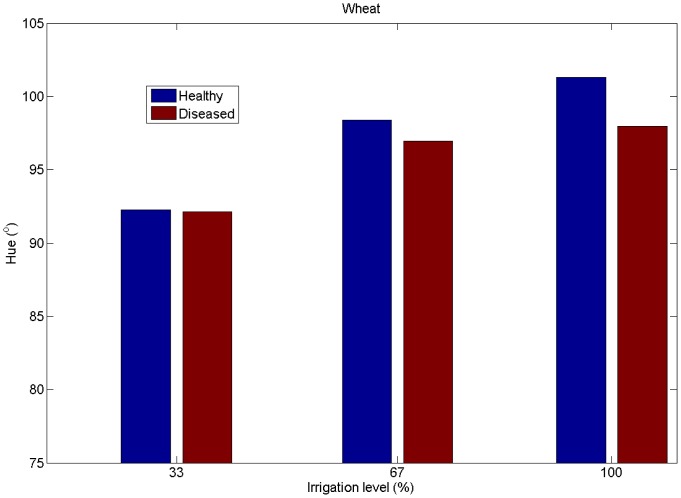
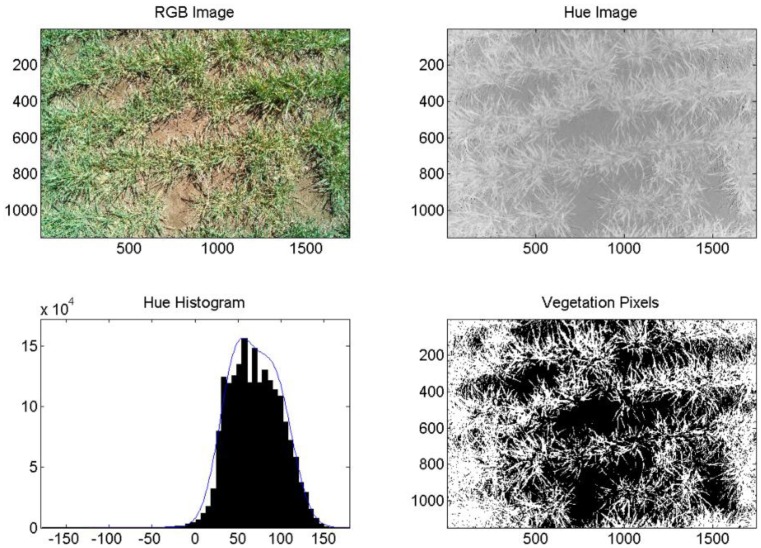
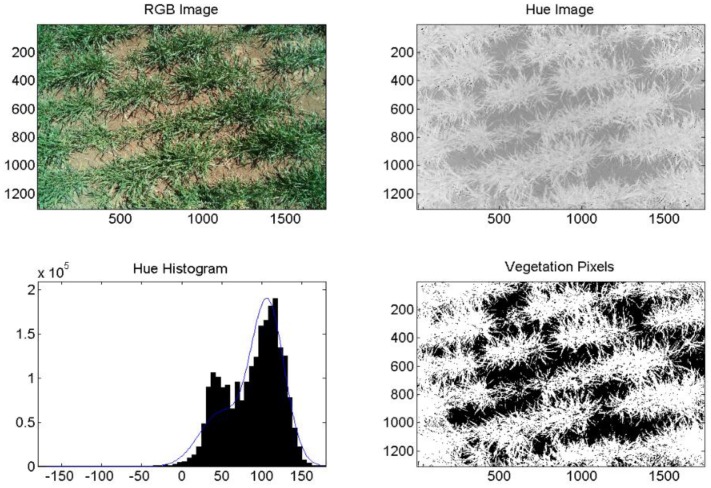
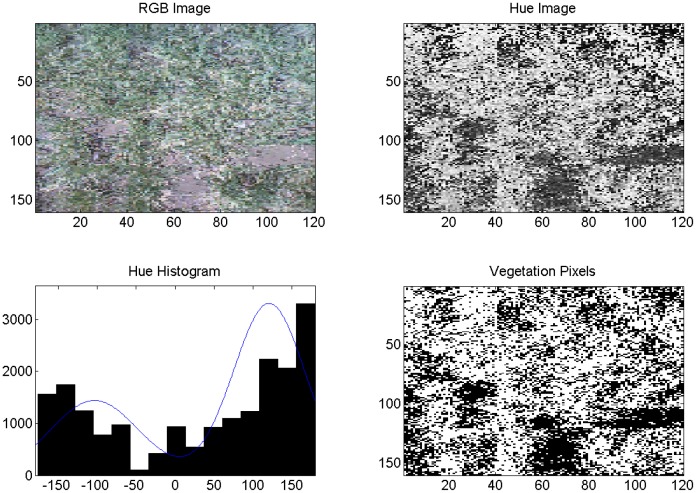
Knowledge of crop abiotic and biotic stress is important for optimal irrigation management. While spectral reflectance and infrared thermometry provide a means to quantify crop stress remotely, these measurements can be cumbersome. Computer vision offers an inexpensive way to remotely detect crop stress independent of vegetation cover. This paper presents a technique using computer vision to detect disease stress in wheat. Digital images of differentially stressed wheat were segmented into soil and vegetation pixels using expectation maximization (EM). In the first season, the algorithm to segment vegetation from soil and distinguish between healthy and stressed wheat was developed and tested using digital images taken in the field and later processed on a desktop computer. In the second season, a wireless camera with near real-time computer vision capabilities was tested in conjunction with the conventional camera and desktop computer. For wheat irrigated at different levels and inoculated with wheat streak mosaic virus (WSMV), vegetation hue determined by the EM algorithm showed significant effects from irrigation level and infection. Unstressed wheat had a higher hue (118.32) than stressed wheat (111.34). In the second season, the hue and cover measured by the wireless computer vision sensor showed significant effects from infection (p = 0.0014), as did the conventional camera (p < 0.0001). Vegetation hue obtained through a wireless computer vision system in this study is a viable option for determining biotic crop stress in irrigation scheduling. Such a low-cost system could be suitable for use in the field in automated irrigation scheduling applications.
了解作物的非生物和生物胁迫对于优化灌溉管理至关重要。虽然光谱反射率和红外测温法提供了一种远程量化作物胁迫的方法,但这些测量可能很繁琐。计算机视觉提供了一种独立于植被覆盖远程检测作物胁迫的低成本方法。本文提出了一种利用计算机视觉检测小麦病害胁迫的技术。使用期望最大化(EM)算法将不同胁迫程度的小麦数字图像分割为土壤和植被像素。在第一季,开发了从土壤中分割植被并区分健康小麦和胁迫小麦的算法,并使用现场拍摄并随后在台式计算机上处理的数字图像进行了测试。在第二季,结合传统相机和台式计算机对具有近实时计算机视觉功能的无线相机进行了测试。对于不同灌溉水平并接种小麦条纹花叶病毒(WSMV)的小麦,由EM算法确定的植被色调显示出灌溉水平和感染的显著影响。未受胁迫的小麦比受胁迫的小麦具有更高的色调(118.32)(111.34)。在第二季,无线计算机视觉传感器测量的色调和覆盖率显示出感染的显著影响(p = 0.0014),传统相机也是如此(p < 0.0001)。本研究中通过无线计算机视觉系统获得的植被色调是在灌溉调度中确定生物作物胁迫的可行选择。这种低成本系统可能适用于田间自动灌溉调度应用。