Hawasli Ammar H, Chicoine Michael R, Dacey Ralph G
Department of Neurosurgery, Washington University School of Medicine, St. Louis, Missouri.
Neurosurgery. 2015 Jan;76(1):1-5; quiz 6. doi: 10.1227/NEU.0000000000000560.
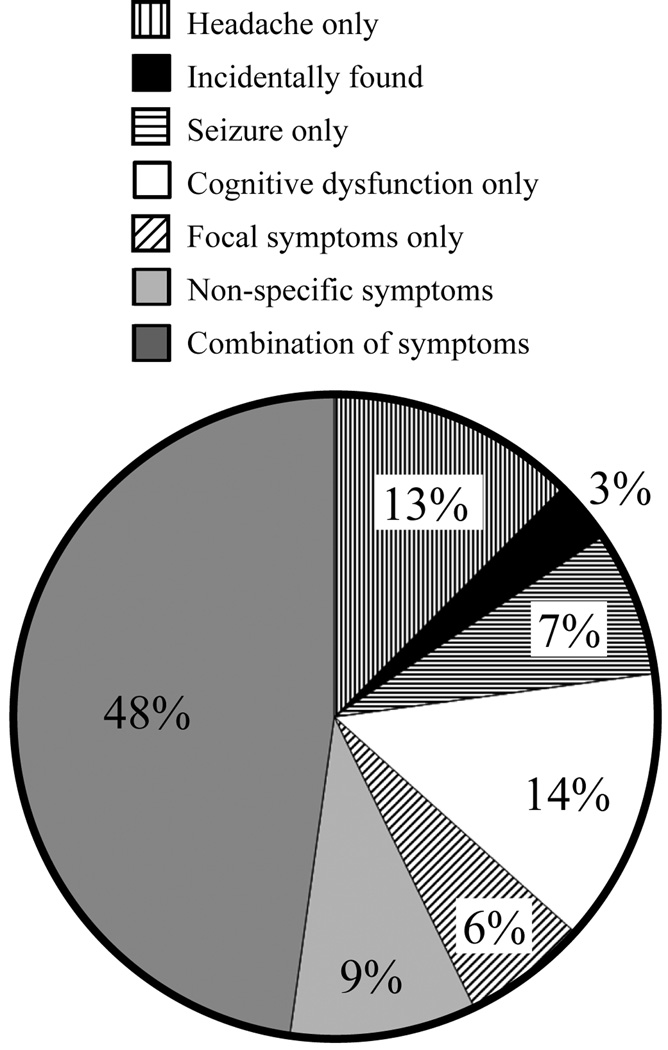
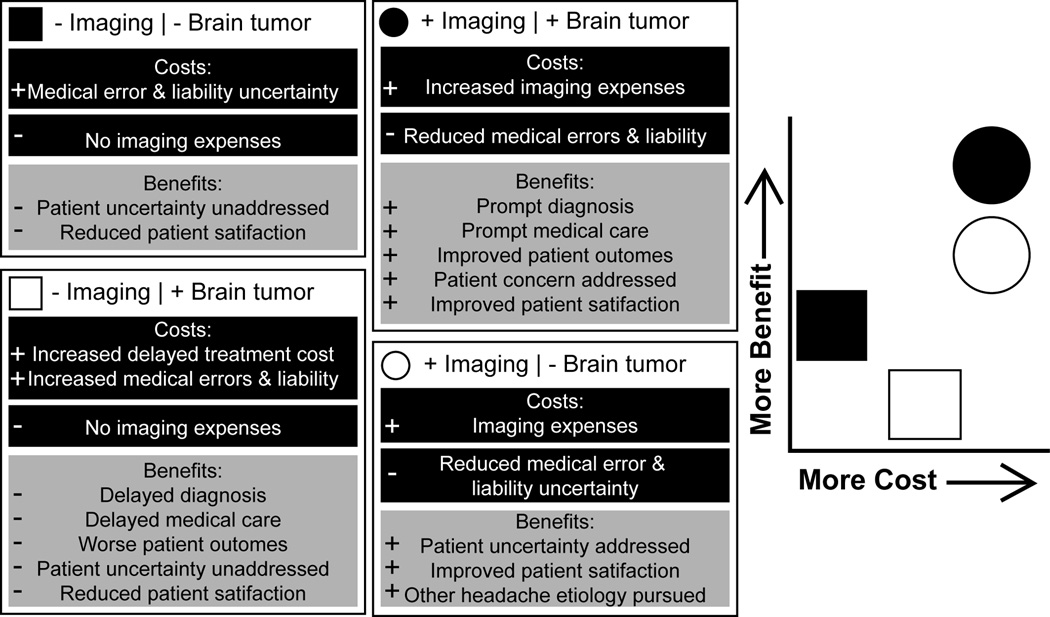
Multiple national initiatives seek to curb spending to address increasing healthcare costs in the United States. The Choosing Wisely initiative is a popular initiative that focuses on reducing healthcare spending by setting guidelines to limit tests and procedures requested by patients and ordered by physicians. To reduce spending on neuroimaging, the Choosing Wisely initiative and other organizations have offered guidelines to limit neuroimaging for headaches. Although the intentions are laudable, these guidelines are inconsistent with the neurosurgeon's experience with patients with brain tumor. If adopted by governing or funding organizations, these guidelines threaten to negatively affect the care and outcomes of patients with brain tumors, who frequently present with minimal symptoms or isolated headaches syndromes. As physicians grapple with the difficult conflict between evidence-based cost-cutting guidelines and individualized patient-tailored medicine, they must carefully balance the costs and benefits of discretionary services such as neuroimaging for headaches. By participating in the development of validated clinical decision rules on neuroimaging for headaches, neurosurgeons can advocate for their patients and improve their patients' outcomes.
多项全国性举措旨在控制开支,以应对美国不断上涨的医疗成本。“明智选择”倡议是一项广受欢迎的举措,其重点是通过制定指导方针来限制患者要求和医生开具的检查及程序,从而减少医疗开支。为了减少神经影像学方面的支出,“明智选择”倡议及其他组织已提供指导方针,以限制针对头痛进行的神经影像学检查。尽管其意图值得称赞,但这些指导方针与神经外科医生对脑肿瘤患者的治疗经验并不一致。如果被管理或资助机构采纳,这些指导方针可能会对脑肿瘤患者的护理和治疗结果产生负面影响,因为脑肿瘤患者常常症状轻微或仅有孤立的头痛综合征。当医生在基于证据的成本削减指导方针与个体化的患者定制医疗之间艰难权衡时,他们必须仔细平衡诸如针对头痛进行神经影像学检查等 discretionary 服务的成本和收益。通过参与制定关于头痛神经影像学检查的经过验证的临床决策规则,神经外科医生可以为患者发声并改善患者的治疗结果。