Tosches Maria Antonietta, Bucher Daniel, Vopalensky Pavel, Arendt Detlev
European Molecular Biology Laboratory, Developmental Biology Unit, Meyerhofstrasse 1, 69117 Heidelberg, Germany.
European Molecular Biology Laboratory, Developmental Biology Unit, Meyerhofstrasse 1, 69117 Heidelberg, Germany; Centre for Organismal Studies (COS), University of Heidelberg, 69120 Heidelberg, Germany.
Cell. 2014 Sep 25;159(1):46-57. doi: 10.1016/j.cell.2014.07.042.
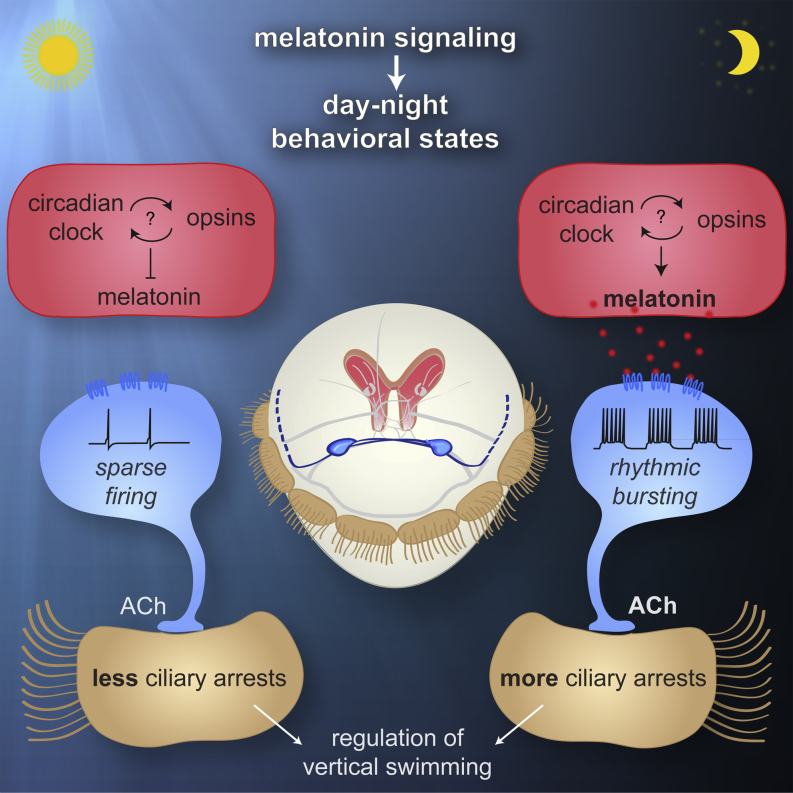
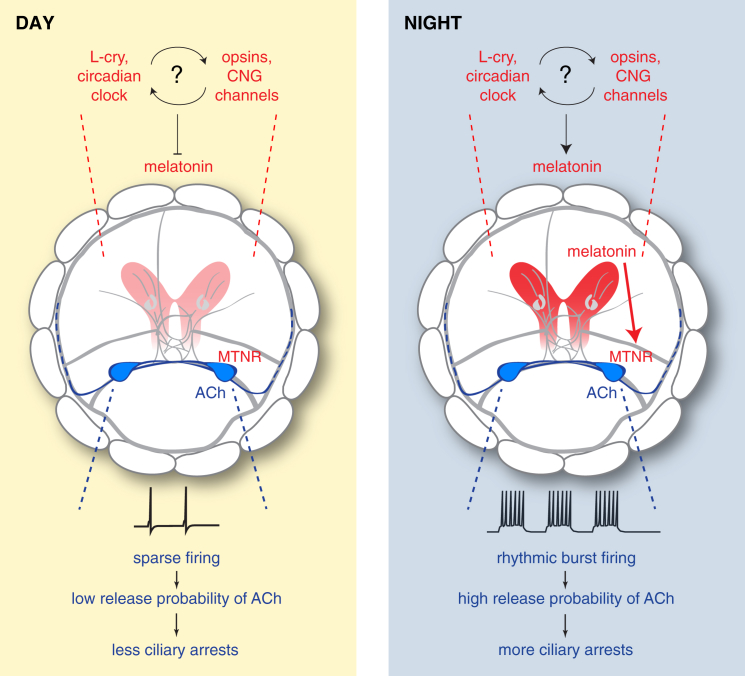
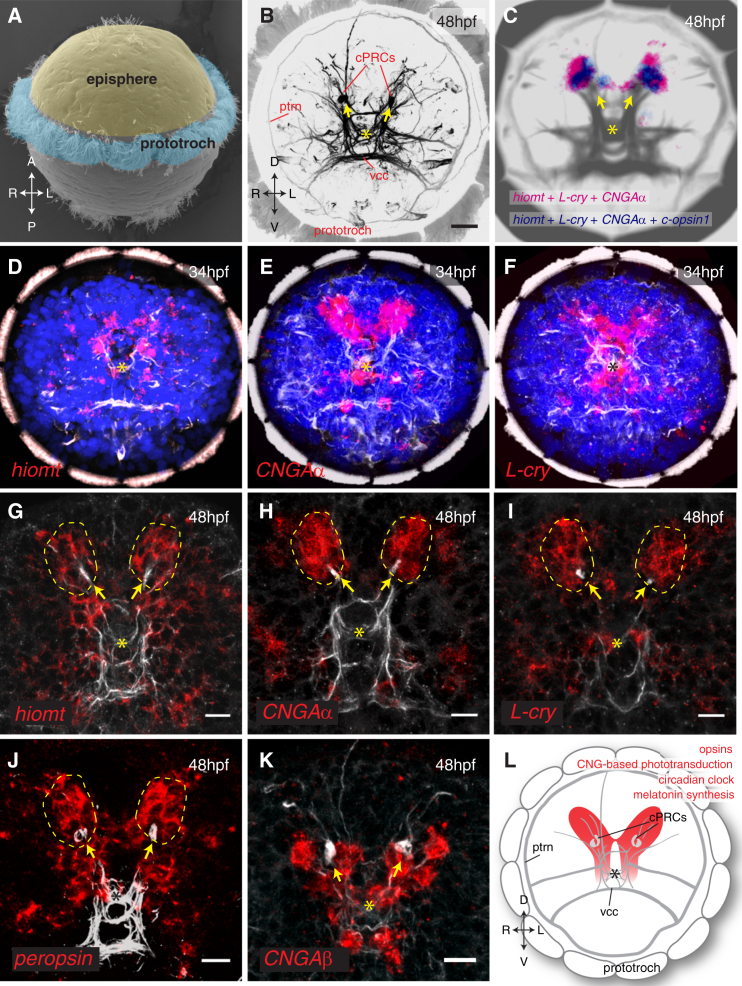
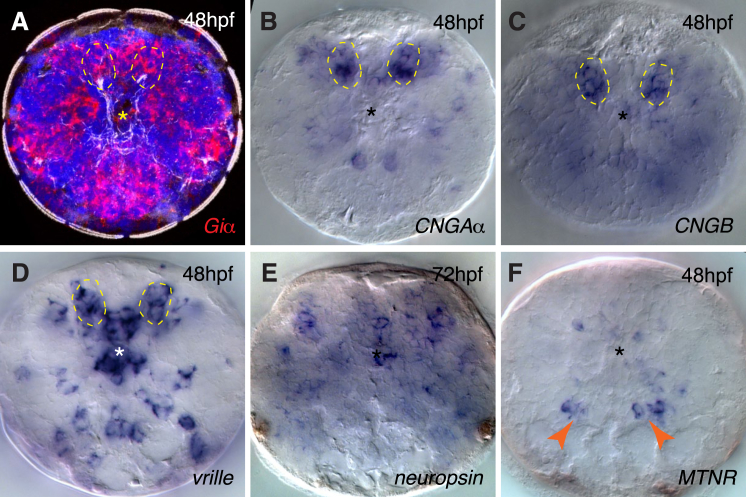
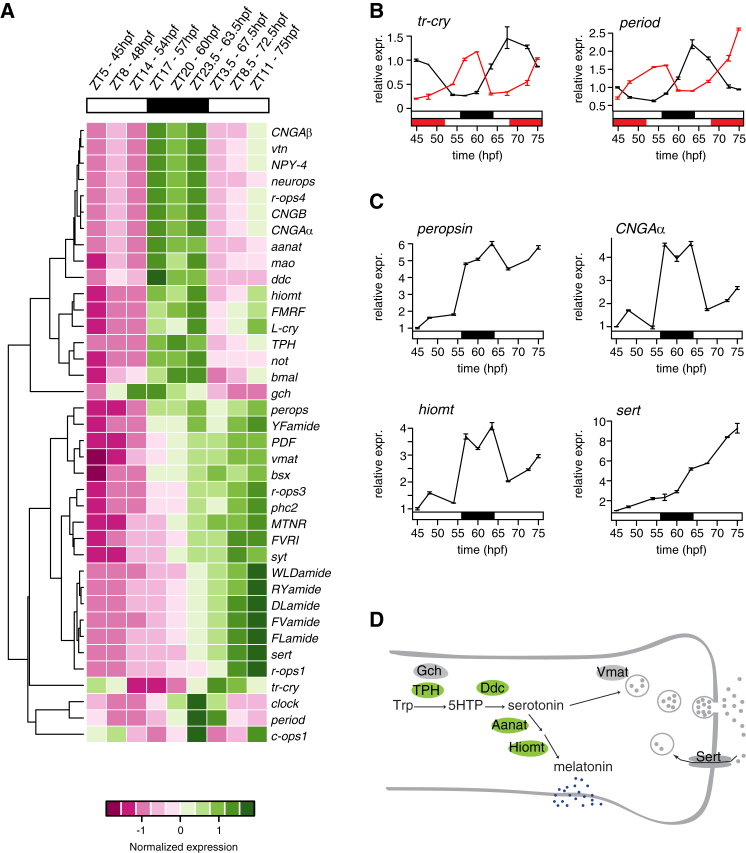
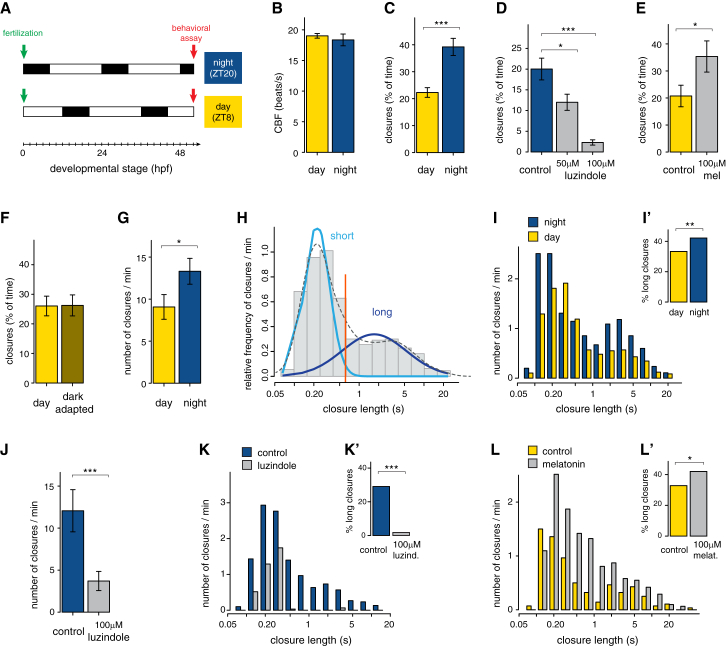
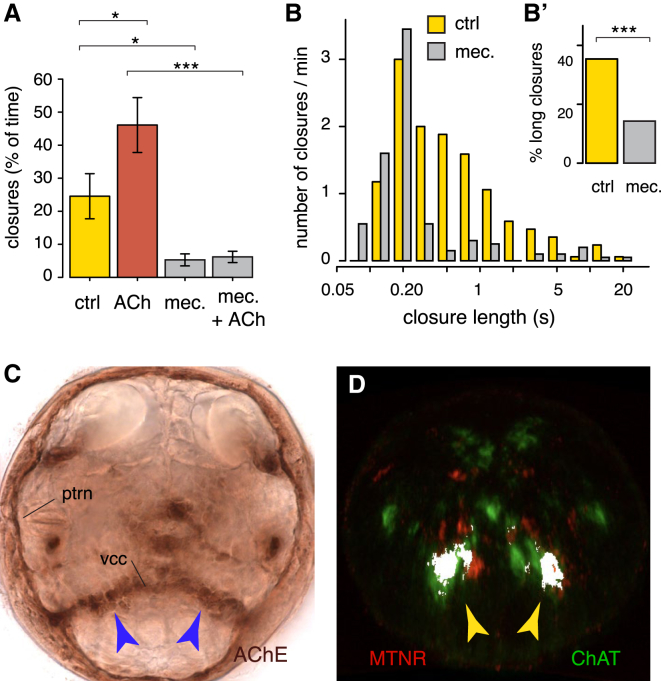
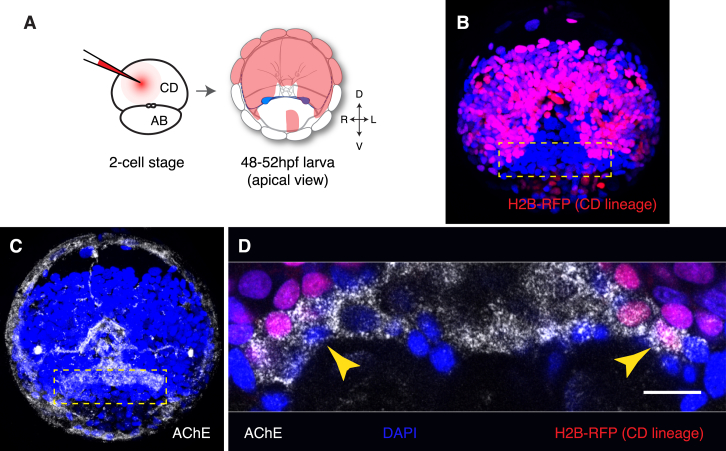
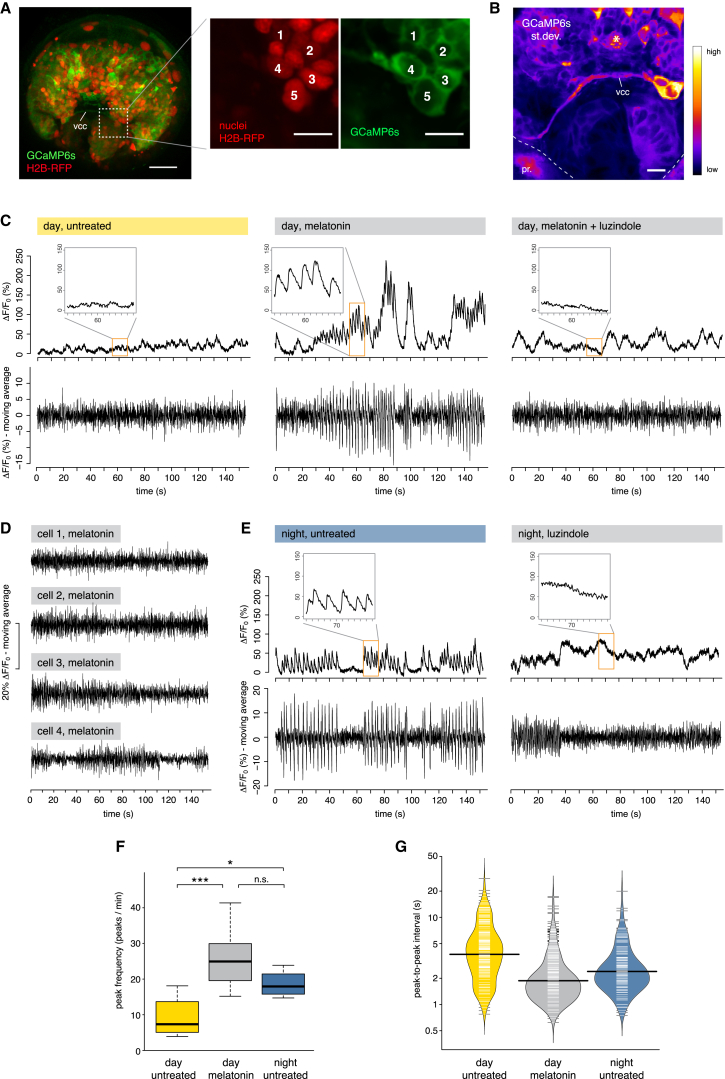
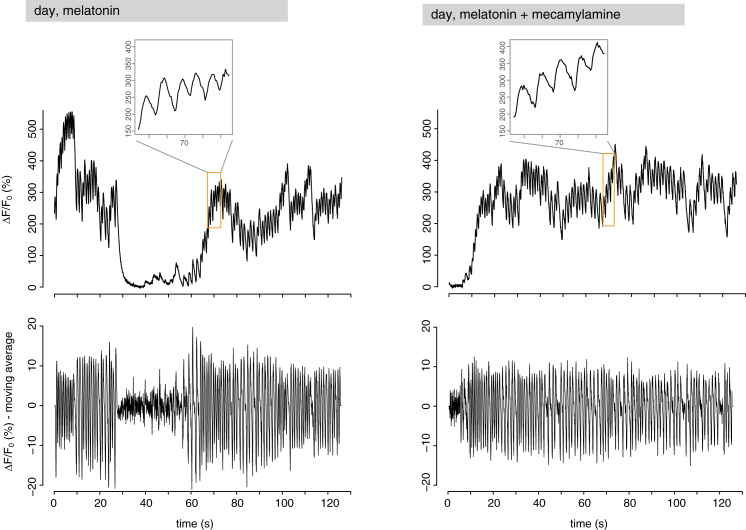
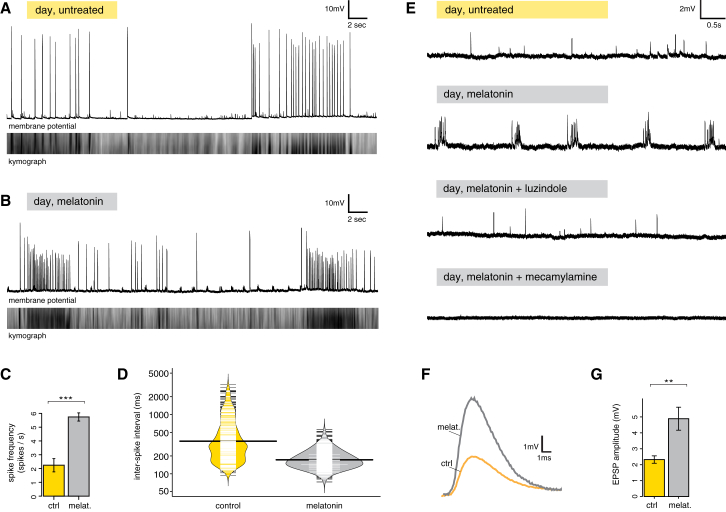
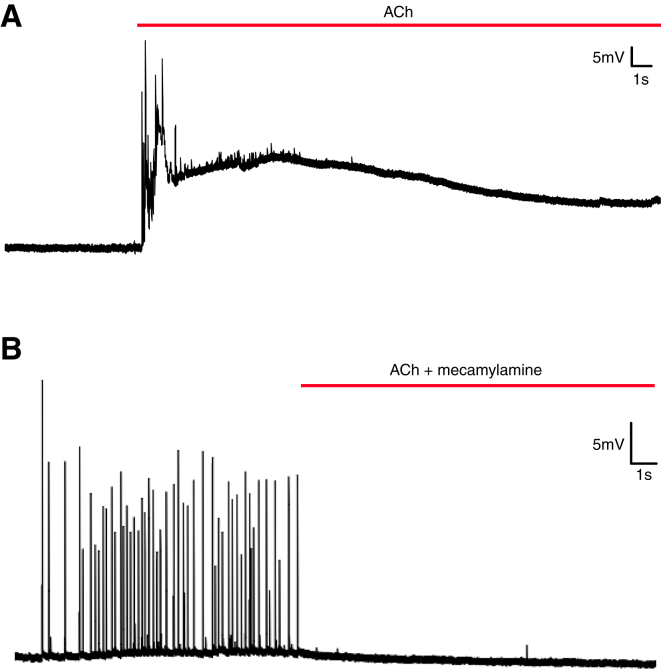
Melatonin, the "hormone of darkness," is a key regulator of vertebrate circadian physiology and behavior. Despite its ubiquitous presence in Metazoa, the function of melatonin signaling outside vertebrates is poorly understood. Here, we investigate the effect of melatonin signaling on circadian swimming behavior in a zooplankton model, the marine annelid Platynereis dumerilii. We find that melatonin is produced in brain photoreceptors with a vertebrate-type opsin-based phototransduction cascade and a light-entrained clock. Melatonin released at night induces rhythmic burst firing of cholinergic neurons that innervate locomotor-ciliated cells. This establishes a nocturnal behavioral state by modulating the length and the frequency of ciliary arrests. Based on our findings, we propose that melatonin signaling plays a role in the circadian control of ciliary swimming to adjust the vertical position of zooplankton in response to ambient light.
褪黑素,即“黑暗激素”,是脊椎动物昼夜生理和行为的关键调节因子。尽管褪黑素在后生动物中普遍存在,但脊椎动物以外的褪黑素信号传导功能却鲜为人知。在此,我们研究了褪黑素信号传导对浮游动物模型——海洋环节动物多毛纲小头虫昼夜节律游泳行为的影响。我们发现,褪黑素是在具有基于脊椎动物型视蛋白的光转导级联和光调节时钟的脑光感受器中产生的。夜间释放的褪黑素会诱导支配运动纤毛细胞的胆碱能神经元产生节律性爆发放电。这通过调节纤毛停止的时长和频率建立了夜间行为状态。基于我们的发现,我们提出褪黑素信号传导在纤毛游泳的昼夜控制中发挥作用,以响应环境光来调节浮游动物的垂直位置。