Srivastava Nishi, Kollipara Rahul K, Singh Dinesh K, Sudderth Jessica, Hu Zeping, Nguyen Hien, Wang Shan, Humphries Caroline G, Carstens Ryan, Huffman Kenneth E, DeBerardinis Ralph J, Kittler Ralf
Eugene McDermott Center for Human Growth and Development, The University of Texas Southwestern Medical Center, Dallas, TX 75390, USA.
Children's Medical Center Research Institute, The University of Texas Southwestern Medical Center, Dallas, TX 75390, USA.
Cell Metab. 2014 Oct 7;20(4):650-61. doi: 10.1016/j.cmet.2014.08.003. Epub 2014 Sep 25.
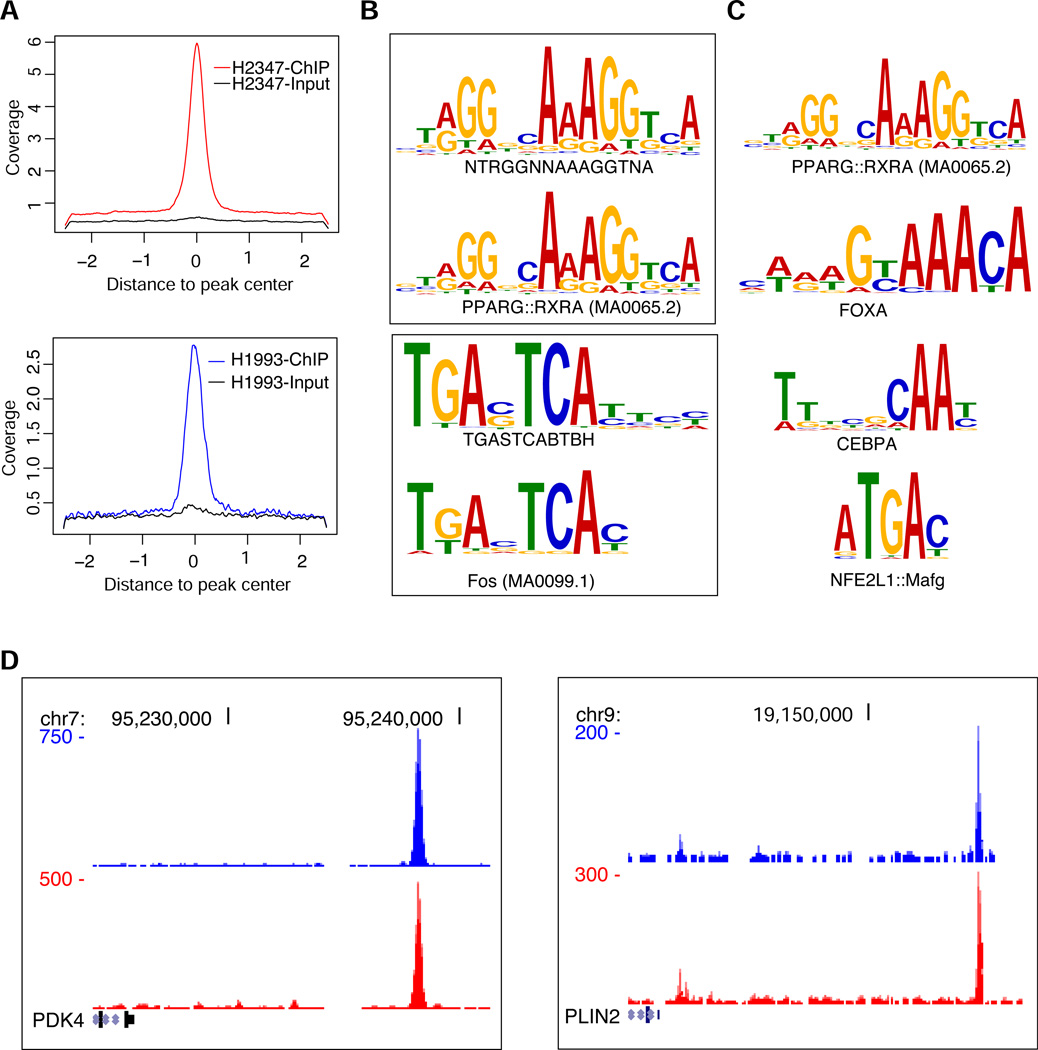
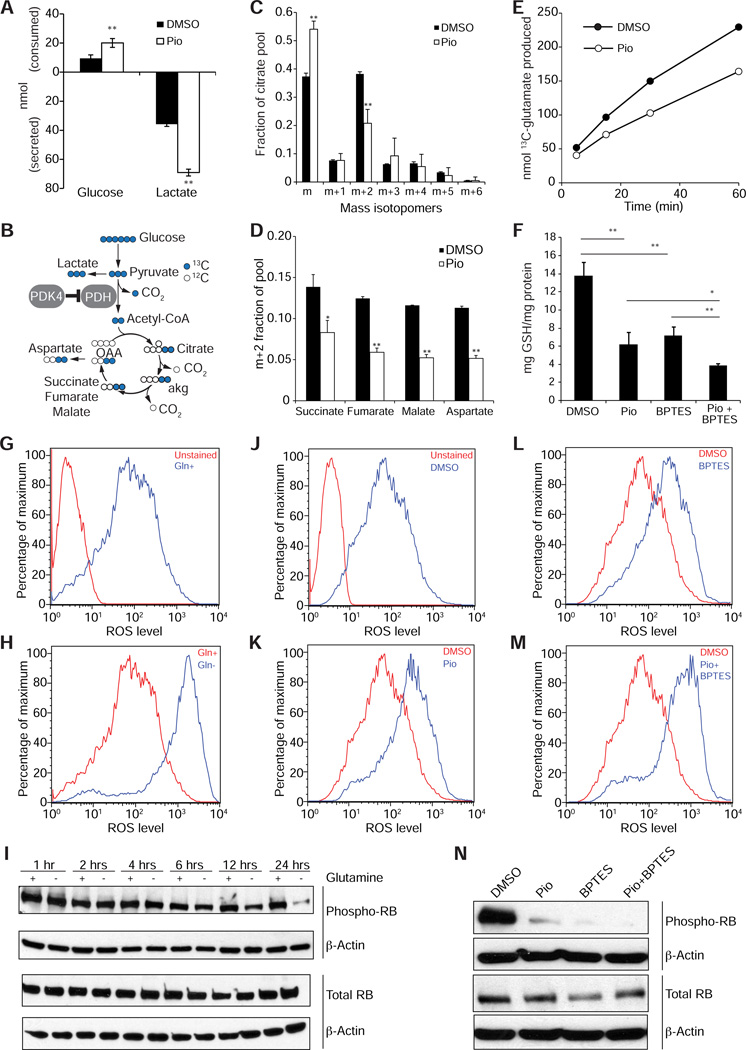
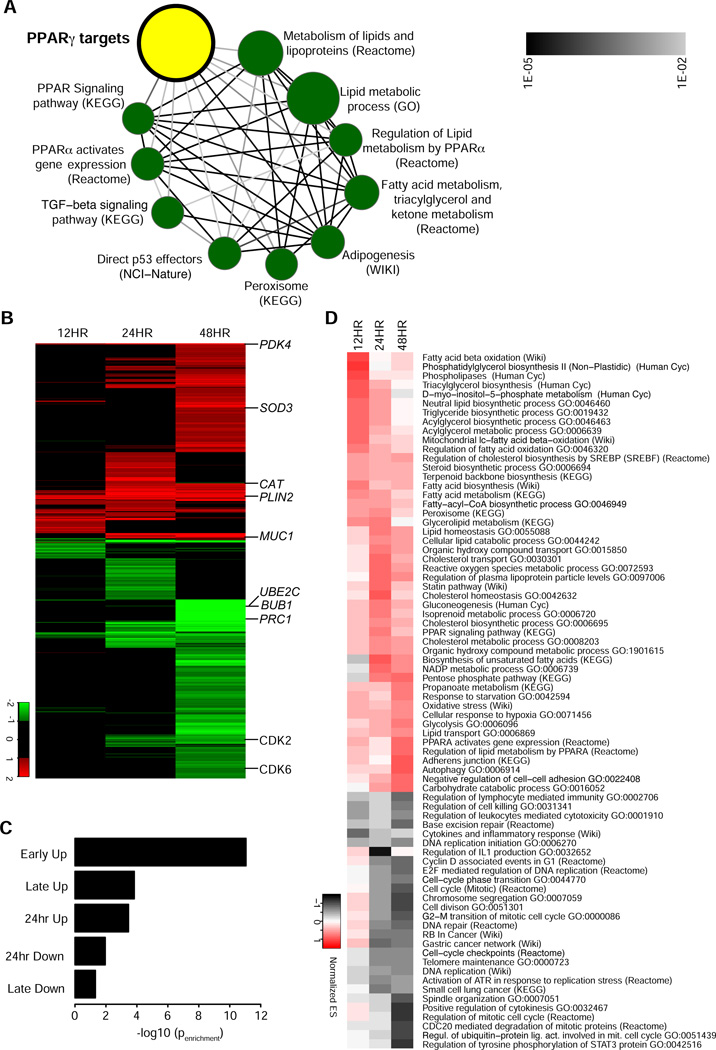
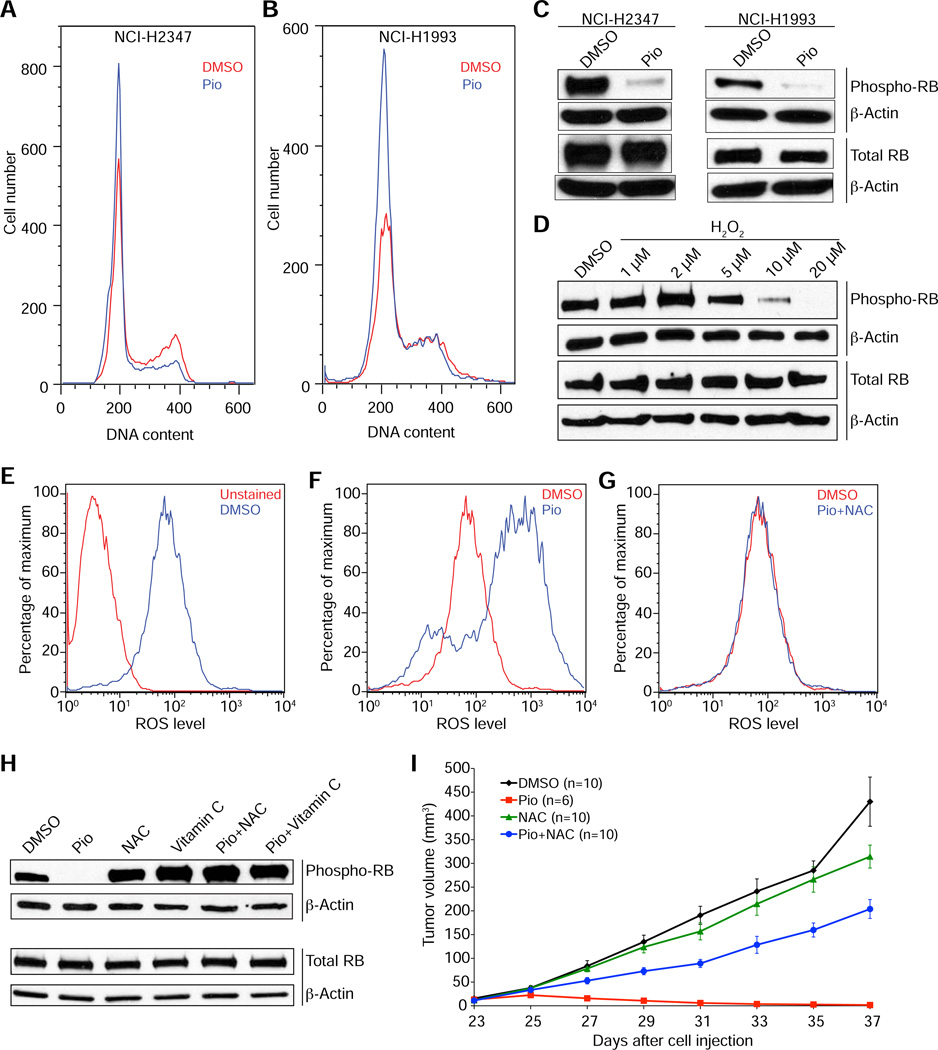
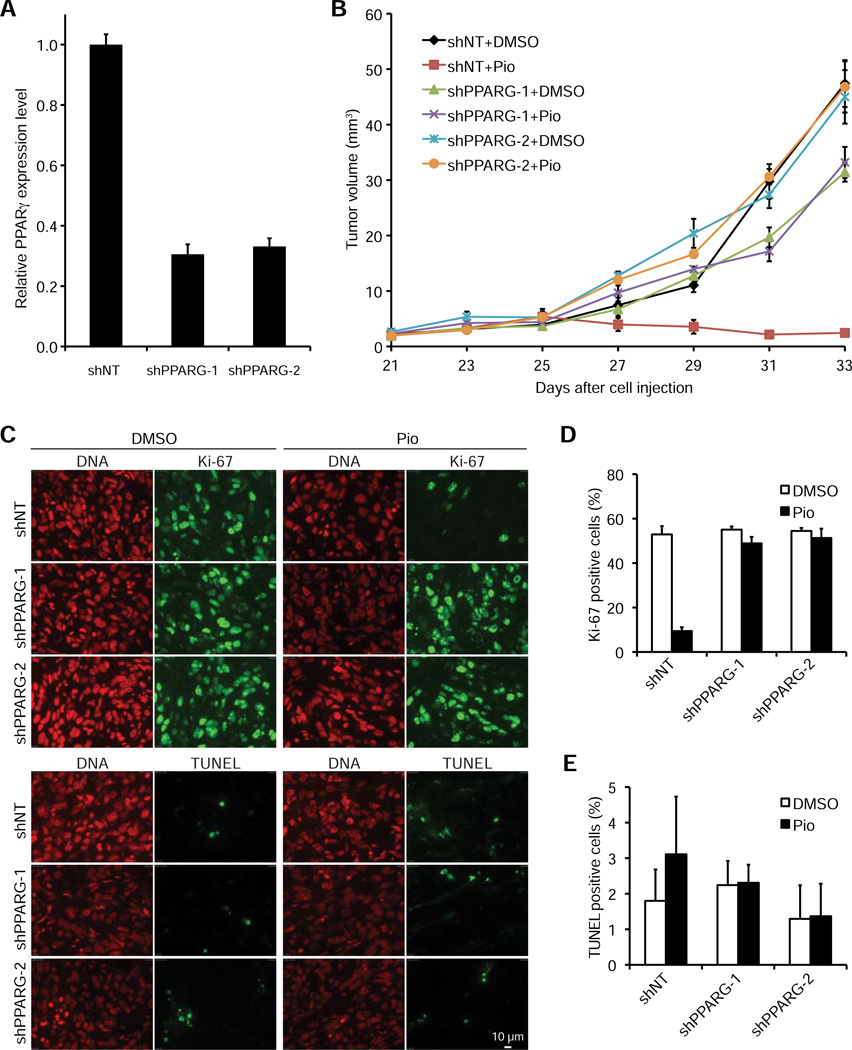
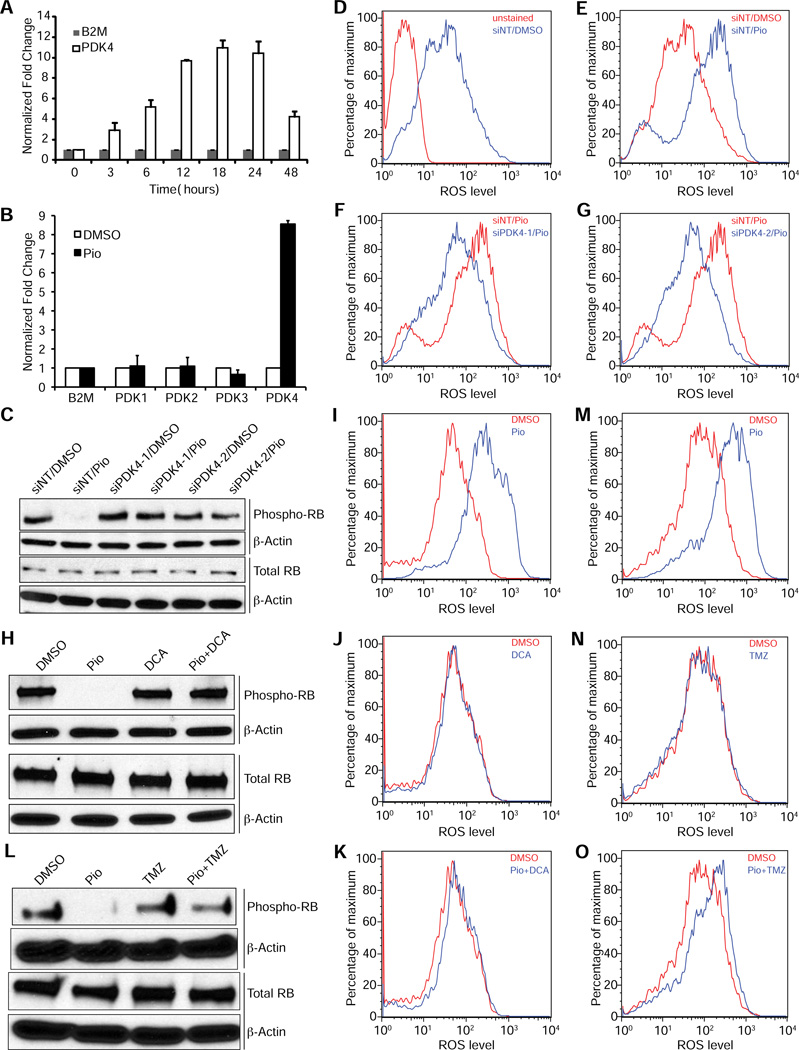
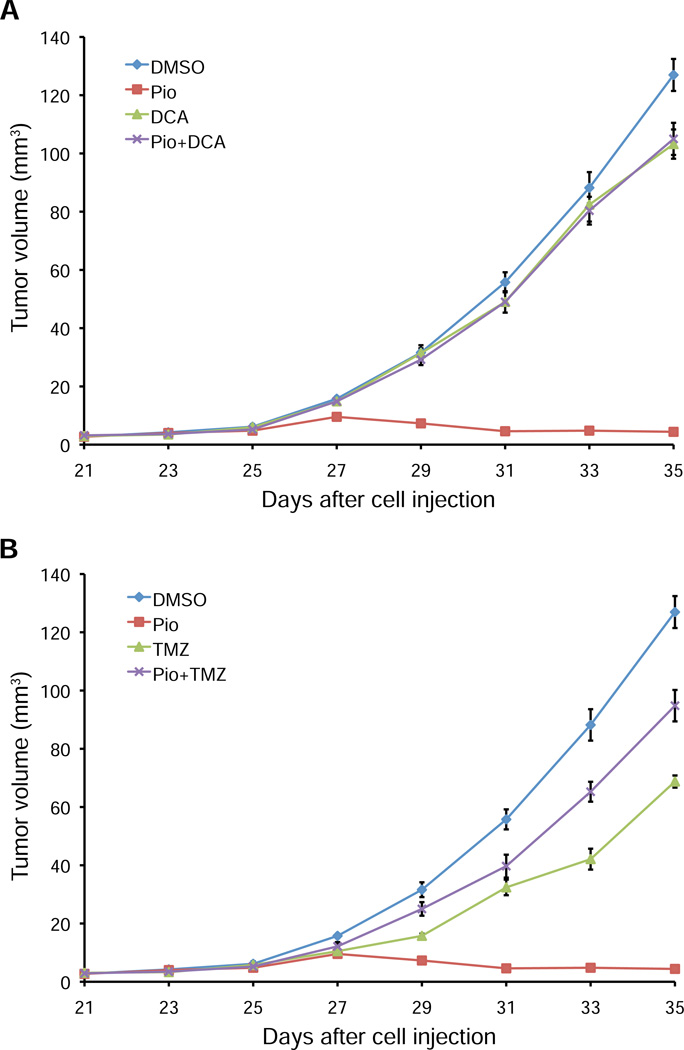
The nuclear receptor peroxisome-proliferation-activated receptor gamma (PPARγ), a transcriptional master regulator of glucose and lipid metabolism, inhibits the growth of several common cancers, including lung cancer. In this study, we show that the mechanism by which activation of PPARγ inhibits proliferation of lung cancer cells is based on metabolic changes. We found that treatment with the PPARγ agonist pioglitazone triggers a metabolic switch that inhibits pyruvate oxidation and reduces glutathione levels. These PPARγ-induced metabolic changes result in a marked increase of reactive oxygen species (ROS) levels that lead to rapid hypophosphorylation of retinoblastoma protein (RB) and cell-cycle arrest. The antiproliferative effect of PPARγ activation can be prevented by suppressing pyruvate dehydrogenase kinase 4 (PDK4) or β-oxidation of fatty acids in vitro and in vivo. Our proposed mechanism also suggests that metabolic changes can rapidly and directly inhibit cell-cycle progression of cancer cells by altering ROS levels.
核受体过氧化物酶体增殖物激活受体γ(PPARγ)是葡萄糖和脂质代谢的主要转录调节因子,可抑制包括肺癌在内的几种常见癌症的生长。在本研究中,我们表明PPARγ激活抑制肺癌细胞增殖的机制基于代谢变化。我们发现,用PPARγ激动剂吡格列酮处理会引发代谢转换,抑制丙酮酸氧化并降低谷胱甘肽水平。这些由PPARγ诱导的代谢变化导致活性氧(ROS)水平显著升高,从而导致视网膜母细胞瘤蛋白(RB)迅速去磷酸化并使细胞周期停滞。在体外和体内抑制丙酮酸脱氢酶激酶4(PDK4)或脂肪酸的β氧化可阻止PPARγ激活的抗增殖作用。我们提出的机制还表明,代谢变化可通过改变ROS水平迅速直接抑制癌细胞的细胞周期进程。