Tenin Gennadiy, Clowes Christopher, Wolton Kathryn, Krejci Eliska, Wright Jayne A, Lovell Simon C, Sedmera David, Hentges Kathryn E
Faculty of Life Sciences, University of Manchester, Manchester, United Kingdom.
Institute of Anatomy, First Faculty of Medicine, Charles University, Prague, and Institute of Physiology, Academy of Sciences of the Czech Republic, Prague, Czech Republic.
PLoS One. 2014 Sep 30;9(9):e107041. doi: 10.1371/journal.pone.0107041. eCollection 2014.
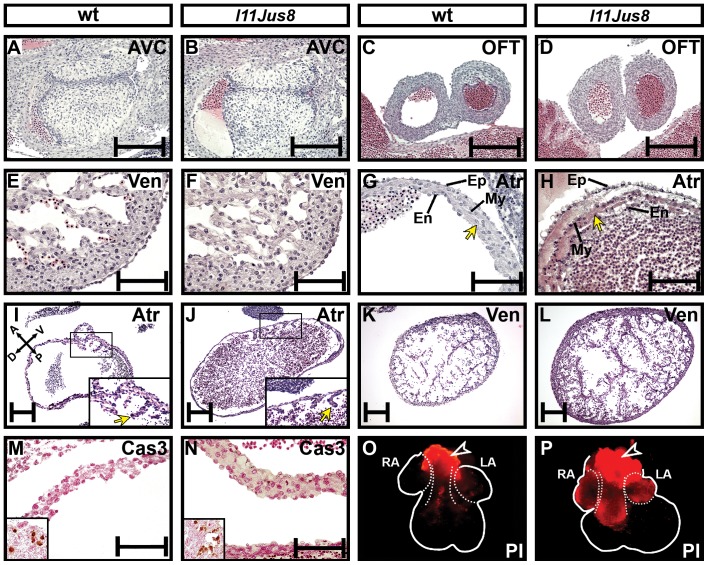
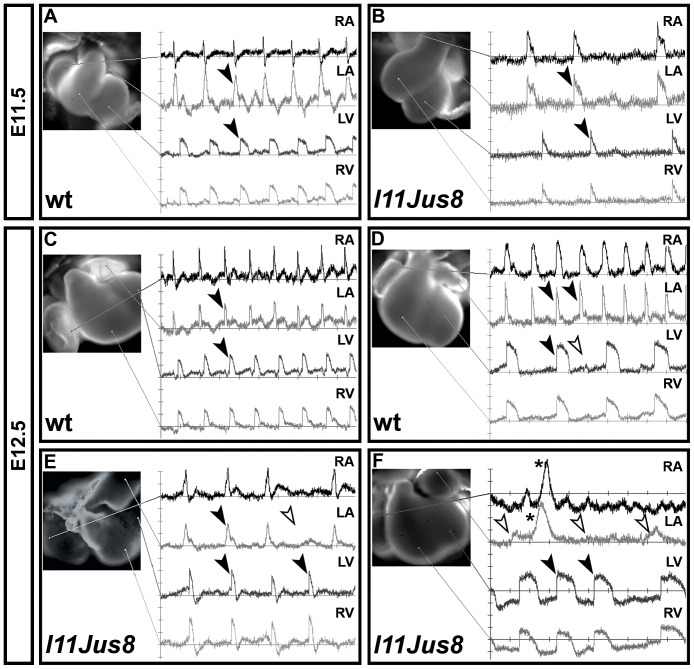
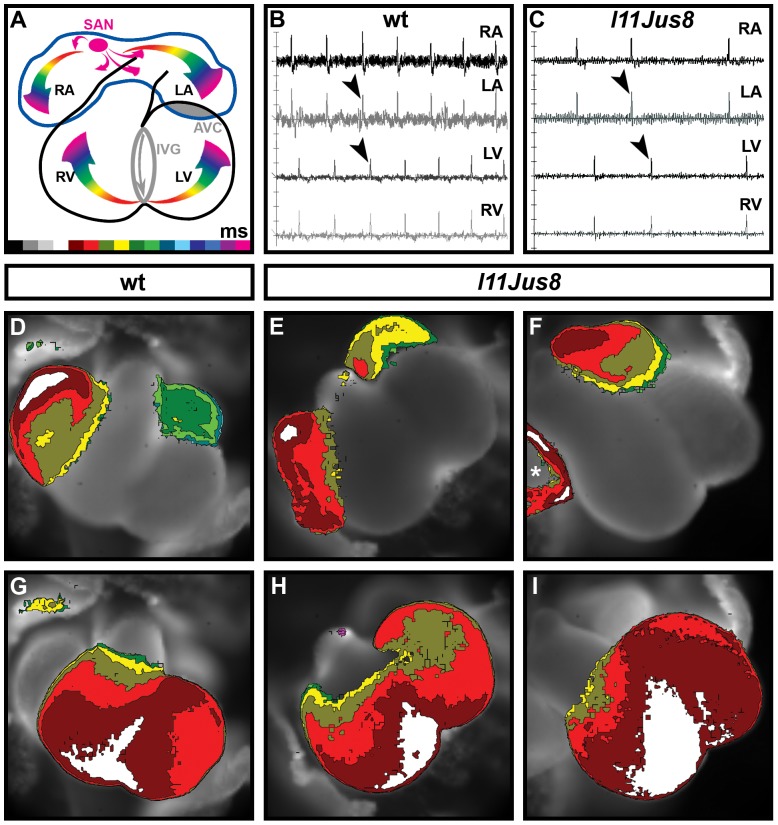
The heart is the first organ required to function during embryonic development and is absolutely necessary for embryo survival. Cardiac activity is dependent on both the sinoatrial node (SAN), which is the pacemaker of heart's electrical activity, and the cardiac conduction system which transduces the electrical signal though the heart tissue, leading to heart muscle contractions. Defects in the development of cardiac electrical function may lead to severe heart disorders. The Erbb2 (Epidermal Growth Factor Receptor 2) gene encodes a member of the EGF receptor family of receptor tyrosine kinases. The Erbb2 receptor lacks ligand-binding activity but forms heterodimers with other EGF receptors, stabilising their ligand binding and enhancing kinase-mediated activation of downstream signalling pathways. Erbb2 is absolutely necessary in normal embryonic development and homozygous mouse knock-out Erbb2 embryos die at embryonic day (E)10.5 due to severe cardiac defects. We have isolated a mouse line, l11Jus8, from a random chemical mutagenesis screen, which carries a hypomorphic missense mutation in the Erbb2 gene. Homozygous mutant embryos exhibit embryonic lethality by E12.5-13. The l11Jus8 mutants display cardiac haemorrhage and a failure of atrial function due to defects in atrial electrical signal propagation, leading to an atrial-specific conduction block, which does not affect ventricular conduction. The l11Jus8 mutant phenotype is distinct from those reported for Erbb2 knockout mouse mutants. Thus, the l11Jus8 mouse reveals a novel function of Erbb2 during atrial conduction system development, which when disrupted causes death at mid-gestation.
心脏是胚胎发育过程中首个开始发挥功能的器官,也是胚胎存活所绝对必需的。心脏活动依赖于窦房结(SAN),它是心脏电活动的起搏器,还依赖于心脏传导系统,该系统将电信号传导至心脏组织,导致心肌收缩。心脏电功能发育缺陷可能导致严重的心脏疾病。Erbb2(表皮生长因子受体2)基因编码受体酪氨酸激酶的表皮生长因子受体家族的一个成员。Erbb2受体缺乏配体结合活性,但能与其他表皮生长因子受体形成异二聚体,稳定它们的配体结合并增强激酶介导的下游信号通路激活。Erbb2在正常胚胎发育中是绝对必需的,纯合敲除Erbb2基因的小鼠胚胎在胚胎期(E)10.5时因严重的心脏缺陷而死亡。我们从一个随机化学诱变筛选中分离出一个小鼠品系l11Jus8,它在Erbb2基因中携带一个低表达错义突变。纯合突变胚胎在E12.5 - 13时表现出胚胎致死性。l11Jus8突变体表现出心脏出血以及由于心房电信号传导缺陷导致的心房功能衰竭,从而导致心房特异性传导阻滞,这并不影响心室传导。l11Jus8突变体表型与报道的Erbb2基因敲除小鼠突变体不同。因此,l11Jus8小鼠揭示了Erbb2在心房传导系统发育过程中的一种新功能,该功能被破坏时会导致妊娠中期死亡。