Bukong Terence N, Momen-Heravi Fatemeh, Kodys Karen, Bala Shashi, Szabo Gyongyi
Department of Medicine, University of Massachusetts Medical School, Worcester, Massachusetts, United States of America.
PLoS Pathog. 2014 Oct 2;10(10):e1004424. doi: 10.1371/journal.ppat.1004424. eCollection 2014 Oct.
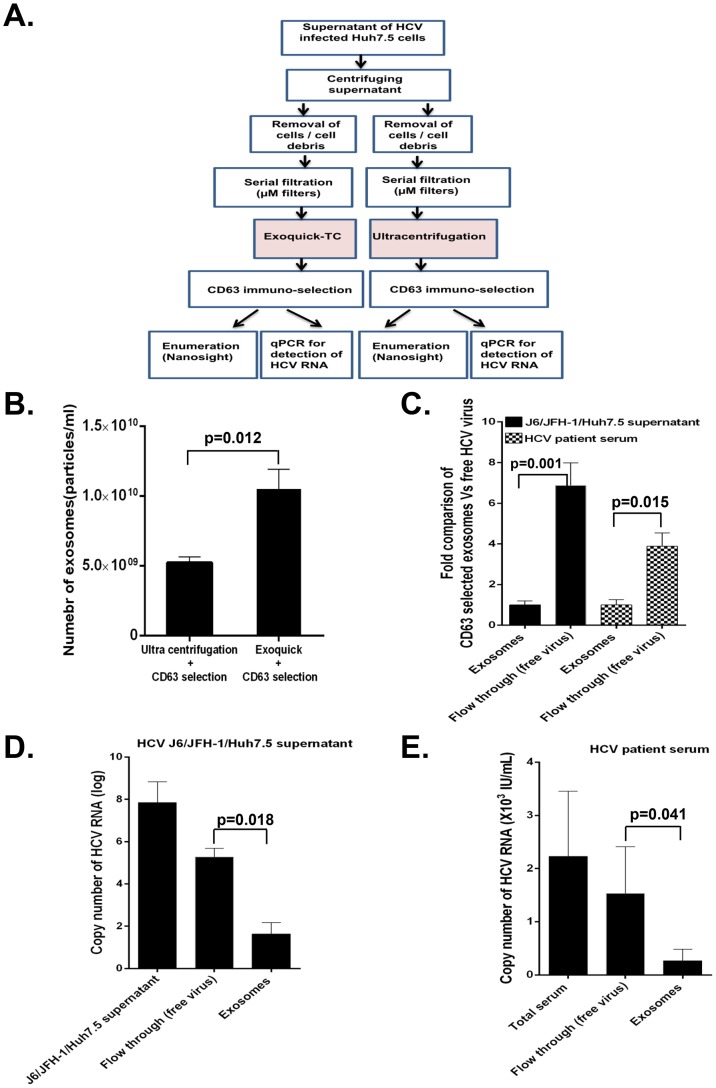
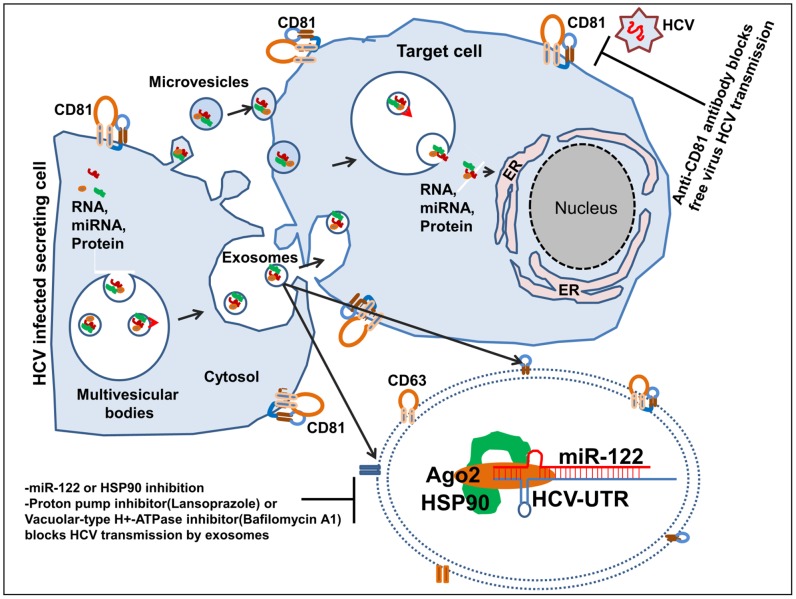
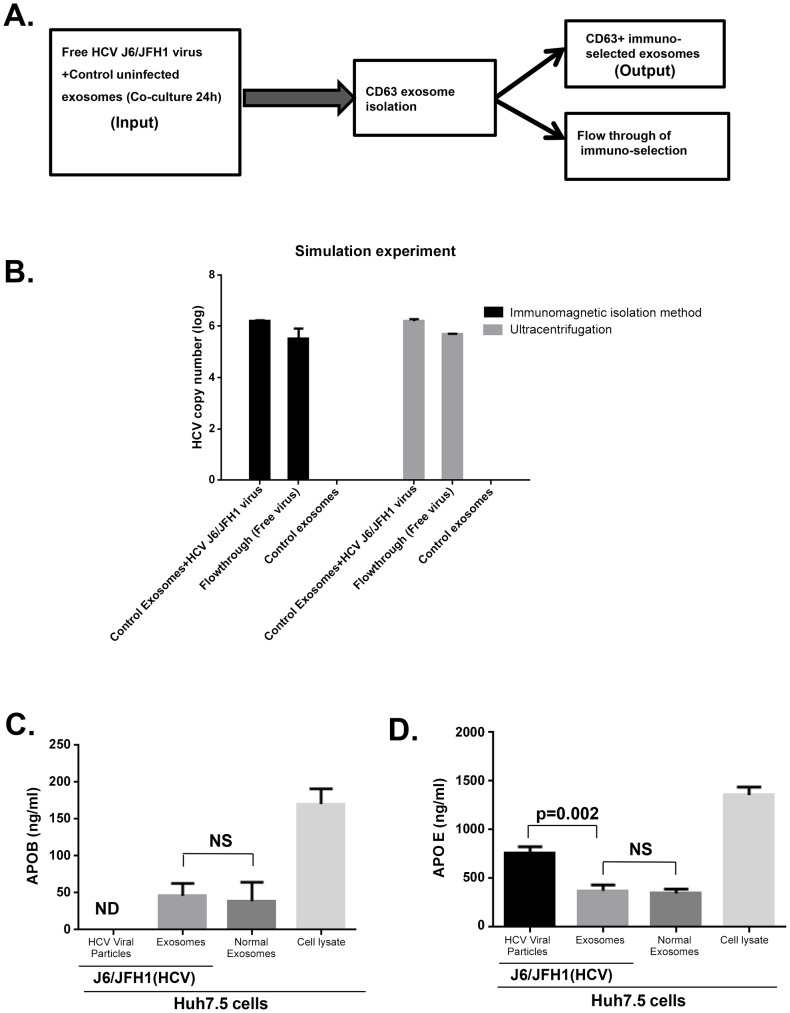
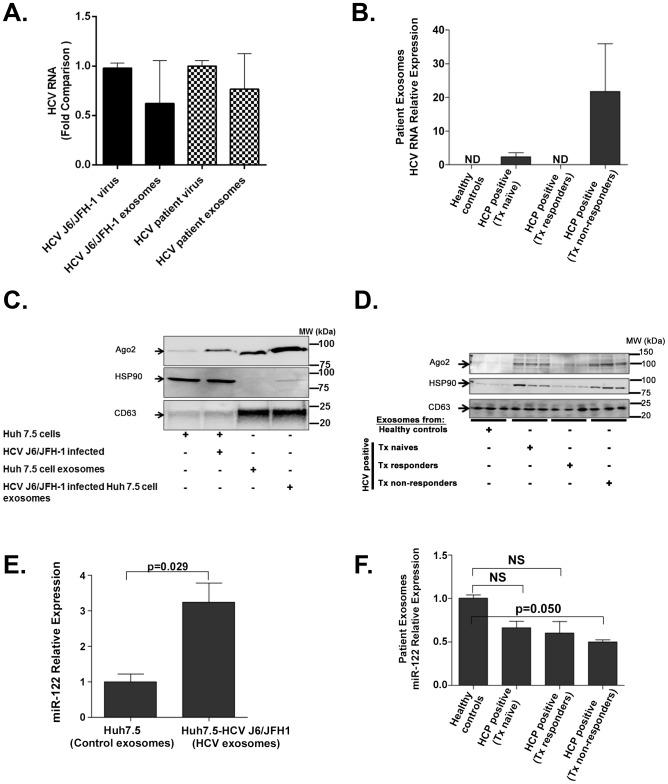
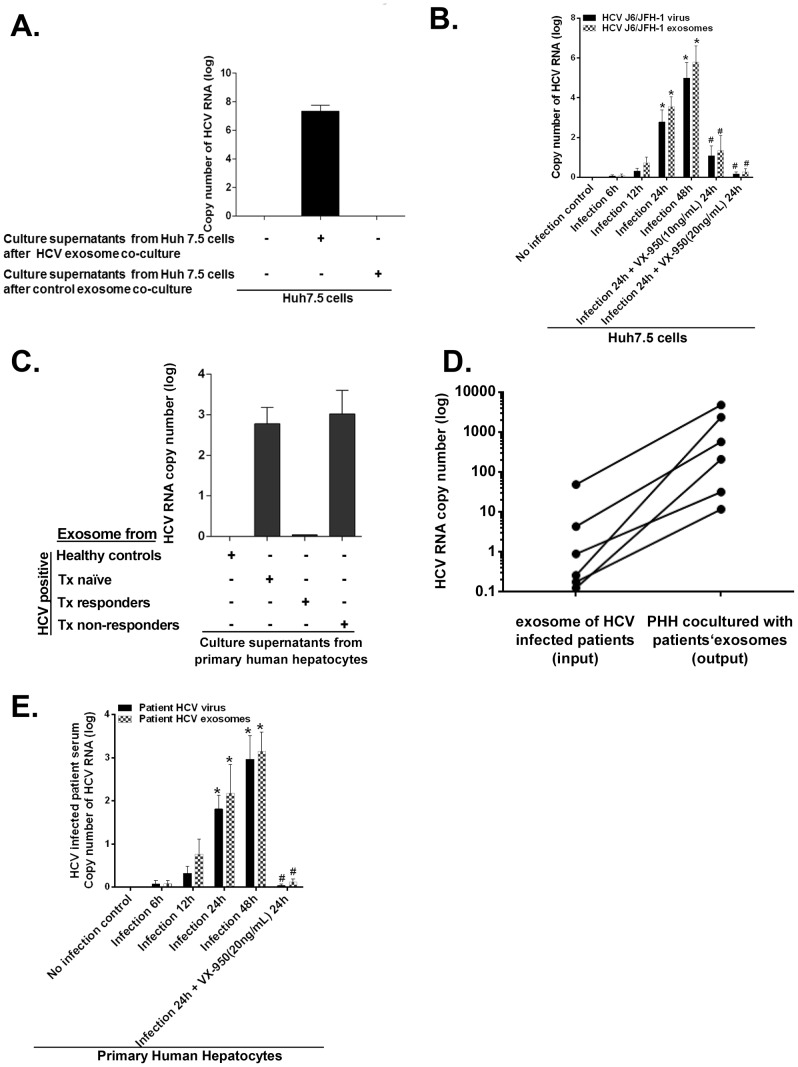
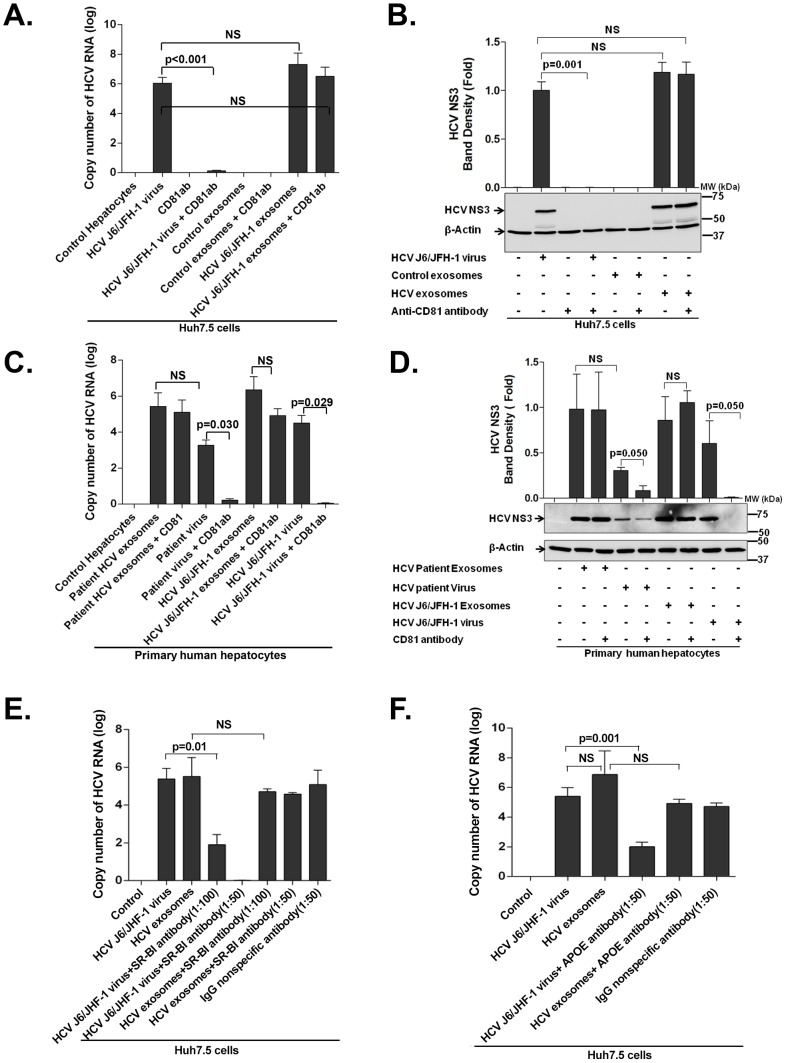
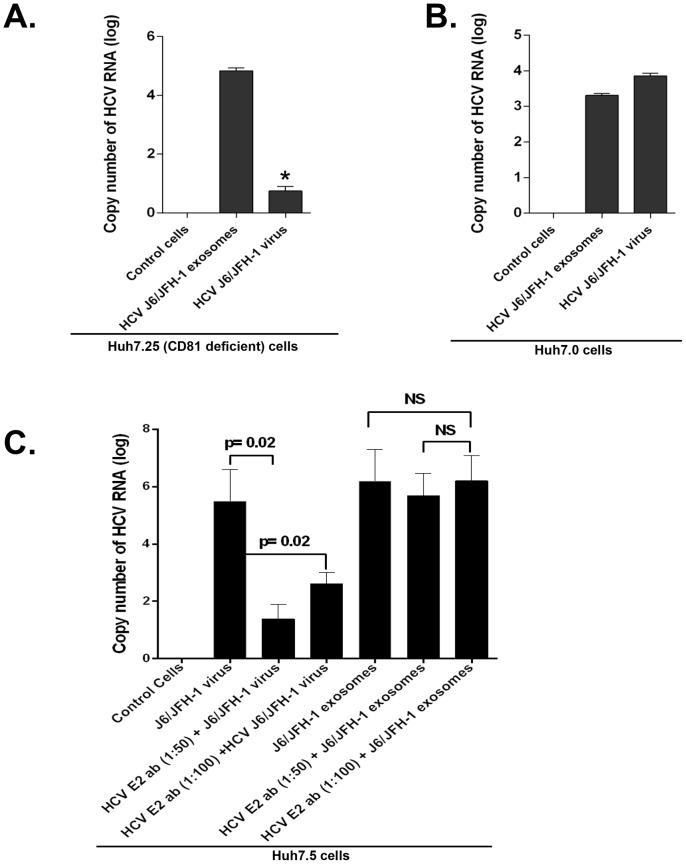
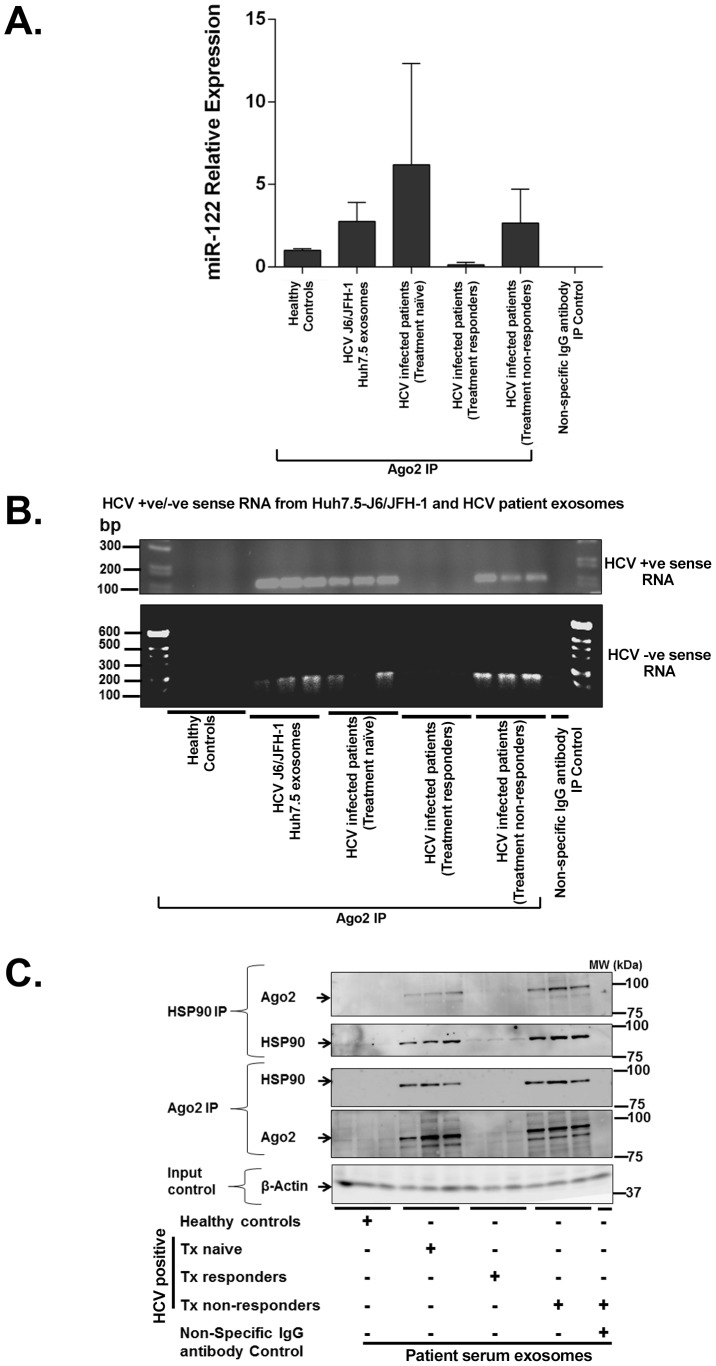
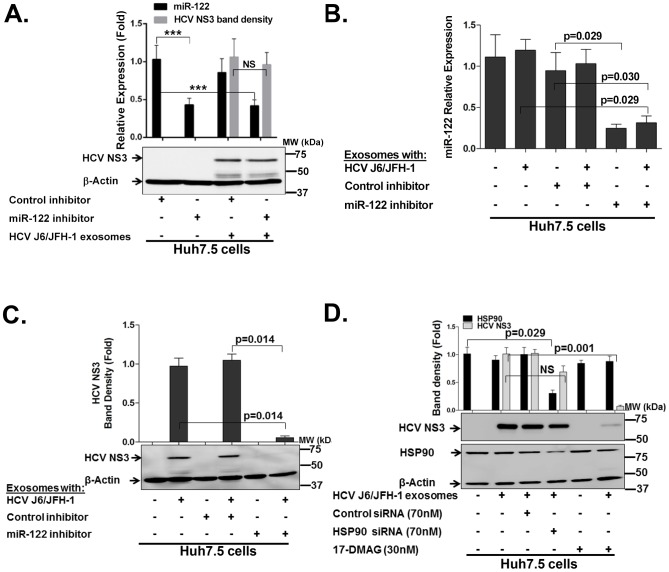
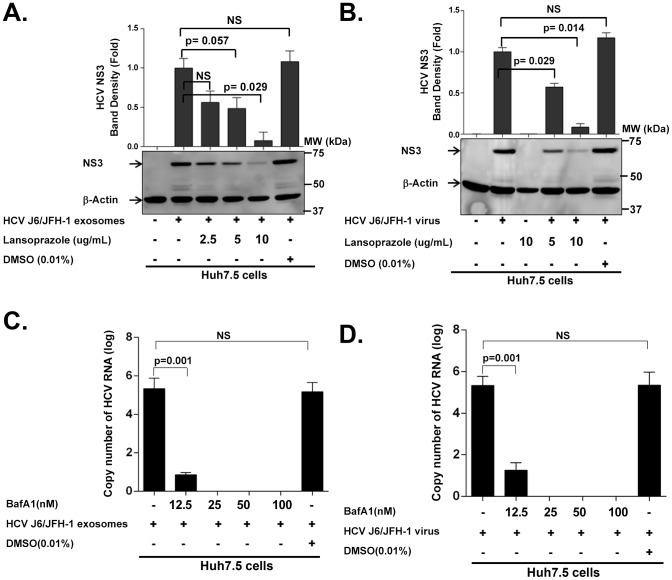
Antibodies targeting receptor-mediated entry of HCV into hepatocytes confer limited therapeutic benefits. Evidence suggests that exosomes can transfer genetic materials between cells; however, their role in HCV infection remains obscure. Here, we show that exosomes isolated from sera of chronic HCV infected patients or supernatants of J6/JFH1-HCV-infected Huh7.5 cells contained HCV RNA. These exosomes could mediate viral receptor-independent transmission of HCV to hepatocytes. Negative sense HCV RNA, indicative of replication competent viral RNA, was present in exosomes of all HCV infected treatment non-responders and some treatment-naïve individuals. Remarkably, HCV RNA was associated with Ago2, HSP90 and miR-122 in exosomes isolated from HCV-infected individuals or HCV-infected Huh7.5 cell supernatants. Exosome-loading with a miR-122 inhibitor, or inhibition of HSP90, vacuolar H+-ATPases, and proton pumps, significantly suppressed exosome-mediated HCV transmission to naïve cells. Our findings provide mechanistic evidence for HCV transmission by blood-derived exosomes and highlight potential therapeutic strategies.
靶向丙型肝炎病毒(HCV)通过受体介导进入肝细胞的抗体带来的治疗益处有限。有证据表明,外泌体可在细胞间传递遗传物质;然而,它们在HCV感染中的作用仍不清楚。在此,我们表明,从慢性HCV感染患者的血清或J6/JFH1-HCV感染的Huh7.5细胞的上清液中分离出的外泌体含有HCV RNA。这些外泌体可介导HCV不依赖病毒受体向肝细胞的传播。所有HCV感染的治疗无应答者和一些未经治疗的个体的外泌体中存在负链HCV RNA,这表明存在具有复制能力的病毒RNA。值得注意的是,在从HCV感染个体或HCV感染的Huh7.5细胞上清液中分离出的外泌体中,HCV RNA与AGO2、HSP90和miR-122相关。用miR-122抑制剂加载外泌体,或抑制HSP90、液泡H+-ATP酶和质子泵,可显著抑制外泌体介导的HCV向未感染细胞的传播。我们的研究结果为血液来源的外泌体传播HCV提供了机制证据,并突出了潜在的治疗策略。