Kim Kyungpil, Bolotin Eugene, Theusch Elizabeth, Huang Haiyan, Medina Marisa W, Krauss Ronald M
Genome Biol. 2014 Sep 30;15(9):460. doi: 10.1186/s13059-014-0460-9.
Statins are widely prescribed for lowering LDL-cholesterol (LDLC) levels and risk of cardiovascular disease. There is, however, substantial inter-individual variation in the magnitude of statin-induced LDLC reduction. To date, analysis of individual DNA sequence variants has explained only a small proportion of this variability. The present study was aimed at assessing whether transcriptomic analyses could be used to identify additional genetic contributions to inter-individual differences in statin efficacy.
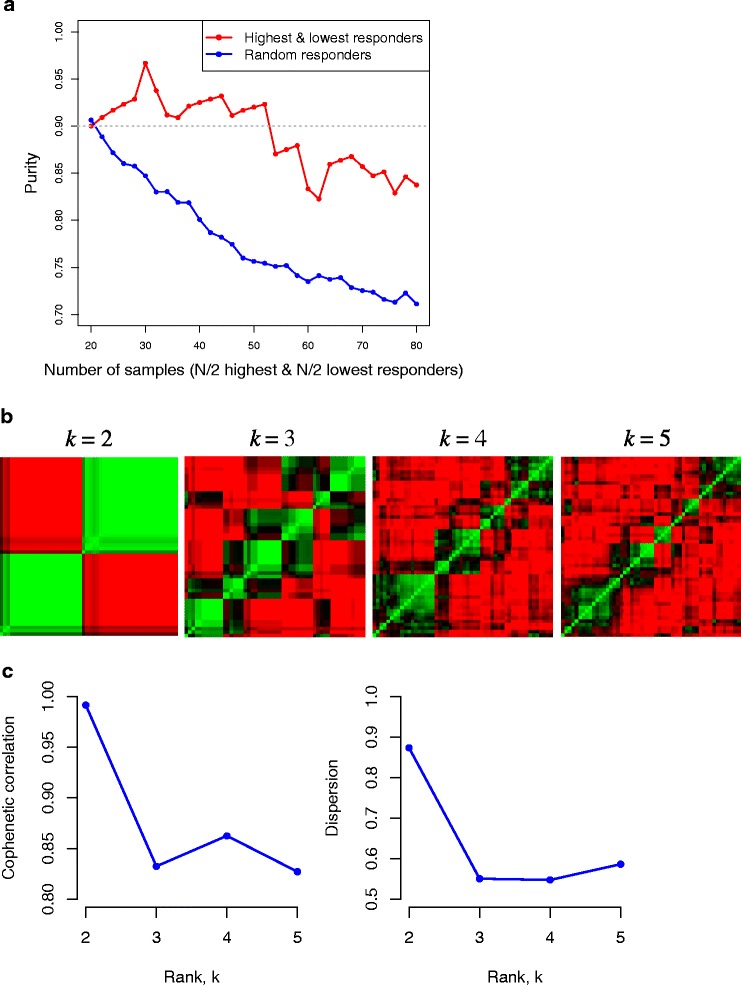
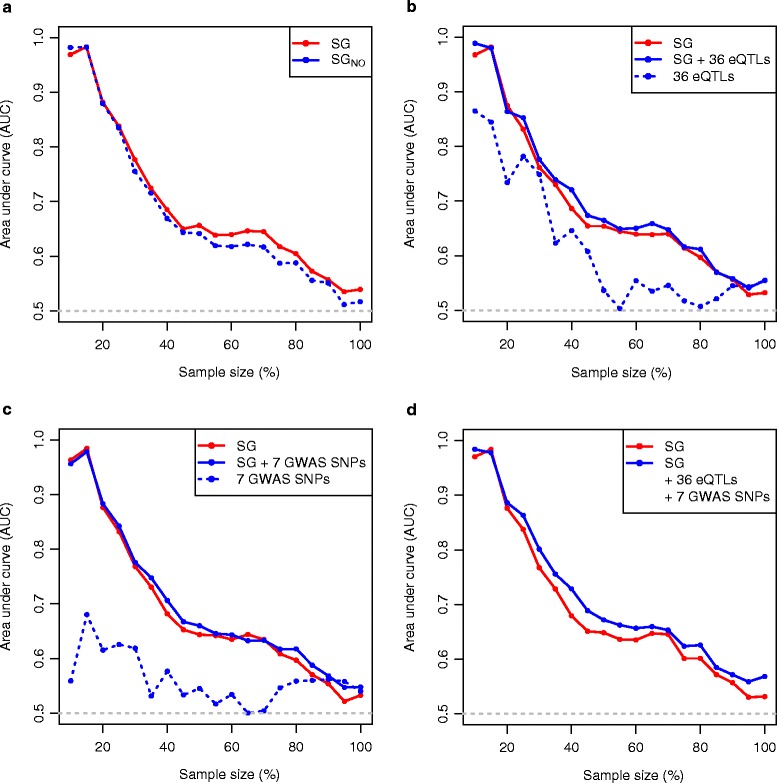
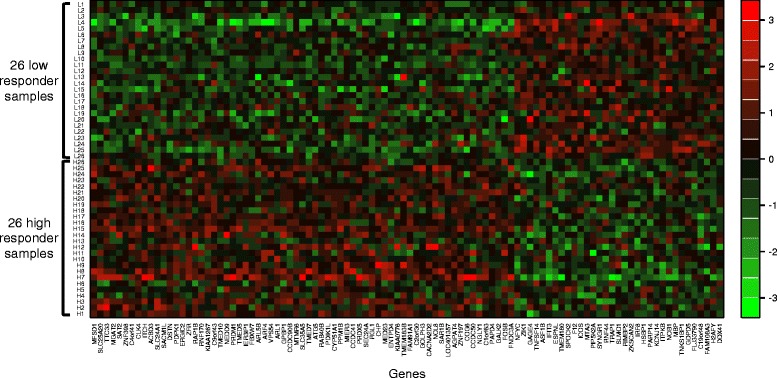
Using expression array data from immortalized lymphoblastoid cell lines derived from 372 participants of the Cholesterol and Pharmacogenetics clinical trial, we identify 100 signature genes differentiating high versus low statin responders. A radial-basis support vector machine prediction model of these signature genes explains 12.3% of the variance in statin-mediated LDLC change. Addition of SNPs either associated with expression levels of the signature genes (eQTLs) or previously reported to be associated with statin response in genome-wide association studies results in a combined model that predicts 15.0% of the variance. Notably, a model of the signature gene associated eQTLs alone explains up to 17.2% of the variance in the tails of a separate subset of the Cholesterol and Pharmacogenetics population. Furthermore, using a support vector machine classification model, we classify the most extreme 15% of high and low responders with high accuracy.
These results demonstrate that transcriptomic information can explain a substantial proportion of the variance in LDLC response to statin treatment, and suggest that this may provide a framework for identifying novel pathways that influence cholesterol metabolism.
他汀类药物被广泛用于降低低密度脂蛋白胆固醇(LDL-C)水平及心血管疾病风险。然而,他汀类药物引起的LDL-C降低幅度存在很大的个体间差异。迄今为止,对个体DNA序列变异的分析仅解释了这种变异性的一小部分。本研究旨在评估转录组分析是否可用于识别他汀类药物疗效个体间差异的其他遗传贡献。
利用来自胆固醇与药物遗传学临床试验372名参与者的永生化淋巴母细胞系的表达阵列数据,我们鉴定出100个区分他汀类药物高反应者与低反应者的特征基因。这些特征基因的径向基支持向量机预测模型解释了他汀类药物介导的LDL-C变化中12.3%的方差。添加与特征基因表达水平相关的单核苷酸多态性(eQTL)或先前在全基因组关联研究中报道与他汀类药物反应相关的单核苷酸多态性,可得到一个联合模型,该模型预测15.0%的方差。值得注意的是,仅特征基因相关eQTL的模型在胆固醇与药物遗传学人群的一个单独亚组的尾部解释了高达17.2%的方差。此外,使用支持向量机分类模型,我们对最极端的15%的高反应者和低反应者进行了高精度分类。
这些结果表明,转录组信息可以解释他汀类药物治疗LDL-C反应中方差的很大一部分,并表明这可能为识别影响胆固醇代谢的新途径提供一个框架。