Poli Pier P, Beretta Mario, Cicciù Marco, Maiorana Carlo
Department of Oral Surgery and Implantology, University of Milan, School of Dentistry, IRCSS Cà Granda, Milan, Italy.
Department of Dental Implants. Maxillo-Facial and Odontostomatology Unit, Fondazione Cà Granda IRCCS Ospedale, Maggiore Policlinico. University of Milan, Milan, Italy.
Open Dent J. 2014 Sep 29;8:148-58. doi: 10.2174/1874210601408010148. eCollection 2014.
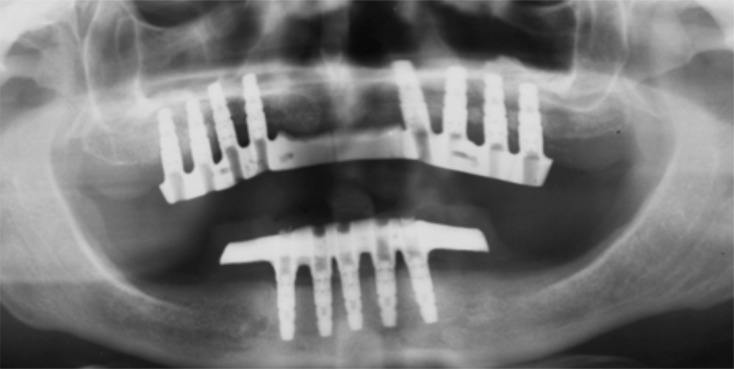
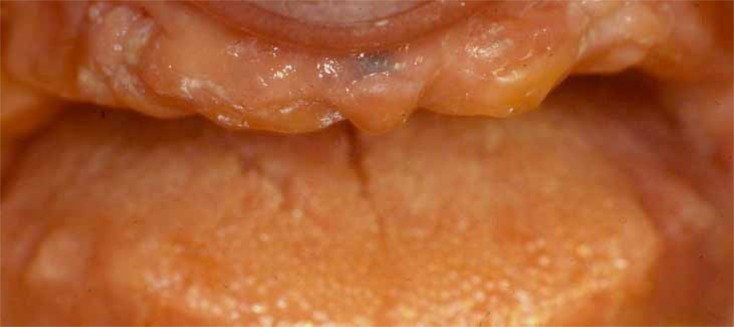
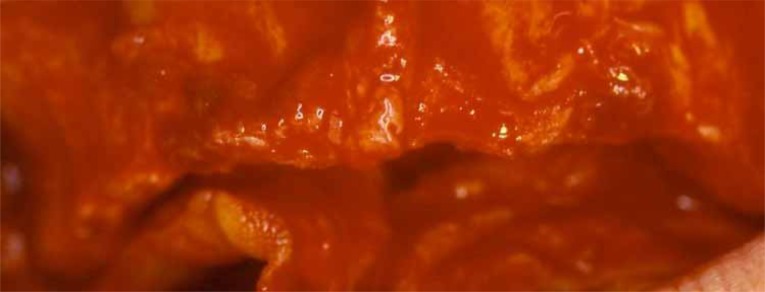
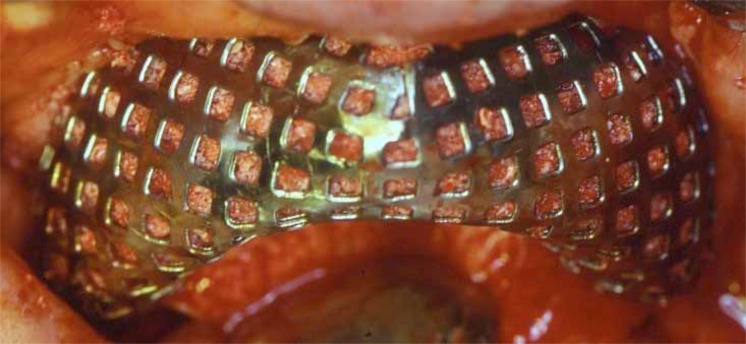
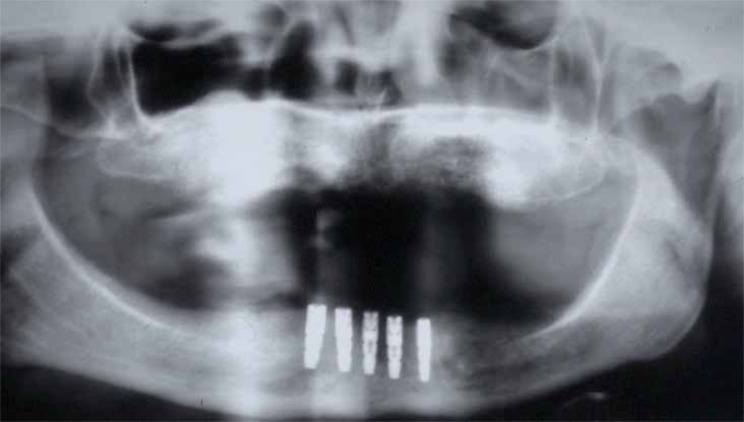
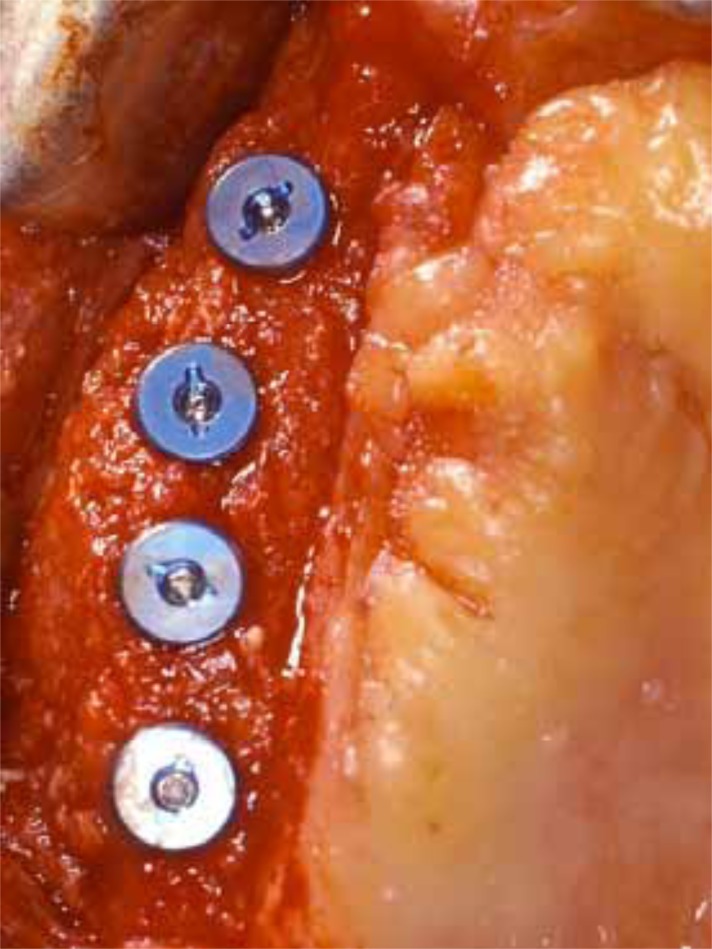
An adequate amount of bone all around the implant surface is essential in order to obtain long-term success of implant restoration. Several techniques have been described to augment alveolar bone volume in critical clinical situations, including guided bone regeneration, based on the use of barrier membranes to prevent ingrowth of the epithelial and gingival connective tissue cells. To achieve this goal, the use of barriers made of titanium micromesh has been advocated. A total of 13 patients were selected for alveolar ridge reconstruction treatment prior to implant placement. Each patient underwent a tridimensional bone augmentation by means of a Ti-mesh filled with intraoral autogenous bone mixed with deproteinized anorganic bovine bone in a 1:1 ratio. Implants were placed after a healing period of 6 months. Panoramic x-rays were performed after each surgical procedure and during the follow-up recalls. Software was used to measure the mesial and the distal peri-implant bone loss around each implant. The mean peri-implant bone loss was 1.743 mm on the mesial side and 1.913 mm on the distal side, from the top of the implant head to the first visible bone-implant contact, at a mean follow-up of 88 months. The use of Ti-mesh allows the regeneration of sufficient bone volume for ideal implant placement. The clinical advantages related to this technique include the possibility of correcting severe vertical atrophies associated with considerable reductions in width and the lack of major complications if soft-tissue dehiscence and mesh exposures do occur.
为了实现种植体修复的长期成功,种植体表面周围有足够量的骨组织至关重要。已经描述了几种在关键临床情况下增加牙槽骨体积的技术,包括引导骨再生,其基于使用屏障膜来防止上皮和牙龈结缔组织细胞向内生长。为了实现这一目标,有人提倡使用由钛微网制成的屏障。总共选择了13名患者在种植体植入前进行牙槽嵴重建治疗。每位患者通过填充有口腔内自体骨与脱蛋白无机牛骨按1:1比例混合的钛网进行三维骨增量。在6个月的愈合期后植入种植体。在每次手术后以及随访复诊期间进行全景X线检查。使用软件测量每个种植体周围近中和远中种植体周围骨丢失情况。在平均88个月的随访中,从种植体头部顶端到首次可见的骨 - 种植体接触点,种植体周围近中侧平均骨丢失为1.743 mm,远中侧为1.913 mm。钛网的使用能够再生足够的骨体积以实现理想的种植体植入。与该技术相关的临床优势包括有可能纠正与宽度显著减小相关的严重垂直萎缩,以及如果确实发生软组织裂开和网暴露时缺乏重大并发症。