Valle Denis, Baiser Benjamin, Woodall Christopher W, Chazdon Robin
School of Forest Resources and Conservation, University of Florida, 136 Newins-Ziegler Hall, Gainesville, FL, 32611, USA.
Ecol Lett. 2014 Dec;17(12):1591-601. doi: 10.1111/ele.12380. Epub 2014 Oct 17.
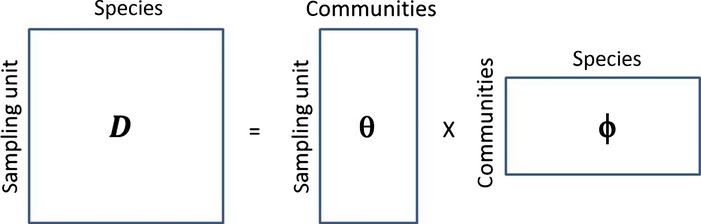
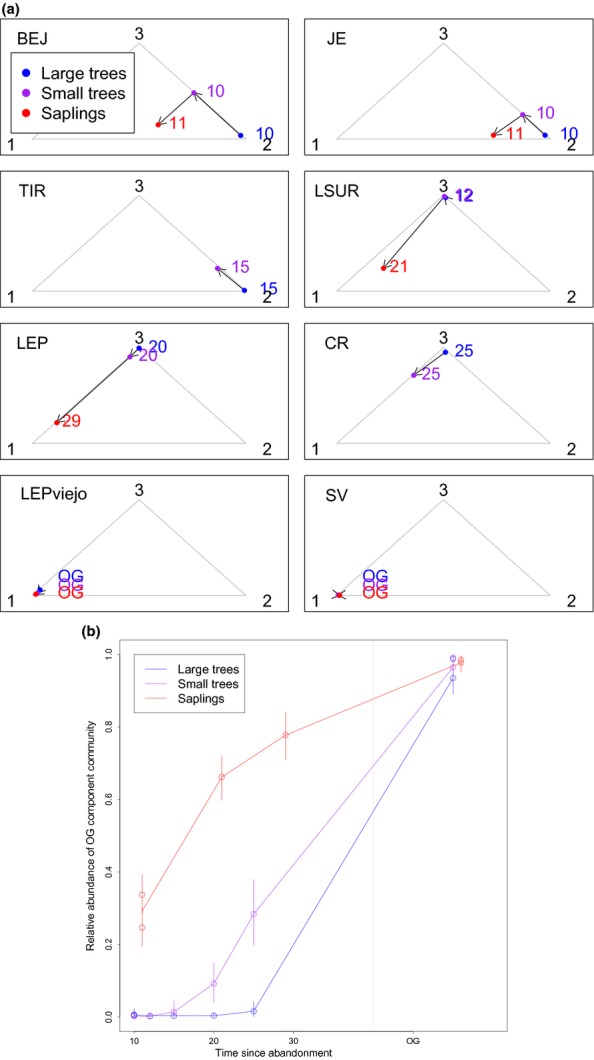
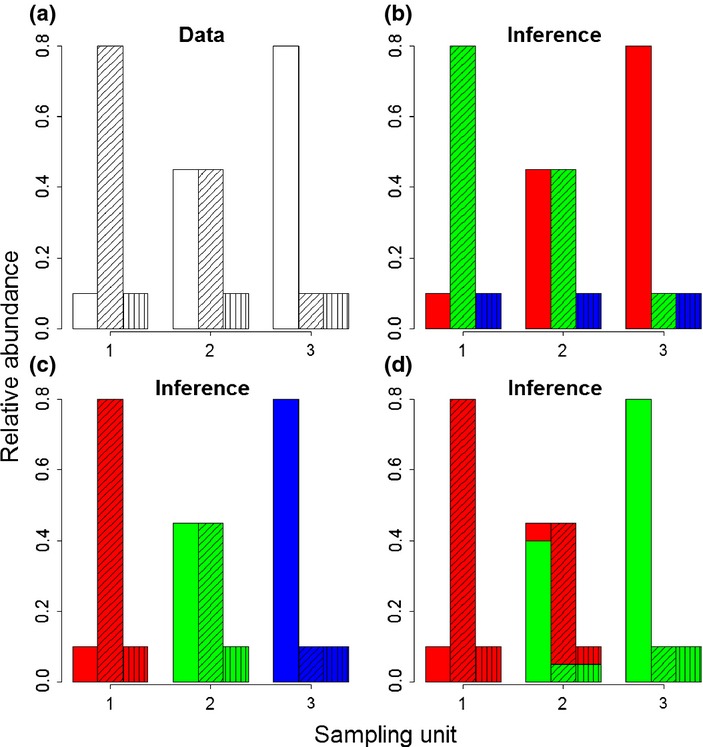
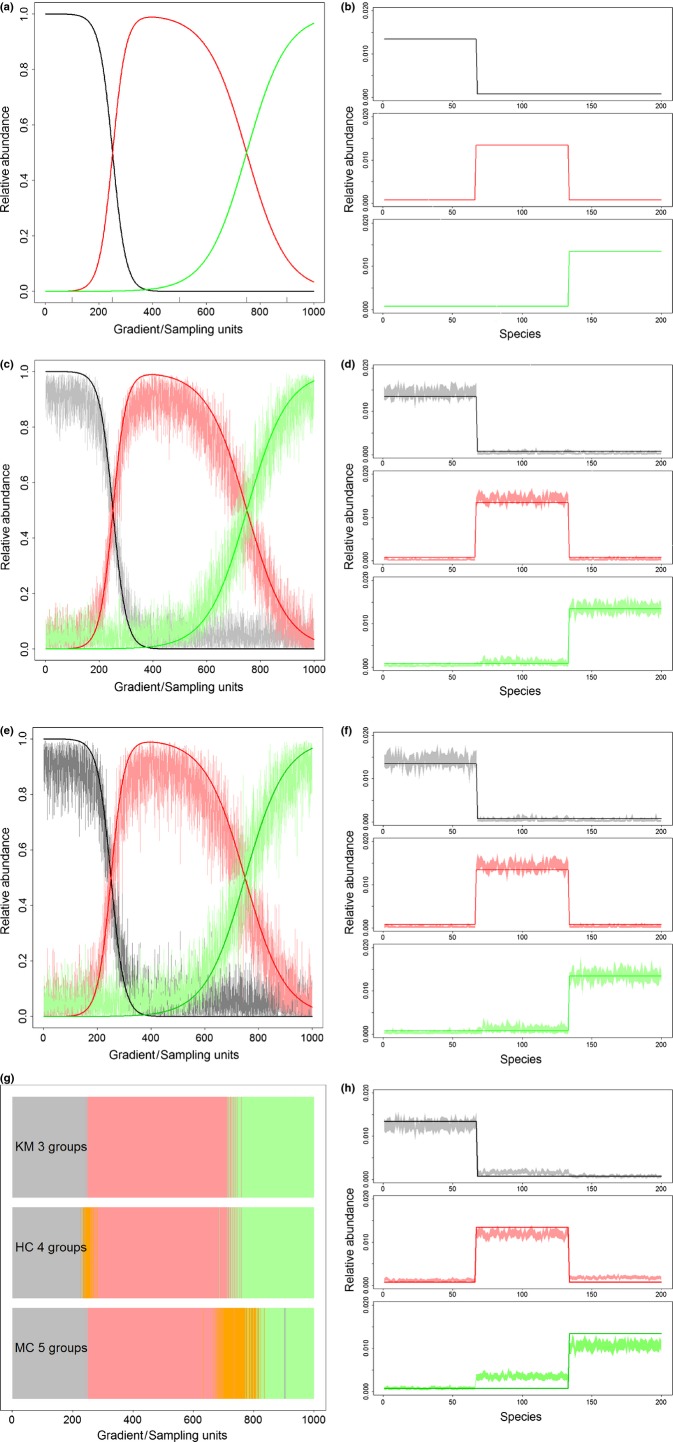
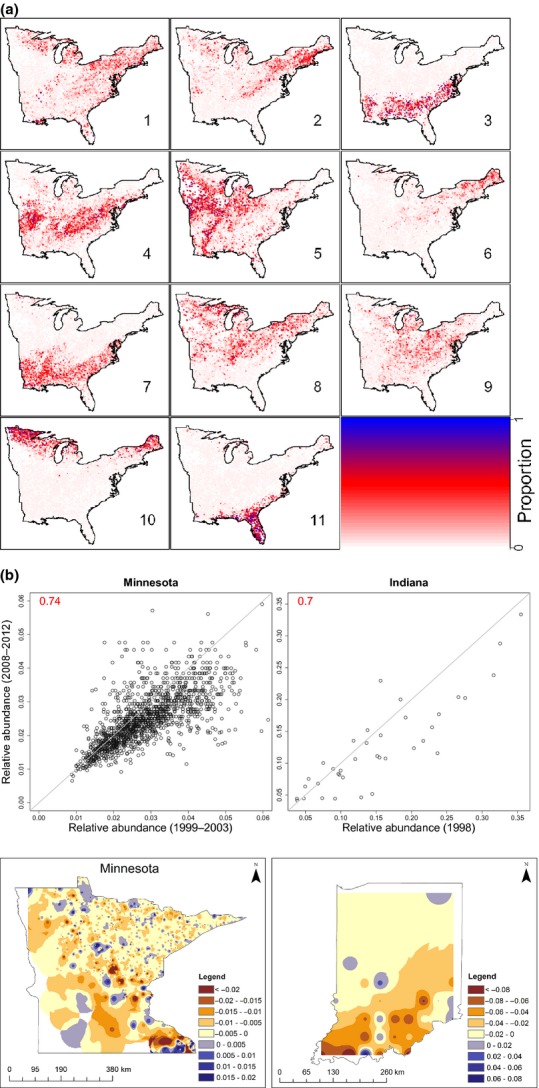
We propose a novel multivariate method to analyse biodiversity data based on the Latent Dirichlet Allocation (LDA) model. LDA, a probabilistic model, reduces assemblages to sets of distinct component communities. It produces easily interpretable results, can represent abrupt and gradual changes in composition, accommodates missing data and allows for coherent estimates of uncertainty. We illustrate our method using tree data for the eastern United States and from a tropical successional chronosequence. The model is able to detect pervasive declines in the oak community in Minnesota and Indiana, potentially due to fire suppression, increased growing season precipitation and herbivory. The chronosequence analysis is able to delineate clear successional trends in species composition, while also revealing that site-specific factors significantly impact these successional trajectories. The proposed method provides a means to decompose and track the dynamics of species assemblages along temporal and spatial gradients, including effects of global change and forest disturbances.
我们提出了一种基于潜在狄利克雷分配(LDA)模型分析生物多样性数据的新型多变量方法。LDA是一种概率模型,它将群落组合简化为不同组成群落的集合。它产生易于解释的结果,能够代表组成的突然和逐渐变化,适应缺失数据,并允许对不确定性进行连贯估计。我们使用美国东部的树木数据和热带演替时间序列来说明我们的方法。该模型能够检测到明尼苏达州和印第安纳州橡树群落普遍下降的情况,这可能是由于火灾抑制、生长季节降水增加和食草作用导致的。时间序列分析能够描绘出物种组成清晰的演替趋势,同时还揭示了特定地点因素对这些演替轨迹有显著影响。所提出的方法提供了一种手段,用于分解和跟踪物种组合沿时间和空间梯度的动态变化,包括全球变化和森林干扰的影响。