Castellanos-Martínez Sheila, Arteta David, Catarino Susana, Gestal Camino
Departamento de Biotecnología y Acuicultura. Instituto de Investigaciones Marinas, Consejo Superior de Investigaciones Científicas, Vigo, Spain.
PROGENIKA Biopharma. A Grifols Company. Parque tecnológico de Bizkaia. Derio, Bizkaia, Spain.
PLoS One. 2014 Oct 16;9(10):e107873. doi: 10.1371/journal.pone.0107873. eCollection 2014.
Octopus vulgaris is a highly valuable species of great commercial interest and excellent candidate for aquaculture diversification; however, the octopus' well-being is impaired by pathogens, of which the gastrointestinal coccidian parasite Aggregata octopiana is one of the most important. The knowledge of the molecular mechanisms of the immune response in cephalopods, especially in octopus is scarce. The transcriptome of the hemocytes of O. vulgaris was de novo sequenced using the high-throughput paired-end Illumina technology to identify genes involved in immune defense and to understand the molecular basis of octopus tolerance/resistance to coccidiosis.
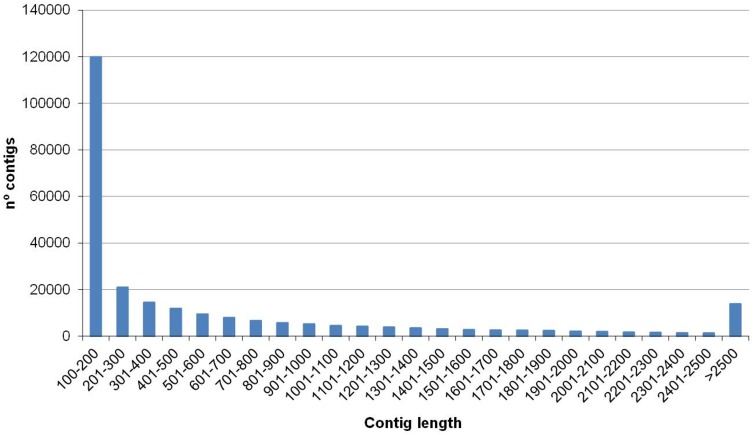
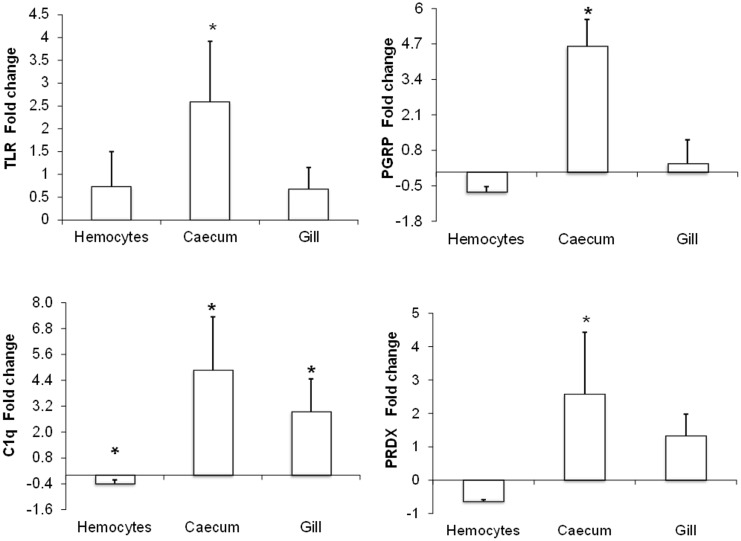
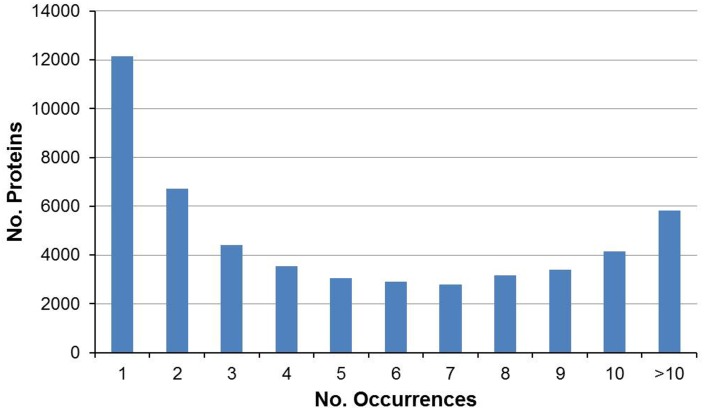
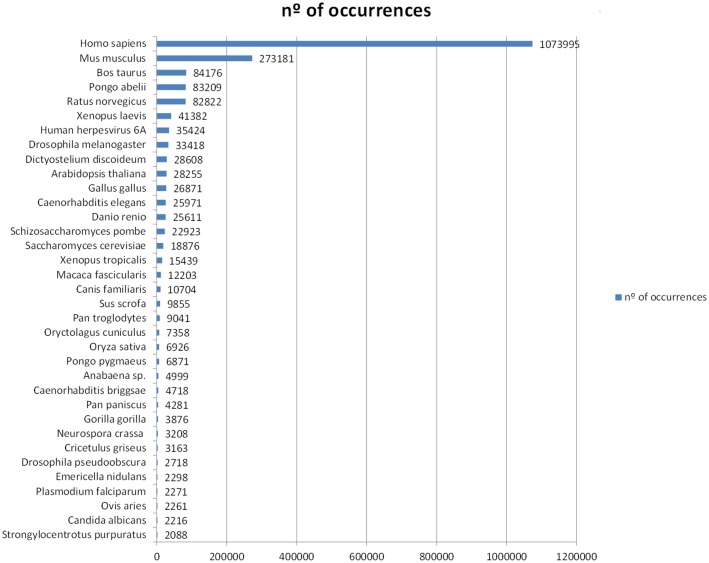
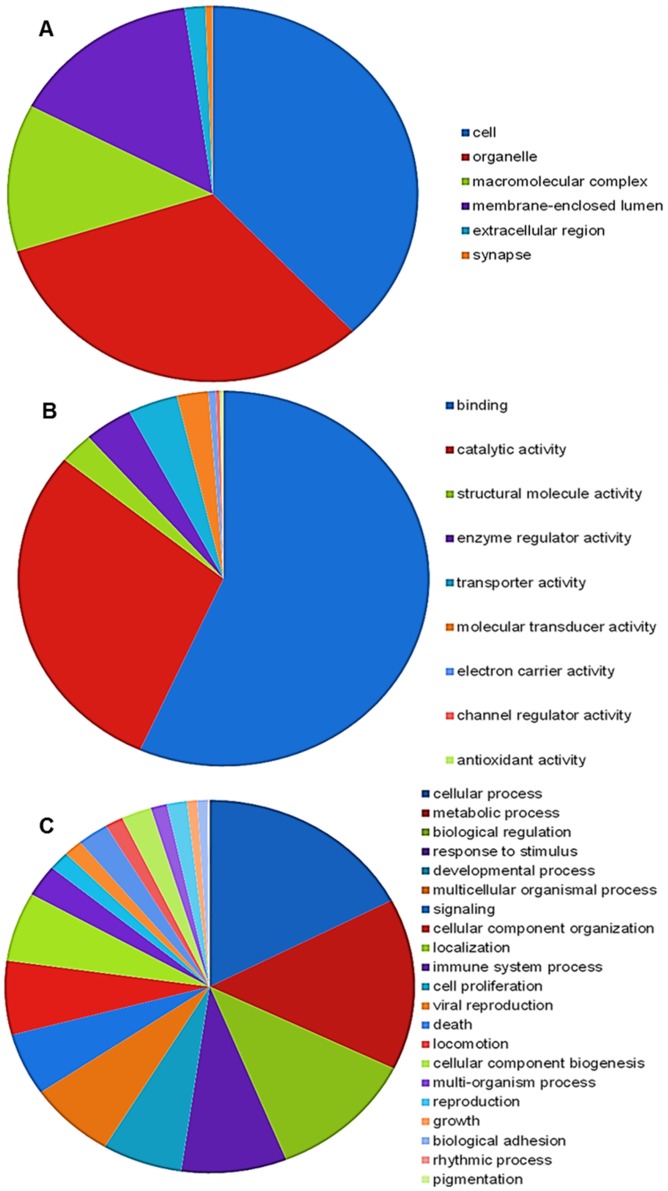
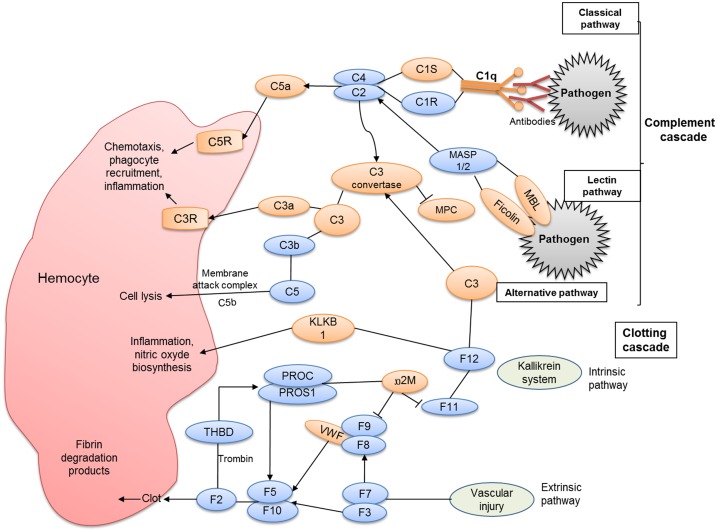
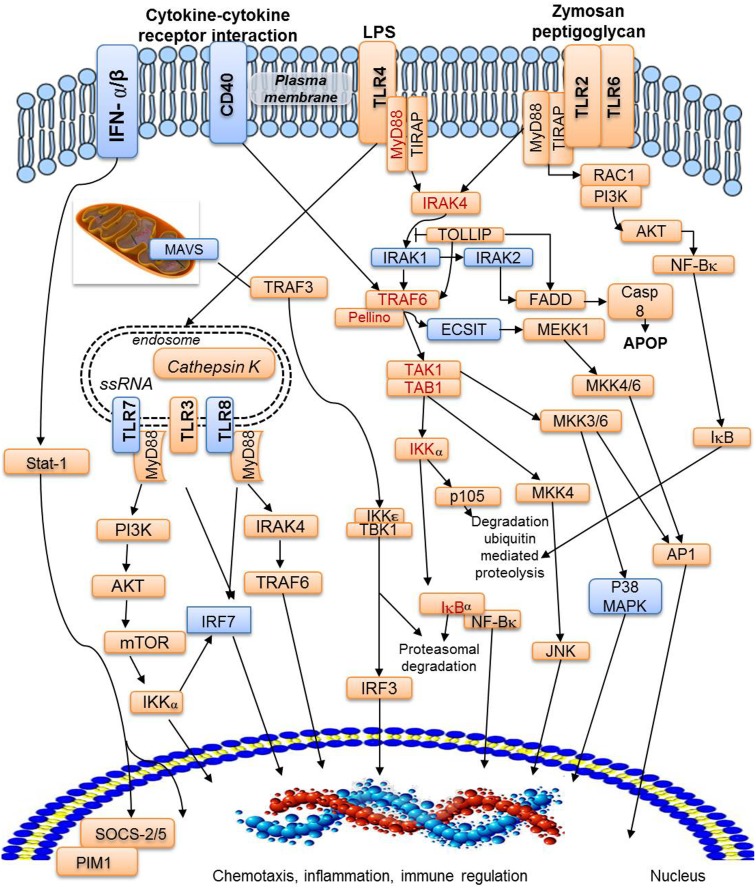
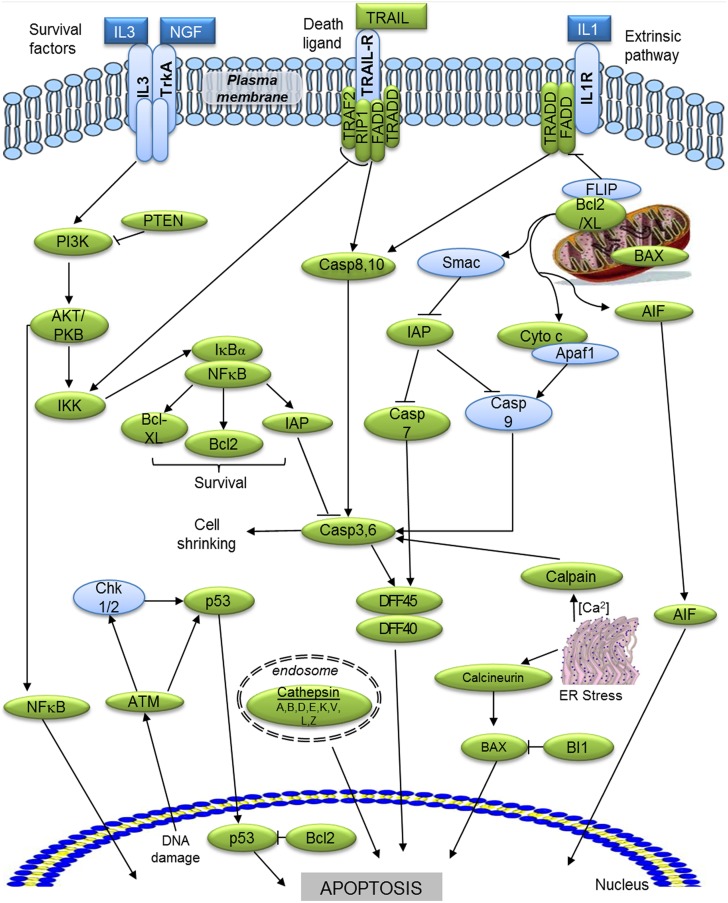
A bi-directional mRNA library was constructed from hemocytes of two groups of octopus according to the infection by A. octopiana, sick octopus, suffering coccidiosis, and healthy octopus, and reads were de novo assembled together. The differential expression of transcripts was analysed using the general assembly as a reference for mapping the reads from each condition. After sequencing, a total of 75,571,280 high quality reads were obtained from the sick octopus group and 74,731,646 from the healthy group. The general transcriptome of the O. vulgaris hemocytes was assembled in 254,506 contigs. A total of 48,225 contigs were successfully identified, and 538 transcripts exhibited differential expression between groups of infection. The general transcriptome revealed genes involved in pathways like NF-kB, TLR and Complement. Differential expression of TLR-2, PGRP, C1q and PRDX genes due to infection was validated using RT-qPCR. In sick octopuses, only TLR-2 was up-regulated in hemocytes, but all of them were up-regulated in caecum and gills.
The transcriptome reported here de novo establishes the first molecular clues to understand how the octopus immune system works and interacts with a highly pathogenic coccidian. The data provided here will contribute to identification of biomarkers for octopus resistance against pathogens, which could improve octopus farming in the near future.
普通章鱼是一种具有极高商业价值的物种,是水产养殖多样化的优秀候选对象;然而,章鱼的健康会受到病原体的损害,其中胃肠道球虫寄生虫八腕聚缩虫是最重要的病原体之一。头足类动物,尤其是章鱼免疫反应的分子机制的相关知识十分匮乏。利用高通量双末端Illumina技术对普通章鱼血细胞的转录组进行了从头测序,以鉴定参与免疫防御的基因,并了解章鱼对球虫病的耐受/抗性的分子基础。
根据八腕聚缩虫感染情况,将两组章鱼(患病章鱼,患有球虫病,和健康章鱼)的血细胞构建双向mRNA文库,并将读数一起进行从头组装。以通用组装作为参考来映射每种条件下的读数,从而分析转录本的差异表达。测序后,患病章鱼组共获得75,571,280条高质量读数,健康组获得74,731,646条。普通章鱼血细胞的通用转录组组装成254,506个重叠群。共成功鉴定出48,225个重叠群,538个转录本在感染组之间表现出差异表达。通用转录组揭示了参与NF-kB、TLR和补体等信号通路的基因。通过RT-qPCR验证了感染导致的TLR-2、PGRP、C1q和PRDX基因的差异表达。在患病章鱼中,只有TLR-2在血细胞中上调,但在盲肠和鳃中所有这些基因都上调。
本文报道的转录组从头建立了首个分子线索,以了解章鱼免疫系统如何运作以及如何与高致病性球虫相互作用。本文提供的数据将有助于鉴定章鱼抗病原体的生物标志物,这可能在不久的将来改善章鱼养殖。