Trinité Benjamin, Chan Chi N, Lee Caroline S, Mahajan Saurabh, Luo Yang, Muesing Mark A, Folkvord Joy M, Pham Michael, Connick Elizabeth, Levy David N
Department of Basic Science, New York University College of Dentistry, New York, New York, United States of America.
Aaron Diamond AIDS Research Center, New York, New York, United States of America.
PLoS One. 2014 Oct 16;9(10):e110719. doi: 10.1371/journal.pone.0110719. eCollection 2014.
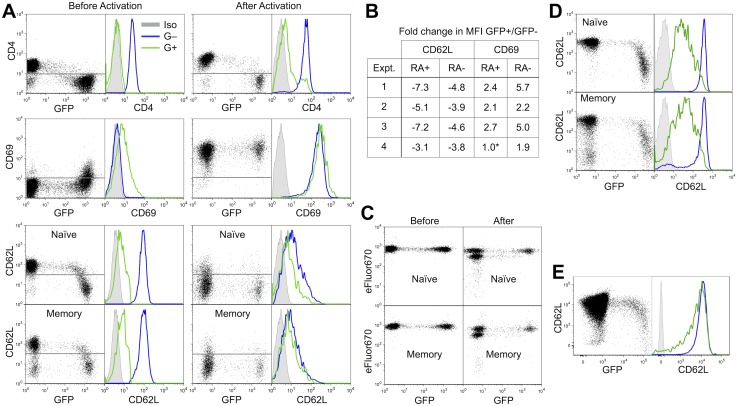
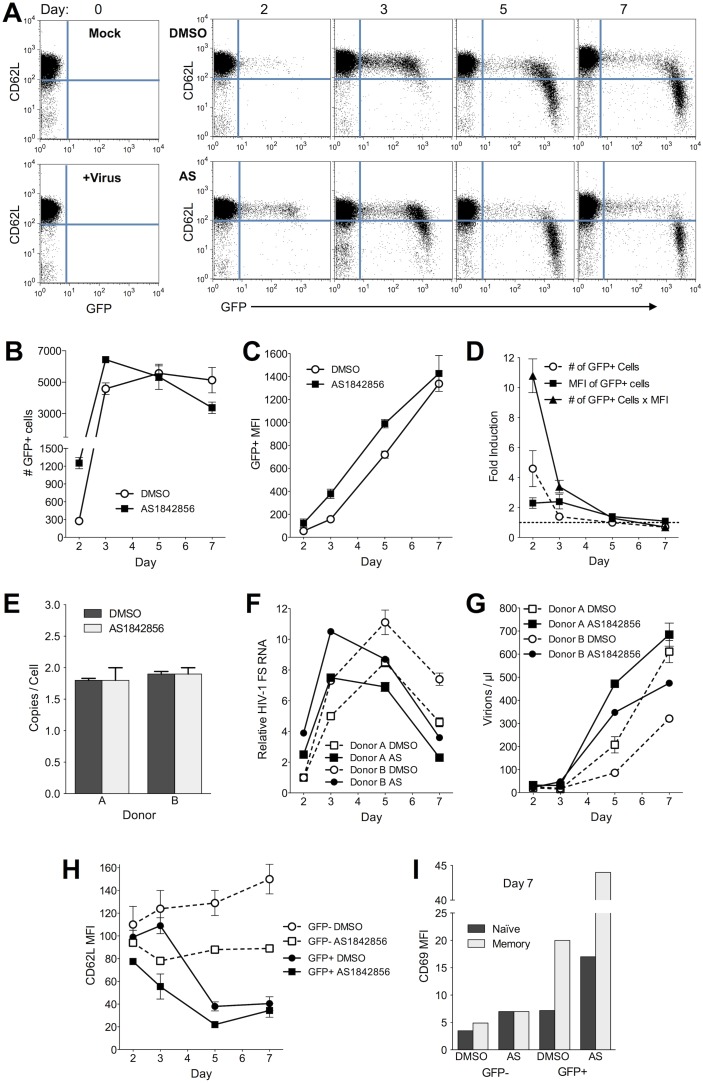
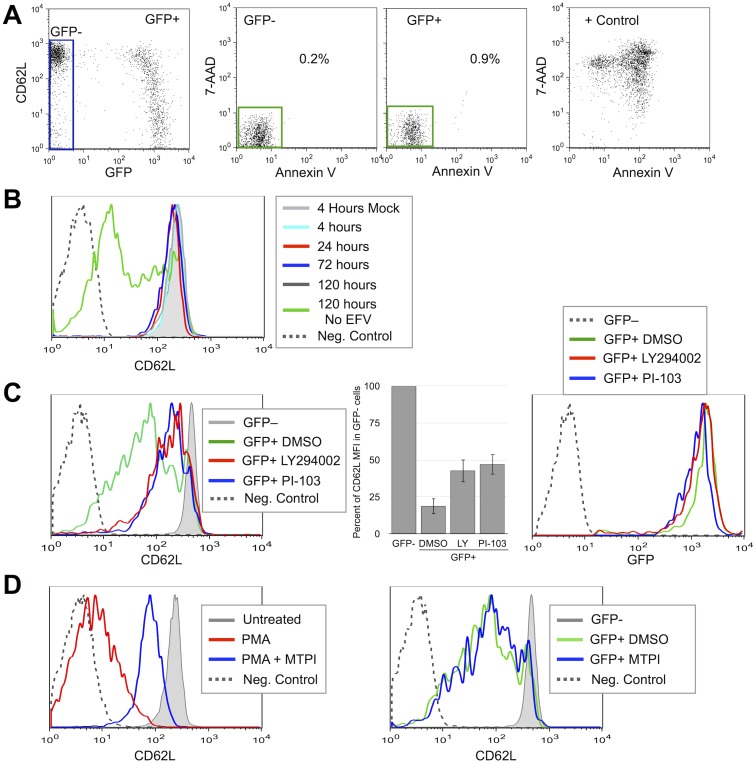
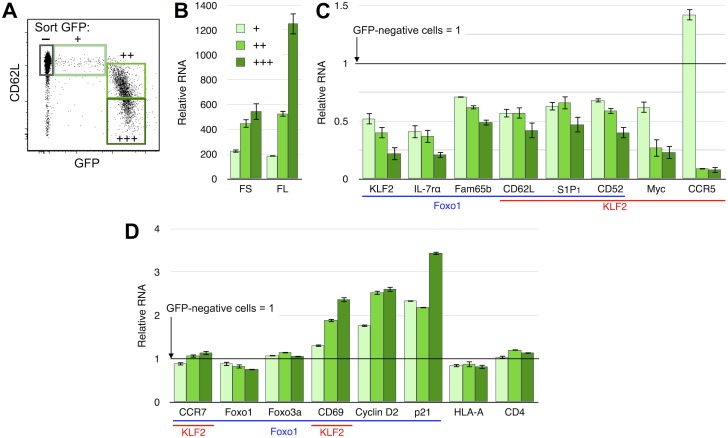
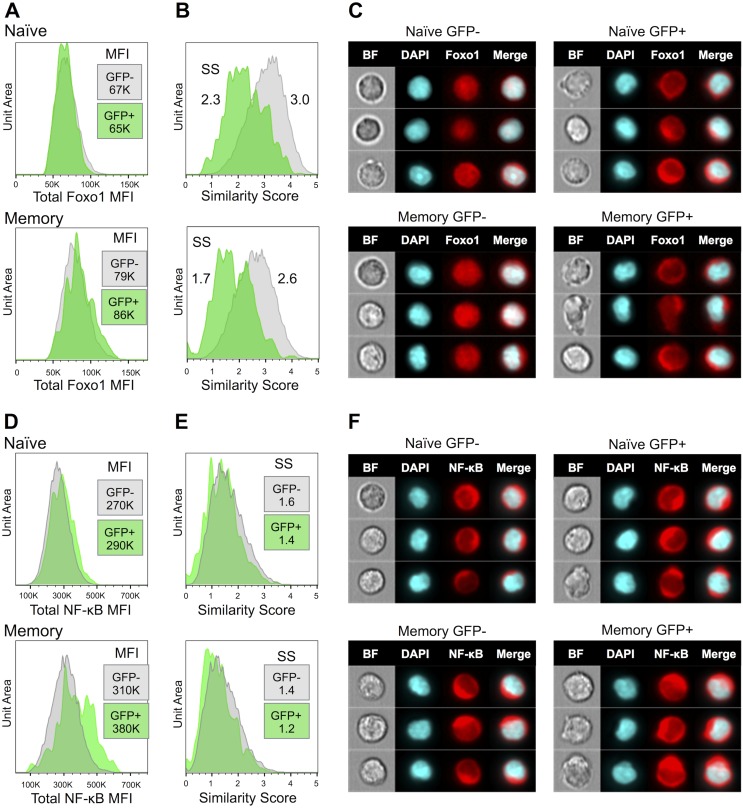
HIV-1 hijacks and disrupts many processes in the cells it infects in order to suppress antiviral immunity and to facilitate its replication. Resting CD4 T cells are important early targets of HIV-1 infection in which HIV-1 must overcome intrinsic barriers to viral replication. Although resting CD4 T cells are refractory to infection in vitro, local environmental factors within lymphoid and mucosal tissues such as cytokines facilitate viral replication while maintaining the resting state. These factors can be utilized in vitro to study HIV-1 replication in resting CD4 T cells. In vivo, the migration of resting naïve and central memory T cells into lymphoid tissues is dependent upon expression of CD62L (L-selectin), a receptor that is subsequently down-modulated following T cell activation. CD62L gene transcription is maintained in resting T cells by Foxo1 and KLF2, transcription factors that maintain T cell quiescence and which regulate additional cellular processes including survival, migration, and differentiation. Here we report that HIV-1 down-modulates CD62L in productively infected naïve and memory resting CD4 T cells while suppressing Foxo1 activity and the expression of KLF2 mRNA. Partial T cell activation was further evident as an increase in CD69 expression. Several other Foxo1- and KLF2-regulated mRNA were increased or decreased in productively infected CD4 T cells, including IL-7rα, Myc, CCR5, Fam65b, S1P1 (EDG1), CD52, Cyclin D2 and p21CIP1, indicating a profound reprogramming of these cells. The Foxo1 inhibitor AS1842856 accelerated de novo viral gene expression and the sequella of infection, supporting the notion that HIV-1 suppression of Foxo1 activity may be a strategy to promote replication in resting CD4 T cells. As Foxo1 is an investigative cancer therapy target, the development of Foxo1 interventions may assist the quest to specifically suppress or activate HIV-1 replication in vivo.
人类免疫缺陷病毒1型(HIV-1)劫持并破坏其感染细胞内的许多过程,以抑制抗病毒免疫并促进自身复制。静息CD4 T细胞是HIV-1感染的重要早期靶细胞,HIV-1必须克服这些细胞内病毒复制的内在障碍。尽管静息CD4 T细胞在体外对感染具有抗性,但淋巴组织和黏膜组织内的局部环境因素(如细胞因子)可在维持静息状态的同时促进病毒复制。这些因素可在体外用于研究HIV-1在静息CD4 T细胞中的复制。在体内,静息初始T细胞和中枢记忆T细胞向淋巴组织的迁移依赖于CD62L(L-选择素)的表达,CD62L是一种受体,在T细胞激活后其表达随后下调。Foxo1和KLF2可维持静息T细胞中CD62L基因的转录,这两种转录因子维持T细胞的静止状态,并调节包括存活、迁移和分化在内的其他细胞过程。在此,我们报告HIV-1在高效感染的初始和记忆静息CD4 T细胞中下调CD62L,同时抑制Foxo1活性和KLF2 mRNA的表达。CD69表达增加进一步表明部分T细胞被激活。在高效感染的CD4 T细胞中,其他几种受Foxo1和KLF2调节的mRNA表达增加或减少,包括IL-7rα、Myc、CCR5、Fam65b、S1P1(EDG1)、CD52、细胞周期蛋白D2和p21CIP1,这表明这些细胞发生了深刻的重编程。Foxo1抑制剂AS1842856加速了病毒基因的从头表达和感染的后续过程,支持了HIV-1抑制Foxo1活性可能是促进其在静息CD4 T细胞中复制的一种策略这一观点。由于Foxo1是一种正在研究的癌症治疗靶点,开发针对Foxo1的干预措施可能有助于在体内特异性抑制或激活HIV-1复制。