Mehan William A, González R Gilberto, Buchbinder Bradley R, Chen John W, Copen William A, Gupta Rajiv, Hirsch Joshua A, Hunter George J, Hunter Scott, Johnson Jason M, Kelly Hillary R, Larvie Mykol, Lev Michael H, Pomerantz Stuart R, Rapalino Otto, Rincon Sandra, Romero Javier M, Schaefer Pamela W, Shah Vinil
Neuroradiology Division, Massachusetts General Hospital, Harvard Medical School, Boston, Massachusetts, United States of America.
PLoS One. 2014 Oct 24;9(10):e110803. doi: 10.1371/journal.pone.0110803. eCollection 2014.
BACKGROUND/PURPOSE: Patients with neurologic complaints are imaged with MRI protocols that may include many pulse sequences. It has not been documented which sequences are essential. We assessed the diagnostic accuracy of a limited number of sequences in patients with new neurologic complaints.
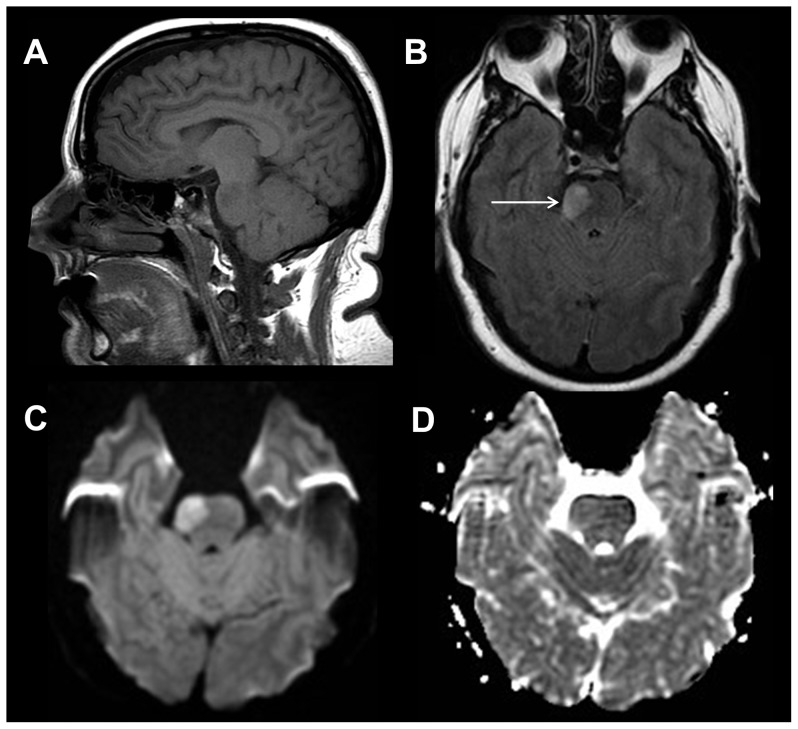
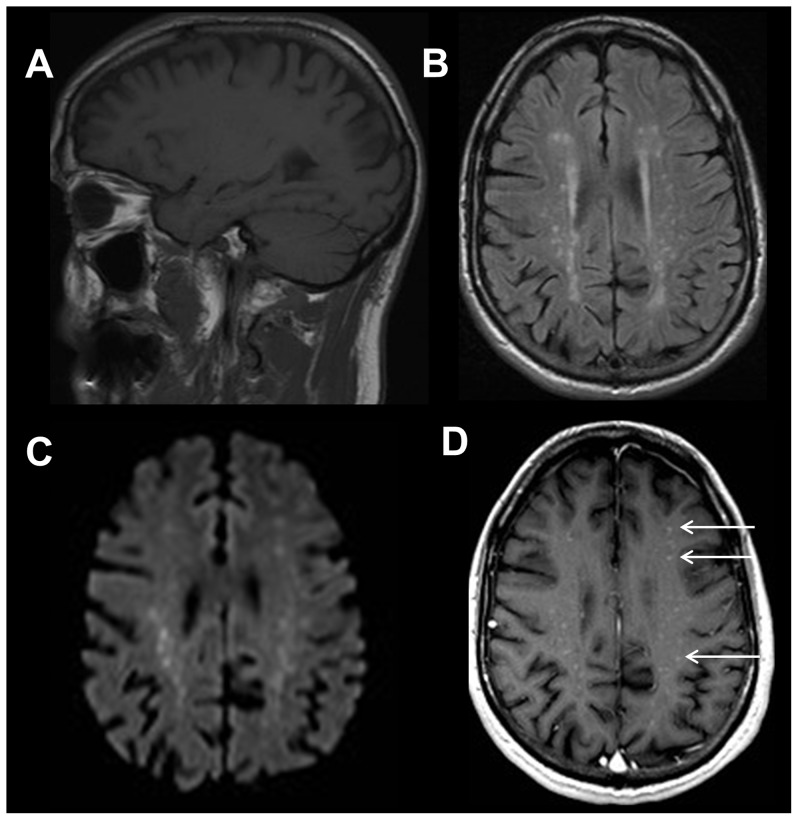
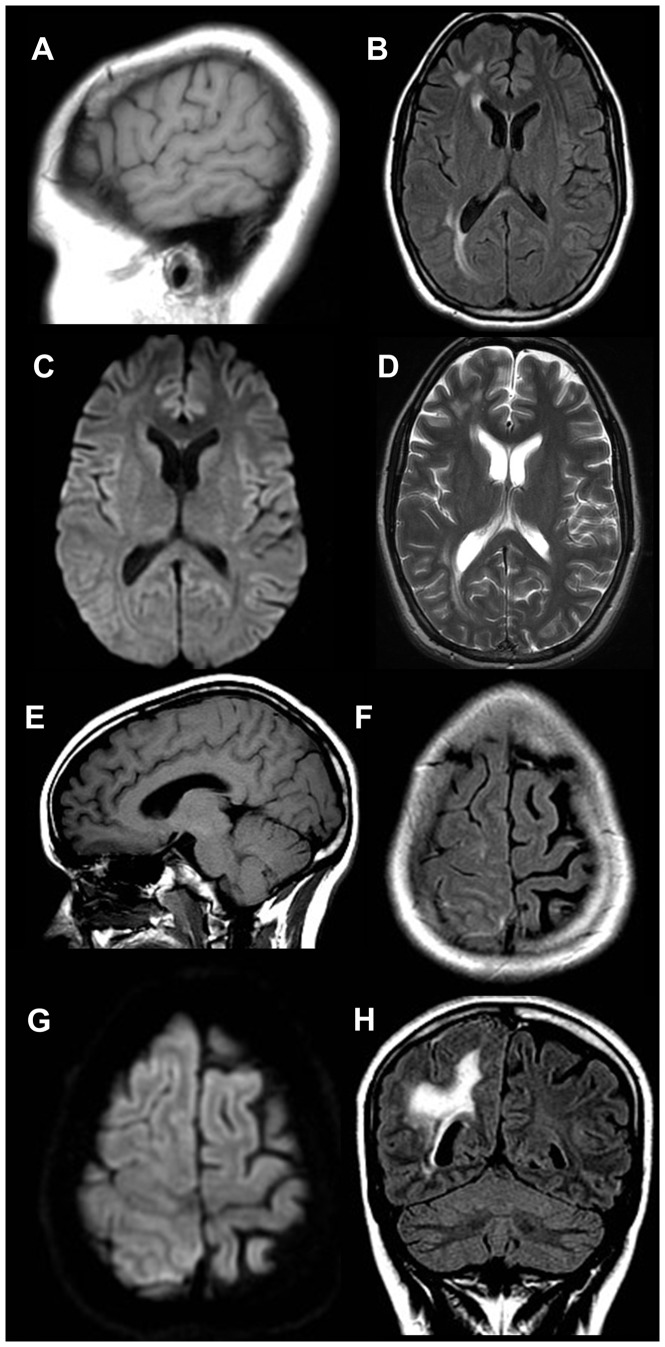
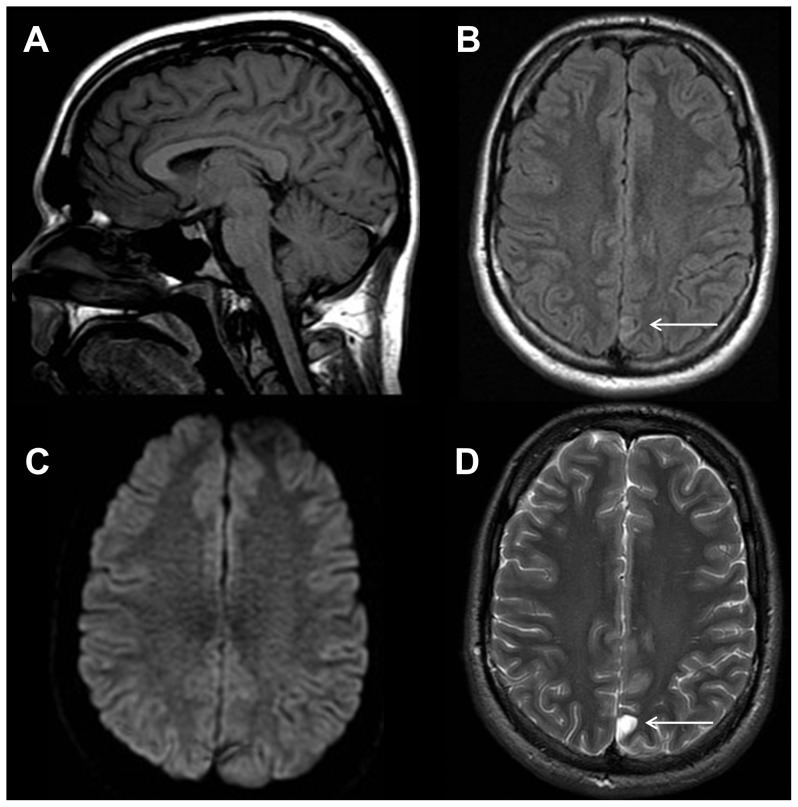
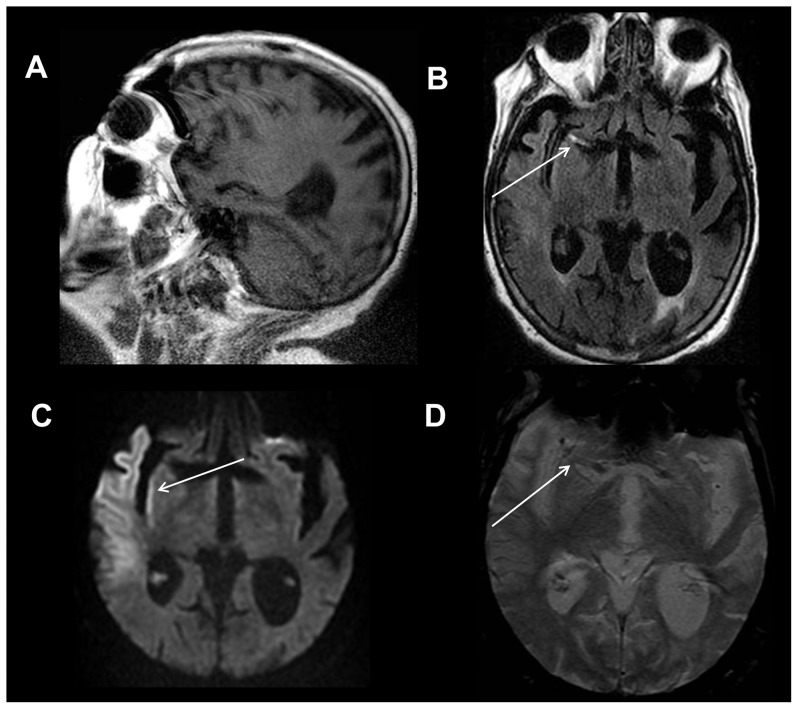
996 consecutive brain MRI studies from patients with new neurological complaints were divided into 2 groups. In group 1, reviewers used a 3-sequence set that included sagittal T1-weighted, axial T2-weighted fluid-attenuated inversion recovery, and axial diffusion-weighted images. Subsequently, another group of studies were reviewed using axial susceptibility-weighted images in addition to the 3 sequences. The reference standard was the study's official report. Discrepancies between the limited sequence review and the reference standard including Level I findings (that may require immediate change in patient management) were identified.
There were 84 major findings in 497 studies in group 1 with 21 not identified in the limited sequence evaluations: 12 enhancing lesions and 3 vascular abnormalities identified on MR angiography. The 3-sequence set did not reveal microhemorrhagic foci in 15 of 19 studies. There were 117 major findings in 499 studies in group 2 with 19 not identified on the 4-sequence set: 17 enhancing lesions and 2 vascular lesions identified on angiography. All 87 Level I findings were identified using limited sequence (56 acute infarcts, 16 hemorrhages, and 15 mass lesions).
A 4-pulse sequence brain MRI study is sufficient to evaluate patients with a new neurological complaint except when contrast or angiography is indicated.
背景/目的:有神经系统症状的患者接受磁共振成像(MRI)检查时,其检查方案可能包含多种脉冲序列。目前尚无文献记载哪些序列是必不可少的。我们评估了针对有新发神经系统症状患者使用有限数量序列的诊断准确性。
对996例有新发神经系统症状患者的连续脑部MRI检查结果分为两组。在第1组中,阅片者使用由矢状位T1加权像、轴位T2加权液体衰减反转恢复序列(FLAIR)和轴位扩散加权像组成的三序列组合。随后,另一组检查结果除这三个序列外还使用了轴位磁敏感加权像进行评估。参考标准为该检查的官方报告。确定有限序列评估与参考标准之间的差异,包括I级发现(可能需要立即改变患者的治疗方案)。
第1组497例检查中有84项主要发现,有限序列评估未发现其中21项:12个强化病变和磁共振血管造影发现的3个血管异常。在19项检查中有15项,三序列组合未显示微出血灶。第2组499例检查中有117项主要发现,四序列组合未发现其中19项:17个强化病变和血管造影发现的2个血管病变。所有87项I级发现均通过有限序列得以识别(56例急性梗死、16例出血和15例占位性病变)。
对于有新发神经系统症状的患者,除非需要使用对比剂或进行血管造影检查,四脉冲序列脑部MRI检查足以进行评估。