BMC Evol Biol. 2014 Oct 25;14:215. doi: 10.1186/s12862-014-0215-y.
Elucidating the mechanisms underlying coevolution of ligands and receptors is an important challenge in molecular evolutionary biology. Peptide hormones and their receptors are excellent models for such efforts, given the relative ease of examining evolutionary changes in genes encoding for both molecules. Most vertebrates possess multiple genes for both the decapeptide gonadotropin releasing hormone (GnRH) and for the GnRH receptor. The evolutionary history of the receptor family, including ancestral copy number and timing of duplications and deletions, has been the subject of controversy.
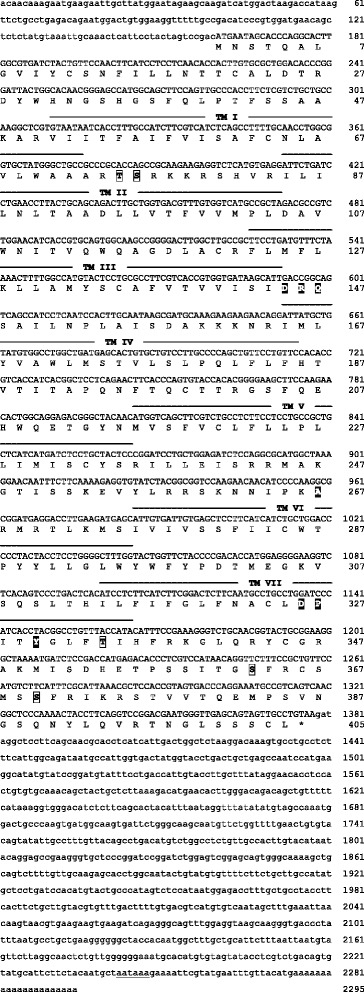
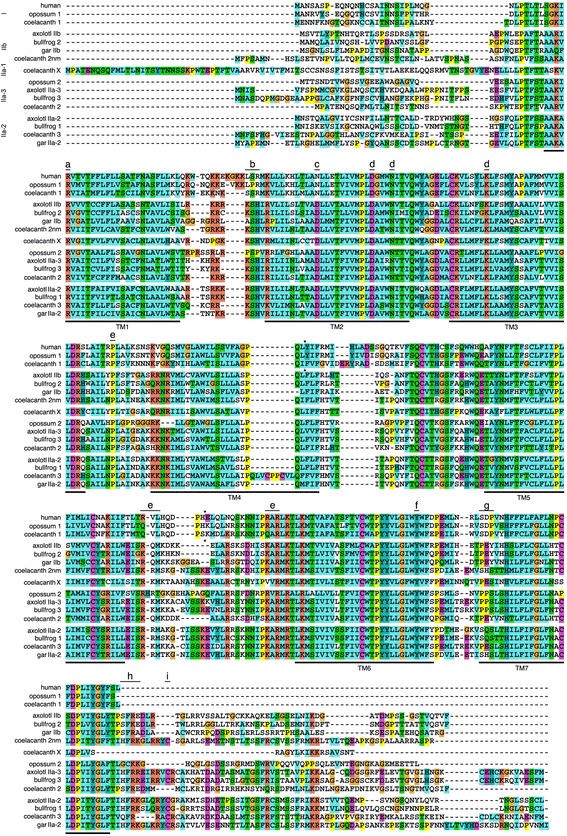
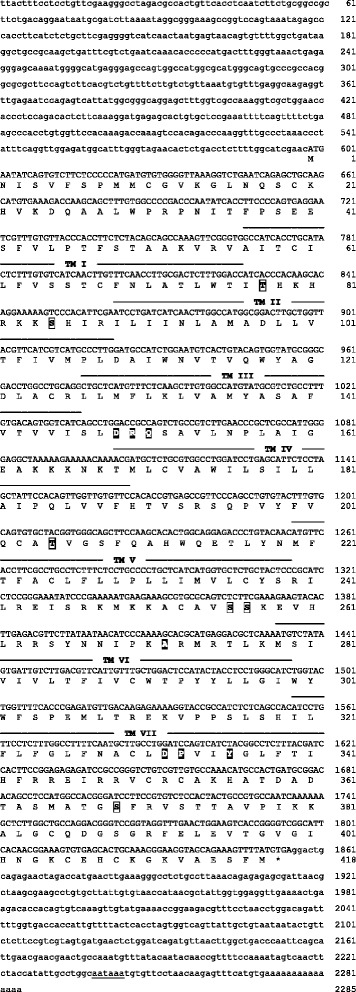
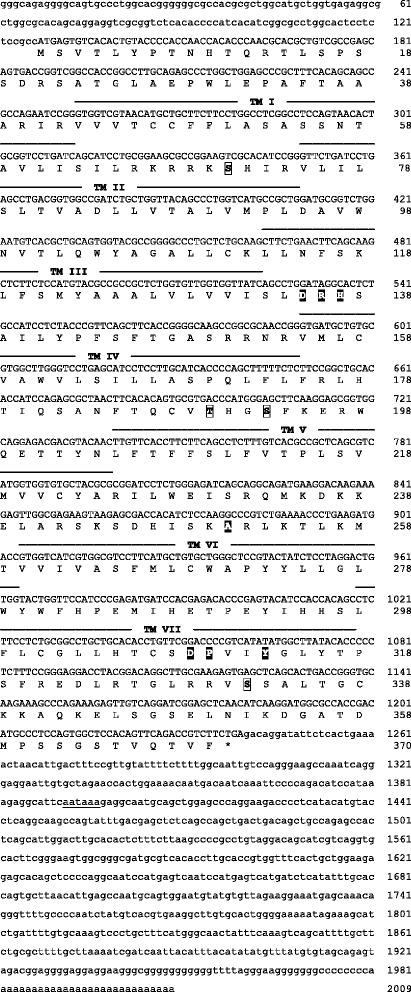
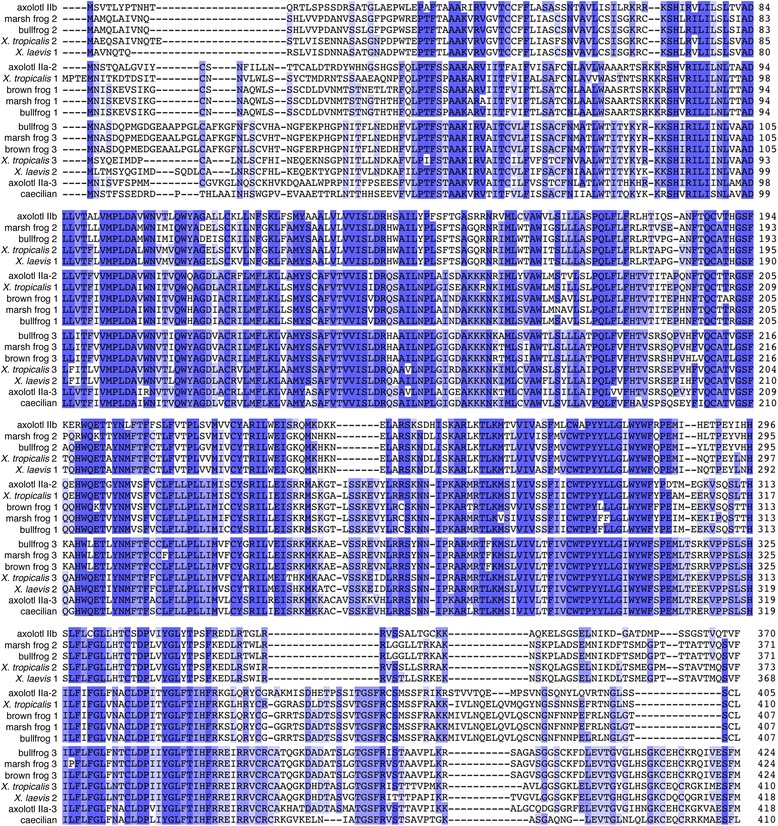
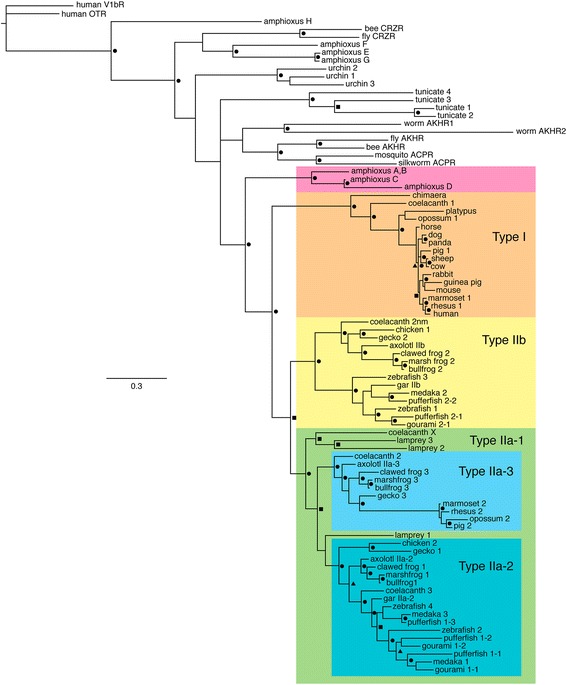
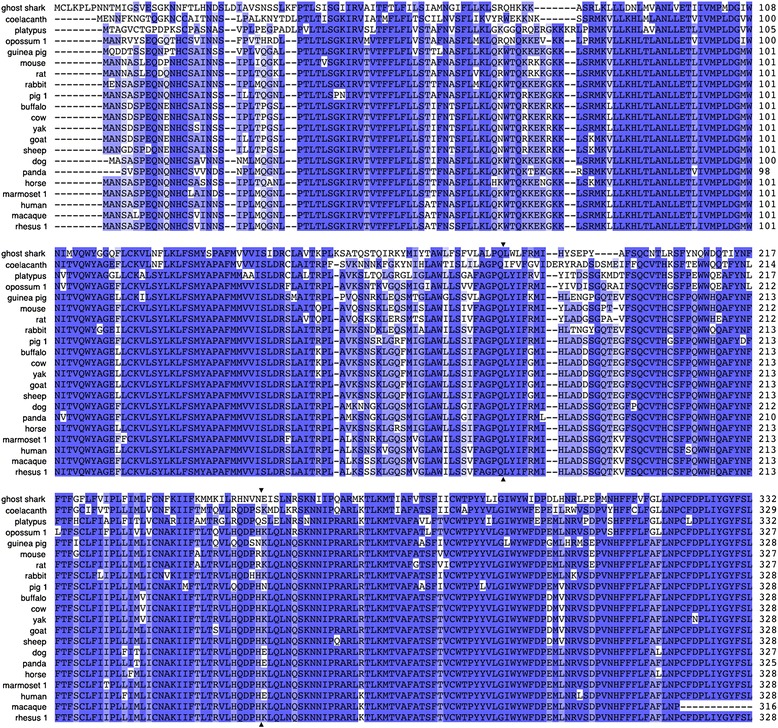
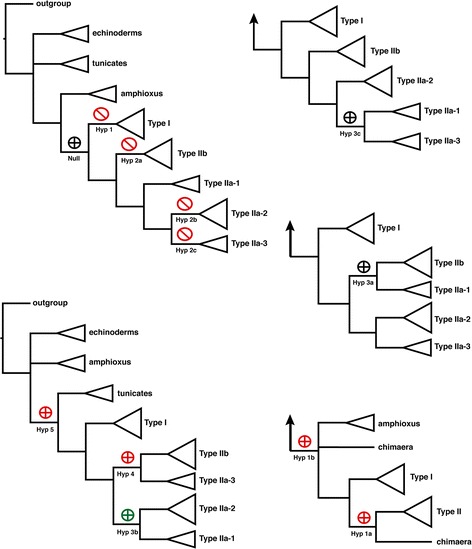
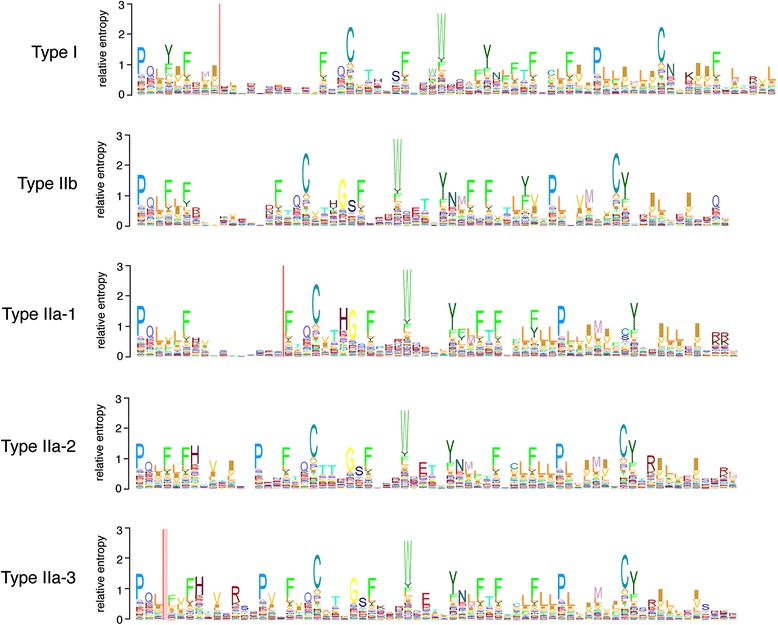
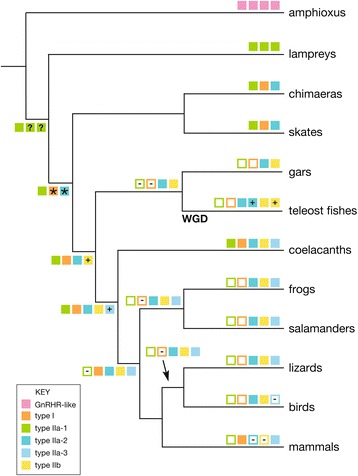
We report here for the first time sequences of three distinct GnRH receptor genes in salamanders (axolotls, Ambystoma mexicanum), which are orthologous to three GnRH receptors from ranid frogs. To understand the origin of these genes within the larger evolutionary context of the gene family, we performed phylogenetic analyses and probabilistic protein homology searches of GnRH receptor genes in vertebrates and their near relatives. Our analyses revealed four points that alter previous views about the evolution of the GnRH receptor gene family. First, the "mammalian" pituitary type GnRH receptor, which is the sole GnRH receptor in humans and previously presumed to be highly derived because it lacks the cytoplasmic C-terminal domain typical of most G-protein coupled receptors, is actually an ancient gene that originated in the common ancestor of jawed vertebrates (Gnathostomata). Second, unlike previous studies, we classify vertebrate GnRH receptors into five subfamilies. Third, the order of subfamily origins is the inverse of previous proposed models. Fourth, the number of GnRH receptor genes has been dynamic in vertebrates and their ancestors, with multiple duplications and losses.
Our results provide a novel evolutionary framework for generating hypotheses concerning the functional importance of structural characteristics of vertebrate GnRH receptors. We show that five subfamilies of vertebrate GnRH receptors evolved early in the vertebrate phylogeny, followed by several independent instances of gene loss. Chief among cases of gene loss are humans, best described as degenerate with respect to GnRH receptors because we retain only a single, ancient gene.
阐明配体和受体共同进化的机制是分子进化生物学的一个重要挑战。鉴于研究编码这两种分子的基因进化变化相对容易,肽激素及其受体是此类研究的理想模型。大多数脊椎动物都拥有多种十肽促性腺激素释放激素(GnRH)和 GnRH 受体基因。受体家族的进化历史,包括祖先拷贝数以及重复和缺失的时间,一直存在争议。
我们首次报道了三种不同的 GnRH 受体基因在蝾螈(墨西哥钝口螈,Ambystoma mexicanum)中的序列,这些基因与三种来自蛙科青蛙的 GnRH 受体同源。为了在基因家族的更大进化背景下了解这些基因的起源,我们对脊椎动物及其近亲的 GnRH 受体基因进行了系统发育分析和概率蛋白质同源性搜索。我们的分析揭示了四点改变了之前对 GnRH 受体基因家族进化的看法。首先,“哺乳动物”垂体型 GnRH 受体,它是人类中唯一的 GnRH 受体,以前由于缺乏大多数 G 蛋白偶联受体所具有的细胞质 C 端结构域而被认为是高度衍生的,实际上是一种古老的基因,起源于有颌脊椎动物(颌口类)的共同祖先。其次,与之前的研究不同,我们将脊椎动物 GnRH 受体分为五个亚家族。第三,亚家族起源的顺序与之前提出的模型相反。第四,在脊椎动物及其祖先中,GnRH 受体基因的数量是动态的,存在多次重复和丢失。
我们的研究结果为生成关于脊椎动物 GnRH 受体结构特征的功能重要性的假设提供了一个新的进化框架。我们表明,脊椎动物 GnRH 受体的五个亚家族在脊椎动物的系统发育早期就已经进化,随后发生了几次独立的基因丢失。基因丢失的主要例子是人类,人类可以说是与 GnRH 受体退化,因为我们只保留了一个古老的基因。