Capitanio John P, Hawkley Louise C, Cole Steven W, Cacioppo John T
Department of Psychology & California National Primate Research Center, University of California Davis, Davis, California, United States of America.
National Opinion Research Center, University of Chicago, Chicago, Illinois, United States of America.
PLoS One. 2014 Oct 29;9(10):e110307. doi: 10.1371/journal.pone.0110307. eCollection 2014.
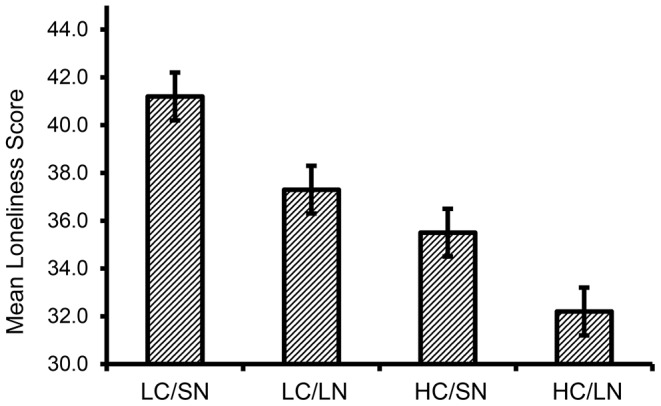
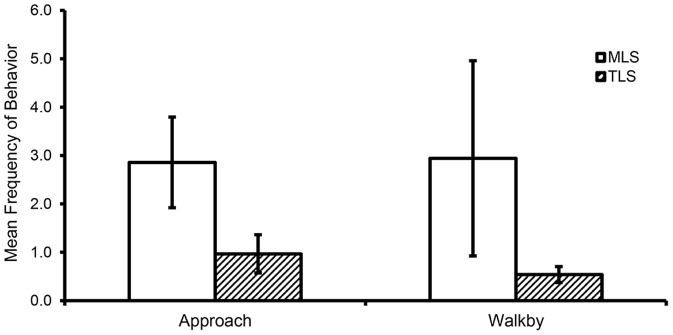
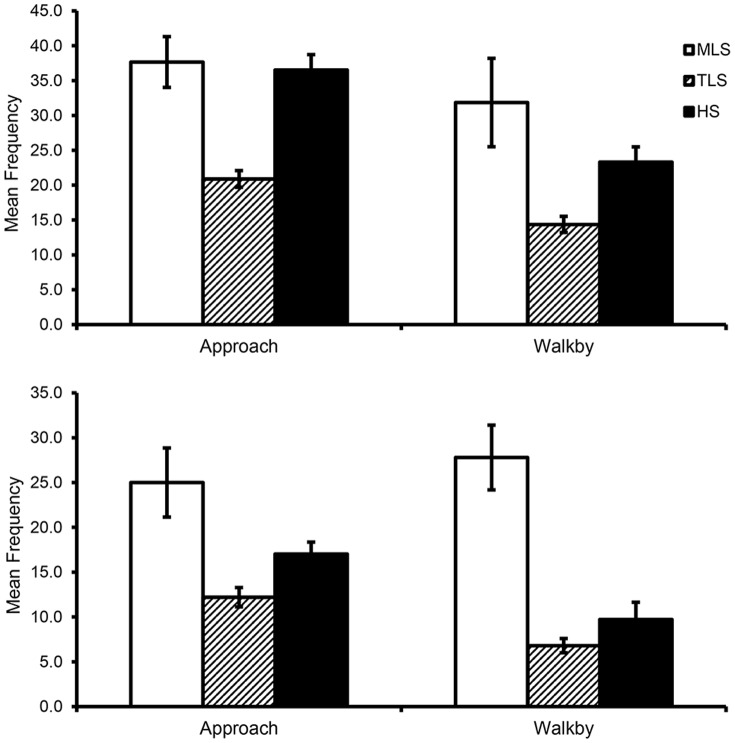
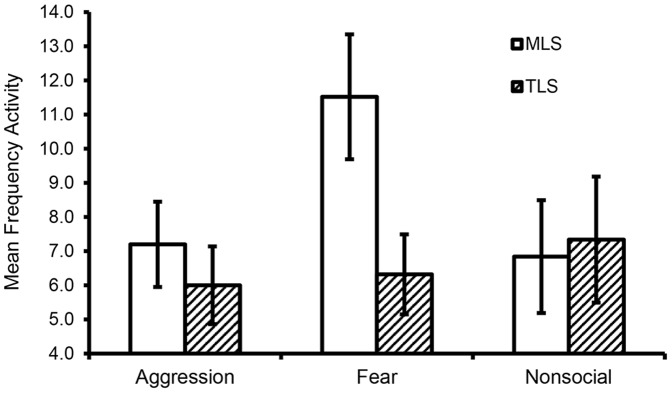
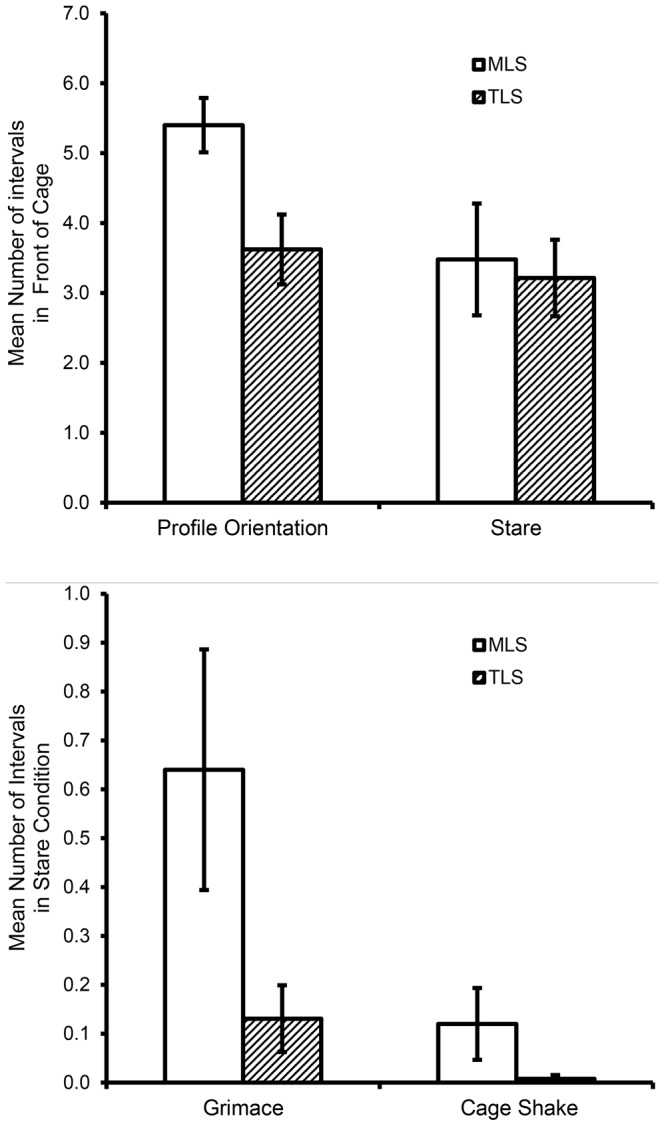
Social relationships endow health and fitness benefits, but considerable variation exists in the extent to which individuals form and maintain salutary social relationships. The mental and physical health effects of social bonds are more strongly related to perceived isolation (loneliness) than to objective social network characteristics. We sought to develop an animal model to facilitate the experimental analysis of the development of, and the behavioral and biological consequences of, loneliness. In Study 1, using a population-based sample of older adults, we examined how loneliness was influenced both by social network size and by the extent to which individuals believed that their daily social interactions reflected their own choice. Results revealed three distinct clusters of individuals: (i) individuals with large networks who believed they had high choice were lowest in loneliness, (ii) individuals with small social networks who believed they had low choice were highest in loneliness, and (iii) the remaining two groups were intermediate and equivalent in loneliness. In Study 2, a similar three-group structure was identified in two separate samples of adult male rhesus monkeys (Macaca mulatta) living in large social groups: (i) those high in sociability who had complex social interaction with a broad range of social partners (putatively low in loneliness), (ii) those low in sociability who showed tentative interactions with certain classes of social partners (putatively high in loneliness), and (iii) those low in sociability who interacted overall at low levels with a broad range of social partners (putatively low or intermediate in loneliness). This taxonomy in monkeys was validated in subsequent experimental social probe studies. These results suggest that, in highly social nonhuman primate species, some animals may show a mismatch between social interest and social attainment that could serve as a useful animal model for experimental and mechanistic studies of loneliness.
社会关系赋予健康和健身方面的益处,但个体在形成和维持有益社会关系的程度上存在相当大的差异。社会纽带对心理和身体健康的影响与感知到的孤立(孤独)的关联比与客观社会网络特征的关联更强。我们试图开发一种动物模型,以促进对孤独的发展及其行为和生物学后果进行实验分析。在研究1中,我们以老年人为基于人群的样本,研究了孤独感如何受到社会网络规模以及个体认为其日常社交互动反映自身选择程度的影响。结果揭示了三类不同的个体:(i)社交网络大且认为自己有高度选择权的个体孤独感最低;(ii)社交网络小且认为自己选择权低的个体孤独感最高;(iii)其余两组孤独感处于中间水平且相当。在研究2中,在生活在大型社会群体中的成年雄性恒河猴(猕猴)的两个独立样本中也发现了类似的三组结构:(i)社交性高且与广泛社交伙伴有复杂社交互动的个体(推测孤独感低);(ii)社交性低且与某些类别的社交伙伴有试探性互动的个体(推测孤独感高);(iii)社交性低且与广泛社交伙伴总体互动水平低的个体(推测孤独感低或处于中间水平)。猴子的这种分类在随后的实验性社会探测研究中得到了验证。这些结果表明,在高度社会化的非人类灵长类物种中,一些动物可能表现出社会兴趣与社会成就之间的不匹配,这可以作为孤独实验和机制研究的有用动物模型。