Gomez Mauricio, Pérez-Gallardo Rocío V, Sánchez Luis A, Díaz-Pérez Alma L, Cortés-Rojo Christian, Meza Carmen Victor, Saavedra-Molina Alfredo, Lara-Romero Javier, Jiménez-Sandoval Sergio, Rodríguez Francisco, Rodríguez-Zavala José S, Campos-García Jesús
Lab. Biotecnología Microbiana, Instituto de Investigaciones Químico-Biológicas, Universidad Michoacana de San Nicolás de Hidalgo, Morelia, Michoacán, México.
Lab. de Bioquímica, Instituto de Investigaciones Químico-Biológicas, Universidad Michoacana de San Nicolás de Hidalgo, Morelia, Michoacán, México.
PLoS One. 2014 Oct 30;9(10):e111585. doi: 10.1371/journal.pone.0111585. eCollection 2014.
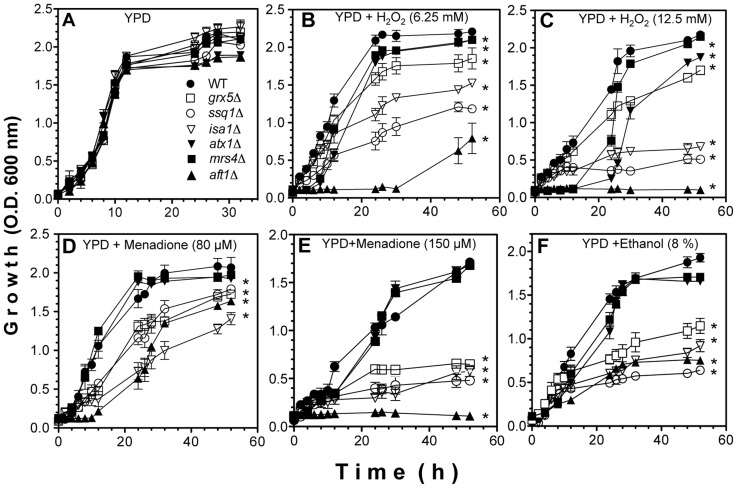
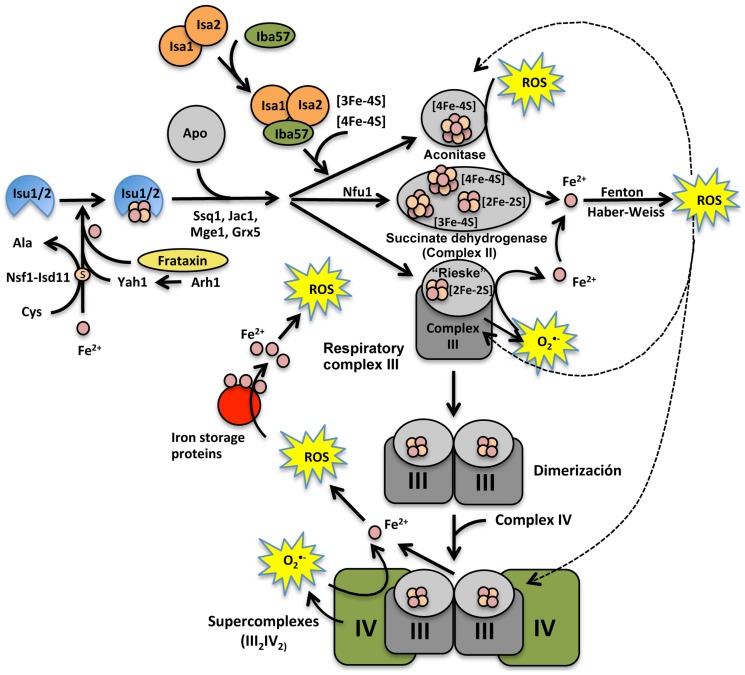
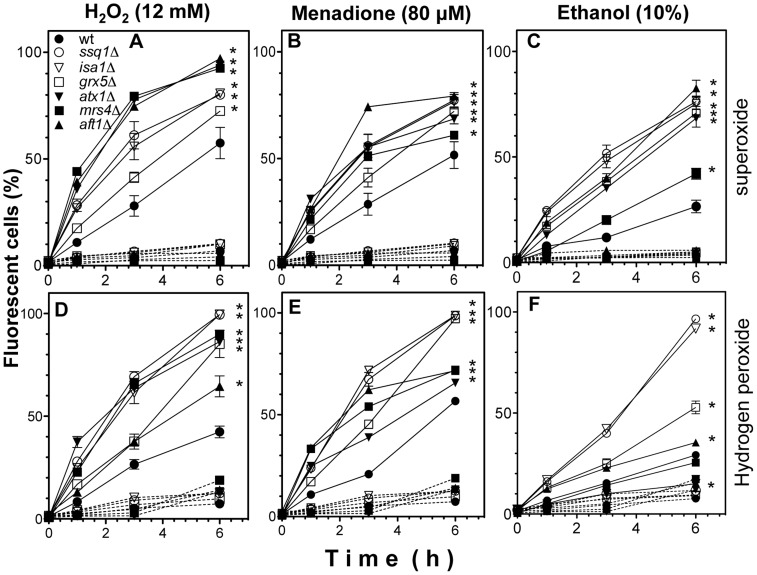
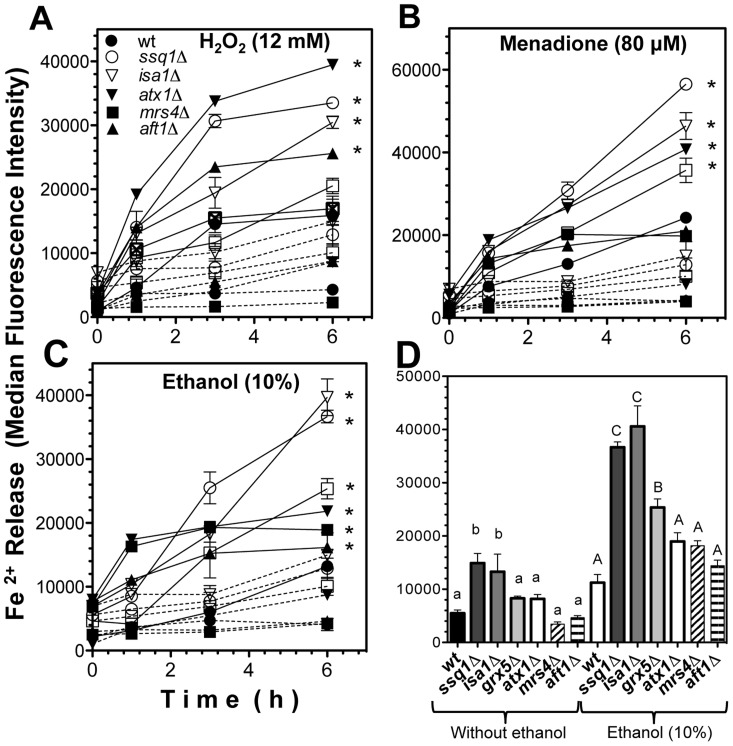
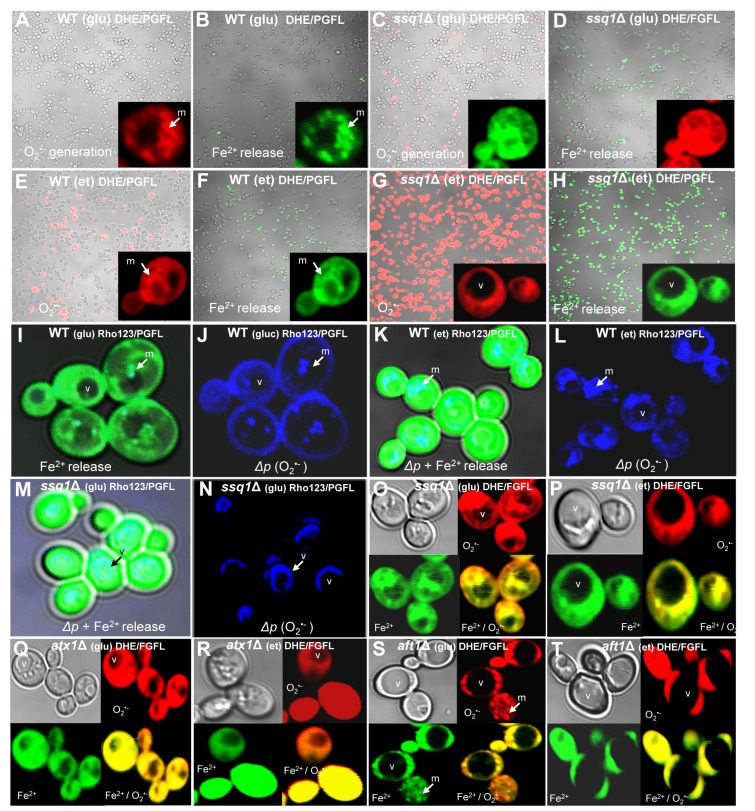
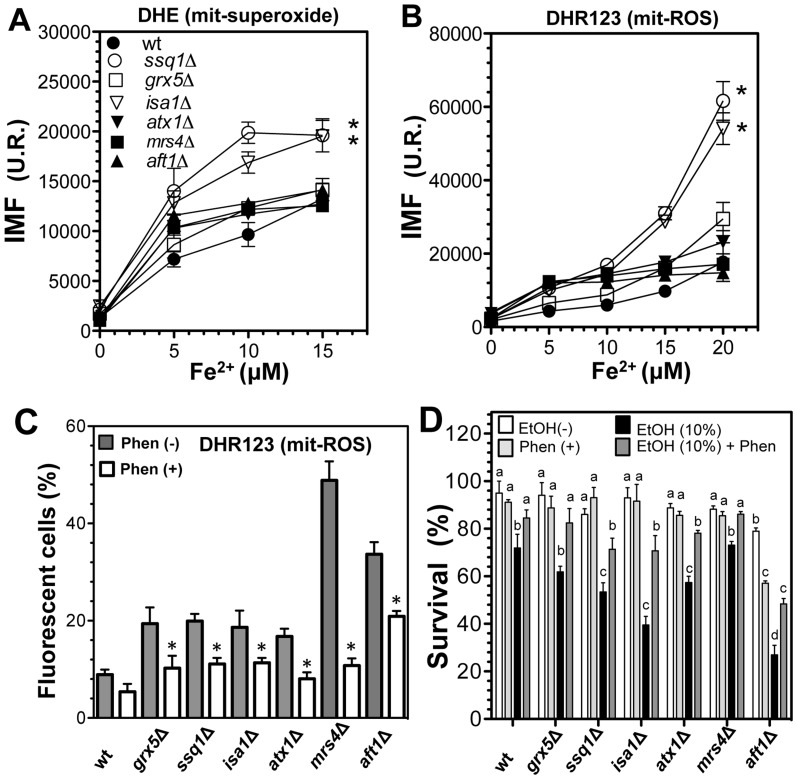
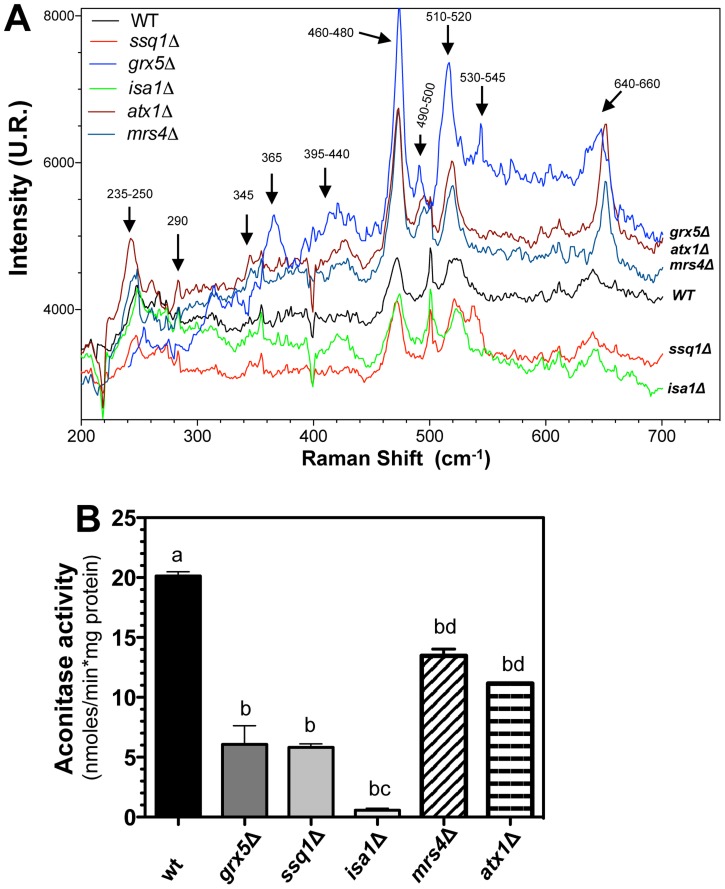
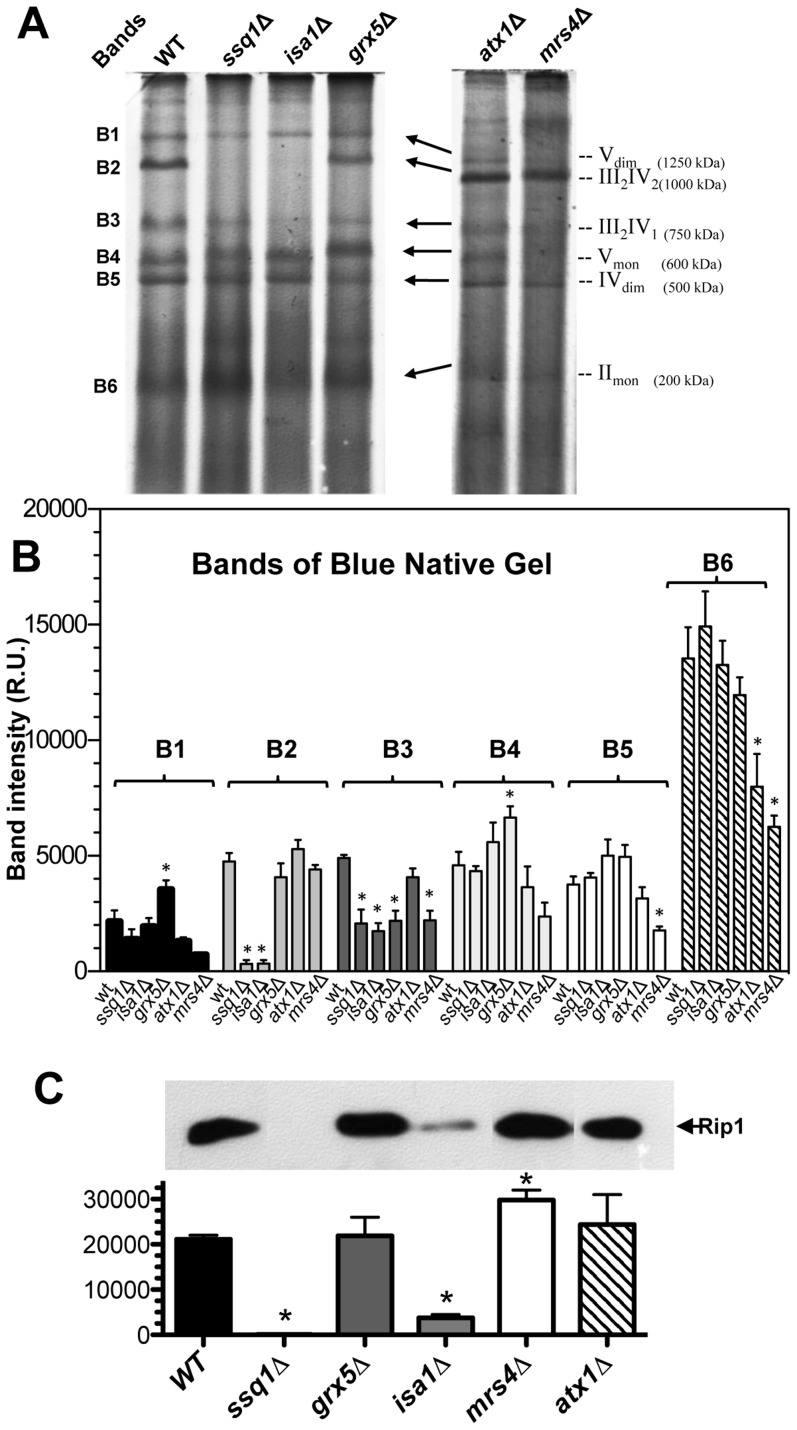
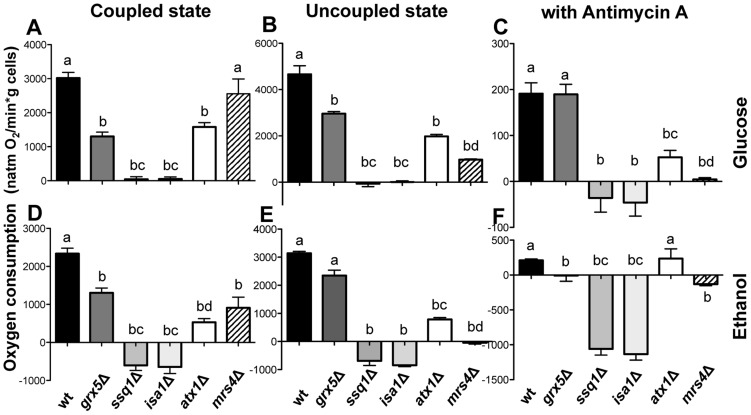
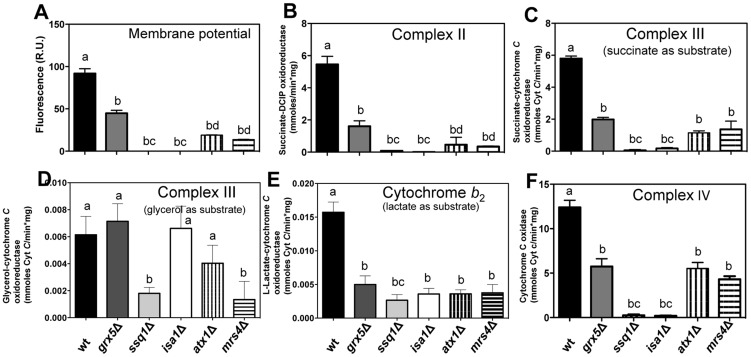
Biogenesis and recycling of iron-sulfur (Fe-S) clusters play important roles in the iron homeostasis mechanisms involved in mitochondrial function. In Saccharomyces cerevisiae, the Fe-S clusters are assembled into apoproteins by the iron-sulfur cluster machinery (ISC). The aim of the present study was to determine the effects of ISC gene deletion and consequent iron release under oxidative stress conditions on mitochondrial functionality in S. cerevisiae. Reactive oxygen species (ROS) generation, caused by H2O2, menadione, or ethanol, was associated with a loss of iron homeostasis and exacerbated by ISC system dysfunction. ISC mutants showed increased free Fe2+ content, exacerbated by ROS-inducers, causing an increase in ROS, which was decreased by the addition of an iron chelator. Our study suggests that the increment in free Fe2+ associated with ROS generation may have originated from mitochondria, probably Fe-S cluster proteins, under both normal and oxidative stress conditions, suggesting that Fe-S cluster anabolism is affected. Raman spectroscopy analysis and immunoblotting indicated that in mitochondria from SSQ1 and ISA1 mutants, the content of [Fe-S] centers was decreased, as was formation of Rieske protein-dependent supercomplex III2IV2, but this was not observed in the iron-deficient ATX1 and MRS4 mutants. In addition, the activity of complexes II and IV from the electron transport chain (ETC) was impaired or totally abolished in SSQ1 and ISA1 mutants. These results confirm that the ISC system plays important roles in iron homeostasis, ROS stress, and in assembly of supercomplexes III2IV2 and III2IV1, thus affecting the functionality of the respiratory chain.
铁硫(Fe-S)簇的生物合成与循环在参与线粒体功能的铁稳态机制中发挥着重要作用。在酿酒酵母中,Fe-S簇通过铁硫簇组装机制(ISC)组装到脱辅基蛋白中。本研究的目的是确定在氧化应激条件下ISC基因缺失及随之而来的铁释放对酿酒酵母线粒体功能的影响。由过氧化氢、甲萘醌或乙醇引起的活性氧(ROS)生成与铁稳态的丧失有关,并且ISC系统功能障碍会使其加剧。ISC突变体显示游离Fe2+含量增加,ROS诱导剂会使其进一步加剧,从而导致ROS增加,而添加铁螯合剂可使其降低。我们的研究表明,在正常和氧化应激条件下,与ROS生成相关的游离Fe2+增加可能源自线粒体,可能是Fe-S簇蛋白,这表明Fe-S簇的合成代谢受到影响。拉曼光谱分析和免疫印迹表明,在SSQ1和ISA1突变体的线粒体中,[Fe-S]中心的含量降低,依赖于Rieske蛋白的超复合物III2IV2的形成也减少,但在缺铁的ATX1和MRS4突变体中未观察到这种情况。此外,在SSQ1和ISA1突变体中,电子传递链(ETC)中复合物II和IV的活性受损或完全丧失。这些结果证实,ISC系统在铁稳态、ROS应激以及超复合物III2IV2和III2IV1的组装中发挥重要作用,从而影响呼吸链的功能。