Simon-Santamaria Jaione, Rinaldo Christine Hanssen, Kardas Piotr, Li Ruomei, Malovic Ivana, Elvevold Kjetil, McCourt Peter, Smedsrød Bård, Hirsch Hans H, Sørensen Karen Kristine
Department of Medical Biology, UiT - The Arctic University of Norway, Tromsø, Norway.
Department of Microbiology and Infection Control, University Hospital of North Norway, Tromsø, Norway; Department of Clinical Medicine, UiT - The Arctic University of Norway, Tromsø, Norway.
PLoS One. 2014 Nov 6;9(11):e111762. doi: 10.1371/journal.pone.0111762. eCollection 2014.
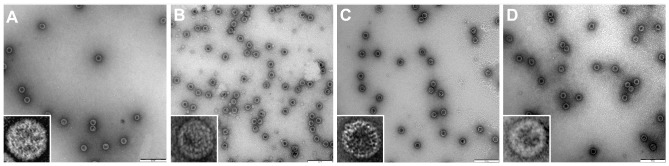
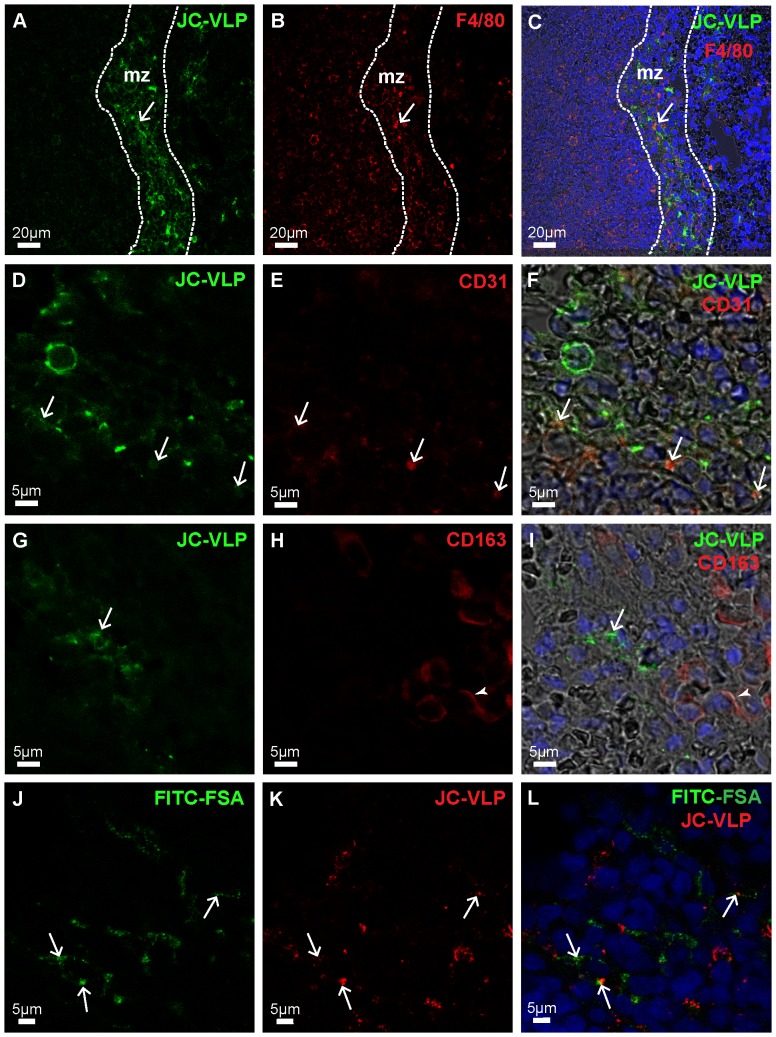
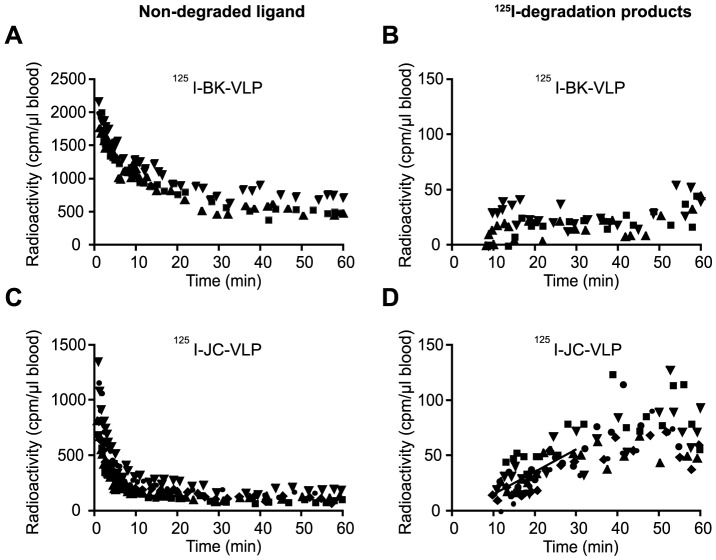
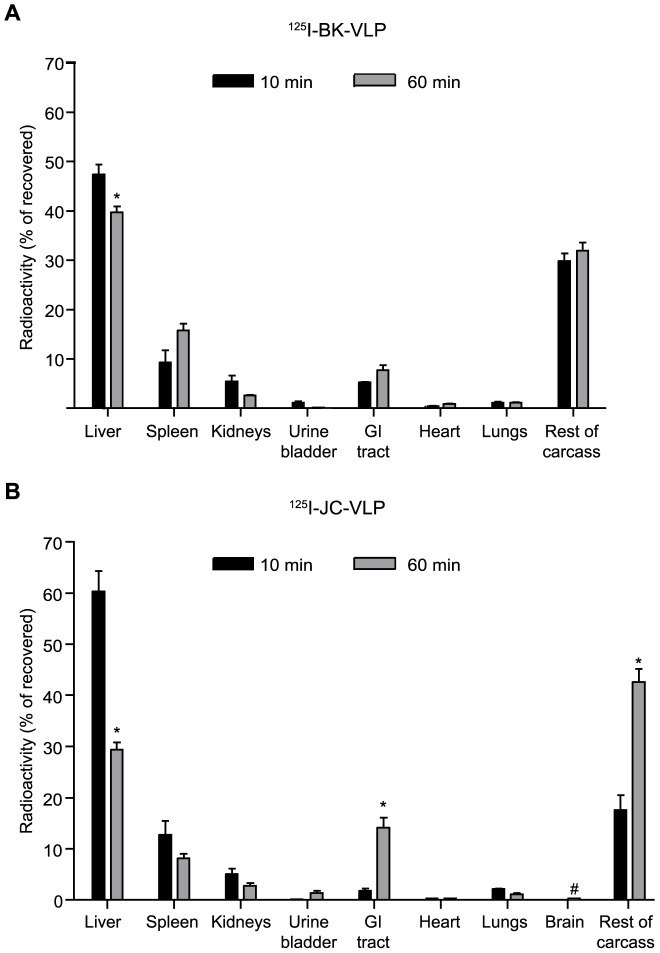
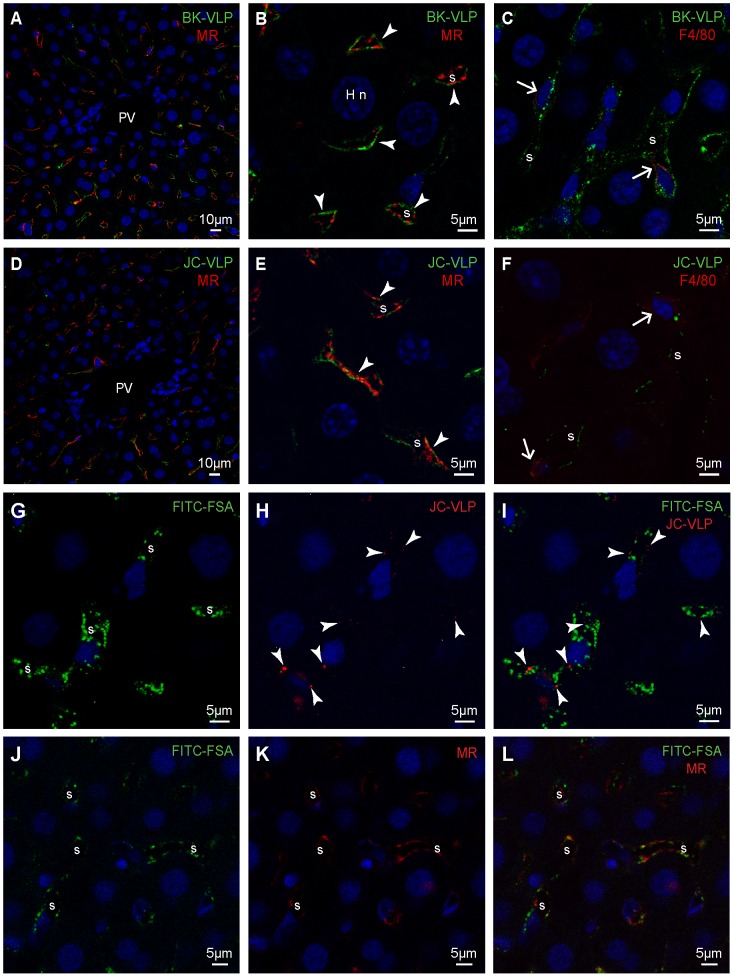
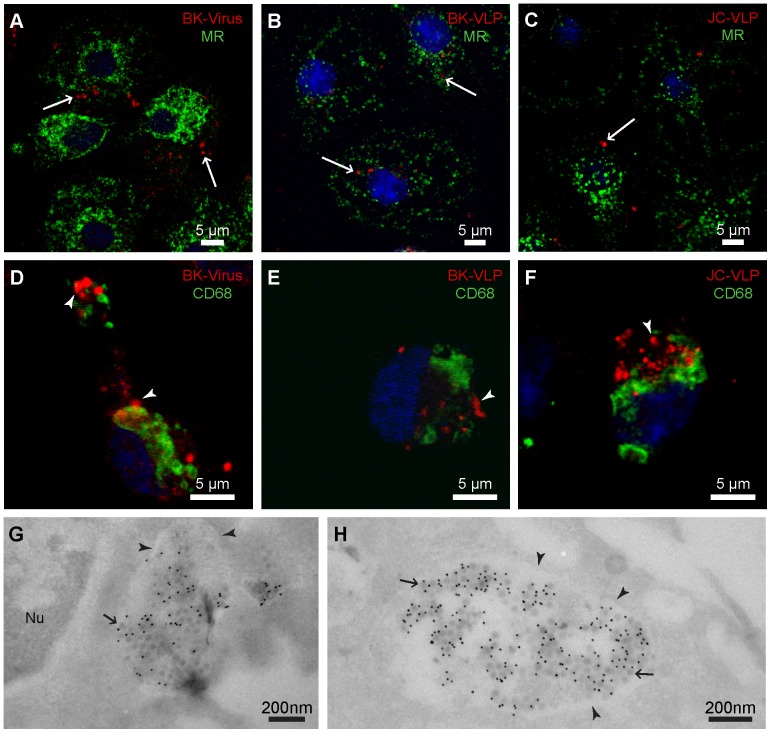
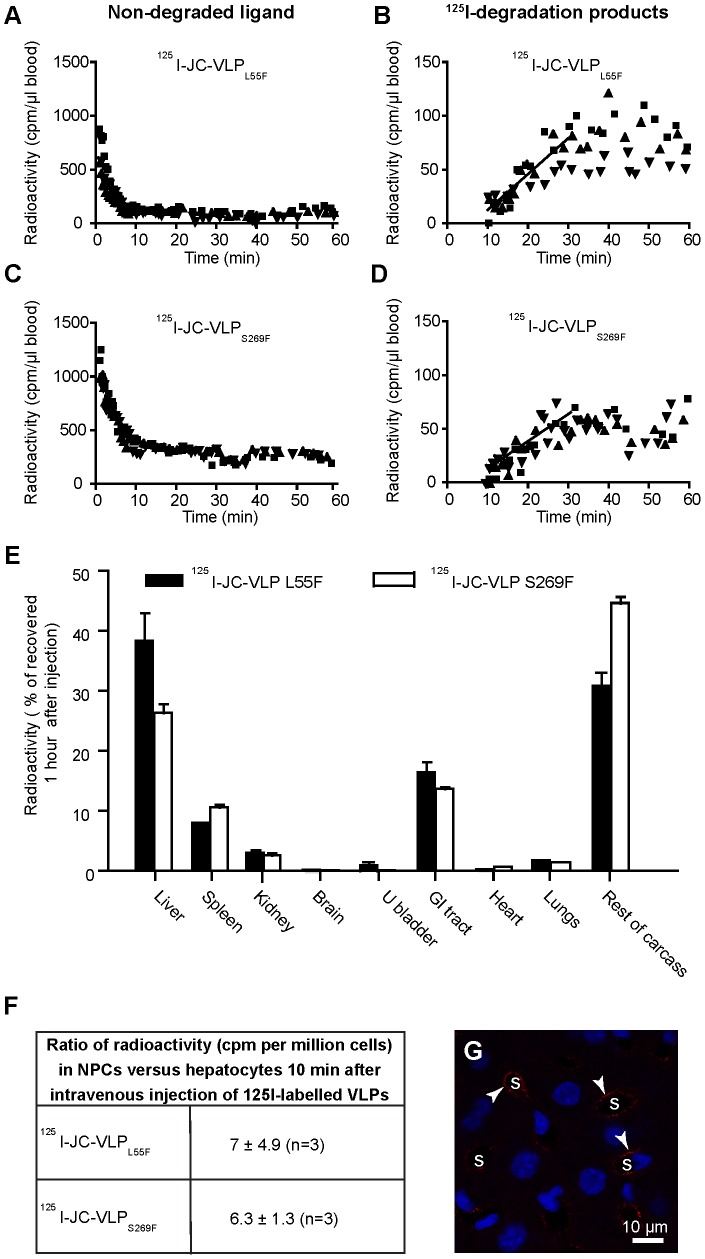
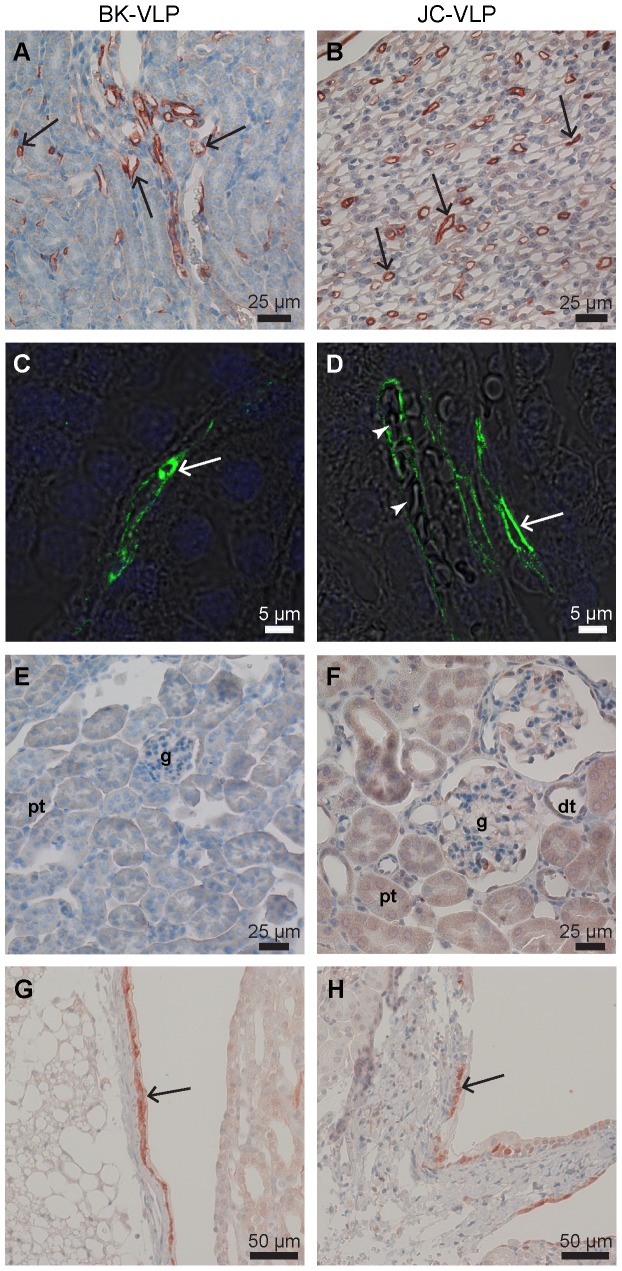
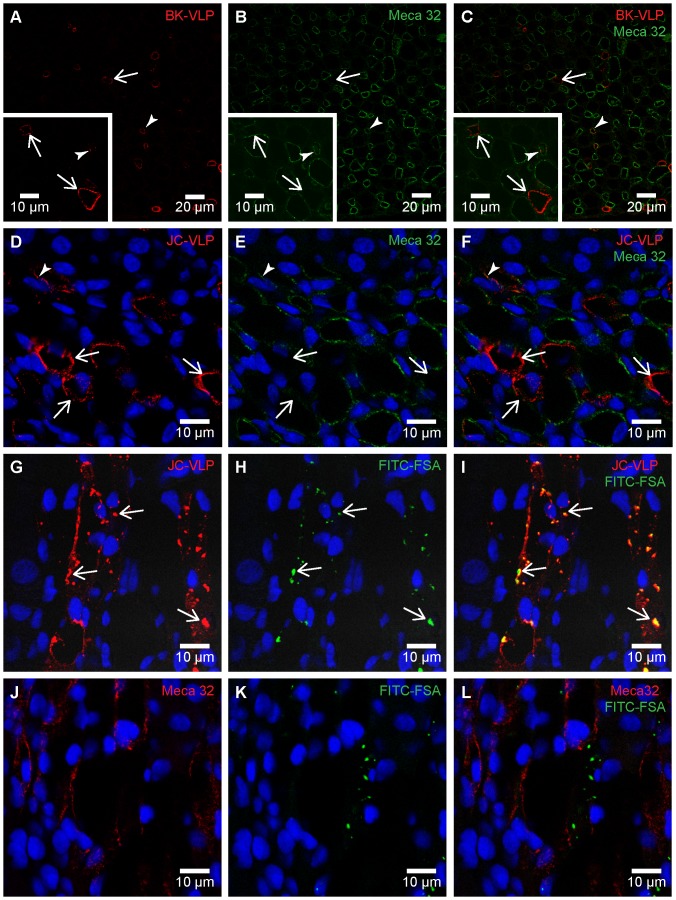
Liver sinusoidal endothelial cells (LSECs) are specialized scavenger cells that mediate high-capacity clearance of soluble waste macromolecules and colloid material, including blood-borne adenovirus. To explore if LSECs function as a sink for other viruses in blood, we studied the fate of virus-like particles (VLPs) of two ubiquitous human DNA viruses, BK and JC polyomavirus, in mice. Like complete virions, VLPs specifically bind to receptors and enter cells, but unlike complete virions, they cannot replicate. 125I-labeled VLPs were used to assess blood decay, organ-, and hepatocellular distribution of ligand, and non-labeled VLPs to examine cellular uptake by immunohisto- and -cytochemistry. BK- and JC-VLPs rapidly distributed to liver, with lesser uptake in kidney and spleen. Liver uptake was predominantly in LSECs. Blood half-life (∼1 min), and tissue distribution of JC-VLPs and two JC-VLP-mutants (L55F and S269F) that lack sialic acid binding affinity, were similar, indicating involvement of non-sialic acid receptors in cellular uptake. Liver uptake was not mediated by scavenger receptors. In spleen, the VLPs localized to the red pulp marginal zone reticuloendothelium, and in kidney to the endothelial lining of vasa recta segments, and the transitional epithelium of renal pelvis. Most VLP-positive vessels in renal medulla did not express PV-1/Meca 32, suggesting location to the non-fenestrated part of vasa recta. The endothelial cells of these vessels also efficiently endocytosed a scavenger receptor ligand, formaldehyde-denatured albumin, suggesting high endocytic activity compared to other renal endothelia. We conclude that LSECs very effectively cleared a large fraction of blood-borne BK- and JC-VLPs, indicating a central role of these cells in early removal of polyomavirus from the circulation. In addition, we report the novel finding that a subpopulation of endothelial cells in kidney, the main organ of polyomavirus persistence, showed selective and rapid uptake of VLPs, suggesting a role in viremic organ tropism.
肝窦内皮细胞(LSECs)是一种特殊的清道夫细胞,可介导可溶性废物大分子和胶体物质的高容量清除,包括血源性腺病毒。为了探究LSECs是否作为血液中其他病毒的“汇”,我们研究了两种常见的人类DNA病毒——BK和JC多瘤病毒的病毒样颗粒(VLPs)在小鼠体内的命运。与完整病毒粒子一样,VLPs能特异性结合受体并进入细胞,但与完整病毒粒子不同的是,它们不能复制。用125I标记的VLPs评估配体的血液衰变、器官及肝细胞分布,用未标记的VLPs通过免疫组织化学和免疫细胞化学检测细胞摄取情况。BK和JC-VLPs迅速分布到肝脏,在肾脏和脾脏中的摄取较少。肝脏摄取主要发生在LSECs。JC-VLPs及其两个缺乏唾液酸结合亲和力的突变体(L55F和S269F)的血液半衰期(约1分钟)和组织分布相似,表明非唾液酸受体参与细胞摄取。肝脏摄取不是由清道夫受体介导的。在脾脏中,VLPs定位于红髓边缘区网状内皮细胞,在肾脏中定位于直小血管段的内皮衬里和肾盂的移行上皮。肾髓质中大多数VLP阳性血管不表达PV-1/Meca 32,提示定位于直小血管的非窗孔部分。这些血管的内皮细胞也能有效内吞一种清道夫受体配体——甲醛变性白蛋白,表明与其他肾内皮细胞相比具有较高的内吞活性。我们得出结论,LSECs能非常有效地清除大部分血源性BK和JC-VLPs,表明这些细胞在从循环中早期清除多瘤病毒方面发挥着核心作用。此外,我们报告了一项新发现,即在多瘤病毒持续存在的主要器官——肾脏中,一部分内皮细胞表现出对VLPs的选择性快速摄取,提示其在病毒血症器官嗜性中发挥作用。