Bordiuk Olivia L, Smith Karen, Morin Peter J, Semënov Mikhail V
New England Geriatric Research Education and Clinical Center, Bedford Division, Edith Nourse Rogers Memorial Veterans Hospital, Bedford, Massachusetts, United States of America.
PLoS One. 2014 Nov 6;9(11):e111453. doi: 10.1371/journal.pone.0111453. eCollection 2014.
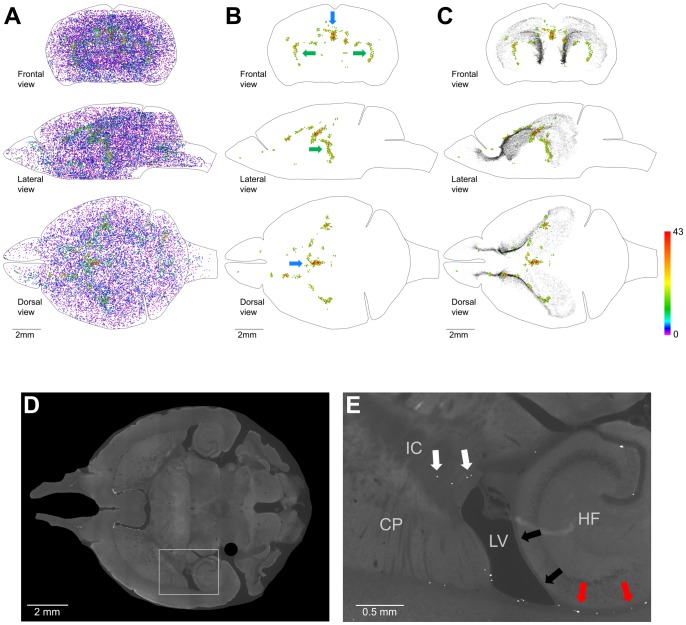
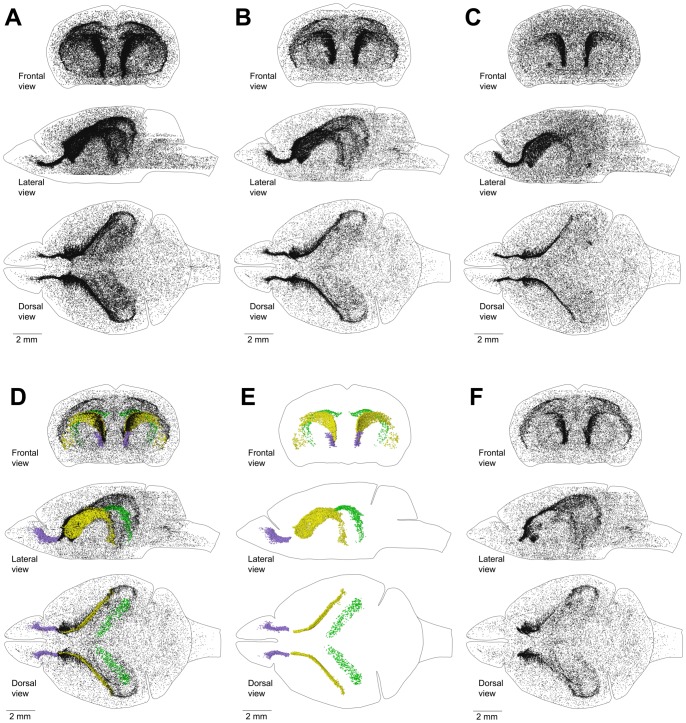
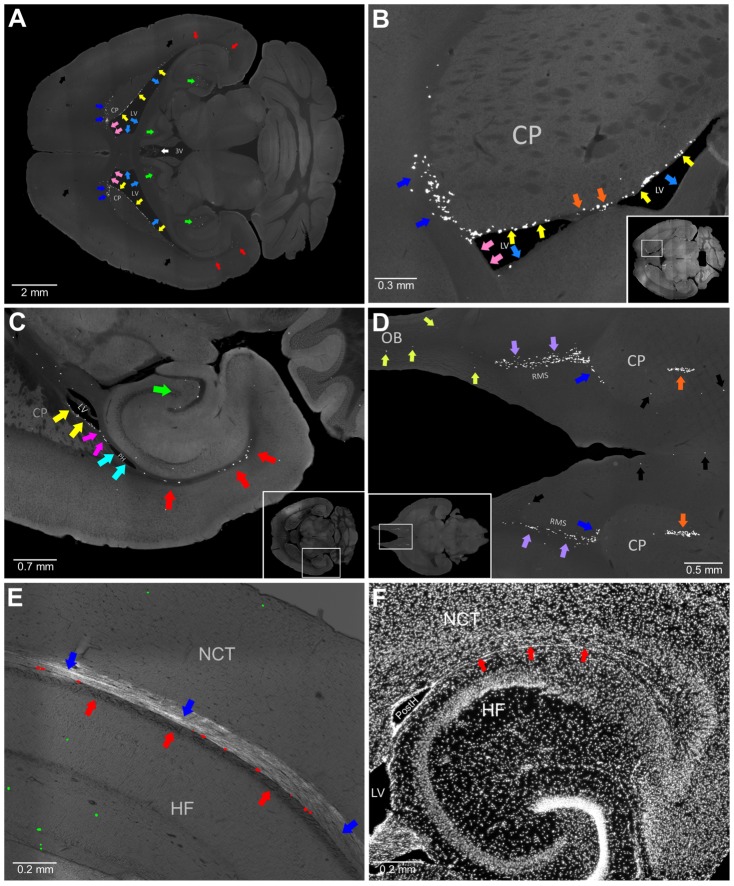
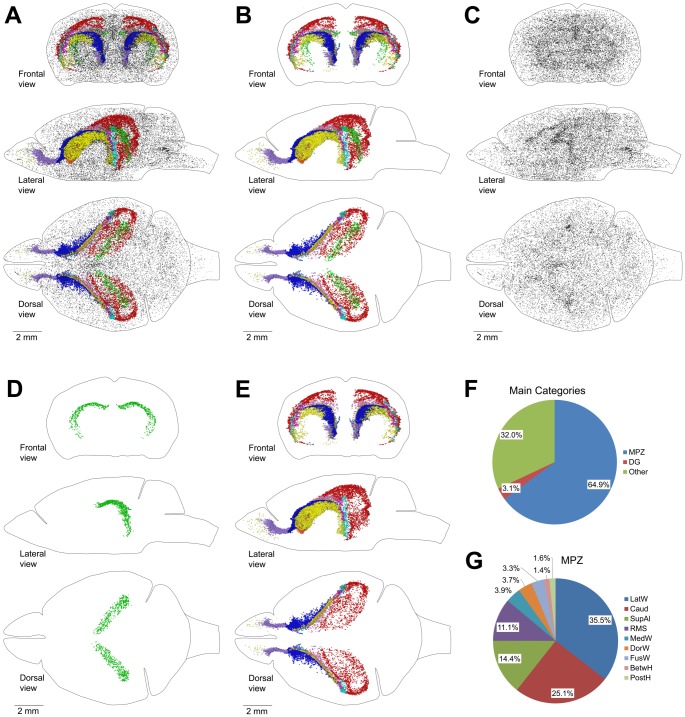
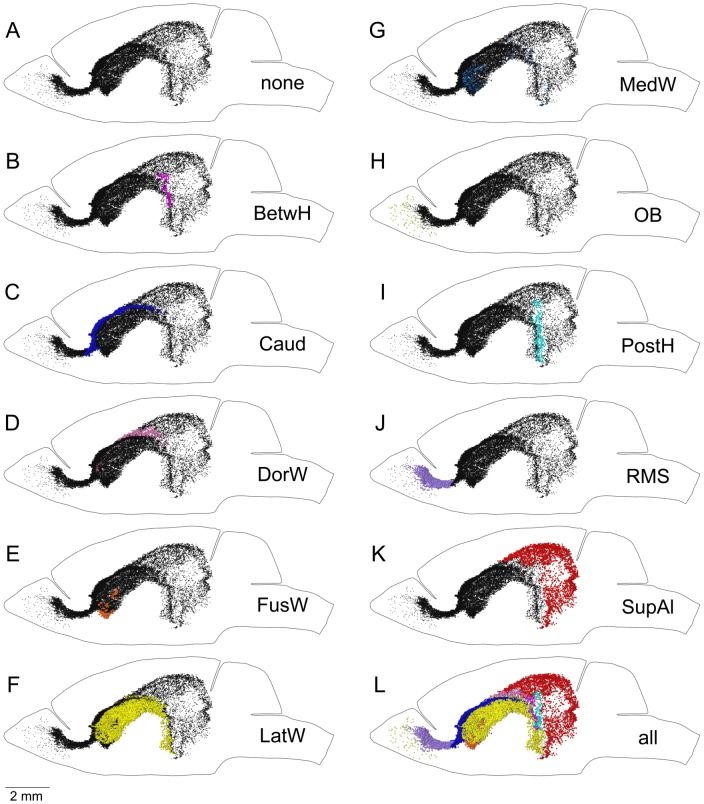
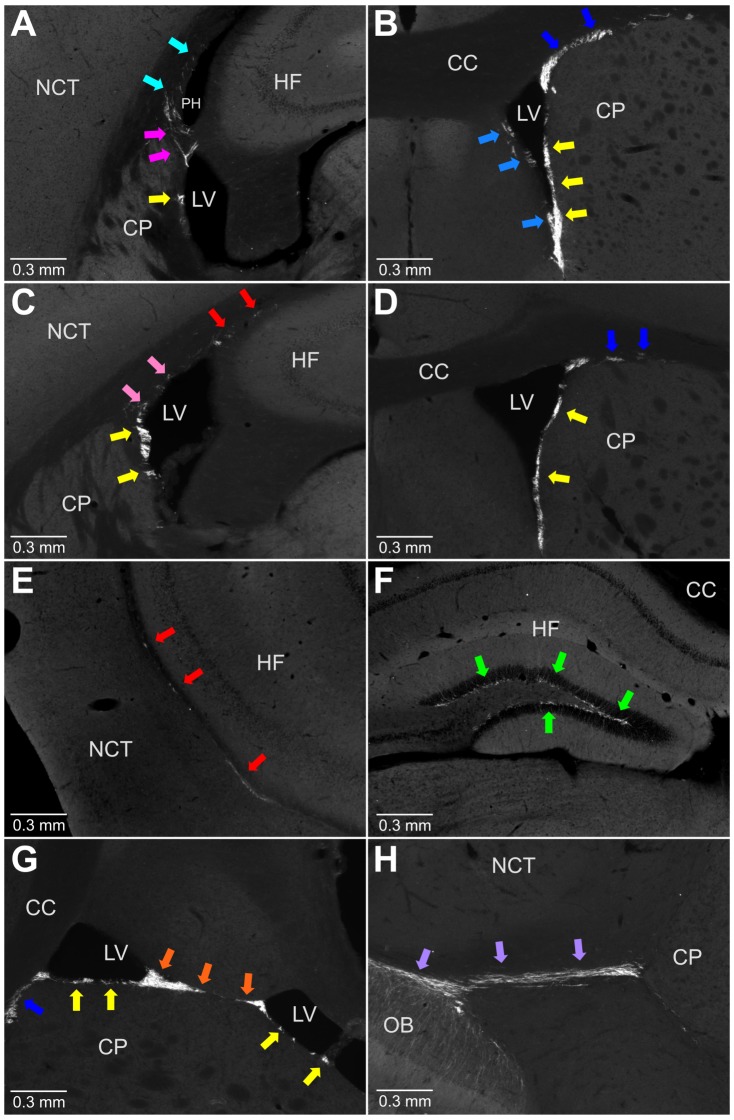
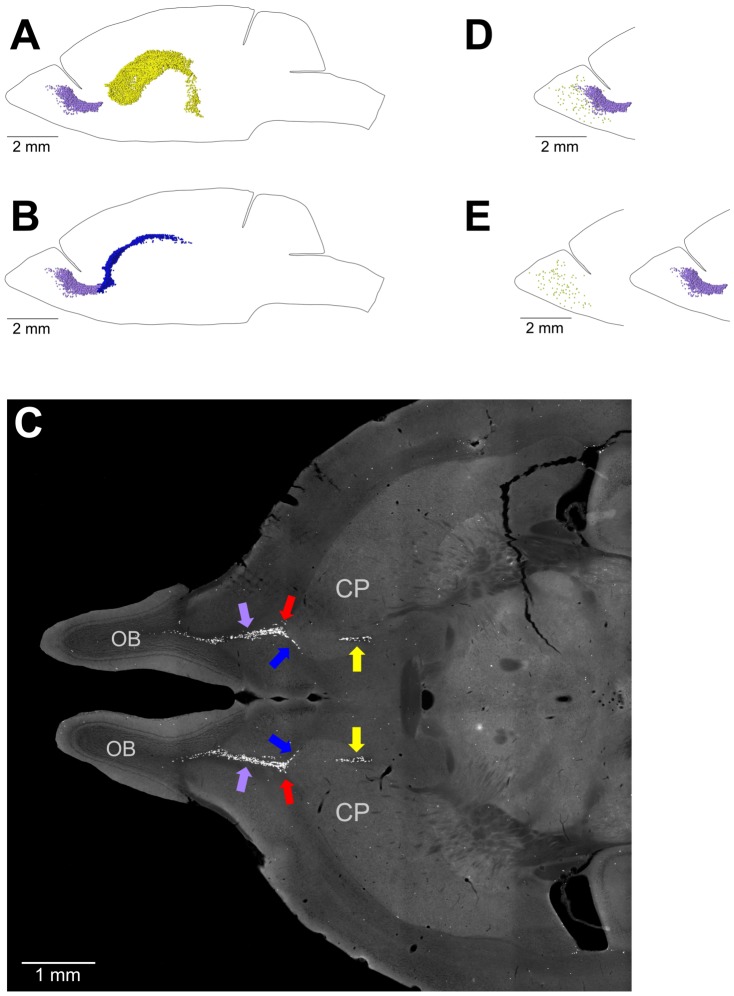
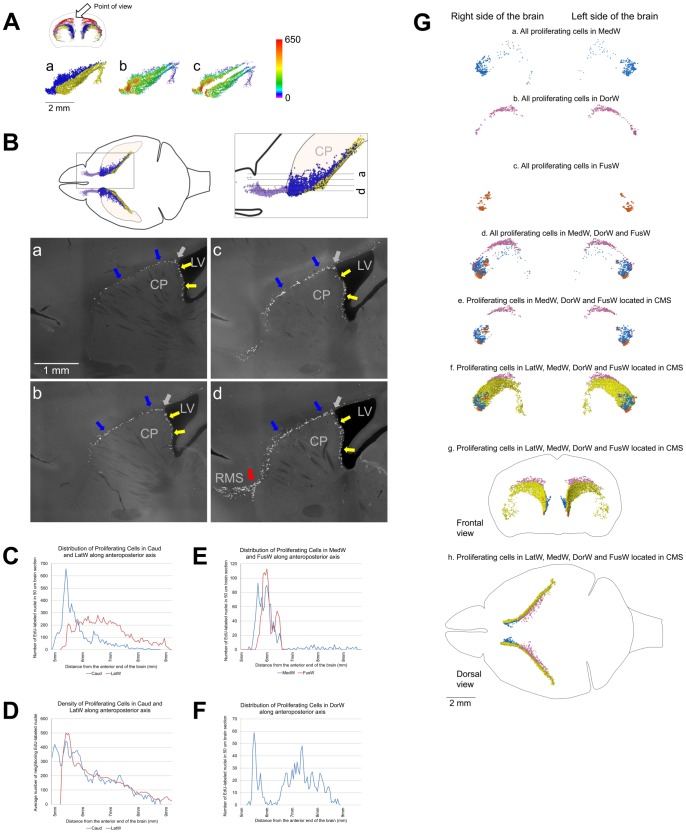
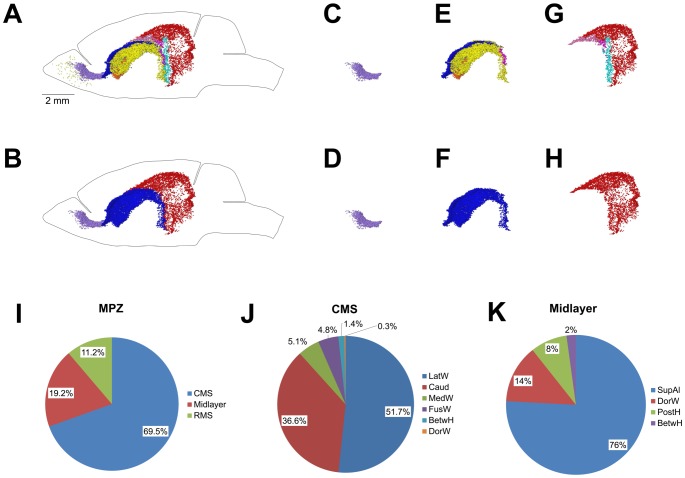
Neurogenesis, the formation of new neurons, can be observed in the adult brain of many mammalian species, including humans. Despite significant progress in our understanding of adult neurogenesis, we are still missing data about the extent and location of production of neural precursors in the adult mammalian brain. We used 5-ethynyl-2'-deoxyuridine (EdU) to map the location of proliferating cells throughout the entire adult mouse brain and found that neurogenesis occurs at two locations in the mouse brain. The larger one we define as the main proliferative zone (MPZ), and the smaller one corresponds to the subgranular zone of the hippocampus. The MPZ can be divided into three parts. The caudate migratory stream (CMS) occupies the middle part of the MPZ. The cable of proliferating cells emanating from the most anterior part of the CMS toward the olfactory bulbs forms the rostral migratory stream. The thin layer of proliferating cells extending posteriorly from the CMS forms the midlayer. We have not found any additional aggregations of proliferating cells in the adult mouse brain that could suggest the existence of other major neurogenic zones in the adult mouse brain.
神经发生,即新神经元的形成,在包括人类在内的许多哺乳动物的成年大脑中都可以观察到。尽管我们对成年神经发生的理解取得了重大进展,但我们仍然缺乏关于成年哺乳动物大脑中神经前体细胞产生范围和位置的数据。我们使用5-乙炔基-2'-脱氧尿苷(EdU)来绘制整个成年小鼠大脑中增殖细胞的位置,发现神经发生发生在小鼠大脑的两个位置。较大的一个我们定义为主增殖区(MPZ),较小的一个对应于海马体的颗粒下区。MPZ可分为三个部分。尾状迁移流(CMS)占据MPZ的中部。从CMS最前部向嗅球发出的增殖细胞束形成头端迁移流。从CMS向后延伸的增殖细胞薄层形成中层。我们在成年小鼠大脑中未发现任何其他增殖细胞聚集,这表明成年小鼠大脑中不存在其他主要的神经发生区。