Chigaev Alexandre, Smagley Yelena, Haynes Mark K, Ursu Oleg, Bologa Cristian G, Halip Liliana, Oprea Tudor, Waller Anna, Carter Mark B, Zhang Yinan, Wang Wei, Buranda Tione, Sklar Larry A
Department of Pathology and Cancer Center,
Department of Pathology and Cancer Center.
Mol Biol Cell. 2015 Jan 1;26(1):43-54. doi: 10.1091/mbc.E14-06-1050. Epub 2014 Nov 5.
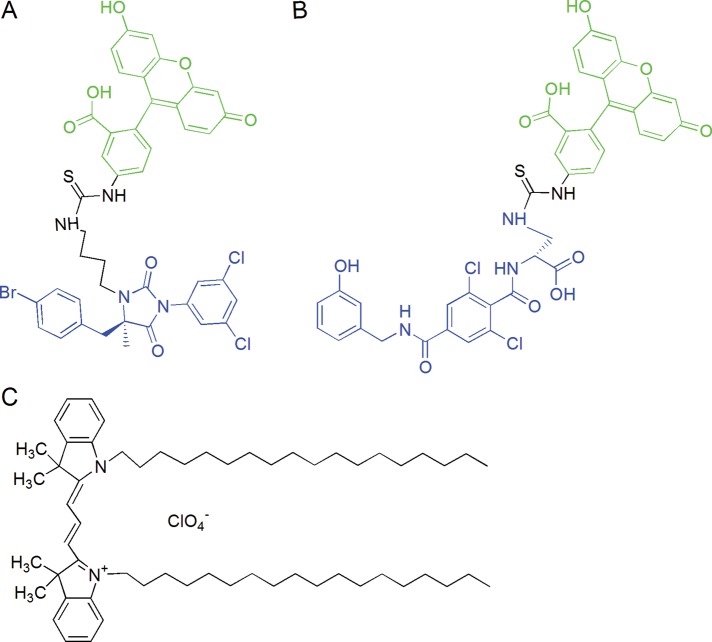
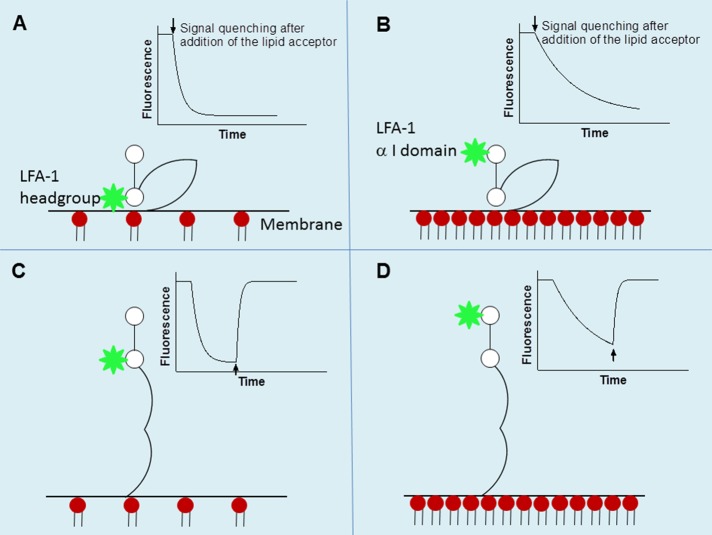
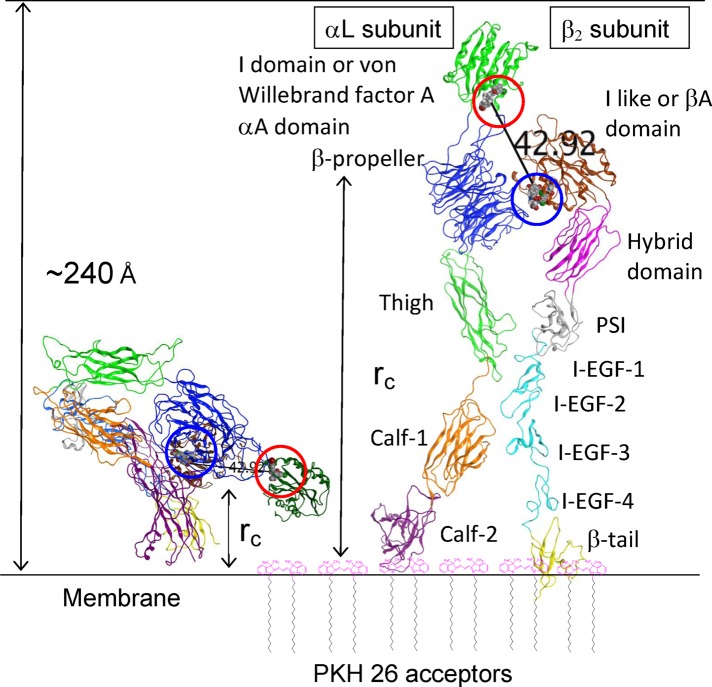
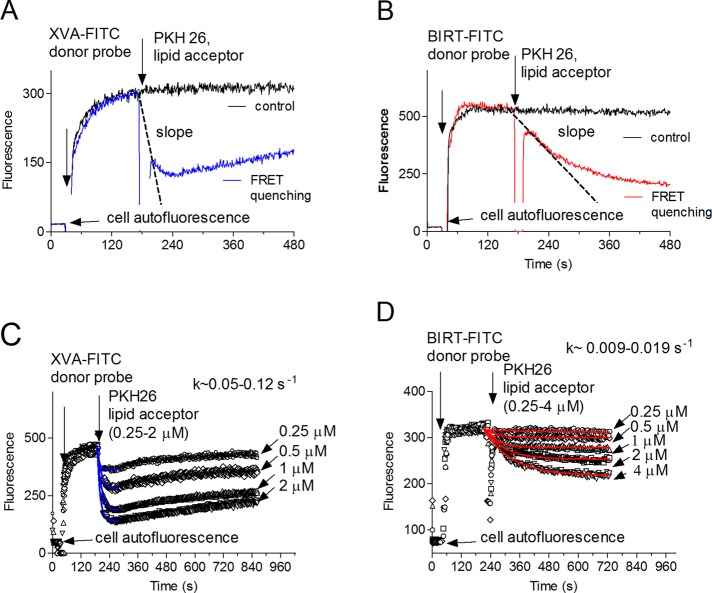
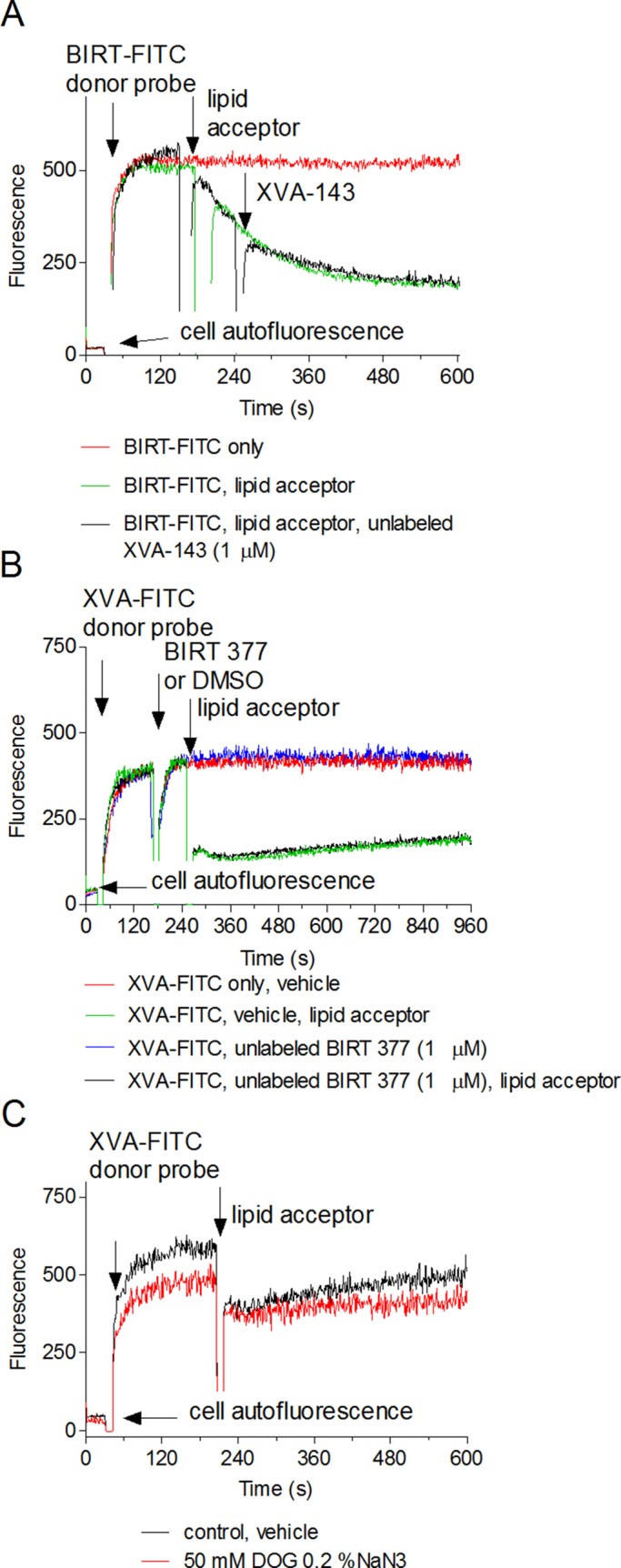
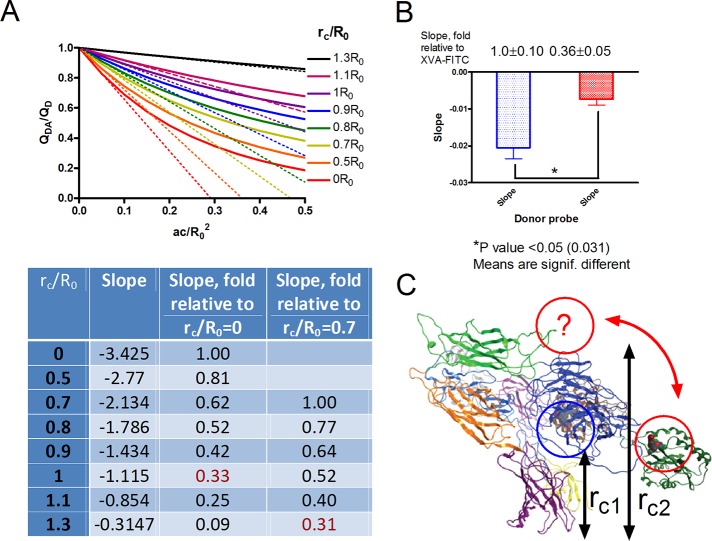
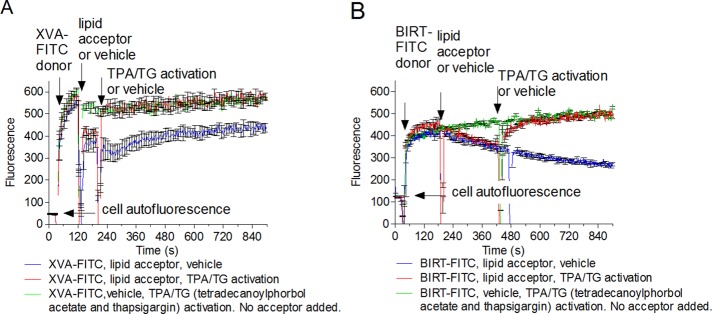
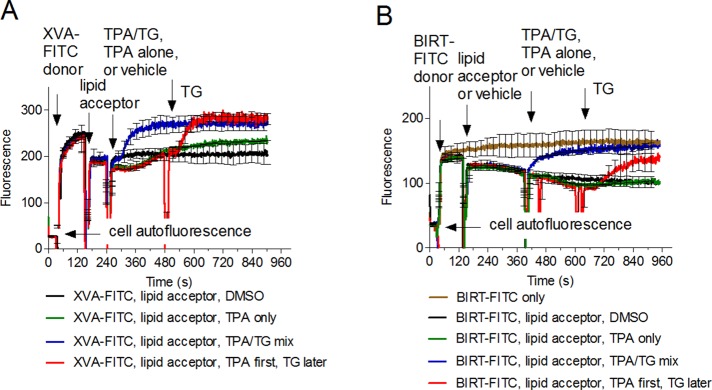
Lymphocyte function-associated antigen 1 (LFA-1, CD11a/CD18, αLβ2-integrin) and its ligands are essential for adhesion between T-cells and antigen-presenting cells, formation of the immunological synapse, and other immune cell interactions. LFA-1 function is regulated through conformational changes that include the modulation of ligand binding affinity and molecular extension. However, the relationship between molecular conformation and function is unclear. Here fluorescence resonance energy transfer (FRET) with new LFA-1-specific fluorescent probes showed that triggering of the pathway used for T-cell activation induced rapid unquenching of the FRET signal consistent with extension of the molecule. Analysis of the FRET quenching at rest revealed an unexpected result that can be interpreted as a previously unknown LFA-1 conformation.
淋巴细胞功能相关抗原1(LFA-1,CD11a/CD18,αLβ2整合素)及其配体对于T细胞与抗原呈递细胞之间的黏附、免疫突触的形成以及其他免疫细胞相互作用至关重要。LFA-1的功能通过构象变化来调节,这些变化包括配体结合亲和力的调节和分子伸展。然而,分子构象与功能之间的关系尚不清楚。在这里,使用新型LFA-1特异性荧光探针的荧光共振能量转移(FRET)表明,用于T细胞活化的信号通路的触发诱导了FRET信号的快速去淬灭,这与分子的伸展一致。对静止状态下FRET淬灭的分析揭示了一个意想不到的结果,该结果可被解释为一种先前未知的LFA-1构象。