Stępniewska Zofia, Kuźniar Agnieszka
Department of Biochemistry and Environmental Chemistry, The John Paul II Catholic University of Lublin, Konstantynow 1I, Lublin, 20-708, Poland.
AMB Express. 2014 Aug 2;4:58. doi: 10.1186/s13568-014-0058-3. eCollection 2014.
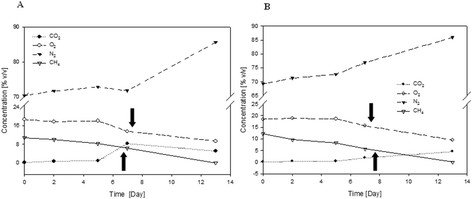
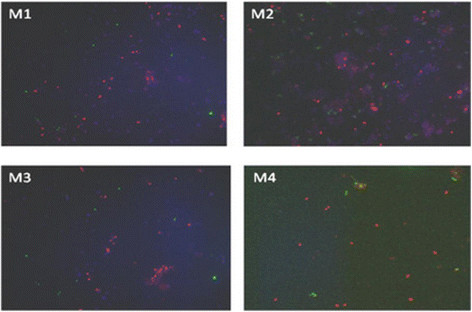
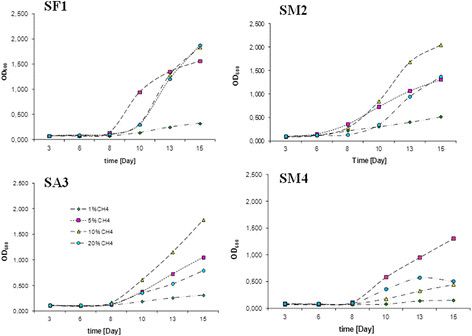
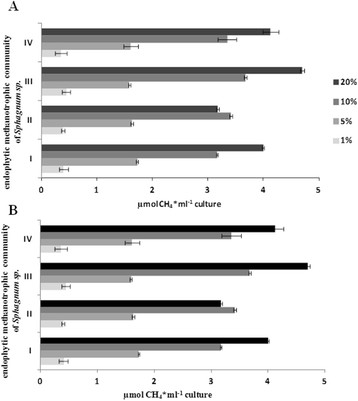
Enriched cultures of microorganisms are an essential step in the production of inoculum of these organisms for biotechnology and bioengineering. The potential application of methanotrophic microorganisms for removal of methane produced from landfills and coal mines as well as biodegradation of toxic compounds has been widely studied. Therefore, searching for new sources of methanotrophs can contribute to increasing the possibilities of biotechnology and bioengineering. Enrichment cultures of endophytic methanotrophs from Sphagnum sp. were initiated in NMS medium, a most widely used medium for cultivation of methanotrophic bacteria from various environments proposed in 1970 by Whittenbury. Incubation was carried out at 10, 20, 30, and 37°C with vigorous shaking on a shaker (180 rpm). The source of carbon and energy for endophytes were methane at the concentration range between 1-20%. It appeared that the consortium of endophytic bacteria grew only at the temperature of 20 and 30°C. During the culture of endophytes, the measurements of gas concentration showed a steady loss of methane and oxygen, as well as accumulation of carbon dioxide as a CH4 oxidation product. The use of FISH has made characterization of endophytic consortia possible. It turned out that the population of endophytes consists of type I and II methanotrophs as well as associated non-methanotrophic bacteria. Furthermore, we determined the potential of the examined bacteria for methane oxidation, which ranged up to 4,7 μMCH4 per ml of the population of endophytes per day.
微生物富集培养是为生物技术和生物工程生产这些微生物接种物的关键步骤。甲烷营养型微生物在去除垃圾填埋场和煤矿产生的甲烷以及有毒化合物生物降解方面的潜在应用已得到广泛研究。因此,寻找新的甲烷营养菌来源有助于增加生物技术和生物工程的可能性。从泥炭藓属植物中富集内生甲烷营养菌培养物是在NMS培养基中开始的,NMS培养基是1970年由惠滕伯里提出的用于培养来自各种环境的甲烷营养细菌的最广泛使用的培养基。在10、20、30和37°C下进行培养,并在摇床上剧烈振荡(180转/分钟)。内生菌的碳源和能源是浓度范围在1-20%之间的甲烷。内生细菌群落似乎仅在20和30°C的温度下生长。在内生菌培养过程中,气体浓度测量显示甲烷和氧气稳定减少,以及作为CH4氧化产物的二氧化碳积累。荧光原位杂交技术(FISH)的应用使得内生菌群落的表征成为可能。结果表明,内生菌群体由I型和II型甲烷营养菌以及相关的非甲烷营养细菌组成。此外,我们测定了所检测细菌的甲烷氧化潜力,其范围高达每天每毫升内生菌群体4.7 μM CH4。