Stępniewska Zofia, Goraj Weronika, Kuźniar Agnieszka, Łopacka Natalia, Małysza Magdalena
Department of Biochemistry and Environmental Chemistry, Institute of Biotechnology, The John Paul II Catholic University of Lublin, Konstantynow 1I, 20-708, Lublin, Poland.
Folia Microbiol (Praha). 2017 Sep;62(5):381-391. doi: 10.1007/s12223-017-0508-9. Epub 2017 Mar 9.
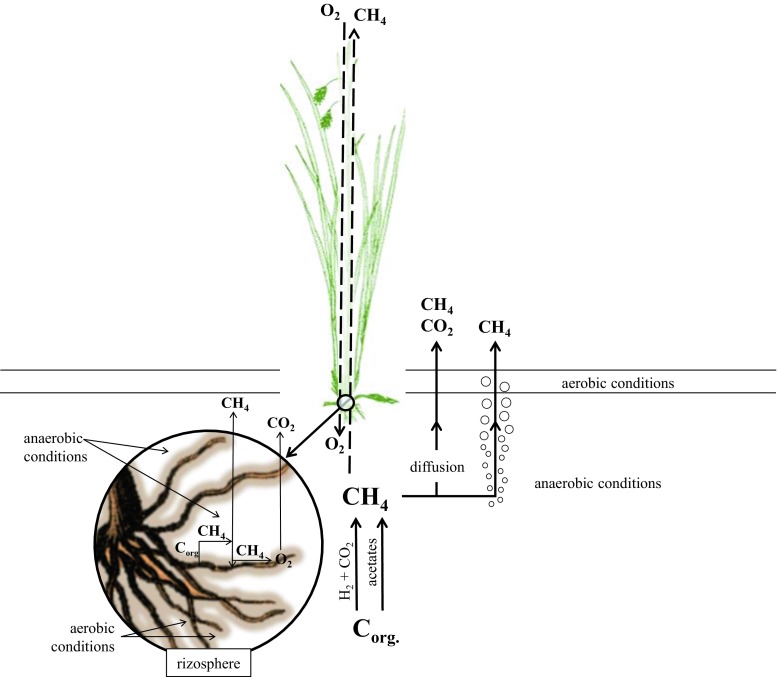
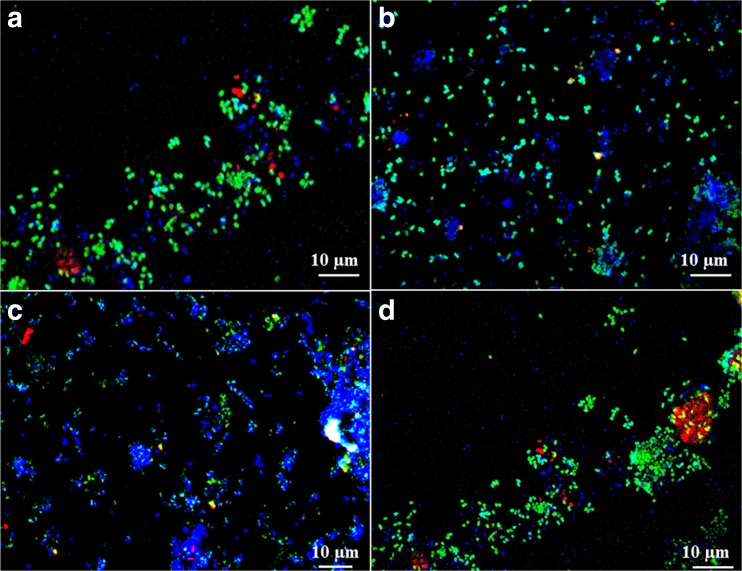
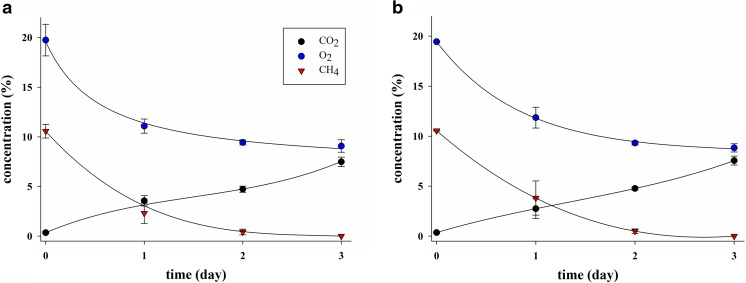
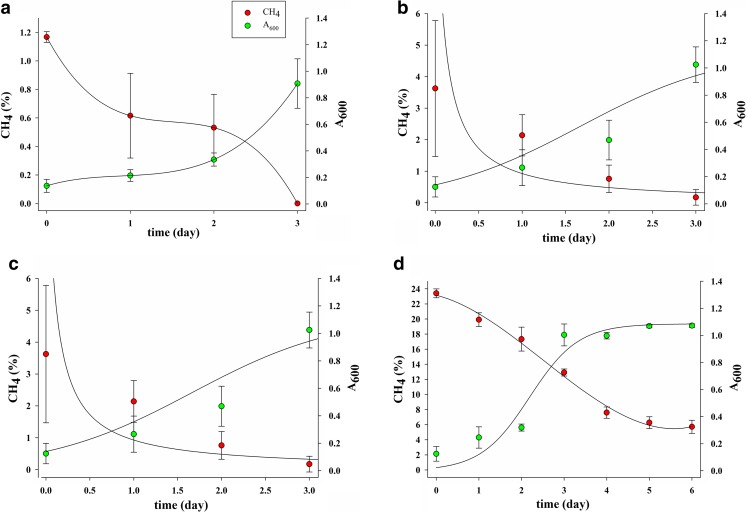
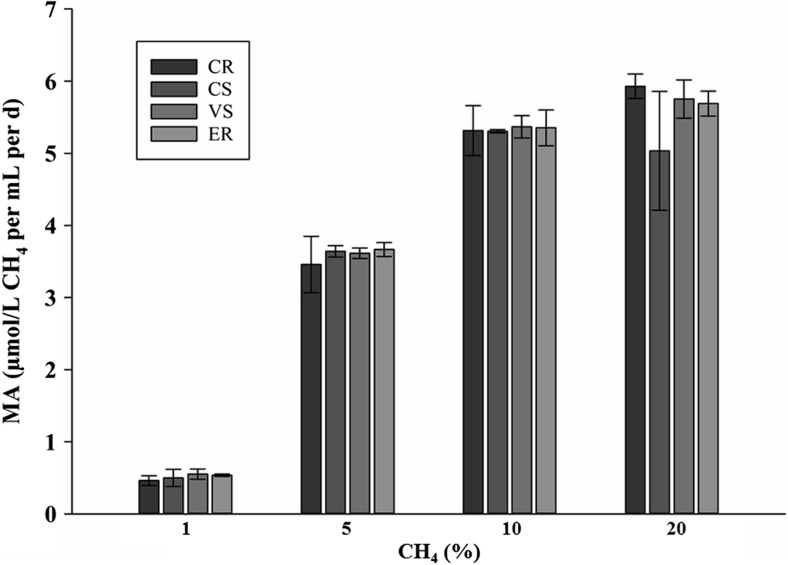
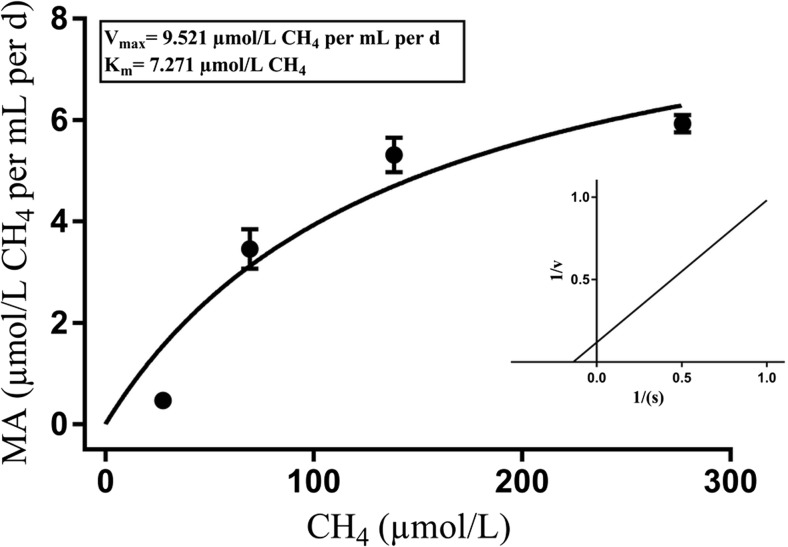
Aerobic methane-oxidizing bacteria (MOB) are an environmentally significant group of microorganisms due to their role in the global carbon cycle. Research conducted over the past few decades has increased the interest in discovering novel genera of methane-degrading bacteria, which efficiently utilize methane and decrease the global warming effect. Moreover, methanotrophs have more promising applications in environmental bioengineering, biotechnology, and pharmacy. The investigations were undertaken to recognize the variety of endophytic methanotrophic bacteria associated with Carex nigra, Vaccinium oxycoccus, and Eriophorum vaginatum originating from Moszne peatland (East Poland). Methanotrophic bacteria were isolated from plants by adding sterile fragments of different parts of plants (roots and stems) to agar mineral medium (nitrate mineral salts (NMS)) and incubated at different methane values (1-20% CH4). Single colonies were streaked on new NMS agar media and, after incubation, transferred to liquid NMS medium. Bacterial growth dynamics in the culture solution was studied by optical density-OD600 and methane consumption. Changes in the methane concentration during incubation were controlled by the gas chromatography technique. Characterization of methanotrophs was made by fluorescence in situ hybridization (FISH) with Mg705 and Mg84 for type I methanotrophs and Ma450 for type II methanotrophs. Identification of endophytes was performed after 16S ribosomal RNA (rRNA) and mmoX gene amplification. Our study confirmed the presence of both types of methanotrophic bacteria (types I and II) with the predominance of type I methanotrophs. Among cultivable methanotrophs, there were different strains of the genus Methylomonas and Methylosinus. Furthermore, we determined the potential of the examined bacteria for methane oxidation, which ranged from 0.463 ± 0.067 to 5.928 ± 0.169 μmol/L CH4/mL/day.
好氧甲烷氧化细菌(MOB)因其在全球碳循环中的作用而成为具有重要环境意义的微生物群体。过去几十年的研究增加了人们对发现新型甲烷降解细菌属的兴趣,这些细菌能有效利用甲烷并降低全球变暖效应。此外,甲烷营养菌在环境生物工程、生物技术和制药领域有更广阔的应用前景。本研究旨在识别与源自莫斯涅泥炭地(波兰东部)的黑苔草、酸果蔓和绒毛羊胡子草相关的内生甲烷营养细菌的种类。通过将植物不同部位(根和茎)的无菌片段添加到琼脂矿物培养基(硝酸盐矿物盐(NMS))中,并在不同甲烷浓度(1 - 20% CH₄)下培养,从植物中分离出甲烷营养细菌。将单菌落划线接种到新的NMS琼脂培养基上,培养后转移到液体NMS培养基中。通过光密度 - OD600和甲烷消耗研究培养液中细菌的生长动态。培养过程中甲烷浓度的变化通过气相色谱技术进行监测。利用针对I型甲烷营养菌的Mg705和Mg84以及针对II型甲烷营养菌的Ma450进行荧光原位杂交(FISH),对甲烷营养菌进行表征。在16S核糖体RNA(rRNA)和mmoX基因扩增后对内生菌进行鉴定。我们的研究证实了两种类型的甲烷营养细菌(I型和II型)的存在,其中I型甲烷营养菌占主导。在可培养的甲烷营养菌中,有甲基单胞菌属和甲基弯曲菌属的不同菌株。此外,我们测定了所检测细菌的甲烷氧化潜力,范围为0.463±0.067至5.928±0.169 μmol/L CH₄/mL/天。