Chen Jiang, Liu Jinghua, Jin Renan, Shen Jiliang, Liang Yuelong, Ma Rui, Lin Hui, Liang Xiao, Yu Hong, Cai Xiujun
Department of General Surgery, Sir Run Run Shaw Hospital of Zhejiang University, Hangzhou, Zhejiang, China.
Department of Surgery, Zhejiang University Hospital, Hangzhou, Zhejiang, China.
PLoS One. 2014 Nov 17;9(11):e111885. doi: 10.1371/journal.pone.0111885. eCollection 2014.
The β-catenin is an important effector in WNT/β-catenin signaling pathway, which exerts a crucial role in the development and progression of hepatocellular carcinoma (HCC). Some researchers have suggested that the overexpression of β-catenin in cytoplasm and/or nucleus was closely correlated to metastasis, poor differentiation and malignant phenotype of HCC while some other researchers hold opposite point. So far, no consensus was obtained on the prognostic and clinicopathological significance of cytoplasmic/nuclear β-catenin overexpression for HCCs.
Systematic strategies were applied to search eligible studies in all available databases. Subgroup analyses, sensitivity analyses and multivariate analysis were performed. In this meta-analysis, we utilized either fixed- or random-effects model to calculate the pooled odds ratios (OR) and its 95% confidence intervals (CI).
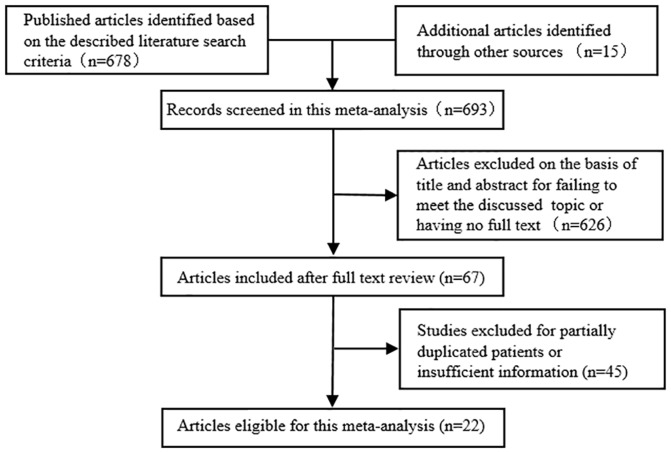
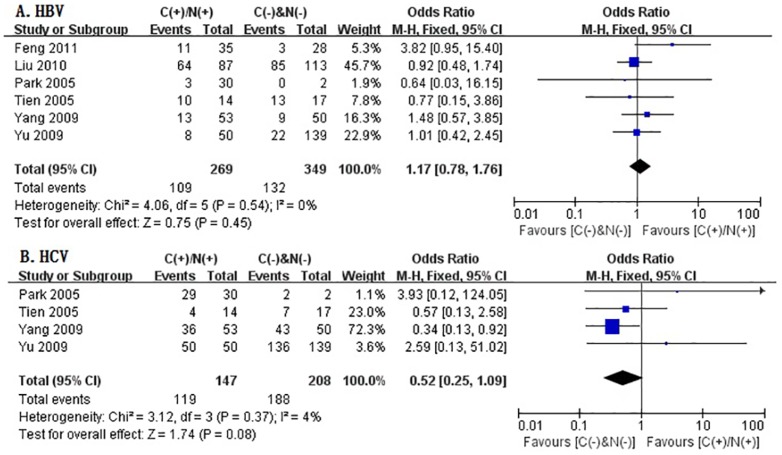
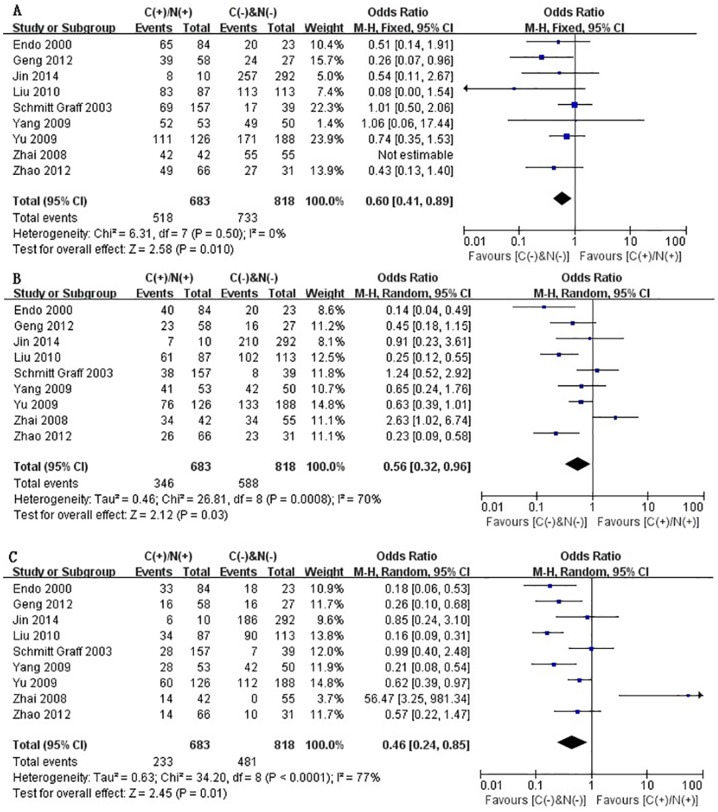
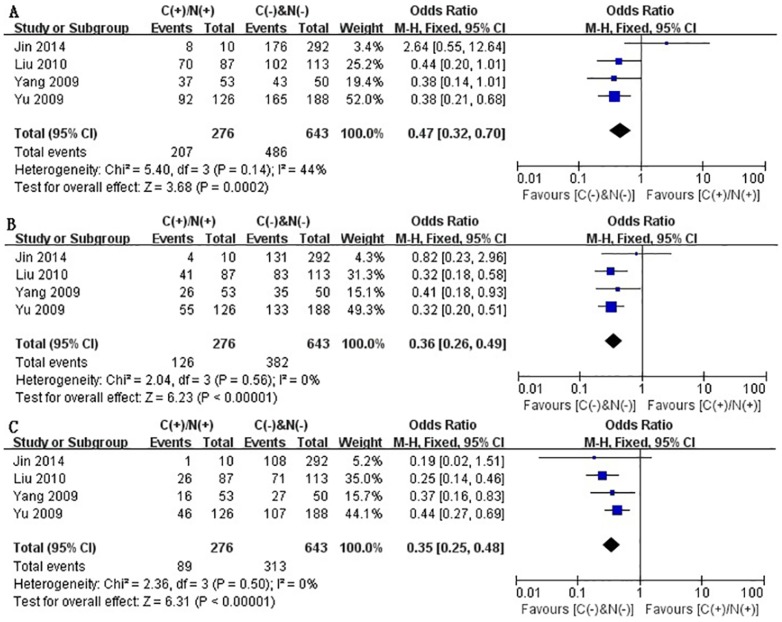
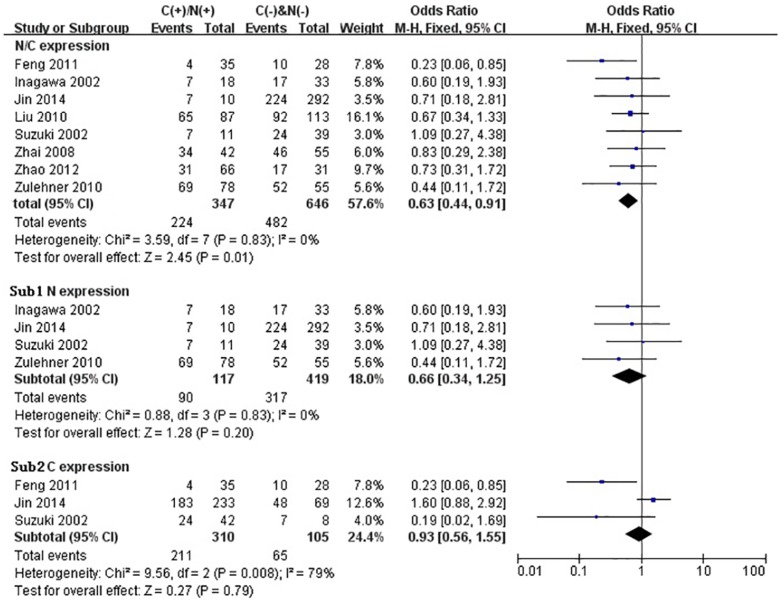
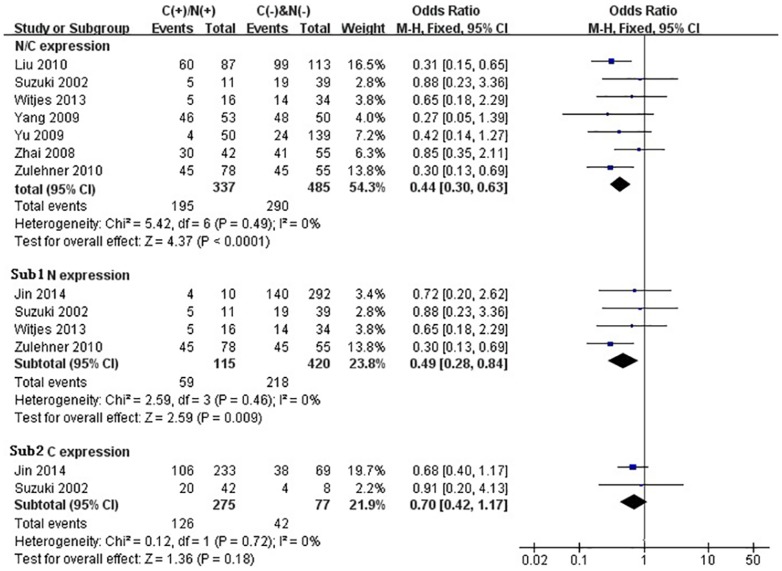
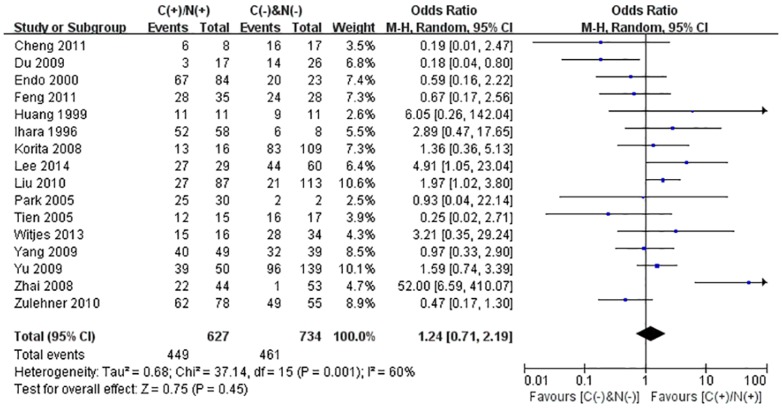
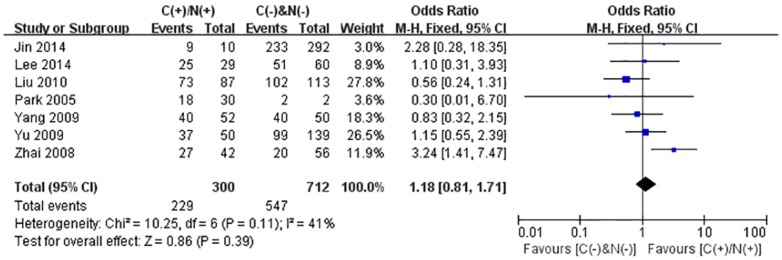
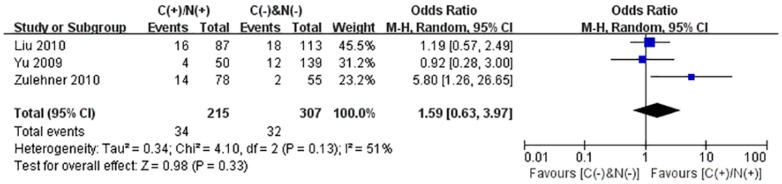
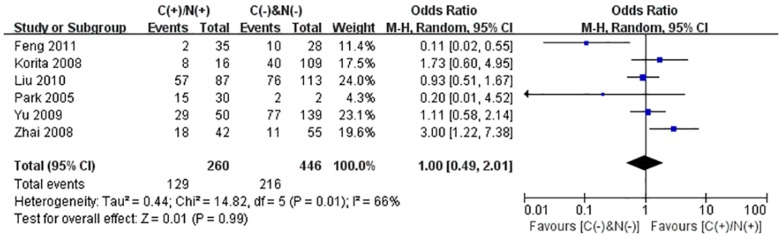
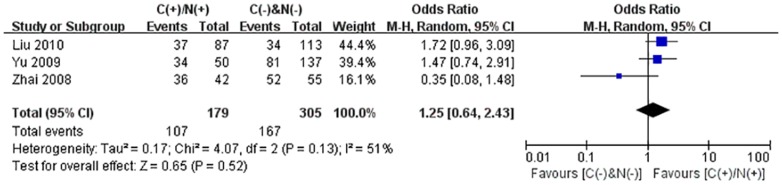
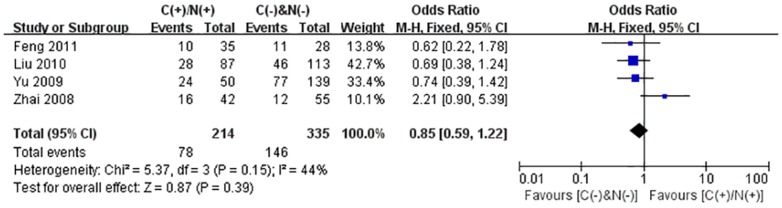
A total of 22 studies containing 2334 cases were enrolled in this meta-analysis. Pooled data suggested that accumulation of β-catenin in cytoplasm and/or nucleus significantly correlated with poor 1-, 3- and 5-year OS and RFS. Moreover, nuclear accumulation combined with cytoplasmic accumulation of β-catenin tended to be associated with dismal metastasis and vascular invasion while cytoplasmic or nuclear expression alone showed no significant effect. Besides, no significant association was observed between cytoplasmic and/or nuclear β-catenin expression and poor differentiation grade, advanced TNM stage, liver cirrhosis, tumor size, tumor encapsulation, AFP and etiologies. Additional subgroup analysis by origin suggested that the prognostic value and clinicopathological significance of cytoplasmic and/or nuclear β-catenin expression was more validated in Asian population. Multivariate analyses of factors showed that cytoplasmic and/or nuclear β-catenin expression, as well as TNM stage, metastasis and tumor size, was an independent risk factors for OS and RFS.
Cytoplasmic and/or nuclear accumulation of β-catenin, as an independent prognostic factor, significantly associated with poor prognosis and deeper invasion of HCC, and could serve as a valuable prognostic predictor for HCC.
β-连环蛋白是WNT/β-连环蛋白信号通路中的重要效应分子,在肝细胞癌(HCC)的发生发展过程中发挥关键作用。一些研究人员认为,β-连环蛋白在细胞质和/或细胞核中的过表达与HCC的转移、低分化及恶性表型密切相关,而另一些研究人员则持相反观点。迄今为止,关于细胞质/细胞核β-连环蛋白过表达对HCC的预后及临床病理意义尚未达成共识。
采用系统检索策略在所有可用数据库中查找符合条件的研究。进行亚组分析、敏感性分析和多变量分析。在本荟萃分析中,我们使用固定效应模型或随机效应模型计算合并比值比(OR)及其95%置信区间(CI)。
本荟萃分析共纳入22项研究,包含2334例病例。汇总数据表明,β-连环蛋白在细胞质和/或细胞核中的蓄积与1年、3年和5年总生存期(OS)及无复发生存期(RFS)较差显著相关。此外,β-连环蛋白的细胞核蓄积与细胞质蓄积共同作用往往与严重转移和血管侵犯相关,而单独的细胞质或细胞核表达则无显著影响。此外,未观察到细胞质和/或细胞核β-连环蛋白表达与低分化等级、晚期TNM分期、肝硬化、肿瘤大小、肿瘤包膜、甲胎蛋白及病因之间存在显著关联。按来源进行的额外亚组分析表明,细胞质和/或细胞核β-连环蛋白表达的预后价值及临床病理意义在亚洲人群中得到更多验证。多因素分析显示,细胞质和/或细胞核β-连环蛋白表达以及TNM分期、转移和肿瘤大小是OS和RFS的独立危险因素。
β-连环蛋白在细胞质和/或细胞核中的蓄积作为独立的预后因素,与HCC的不良预后及更深浸润显著相关,可作为HCC有价值的预后预测指标。