Nguyen Tania, Fischl Harry, Howe Françoise S, Woloszczuk Ronja, Serra Barros Ana, Xu Zhenyu, Brown David, Murray Struan C, Haenni Simon, Halstead James M, O'Connor Leigh, Shipkovenska Gergana, Steinmetz Lars M, Mellor Jane
Department of Biochemistry, University of Oxford, Oxford, United Kingdom.
Genome Biology Unit, European Molecular Biology Laboratory, Heidelberg, Germany.
Elife. 2014 Nov 19;3:e03635. doi: 10.7554/eLife.03635.
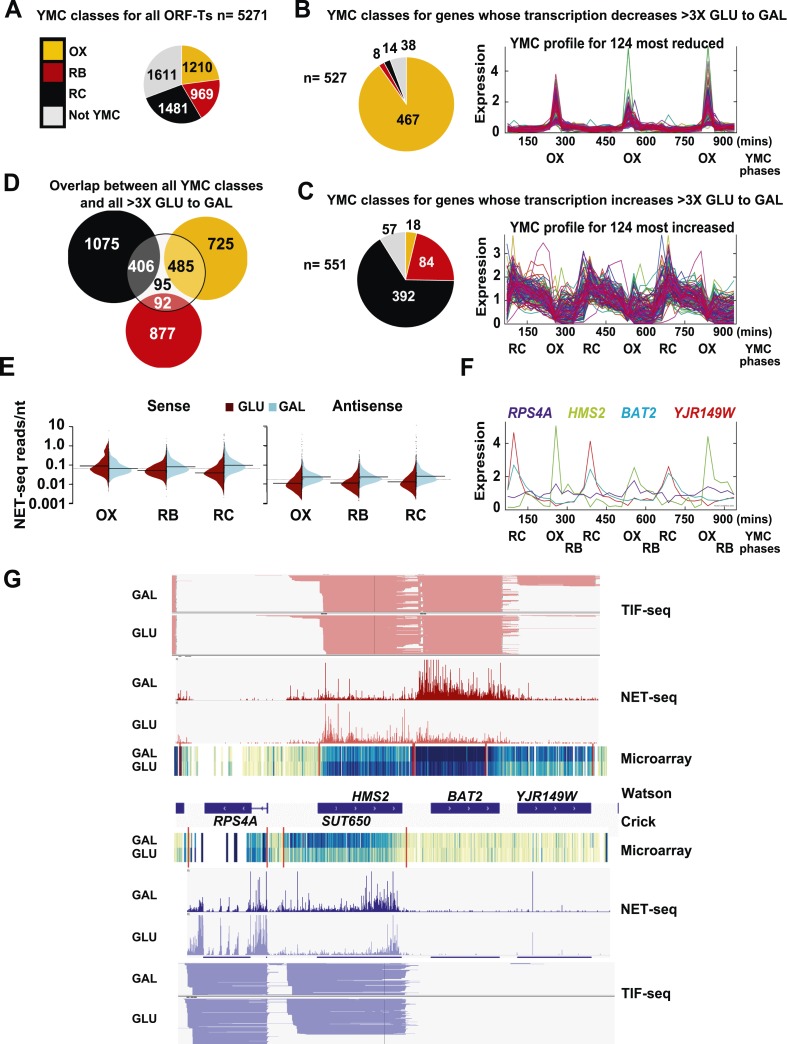
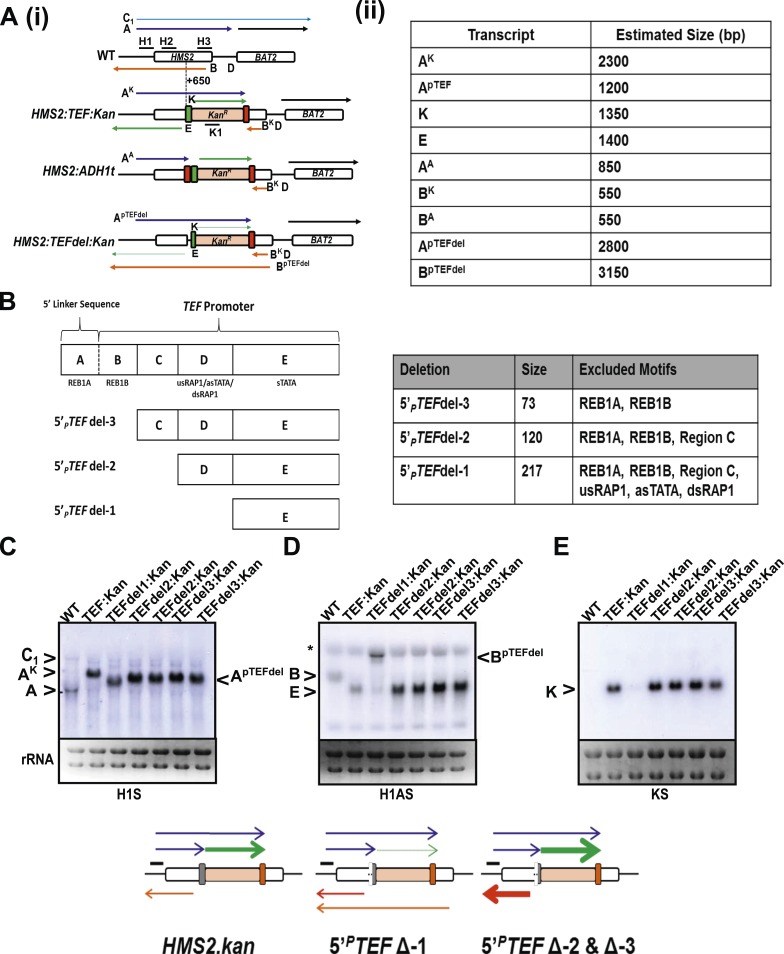
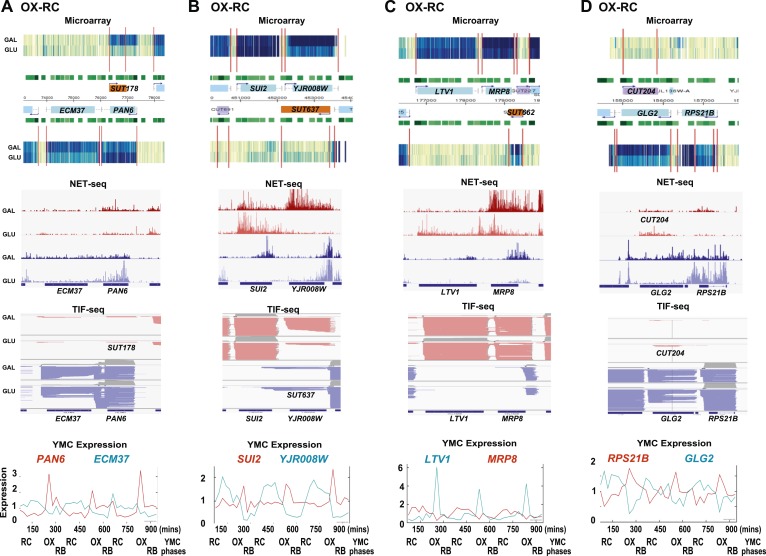
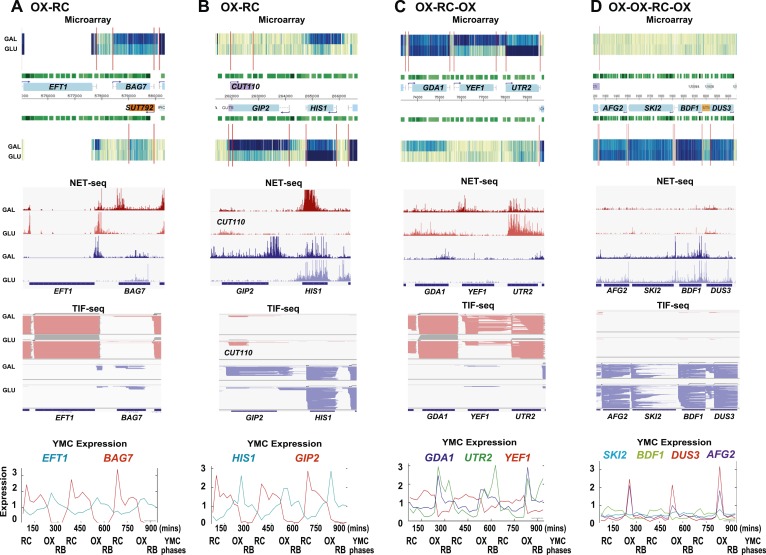
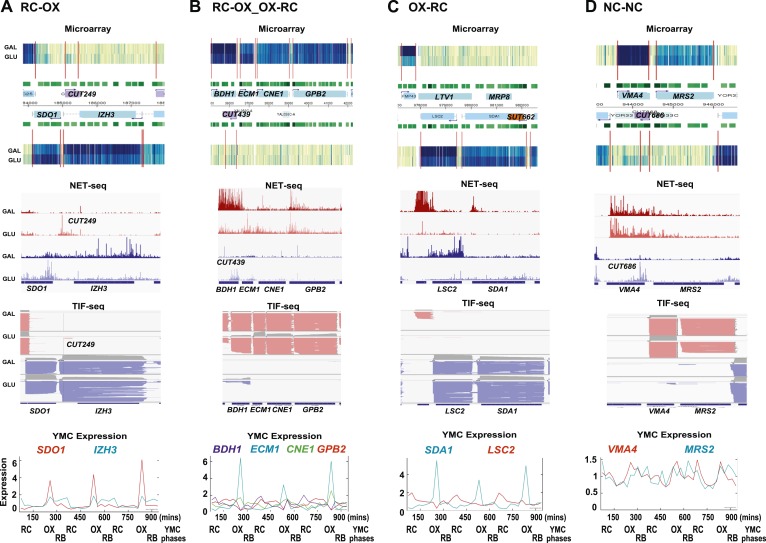
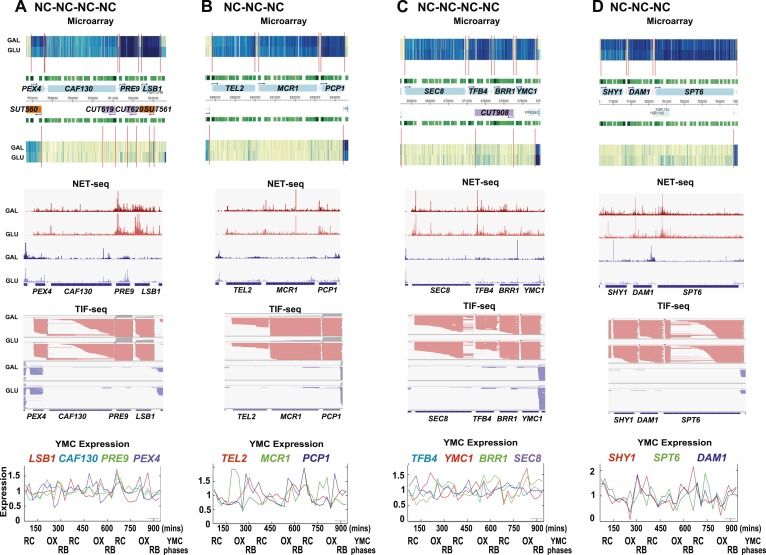
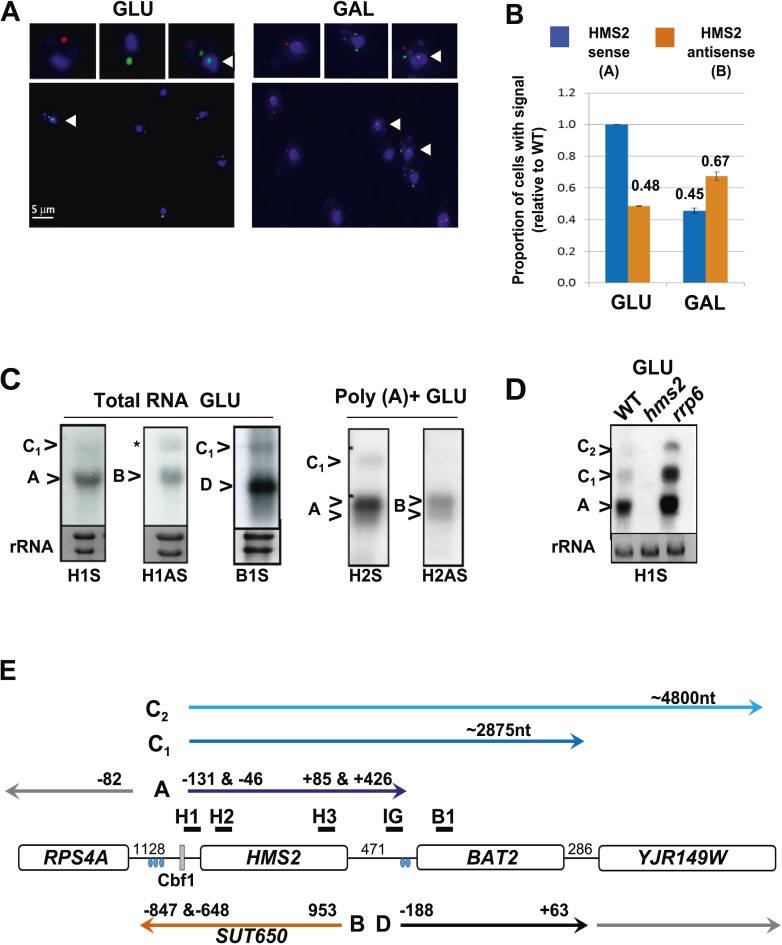
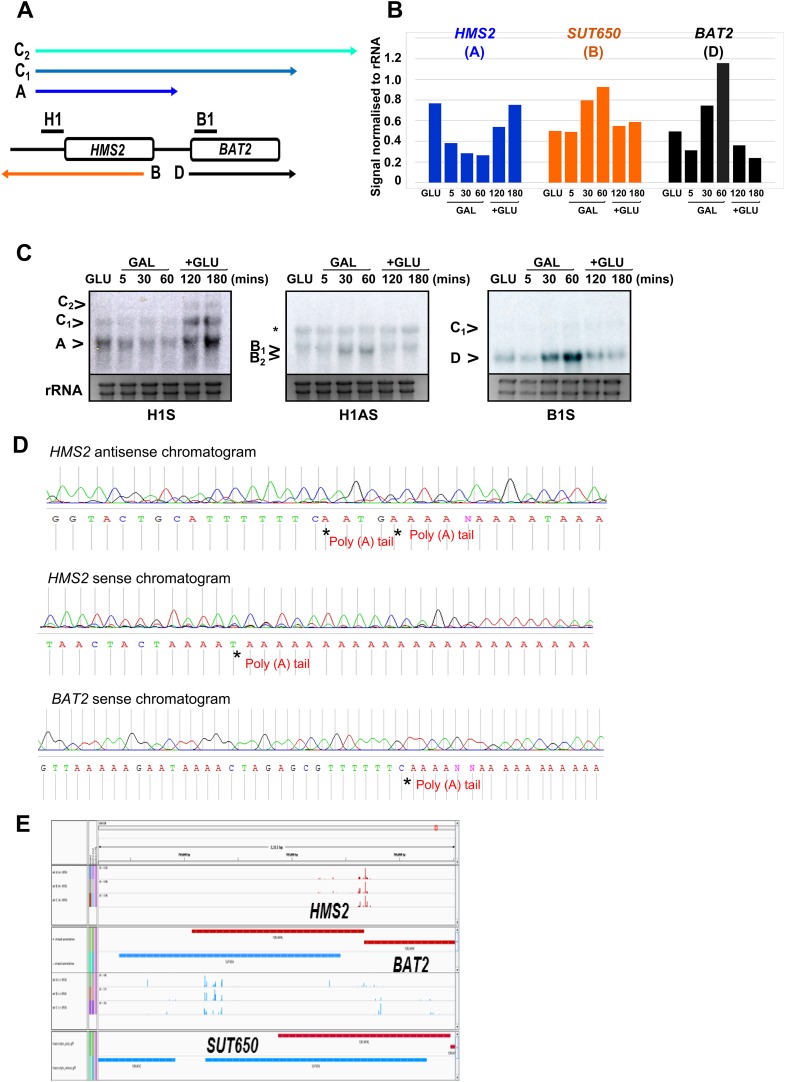
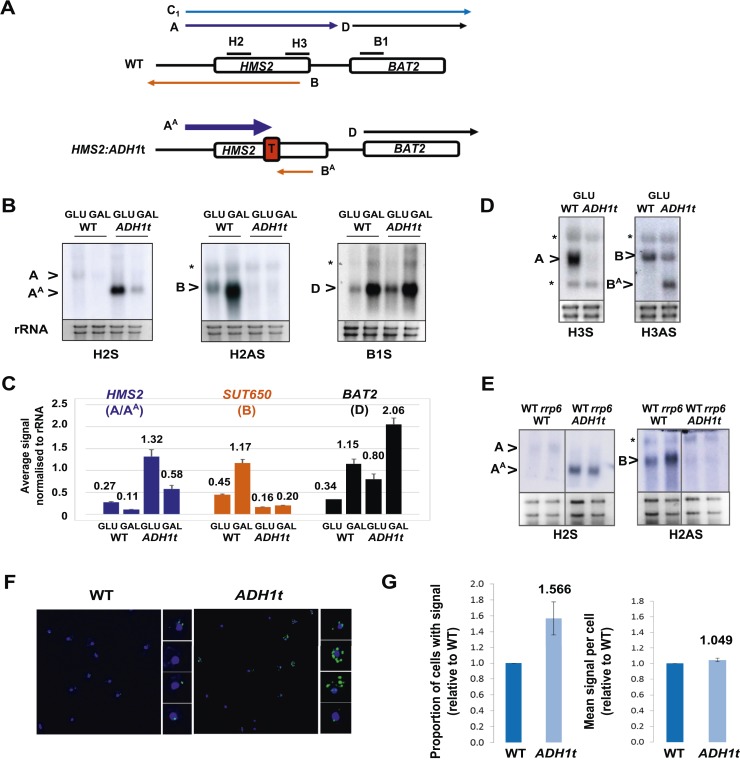
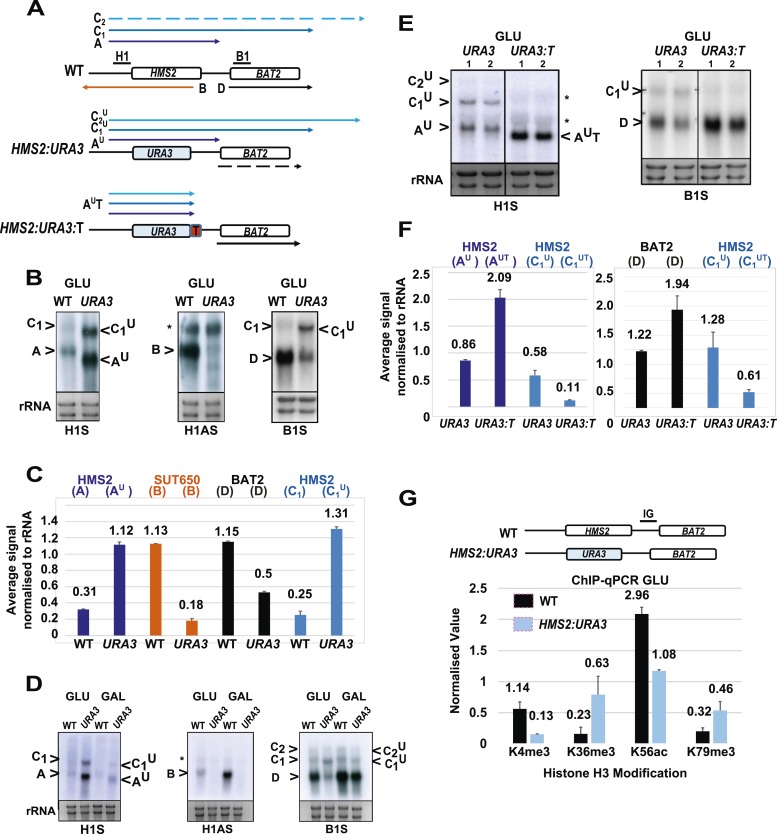
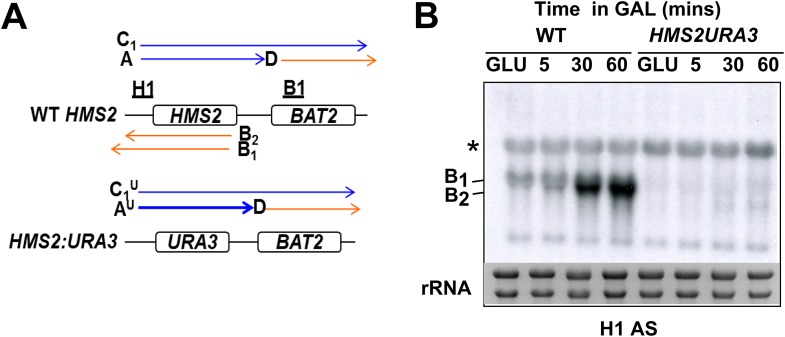
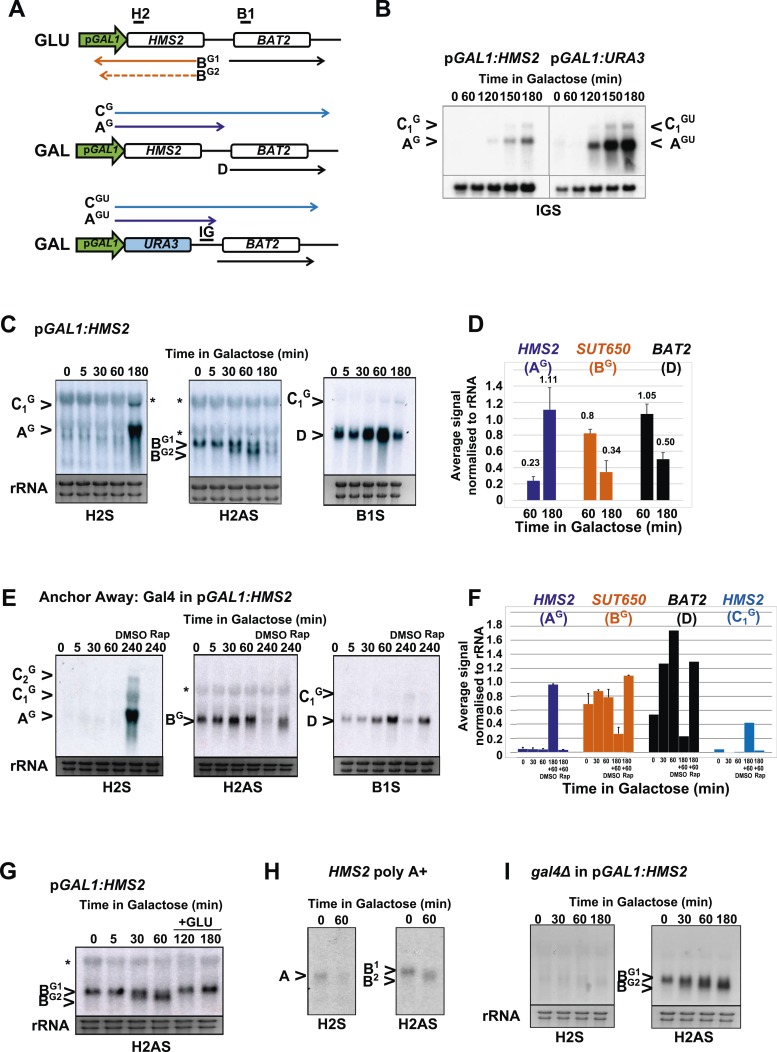
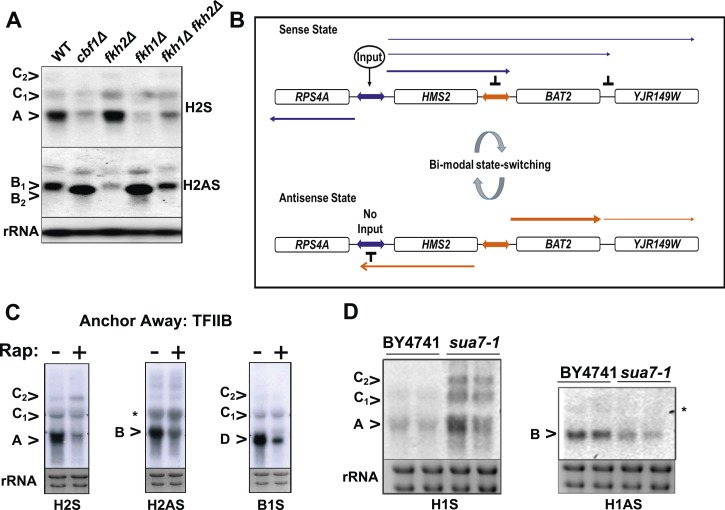
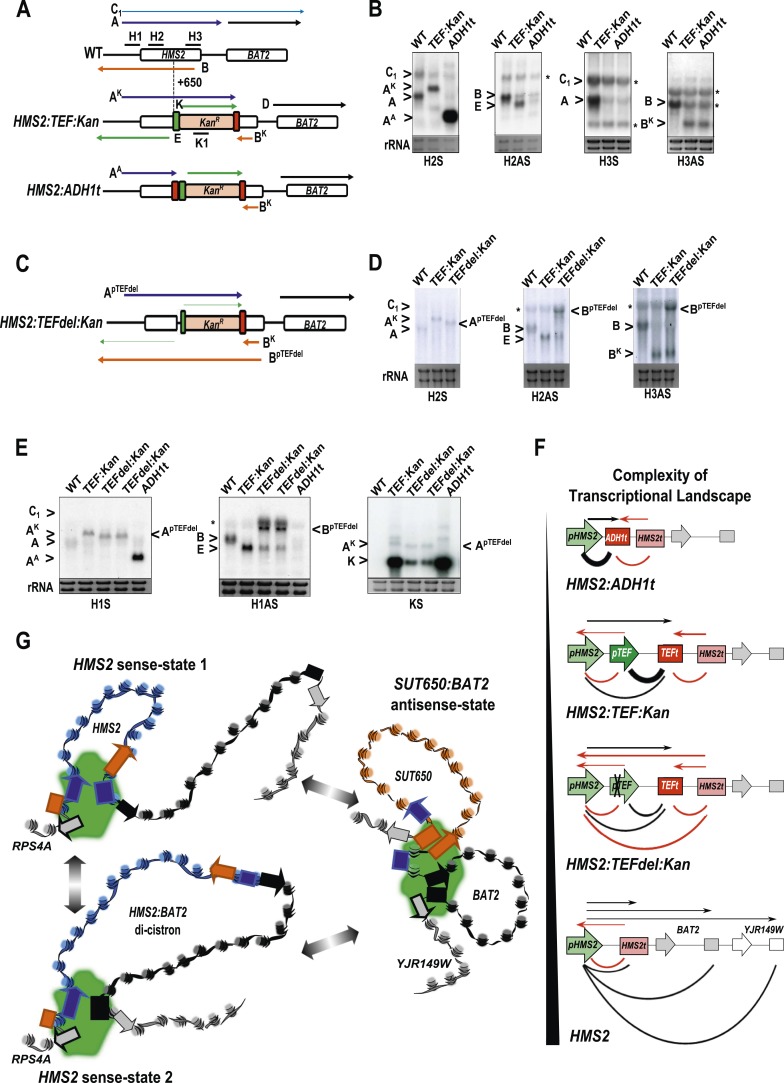
In yeast, many tandemly arranged genes show peak expression in different phases of the metabolic cycle (YMC) or in different carbon sources, indicative of regulation by a bi-modal switch, but it is not clear how these switches are controlled. Using native elongating transcript analysis (NET-seq), we show that transcription itself is a component of bi-modal switches, facilitating reciprocal expression in gene clusters. HMS2, encoding a growth-regulated transcription factor, switches between sense- or antisense-dominant states that also coordinate up- and down-regulation of transcription at neighbouring genes. Engineering HMS2 reveals alternative mono-, di- or tri-cistronic and antisense transcription units (TUs), using different promoter and terminator combinations, that underlie state-switching. Promoters or terminators are excluded from functional TUs by read-through transcriptional interference, while antisense TUs insulate downstream genes from interference. We propose that the balance of transcriptional insulation and interference at gene clusters facilitates gene expression switches during intracellular and extracellular environmental change.
在酵母中,许多串联排列的基因在代谢周期(YMC)的不同阶段或不同碳源中表现出表达峰值,这表明其受双模式开关调控,但尚不清楚这些开关是如何被控制的。通过使用天然延伸转录本分析(NET-seq),我们发现转录本身是双模式开关的一个组成部分,有助于基因簇中的相互表达。编码生长调节转录因子的HMS2在正义或反义主导状态之间切换,这也协调了相邻基因转录的上调和下调。对HMS2进行工程改造揭示了使用不同启动子和终止子组合的替代性单顺反子、双顺反子或三顺反子以及反义转录单元(TU),这些是状态转换的基础。通过通读转录干扰,启动子或终止子被排除在功能性TU之外,而反义TU则使下游基因免受干扰。我们提出,基因簇处转录绝缘和干扰的平衡有助于在细胞内和细胞外环境变化期间进行基因表达切换。