Akhavanpoor Mohammadreza, Gleissner Christian A, Gorbatsch Stephanie, Doesch Andreas O, Akhavanpoor Hamidreza, Wangler Susanne, Jahn Frederik, Lasitschka Felix, Katus Hugo A, Erbel Christian
Department of Cardiology, University of Heidelberg, Germany ; DZHK (German Centre for Cardiovascular Research), partner site Heidelberg/Mannheim, Germany.
Institute of Pathology, University of Heidelberg, Germany.
Drug Des Devel Ther. 2014 Nov 27;8:2359-71. doi: 10.2147/DDDT.S72394. eCollection 2014.
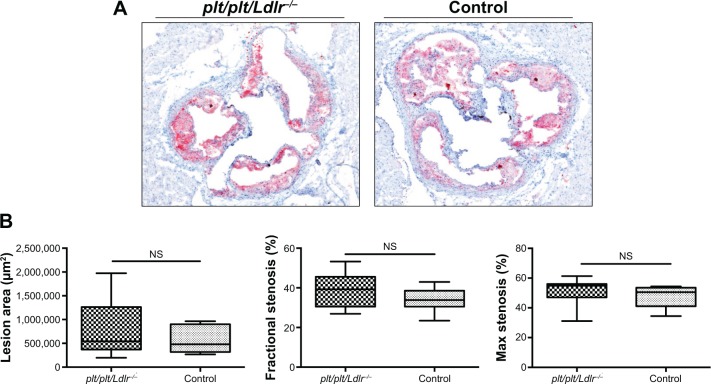
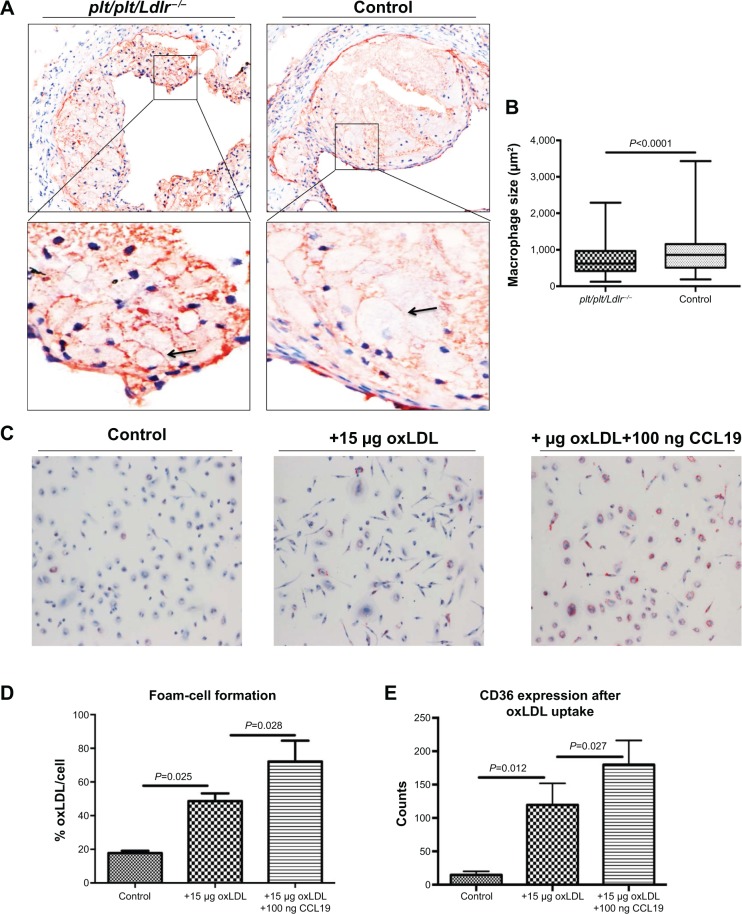
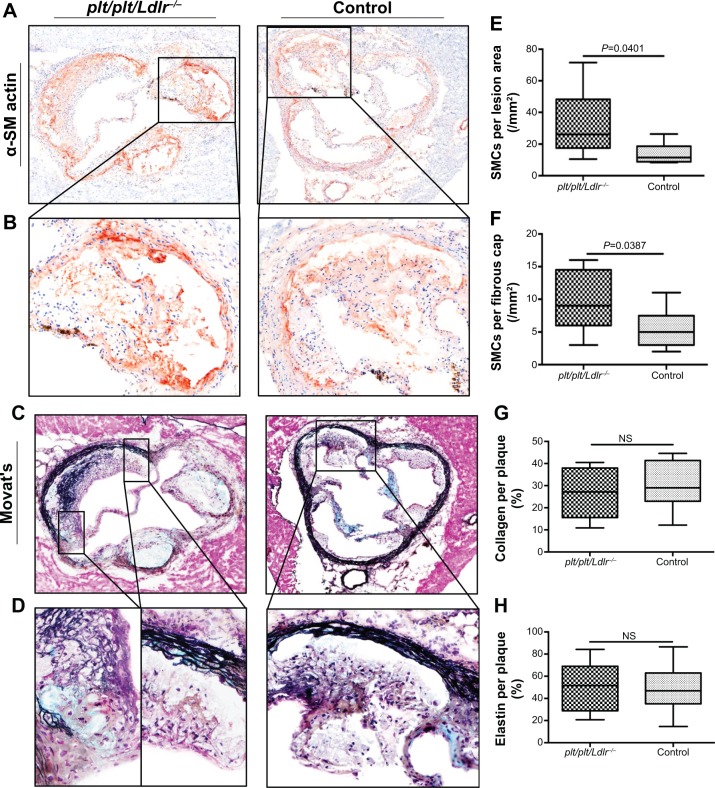
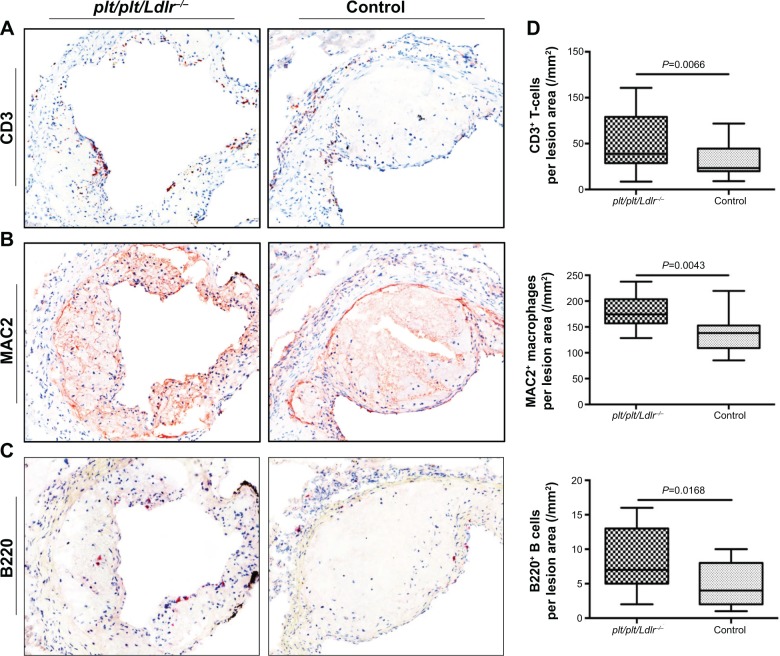
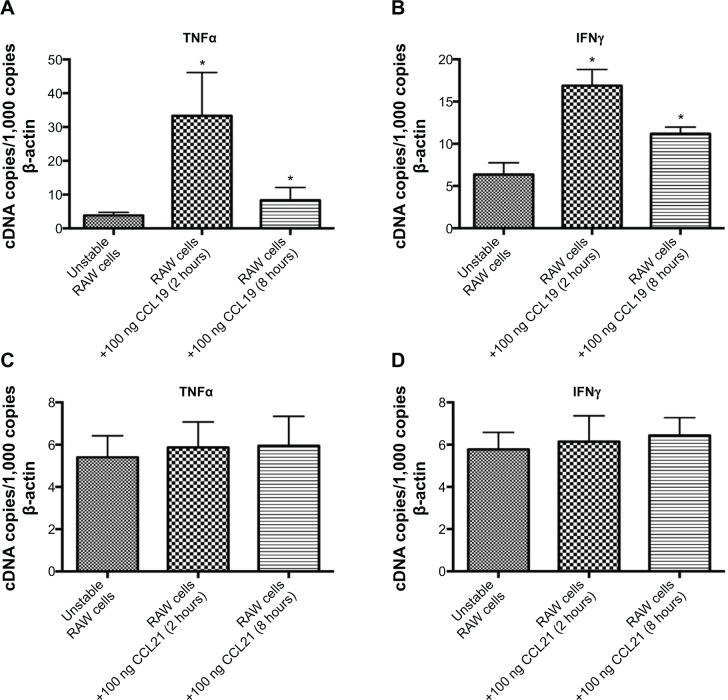
Despite advances in the pharmacologic and interventional treatment of coronary artery disease, atherosclerosis remains the leading cause of death worldwide. Atherosclerosis is a chronic inflammatory disease, and elevated expression of CCL19 and CCL21 has been observed in ruptured lesions of coronary arteries of patients with myocardial infarction and carotid plaques of patients with ischemic symptoms, as well as in plasma of coronary artery disease patients. However, the exact role of CCL19 and CCL21 in atherosclerosis remains unknown. In order to identify CCL19 and CCL21 as a novel therapeutic target, we performed bone marrow transplantation as an immunomodulatory treatment concept. Bone marrow of plt/plt mice (lacking CCL19 and CCL21-Ser) was transplanted into atherogenic Ldlr(-/-) mice. The study demonstrated a significantly increased inflammatory cellular infiltration into the lesions of plt/plt/Ldlr(-/-) mice versus controls. Although the level of chemoattraction was increased, messenger ribonucleic acid and protein levels in thoracic aorta and serum of several proinflammatory cytokines (TNFα, IFNγ, IL-6, IL-12, and IL-17) were significantly reduced in plt/plt/Ldlr(-/-) versus control mice. Increased influx, accompanied by reduced activation of leukocytes in atherosclerotic lesion, was accompanied by increased plaque stability but unchanged lesion development. In conclusion, modulation of the chemokines CCL19 and CCL21 represents a potent immunoregulatory treatment approach, and thus represents a novel therapeutic target to stabilize atherosclerotic lesions.
尽管在冠状动脉疾病的药物治疗和介入治疗方面取得了进展,但动脉粥样硬化仍然是全球范围内的主要死因。动脉粥样硬化是一种慢性炎症性疾病,在心肌梗死患者的冠状动脉破裂病变和有缺血症状患者的颈动脉斑块中,以及在冠状动脉疾病患者的血浆中,均观察到CCL19和CCL21的表达升高。然而,CCL19和CCL21在动脉粥样硬化中的确切作用仍不清楚。为了确定CCL19和CCL21作为一种新的治疗靶点,我们进行了骨髓移植,将其作为一种免疫调节治疗理念。将plt/plt小鼠(缺乏CCL19和CCL21-Ser)的骨髓移植到致动脉粥样硬化的Ldlr(-/-)小鼠体内。研究表明,与对照组相比,plt/plt/Ldlr(-/-)小鼠病变部位的炎症细胞浸润显著增加。尽管趋化作用水平升高,但与对照小鼠相比,plt/plt/Ldlr(-/-)小鼠胸主动脉和血清中几种促炎细胞因子(TNFα、IFNγ、IL-6、IL-12和IL-17)的信使核糖核酸和蛋白质水平显著降低。动脉粥样硬化病变中白细胞流入增加,同时激活减少,这伴随着斑块稳定性增加,但病变发展未改变。总之,趋化因子CCL19和CCL21的调节代表了一种有效的免疫调节治疗方法,因此代表了稳定动脉粥样硬化病变的一种新的治疗靶点。