Del-Valle-Soto Carolina, Mex-Perera Carlos, Orozco-Lugo Aldo, Lara Mauricio, Galván-Tejada Giselle M, Olmedo Oscar
Department of Electrical and Computer Engineering, Tecnológico de Monterrey, Ave. Eugenio Garza Sada #2501 Sur, Monterrey NL, 64849, Mexico.
Center for Research and Advanced Studies of IPN, Communications Section, Av. IPN No.2508, Colonia San Pedro Zacatenco, CP. 07360, México D.F., Mexico.
Sensors (Basel). 2014 Dec 2;14(12):22811-47. doi: 10.3390/s141222811.
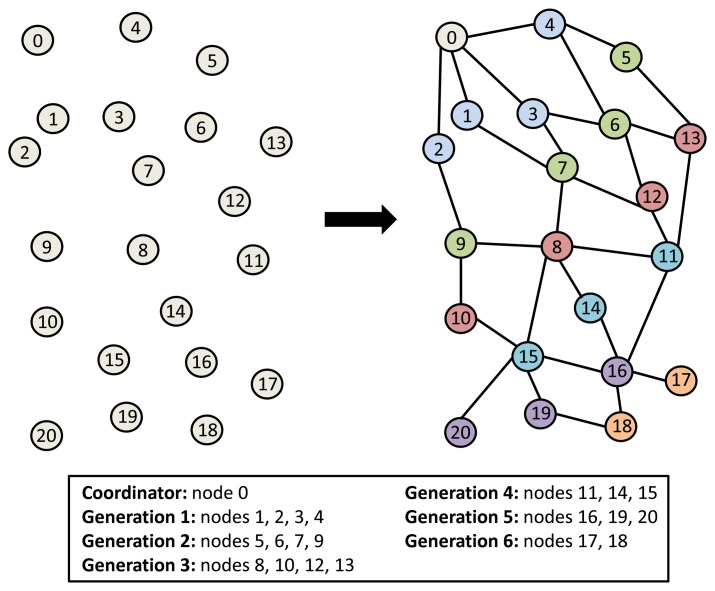
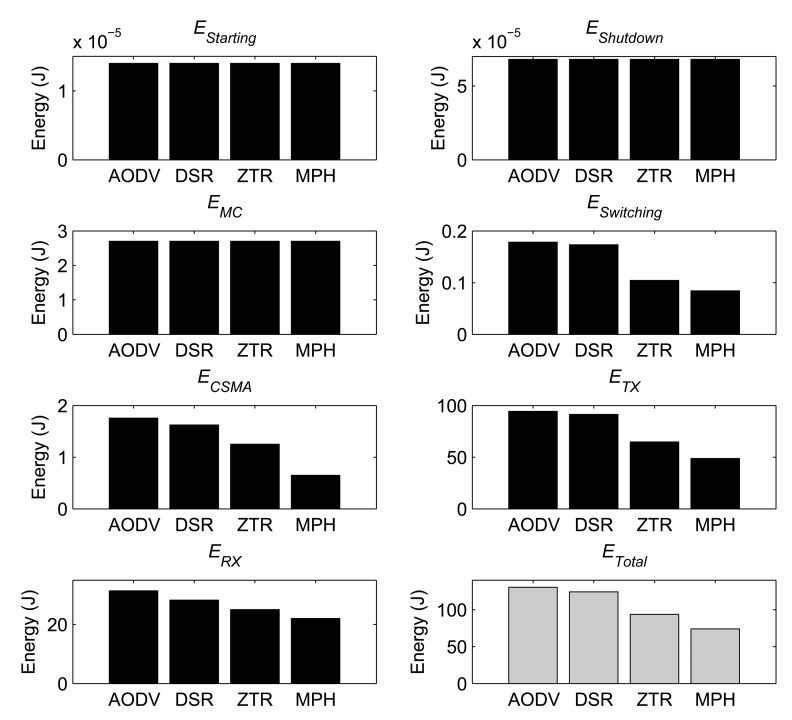
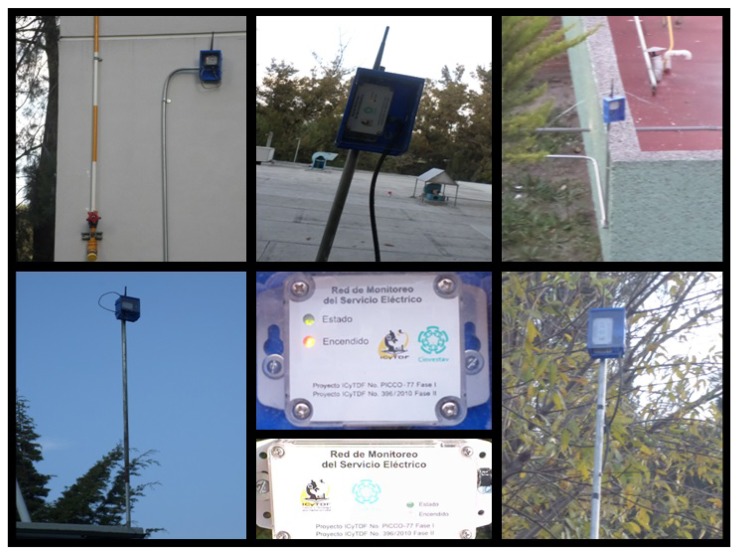
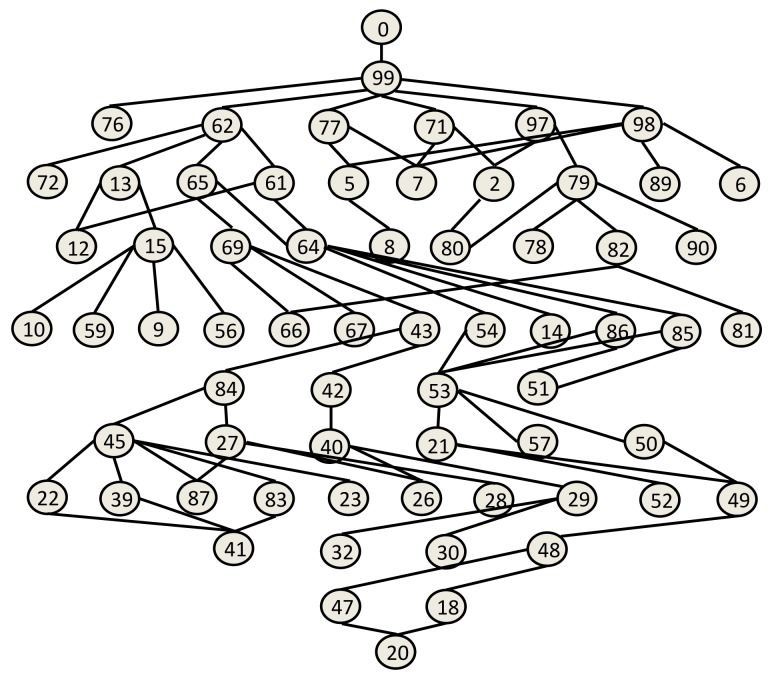
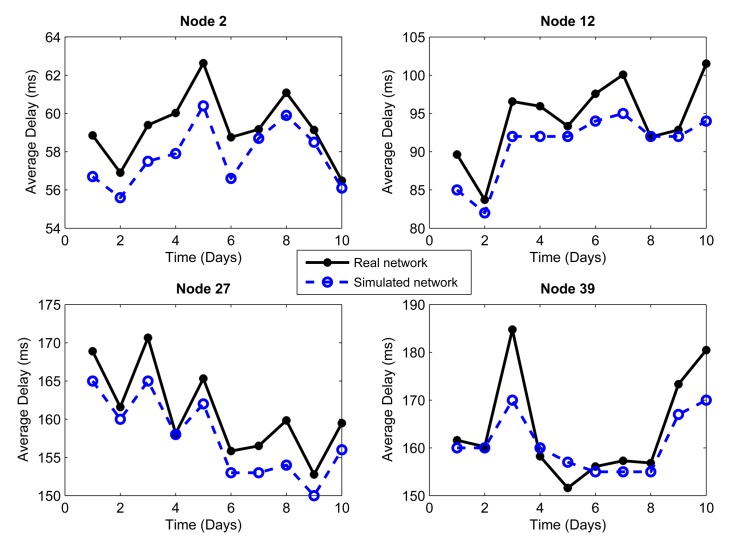
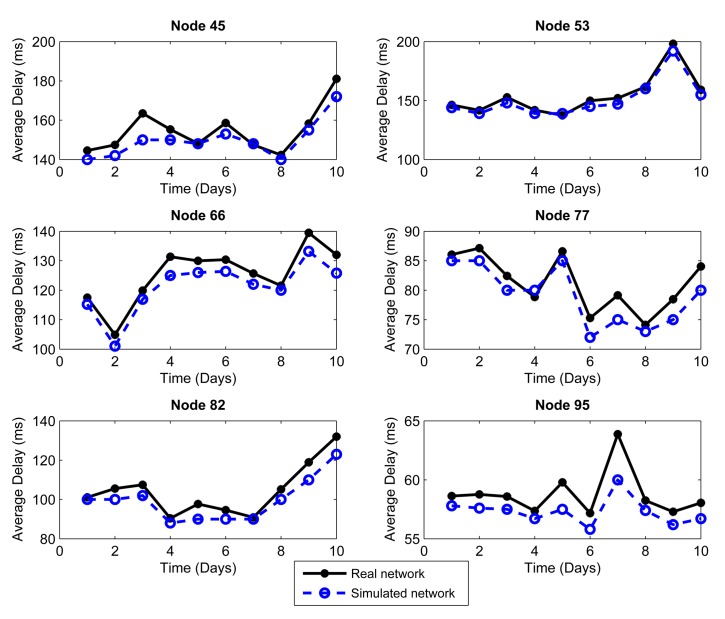
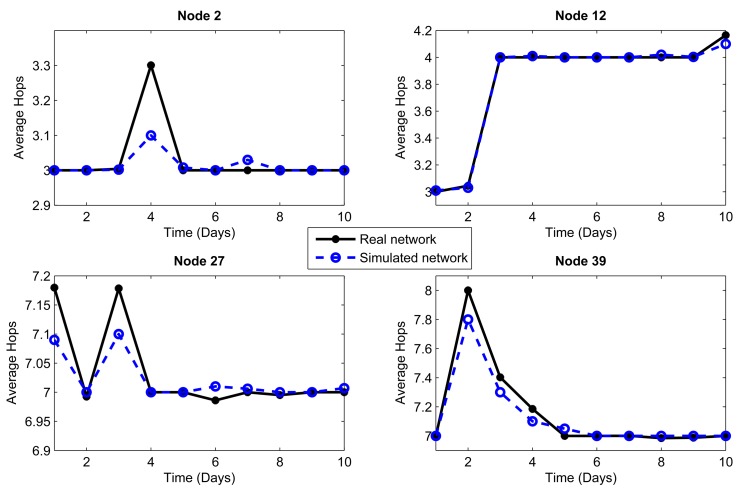
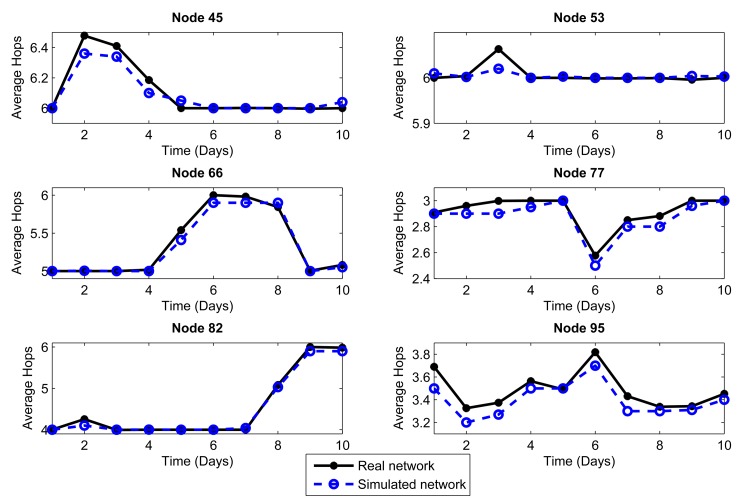
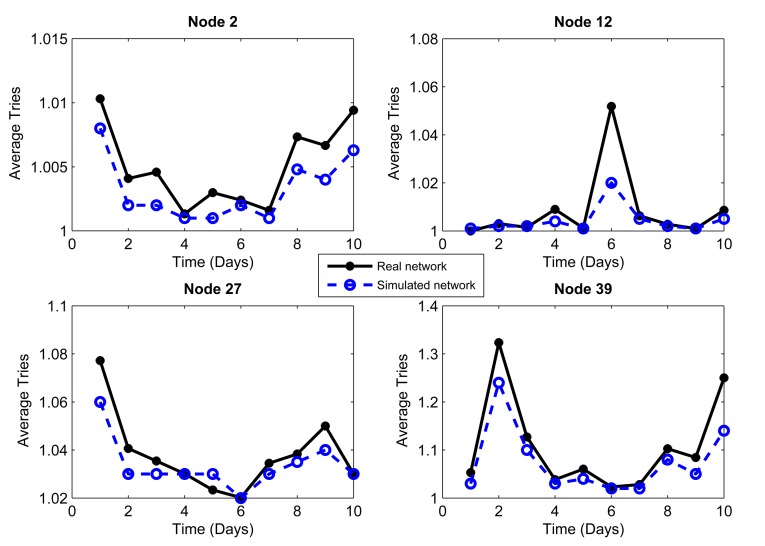
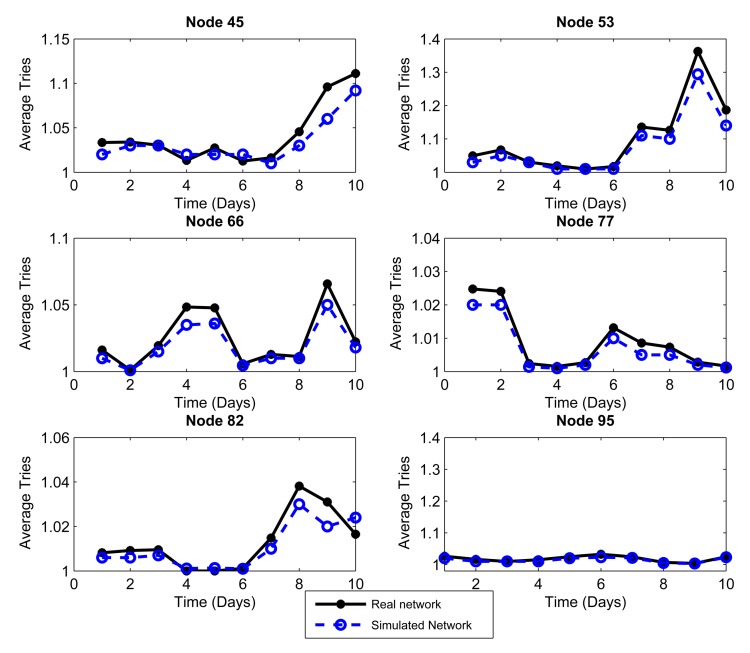
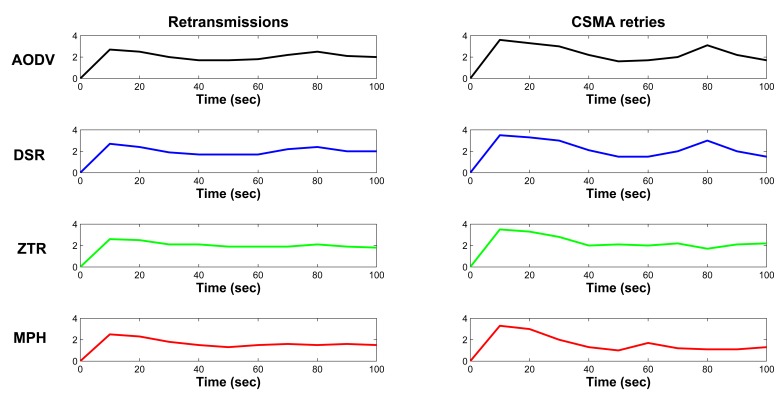
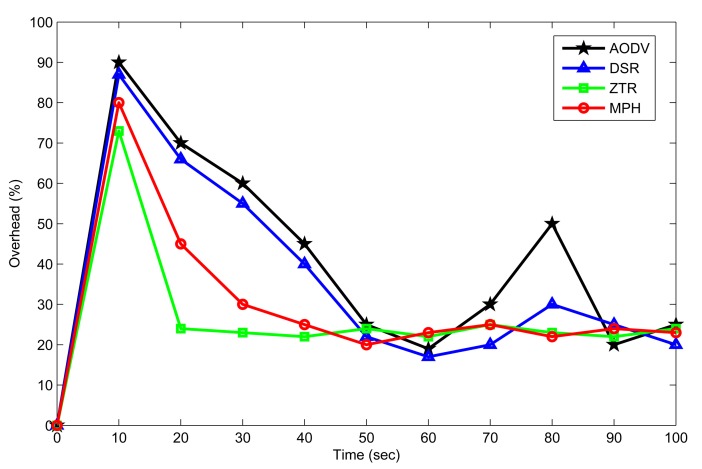
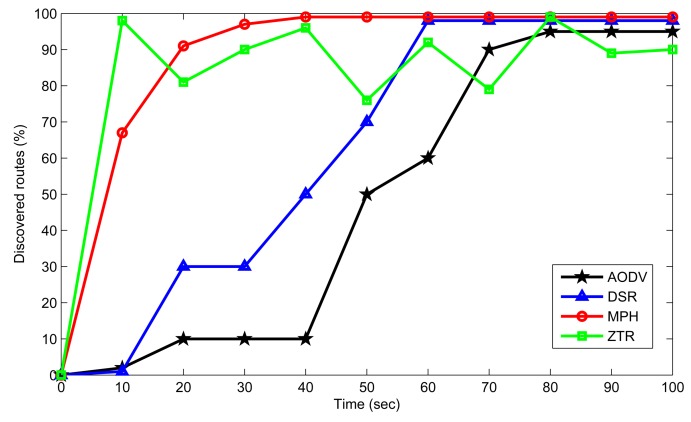
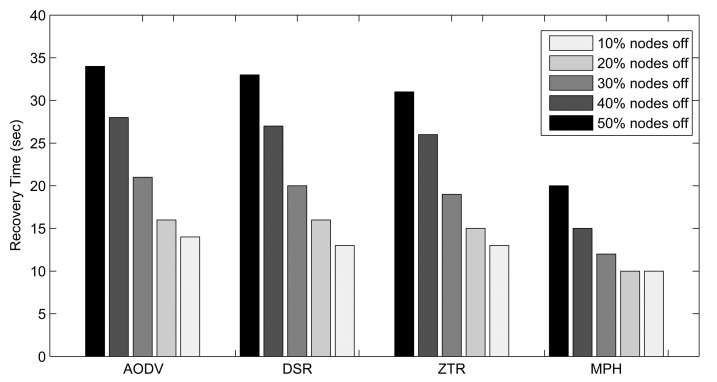
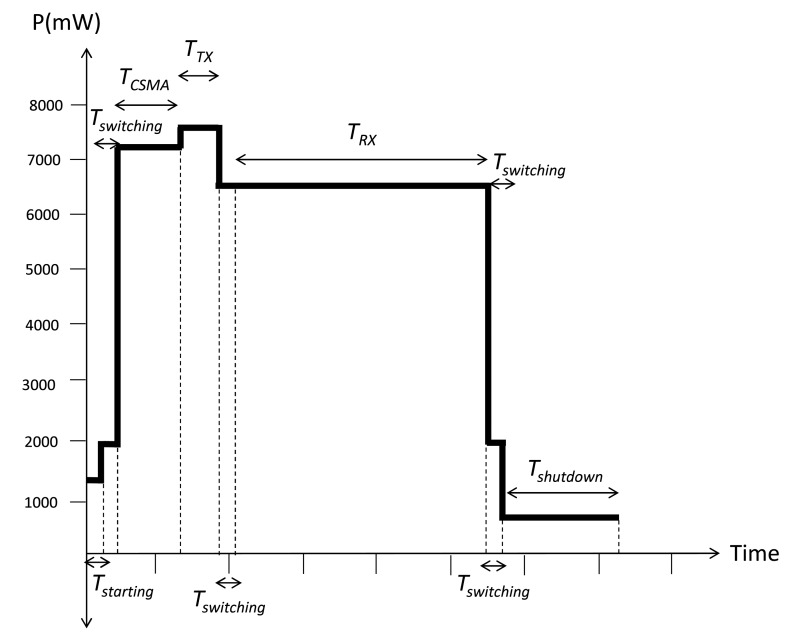
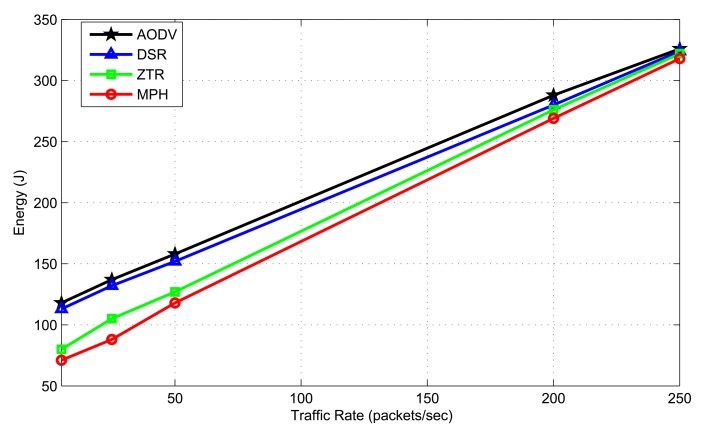
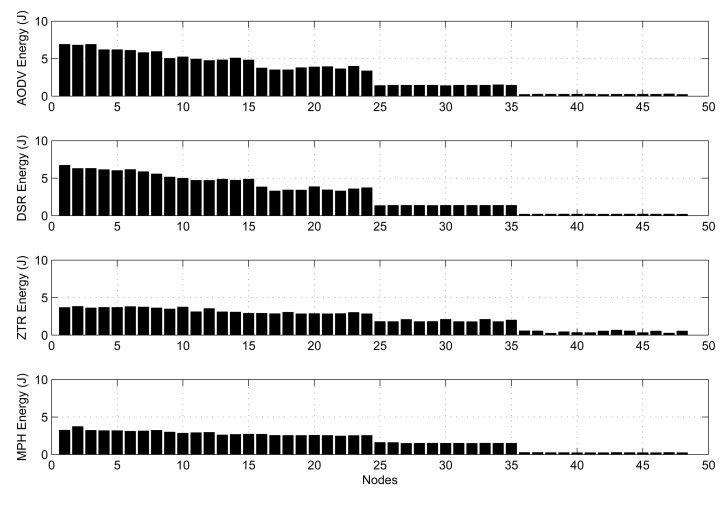
Wireless Sensor Networks deliver valuable information for long periods, then it is desirable to have optimum performance, reduced delays, low overhead, and reliable delivery of information. In this work, proposed metrics that influence energy consumption are used for a performance comparison among our proposed routing protocol, called Multi-Parent Hierarchical (MPH), the well-known protocols for sensor networks, Ad hoc On-Demand Distance Vector (AODV), Dynamic Source Routing (DSR), and Zigbee Tree Routing (ZTR), all of them working with the IEEE 802.15.4 MAC layer. Results show how some communication metrics affect performance, throughput, reliability and energy consumption. It can be concluded that MPH is an efficient protocol since it reaches the best performance against the other three protocols under evaluation, such as 19.3% reduction of packet retransmissions, 26.9% decrease of overhead, and 41.2% improvement on the capacity of the protocol for recovering the topology from failures with respect to AODV protocol. We implemented and tested MPH in a real network of 99 nodes during ten days and analyzed parameters as number of hops, connectivity and delay, in order to validate our Sensors 2014, 14 22812 simulator and obtain reliable results. Moreover, an energy model of CC2530 chip is proposed and used for simulations of the four aforementioned protocols, showing that MPH has 15.9% reduction of energy consumption with respect to AODV, 13.7% versus DSR, and 5% against ZTR.
无线传感器网络能够长时间提供有价值的信息,因此希望具备最佳性能、减少延迟、降低开销并可靠地传递信息。在这项工作中,我们使用影响能耗的指标,对我们提出的名为多父层次路由(MPH)的路由协议、传感器网络中著名的协议——按需距离矢量路由(AODV)、动态源路由(DSR)和Zigbee树形路由(ZTR)进行性能比较,所有这些协议都与IEEE 802.15.4 MAC层协同工作。结果显示了一些通信指标如何影响性能、吞吐量、可靠性和能耗。可以得出结论,MPH是一种高效的协议,因为与其他三种正在评估的协议相比,它具有最佳性能,例如数据包重传减少19.3%,开销降低26.9%,与AODV协议相比,从故障中恢复拓扑的协议能力提高41.2%。我们在一个由99个节点组成的真实网络中对MPH进行了为期十天的实现和测试,并分析了跳数、连通性和延迟等参数,以验证我们的模拟器并获得可靠结果。此外,我们提出了CC2530芯片的能量模型,并将其用于上述四种协议的仿真,结果表明,与AODV相比,MPH的能耗降低了15.9%,与DSR相比降低了13.7%,与ZTR相比降低了5%。