Morrell Jane M, Wallgren Margareta
Clinical Sciences, Swedish University of Agricultural Sciences (SLU), Box 7054, SE-75007 Uppsala, Sweden.
Pathogens. 2014 Dec 15;3(4):934-46. doi: 10.3390/pathogens3040934.
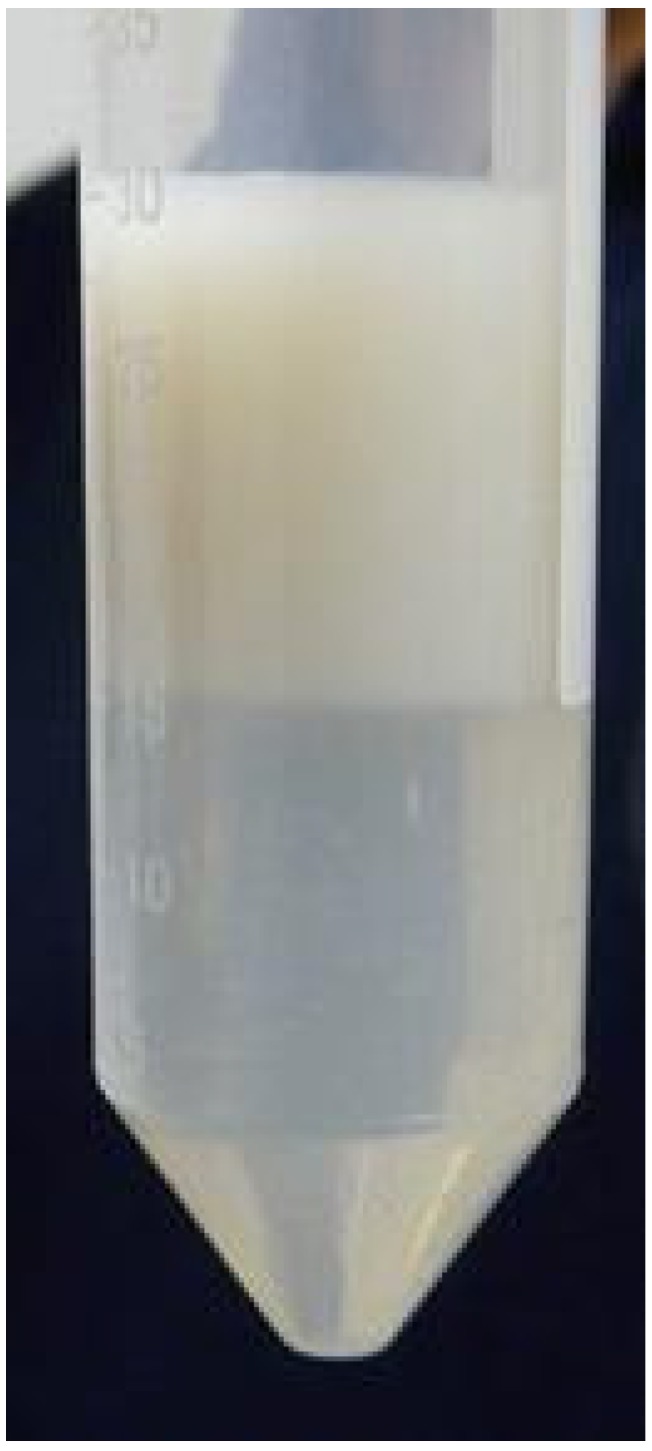
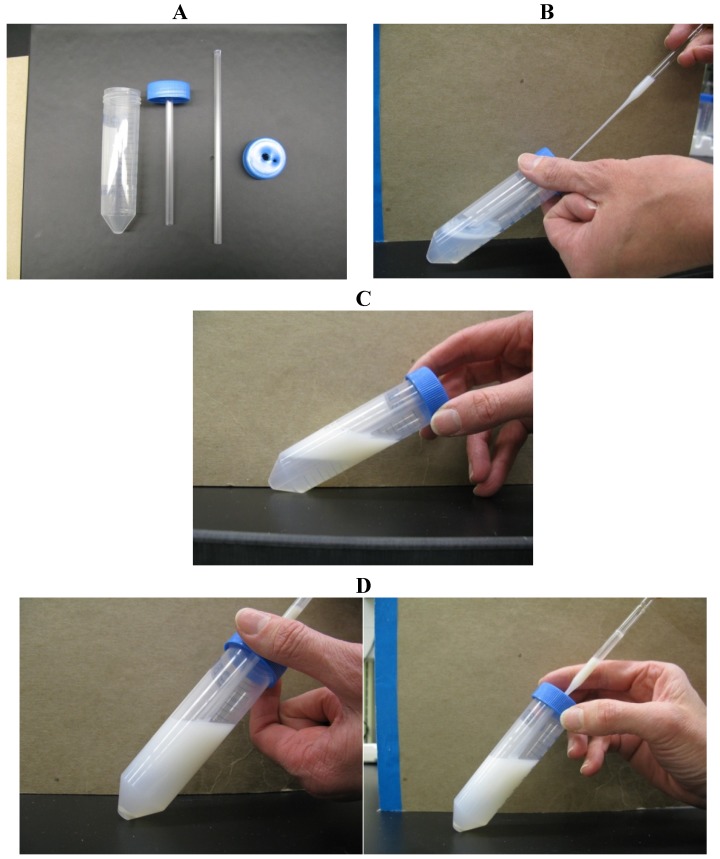
Antibiotics are added to semen extenders to be used for artificial insemination (AI) in livestock breeding to control bacterial contamination in semen arising during collection and processing. The antibiotics to be added and their concentrations for semen for international trade are specified by government directives. Since the animal production industry uses large quantities of semen for artificial insemination, large amounts of antibiotics are currently used in semen extenders. Possible alternatives to antibiotics are discussed, including physical removal of the bacteria during semen processing, as well as the development of novel antimicrobials. Colloid centrifugation, particularly Single Layer Centrifugation, when carried out with a strict aseptic technique, offers a feasible method for reducing bacterial contamination in semen and is a practical method for semen processing laboratories to adopt. However, none of these alternatives to antibiotics should replace strict attention to hygiene during semen collection and handling.
抗生素被添加到用于家畜繁殖人工授精(AI)的精液稀释剂中,以控制精液采集和处理过程中产生的细菌污染。国际贸易中精液所需添加的抗生素及其浓度由政府指令规定。由于动物生产行业在人工授精中使用大量精液,目前精液稀释剂中使用了大量抗生素。人们讨论了抗生素的可能替代方法,包括在精液处理过程中物理去除细菌,以及开发新型抗菌剂。胶体离心,特别是单层离心,在严格的无菌技术下进行时,为减少精液中的细菌污染提供了一种可行的方法,也是精液处理实验室可采用的实用方法。然而,这些抗生素替代方法都不应取代精液采集和处理过程中对卫生的严格关注。