Lee Ho-Joon, Sen Atanu, Bae Sooneon, Lee Jeoung Soo, Webb Ken
Microenvironmental Engineering Laboratory, Department of Bioengineering, Clemson University, 301 Rhodes Research Center, Clemson, SC 29634, USA.
Microenvironmental Engineering Laboratory, Department of Bioengineering, Clemson University, 301 Rhodes Research Center, Clemson, SC 29634, USA.
Acta Biomater. 2015 Mar;14:43-52. doi: 10.1016/j.actbio.2014.12.007. Epub 2014 Dec 15.
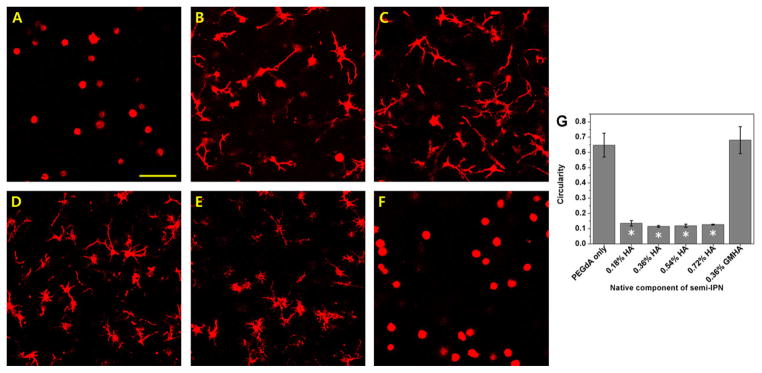
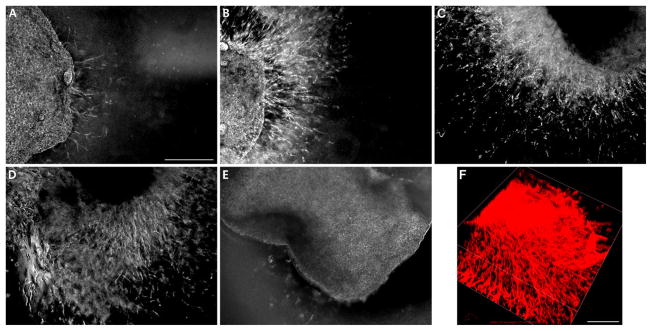
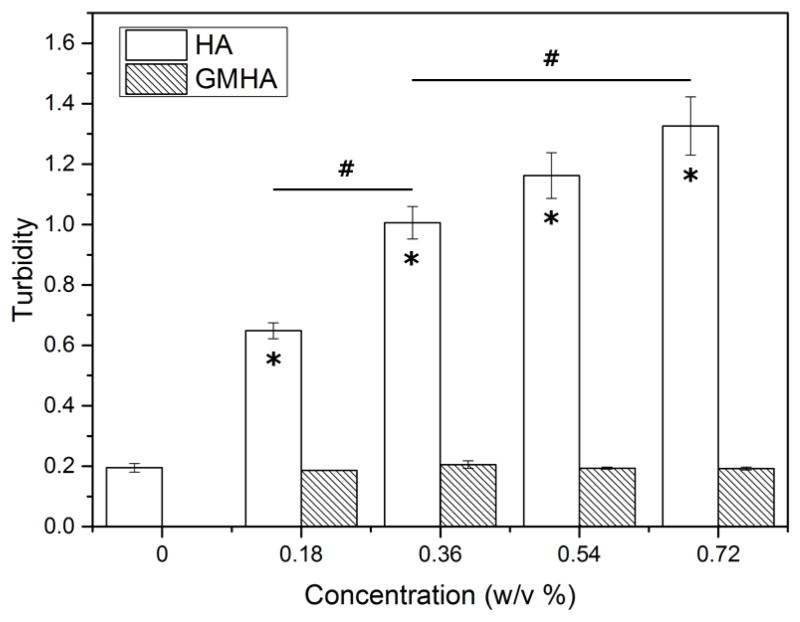
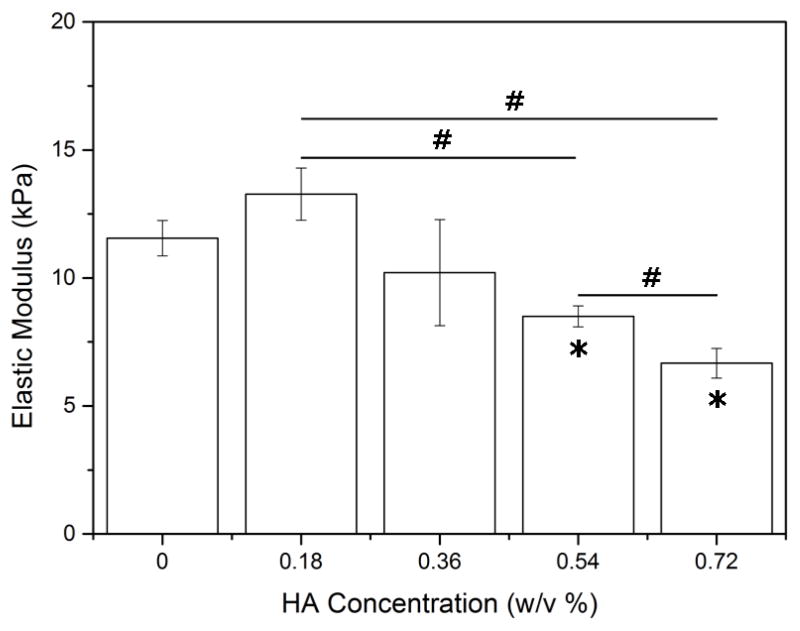
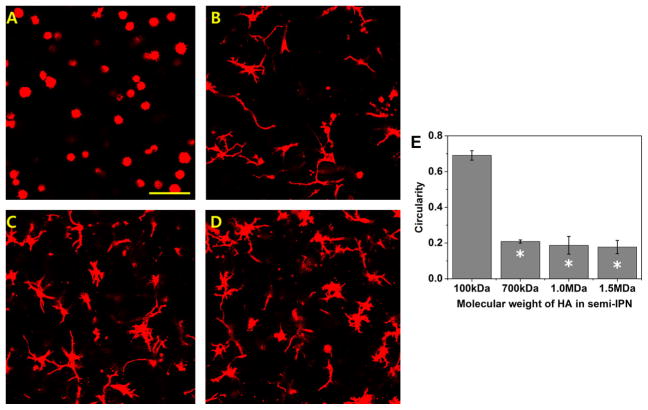
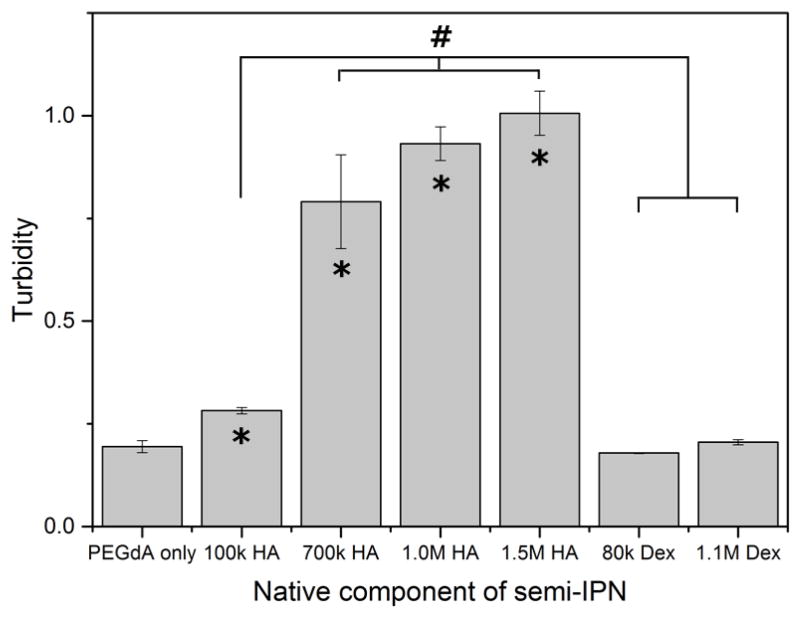
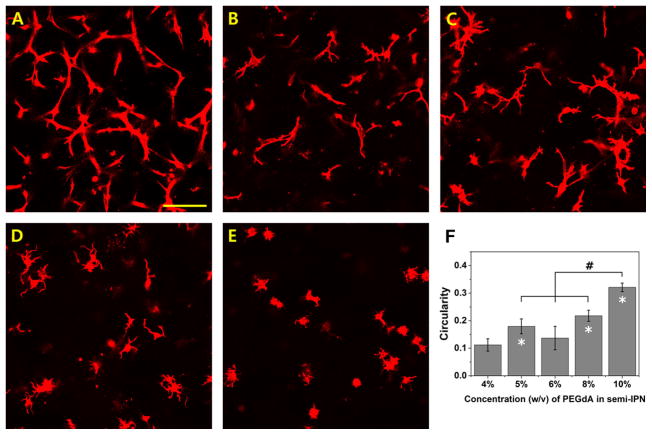
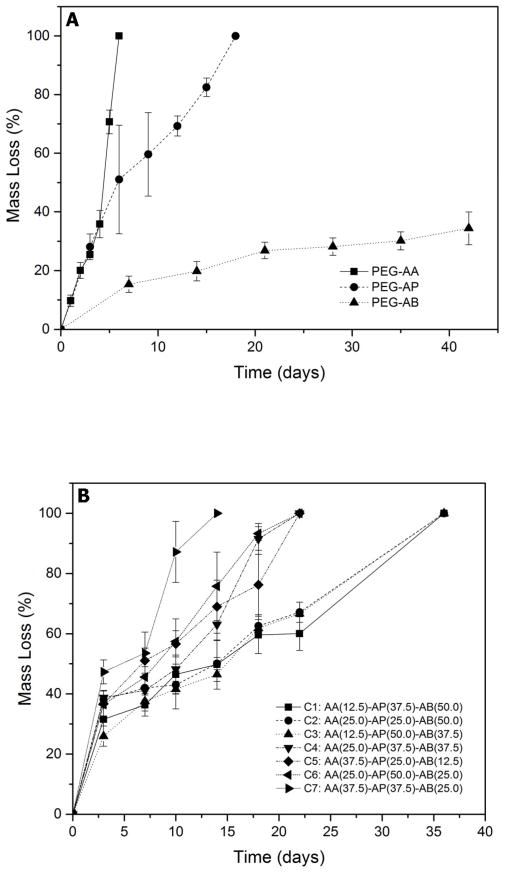
To serve as artificial matrices for therapeutic cell transplantation, synthetic hydrogels must incorporate mechanisms enabling localized, cell-mediated degradation that allows cell spreading and migration. Previously, we have shown that hybrid semi-interpenetrating polymer networks (semi-IPNs) composed of hydrolytically degradable poly(ethylene glycol) diacrylates (PEGdA), acrylate-PEG-GRGDS and native hyaluronic acid (HA) support increased cell spreading relative to fully synthetic networks that is dependent on cellular hyaluronidase activity. This study systematically investigated the effects of PEGdA/HA semi-IPN network composition on 3-D spreading of encapsulated fibroblasts, the underlying changes in gel structure responsible for this activity, and the ability of optimized gel formulations to support long-term cell survival and migration. Fibroblast spreading exhibited a biphasic response to HA concentration, required a minimum HA molecular weight, decreased with increasing PEGdA concentration and was independent of hydrolytic degradation at early time points. Increased gel turbidity was observed in semi-IPNs, but not in copolymerized hydrogels containing methacrylated HA, which did not support cell spreading. This suggests that there is an underlying mechanism of polymerization-induced phase separation that results in HA-enriched defects within the network structure. PEGdA/HA semi-IPNs were also able to support cell spreading at relatively high levels of mechanical properties (∼10kPa elastic modulus) compared to alternative hybrid hydrogels. In order to support long-term cellular remodeling, the degradation rate of the PEGdA component was optimized by preparing blends of three different PEGdA macromers with varying susceptibility to hydrolytic degradation. Optimized semi-IPN formulations supported long-term survival of encapsulated fibroblasts and sustained migration in a gel-within-gel encapsulation model. These results demonstrate that PEGdA/HA semi-IPNs provide dynamic microenvironments that can support 3-D cell survival, spreading and migration for a variety of cell therapy applications.
作为治疗性细胞移植的人工基质,合成水凝胶必须具备能够实现局部、细胞介导降解的机制,以利于细胞铺展和迁移。此前,我们已经表明,由可水解降解的聚乙二醇二丙烯酸酯(PEGdA)、丙烯酸酯-PEG-GRGDS和天然透明质酸(HA)组成的杂化半互穿聚合物网络(半互穿网络)相对于完全合成的网络,能促进细胞铺展增加,这依赖于细胞透明质酸酶活性。本研究系统地研究了PEGdA/HA半互穿网络组成对包封成纤维细胞三维铺展的影响、导致该活性的凝胶结构潜在变化,以及优化凝胶配方支持长期细胞存活和迁移的能力。成纤维细胞铺展对HA浓度呈现双相反应,需要最低的HA分子量,随PEGdA浓度增加而降低,并且在早期时间点与水解降解无关。在半互穿网络中观察到凝胶浊度增加,但在含有甲基丙烯酸化HA且不支持细胞铺展的共聚水凝胶中未观察到。这表明存在聚合诱导相分离的潜在机制,导致网络结构内富含HA的缺陷。与其他杂化水凝胶相比,PEGdA/HA半互穿网络在相对较高的力学性能(约10kPa弹性模量)下也能够支持细胞铺展。为了支持长期细胞重塑,通过制备三种对水解降解敏感性不同的不同PEGdA大分子单体的共混物,优化了PEGdA组分的降解速率。优化的半互穿网络配方支持包封成纤维细胞的长期存活,并在凝胶包封模型中持续迁移。这些结果表明,PEGdA/HA半互穿网络提供了动态微环境,可支持多种细胞治疗应用中的三维细胞存活、铺展和迁移。