Abdelsaid Mohammed, Prakash Roshini, Li Weiguo, Coucha Maha, Hafez Sherif, Johnson Maribeth H, Fagan Susan C, Ergul Adviye
Charlie Norwood Veterans Administration Medical Center, Augusta, GA Department of Physiology, Georgia Regents University, Augusta, GA.
Program in Clinical and Experimental Therapeutics, University of Georgia College of Pharmacy, Augusta, GA.
Diabetes. 2015 May;64(5):1804-17. doi: 10.2337/db14-1423. Epub 2014 Dec 18.
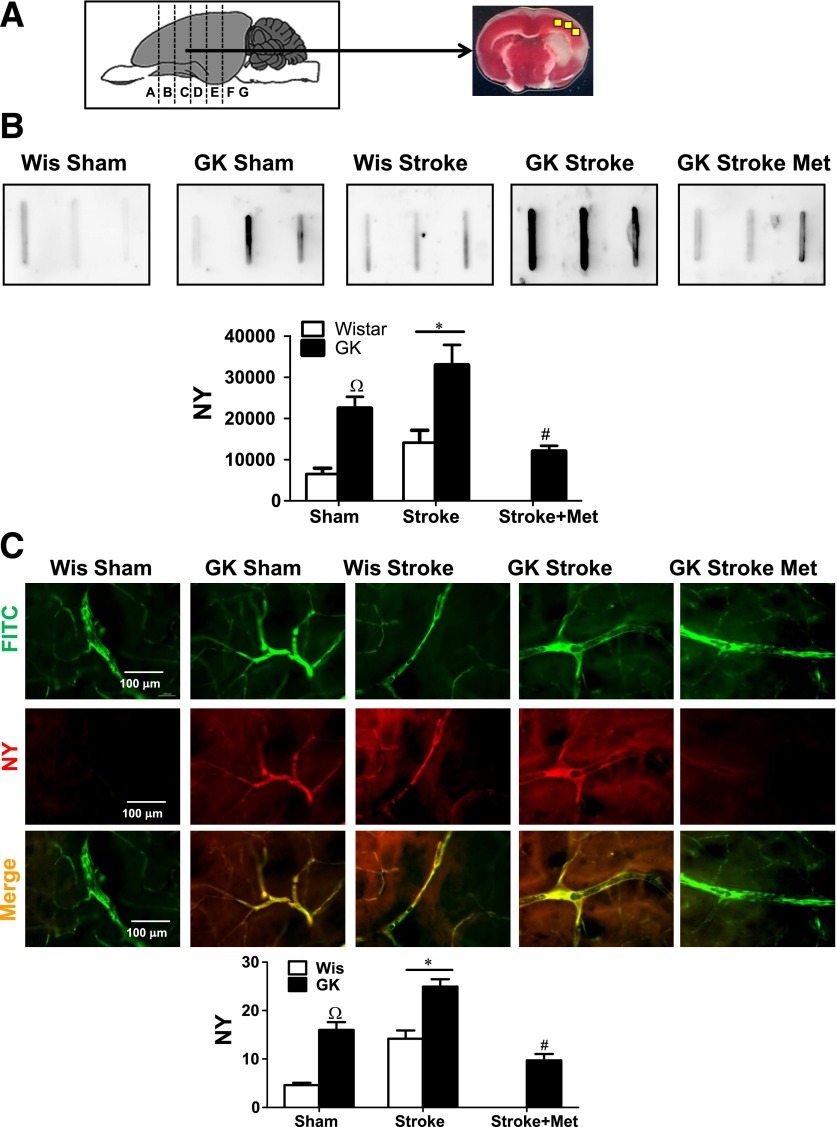
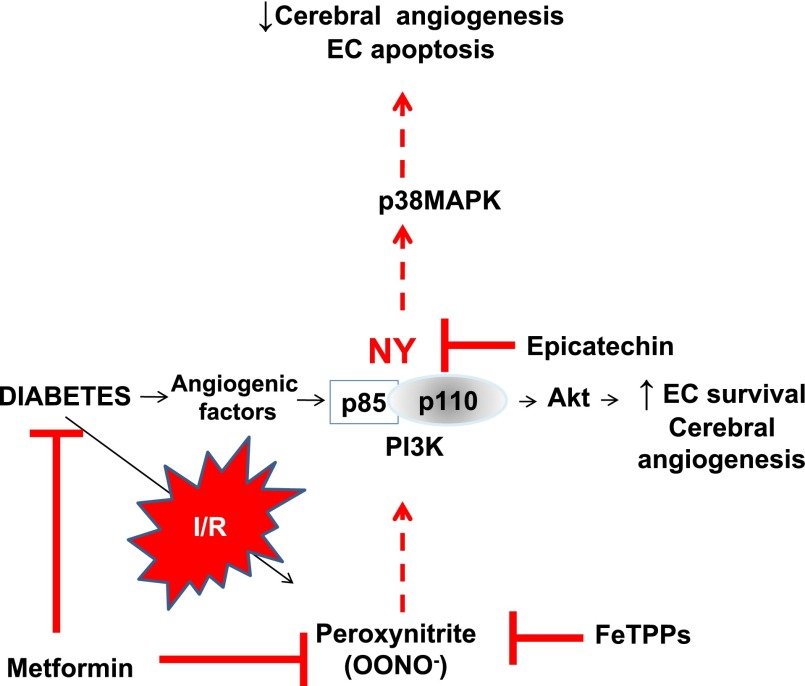
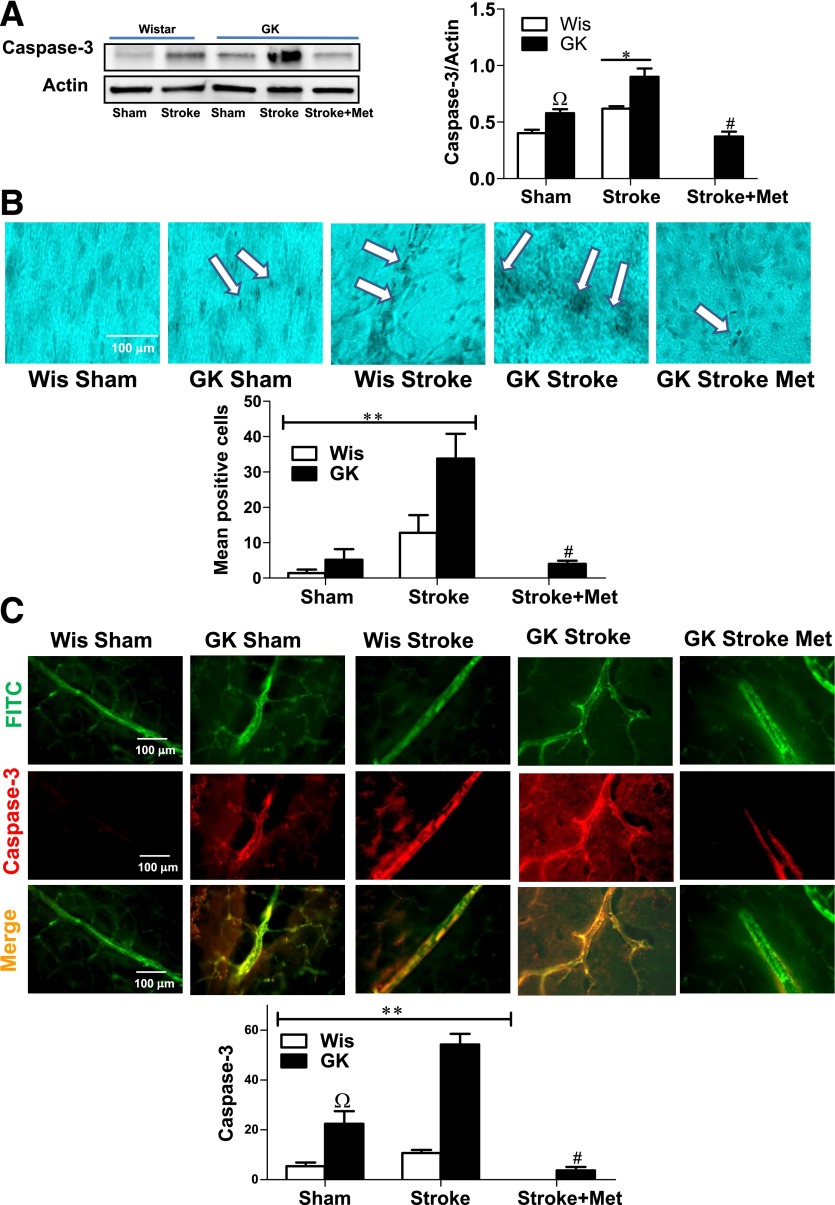
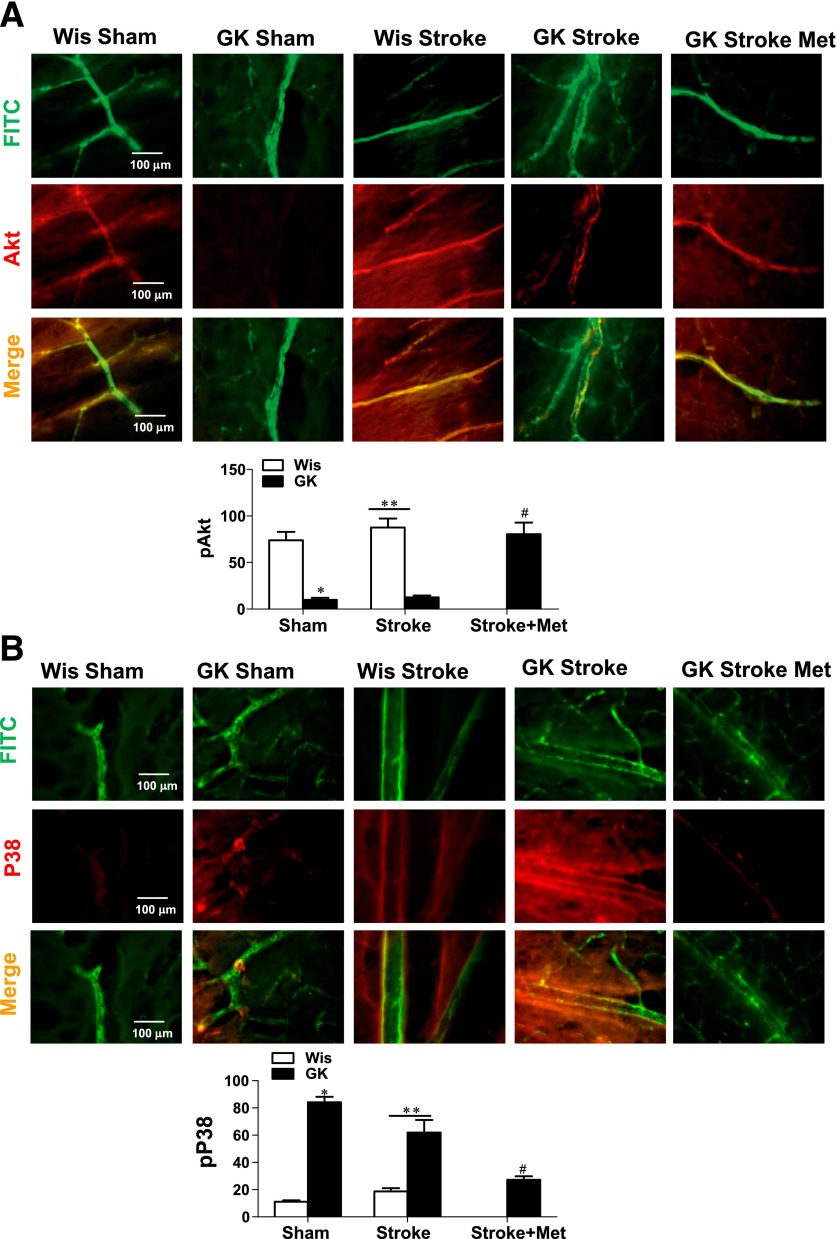
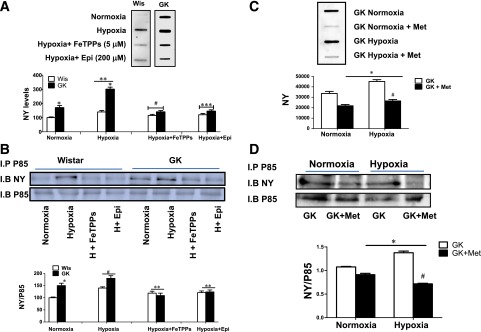
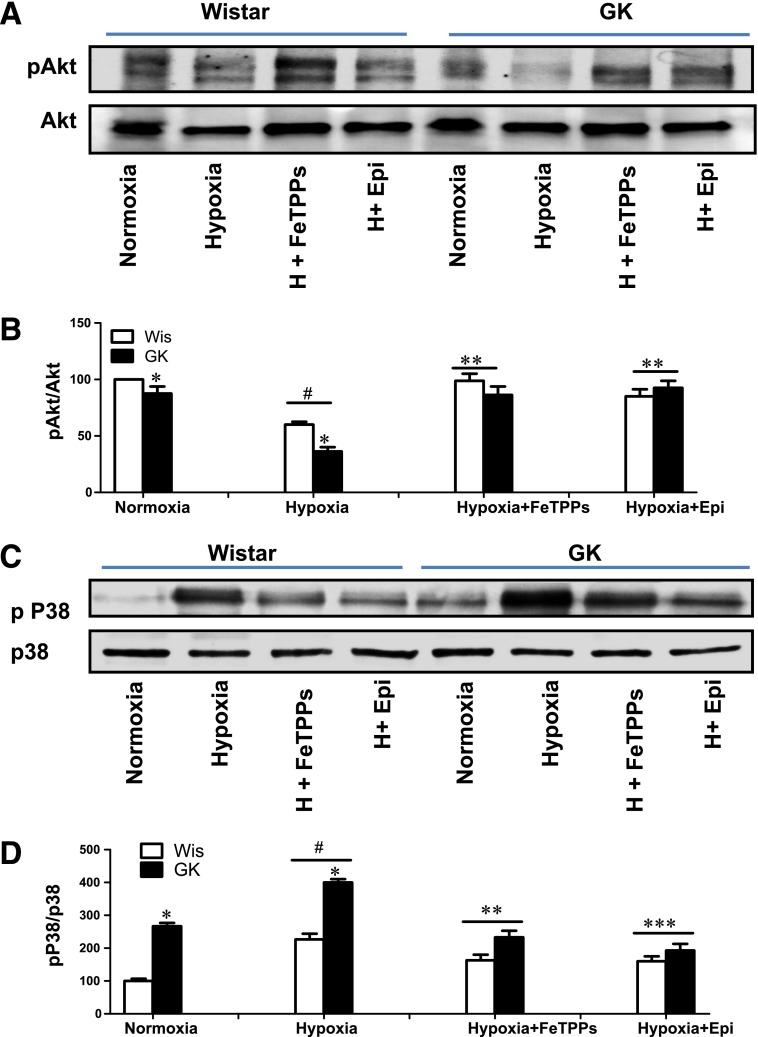
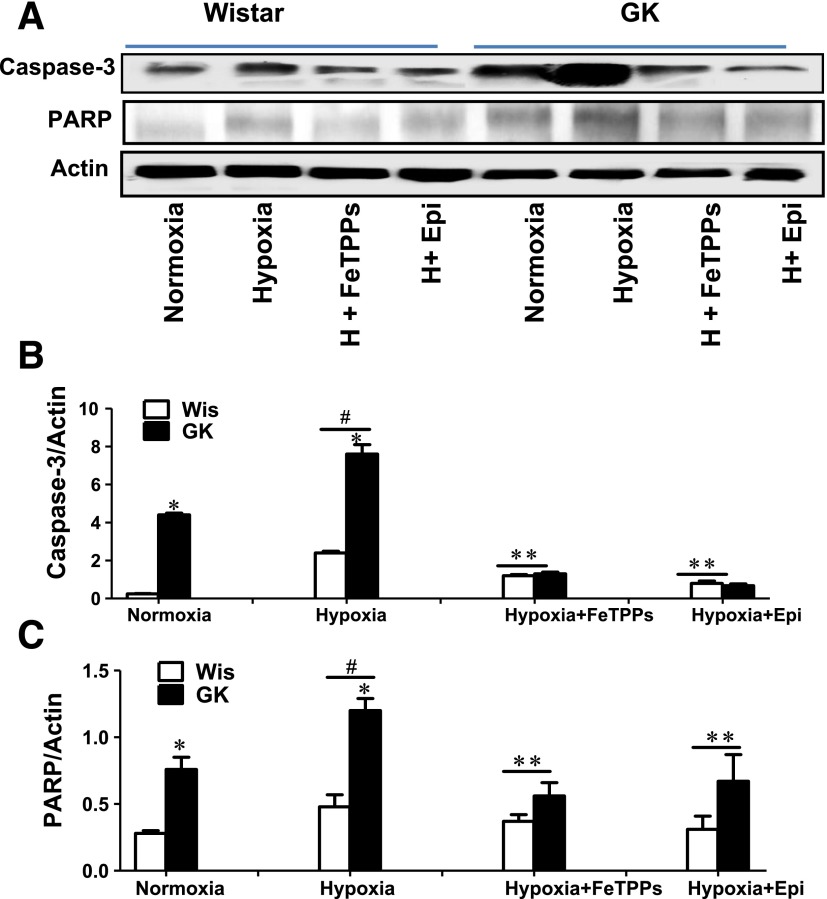
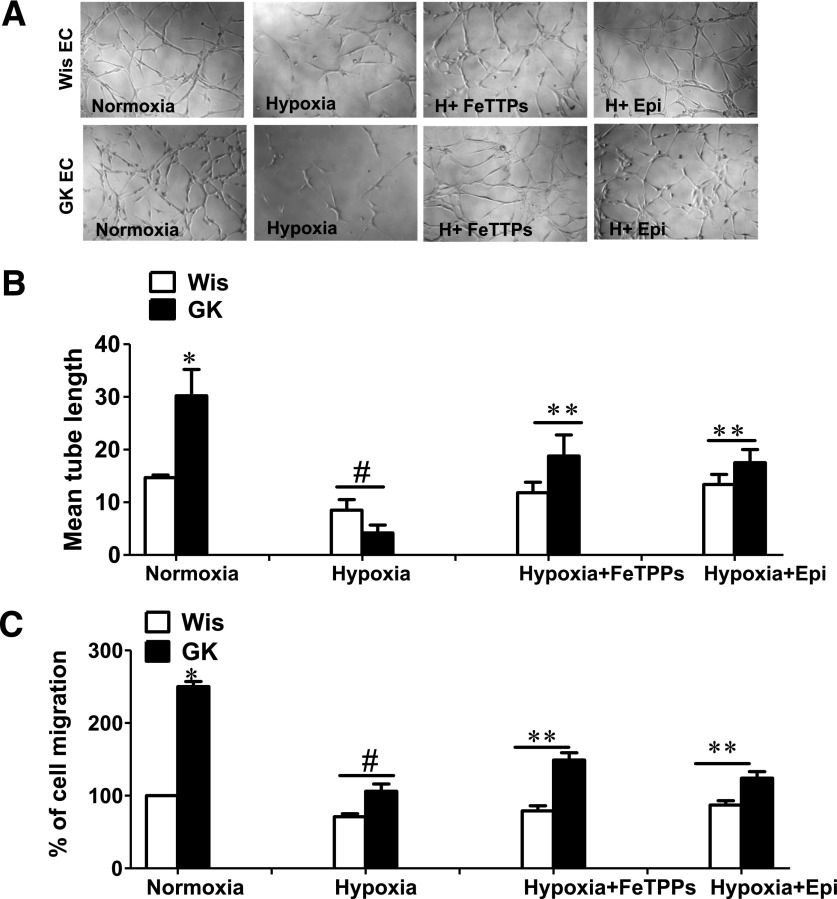
Diabetes impedes vascular repair and causes vasoregression in the brain after stroke, but mechanisms underlying this response are still unclear. We hypothesized that excess peroxynitrite formation in diabetic ischemia/reperfusion (I/R) injury inactivates the p85 subunit of phosphoinositide 3-kinase (PI3K) by nitration and diverts the PI3K-Akt survival signal to the p38-mitogen-activated protein kinase apoptosis pathway. Nitrotyrosine (NY), Akt and p38 activity, p85 nitration, and caspase-3 cleavage were measured in brains from control, diabetic (GK), or metformin-treated GK rats subjected to sham or stroke surgery and in brain microvascular endothelial cells (BMVECs) from Wistar and GK rats subjected to hypoxia/reoxygenation injury. GK rat brains showed increased NY, caspase-3 cleavage, and p38 activation and decreased Akt activation. Metformin attenuated stroke-induced nitrative signaling in GK rats. GK rat BMVECs showed increased basal nitrative stress compared with controls. A second hit by hypoxia/reoxygenation injury dramatically increased the nitration of p85 and activation of p38 but decreased Akt. These effects were associated with impairment of angiogenic response and were restored by treatment with the peroxynitrite scavenger 5,10,15,20-tetrakis(4-sulfonatophenyl)porphyrinato iron III chloride or the nitration inhibitor epicatechin. Our results provide evidence that I/R-induced peroxynitrite inhibits survival, induces apoptosis, and promotes peroxynitrite as a novel therapeutic target for the improvement of reparative angiogenesis after stroke in diabetes.
糖尿病会阻碍血管修复,并在中风后导致大脑血管退化,但其潜在机制仍不清楚。我们推测,糖尿病缺血/再灌注(I/R)损伤中过量的过氧亚硝酸盐生成会通过硝化作用使磷酸肌醇3激酶(PI3K)的p85亚基失活,并将PI3K-Akt存活信号转移至p38丝裂原活化蛋白激酶凋亡途径。在接受假手术或中风手术的对照、糖尿病(GK)或二甲双胍治疗的GK大鼠的大脑中,以及在经历缺氧/复氧损伤的Wistar和GK大鼠的脑微血管内皮细胞(BMVEC)中,检测了硝基酪氨酸(NY)、Akt和p38活性、p85硝化作用以及半胱天冬酶-3裂解情况。GK大鼠大脑显示NY增加、半胱天冬酶-3裂解增加、p38激活增加以及Akt激活减少。二甲双胍减轻了GK大鼠中风诱导的硝化信号传导。与对照相比,GK大鼠BMVEC显示基础硝化应激增加。缺氧/复氧损伤的二次打击显著增加了p85的硝化作用和p38的激活,但降低了Akt。这些效应与血管生成反应受损相关,并通过用过氧亚硝酸盐清除剂5,10,15,20-四(4-磺基苯基)卟啉铁III氯化物或硝化抑制剂表儿茶素治疗得以恢复。我们的结果提供了证据,表明I/R诱导的过氧亚硝酸盐抑制存活、诱导凋亡,并促进将过氧亚硝酸盐作为改善糖尿病中风后修复性血管生成的新治疗靶点。