Thapar Roopa
BioSciences at Rice, Biochemistry and Cell Biology, Rice University, Houston, Texas 77251-1892, United States.
ACS Chem Biol. 2015 Mar 20;10(3):652-66. doi: 10.1021/cb500860x. Epub 2015 Jan 14.
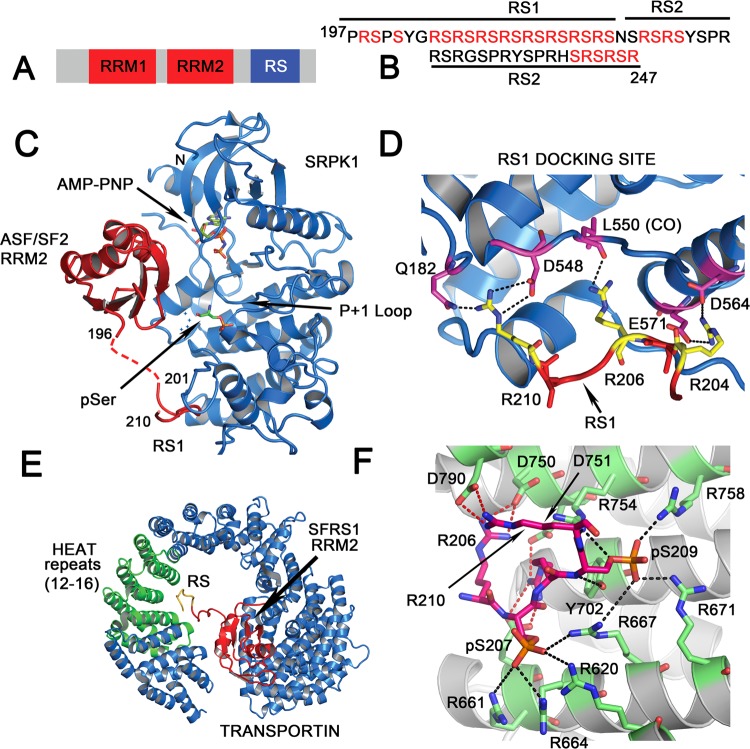
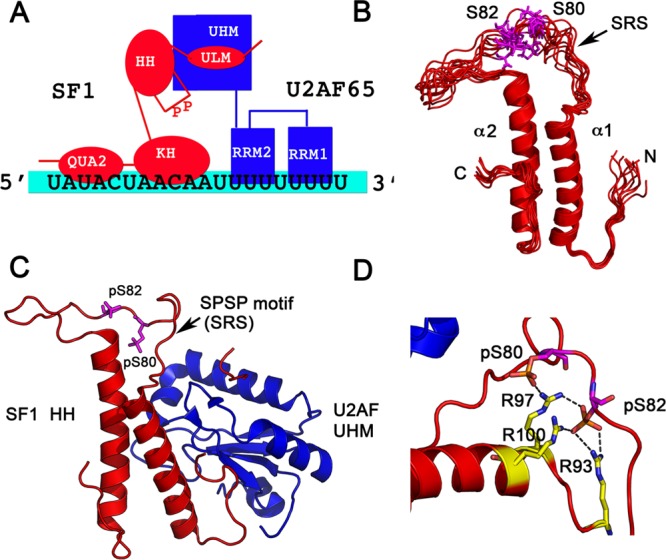
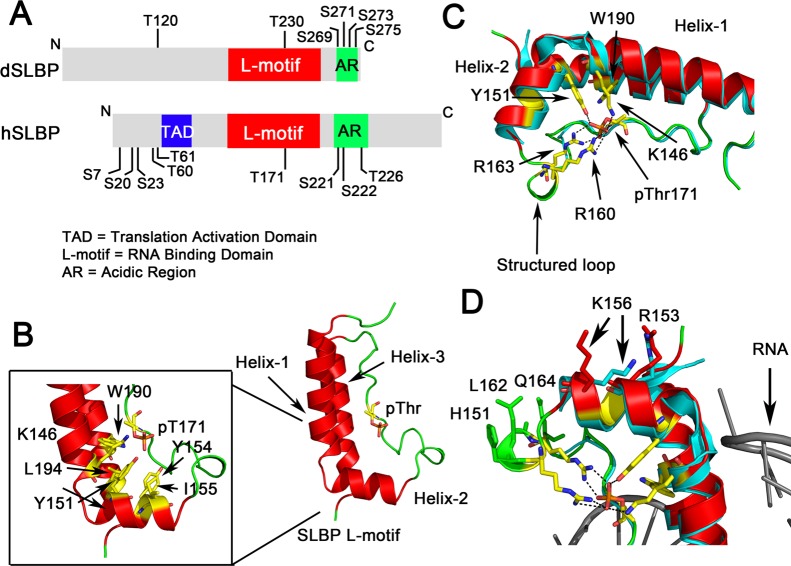
Ribonucleoprotein complexes involved in pre-mRNA splicing and mRNA decay are often regulated by phosphorylation of RNA-binding proteins. Cells use phosphorylation-dependent signaling pathways to turn on and off gene expression. Not much is known about how phosphorylation-dependent signals transmitted by exogenous factors or cell cycle checkpoints regulate RNA-mediated gene expression at the atomic level. Several human diseases are linked to an altered phosphorylation state of an RNA binding protein. Understanding the structural response to the phosphorylation "signal" and its effect on ribonucleoprotein assembly provides mechanistic understanding, as well as new information for the design of novel drugs. In this review, I highlight recent structural studies that reveal the mechanisms by which phosphorylation can regulate protein-protein and protein-RNA interactions in ribonucleoprotein complexes.
参与前体mRNA剪接和mRNA降解的核糖核蛋白复合物通常受RNA结合蛋白磷酸化的调控。细胞利用磷酸化依赖性信号通路来开启和关闭基因表达。关于外源性因子或细胞周期检查点传递的磷酸化依赖性信号如何在原子水平上调节RNA介导的基因表达,目前所知甚少。几种人类疾病与RNA结合蛋白磷酸化状态的改变有关。了解对磷酸化“信号”的结构反应及其对核糖核蛋白组装的影响,不仅能提供机制上的理解,还能为新型药物的设计提供新信息。在这篇综述中,我重点介绍了最近的结构研究,这些研究揭示了磷酸化调节核糖核蛋白复合物中蛋白质-蛋白质和蛋白质-RNA相互作用的机制。