Department of Biochemistry and Molecular Biology, College of Medicine, Howard University , Washington, DC, USA.
Front Genet. 2014 Dec 5;5:426. doi: 10.3389/fgene.2014.00426. eCollection 2014.
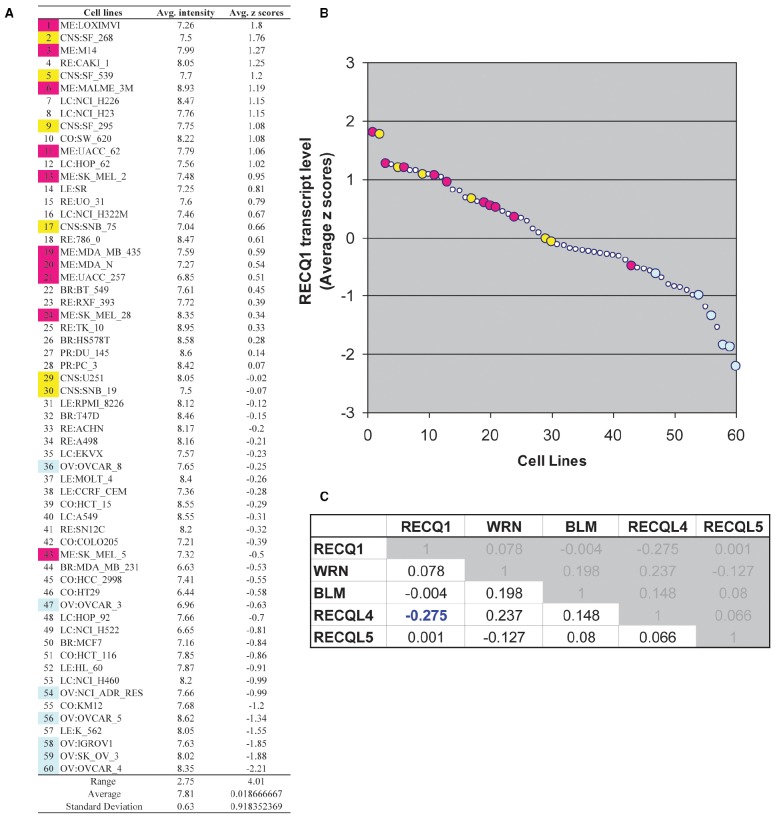
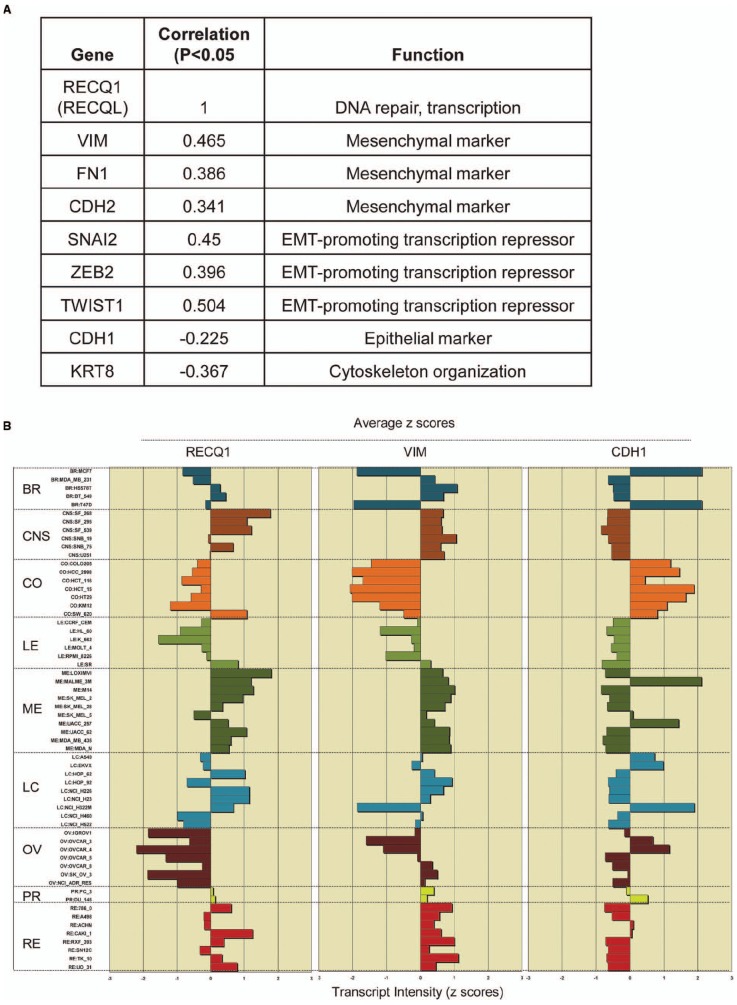
RECQ1 is the most abundant member of the human RecQ family of DNA helicases genetically linked with cancer predisposition syndromes and well known for their functions in genome stability maintenance through DNA repair. Despite being the first discovered RecQ homolog in humans, biological functions of RECQ1 have remained largely underappreciated and its relevance to cellular transformation is yet unclear. RECQ1 is overexpressed and amplified in many clinical cancer samples. In silico evaluation of RECQ1 mRNA expression across the NCI-60 cancer cell lines predicts an association of RECQ1 with cancer cell migration, invasion, and metastasis. Consistent with this, latest work implicates RECQ1 in regulation of gene expression, especially of those associated with cancer progression. Functionally, silencing RECQ1 expression significantly reduces cell proliferation, migration, and invasion. Collectively, these results propose that discerning the role of RECQ1 in conferring proliferative and invasive phenotype to cancer cells could be useful in developing therapeutic strategies to block primary tumor progression and metastasis.
RECQ1 是人类 RECQ 解旋酶家族中丰度最高的成员,与癌症易感性综合征密切相关,以其在通过 DNA 修复维持基因组稳定性方面的功能而闻名。尽管 RECQ1 是人类中第一个发现的 RecQ 同源物,但它的生物学功能在很大程度上仍未被充分认识,其与细胞转化的相关性也尚不清楚。RECQ1 在许多临床癌症样本中过度表达和扩增。对 NCI-60 癌细胞系中 RECQ1 mRNA 表达的计算机评估预测 RECQ1 与癌细胞迁移、侵袭和转移有关。最新的研究结果一致表明,RECQ1 参与了基因表达的调控,尤其是与癌症进展相关的基因表达。功能上,沉默 RECQ1 的表达显著降低了细胞的增殖、迁移和侵袭。总的来说,这些结果表明,阐明 RECQ1 在赋予癌细胞增殖和侵袭表型方面的作用,可能有助于开发阻止原发性肿瘤进展和转移的治疗策略。