Lim Chuan Bian, Prêle Cecilia M, Baltic Svetlana, Arthur Peter G, Creaney Jenette, Watkins D Neil, Thompson Philip J, Mutsaers Steven E
Lung Institute of Western Australia and Centre for Asthma, Allergy and Respiratory Research, School of Medicine and Pharmacology, University of Western Australia, Harry Perkins Institute of Medical Research, Nedlands, WA, Australia.
Centre for Cell Therapy and Regenerative Medicine, School of Medicine and Pharmacology, University of Western Australia and Harry Perkins Institute of Medical Research, Nedlands, WA, Australia.
Oncotarget. 2015 Jan 30;6(3):1519-30. doi: 10.18632/oncotarget.2729.
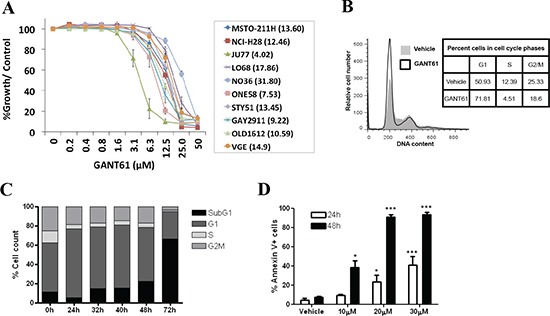
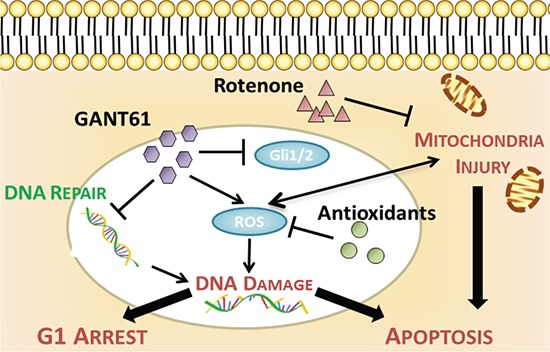
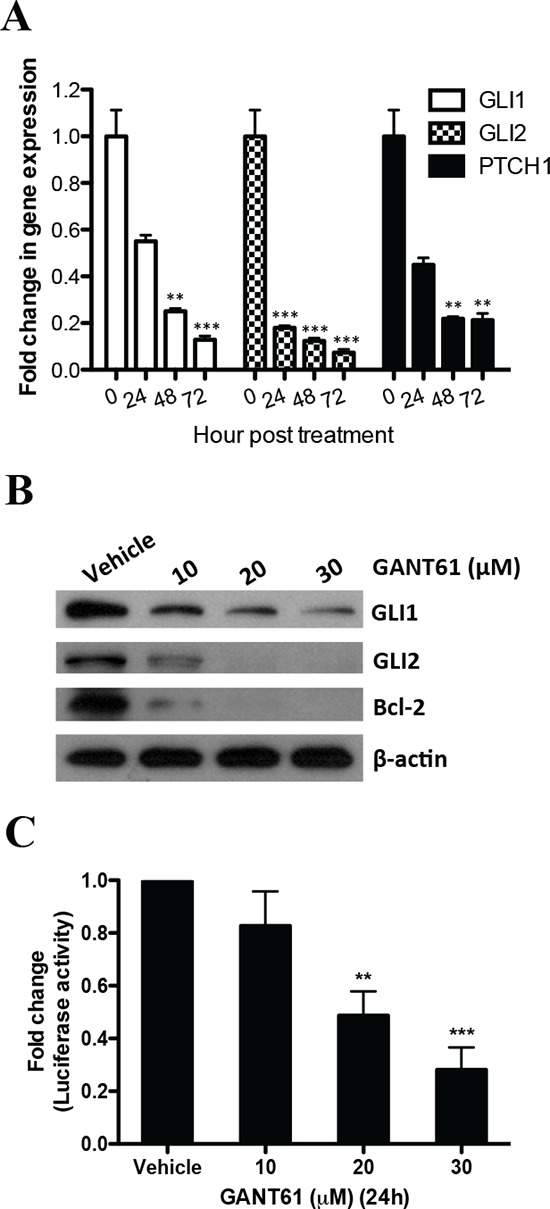
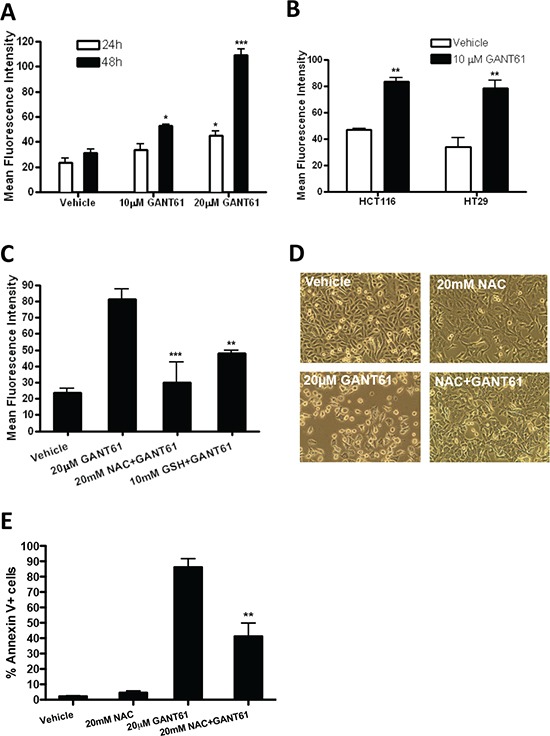
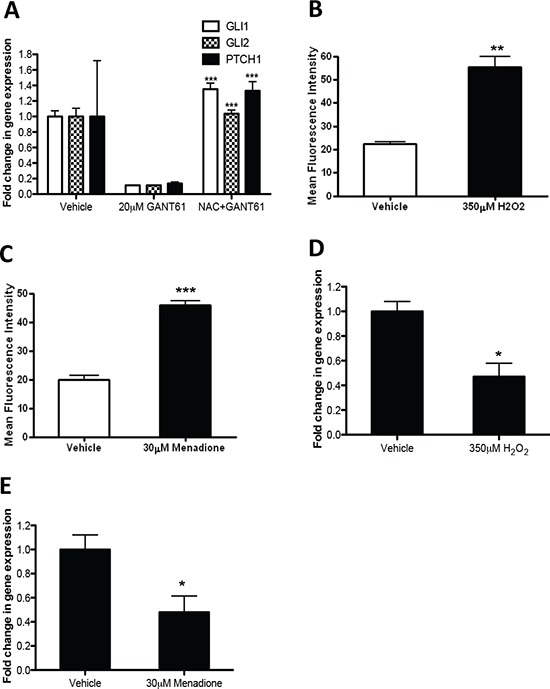
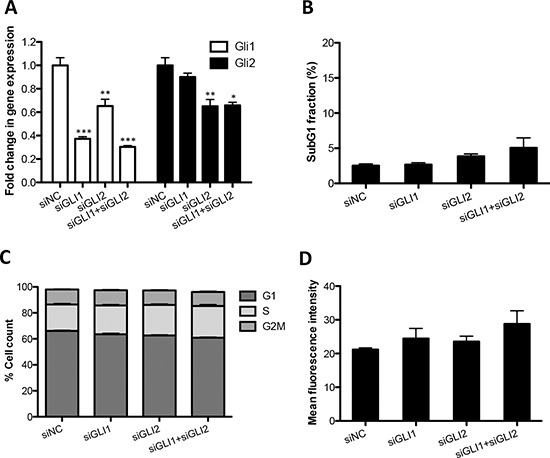
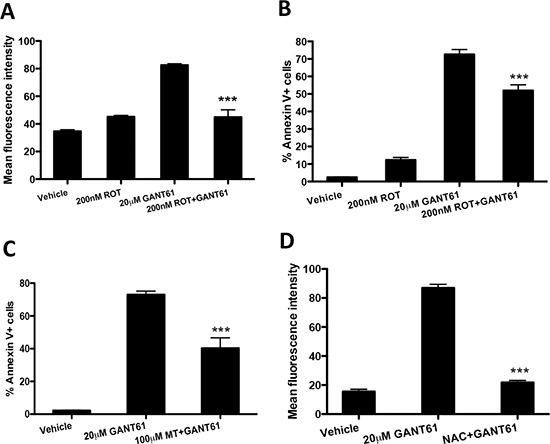
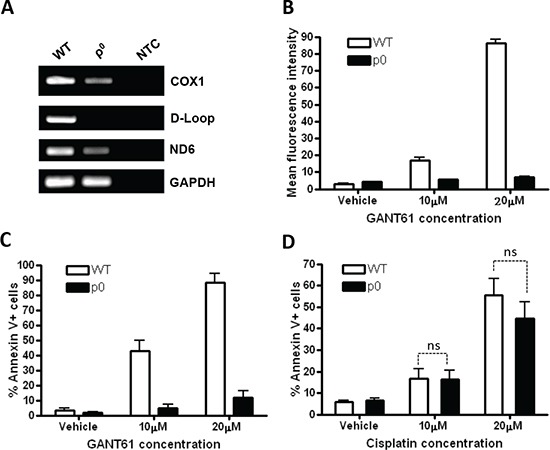
Gli transcription factors of the Hedgehog (Hh) pathway have been reported to be drivers of malignant mesothelioma (MMe) cell survival. The Gli inhibitor GANT61 induces apoptosis in various cancer cell models, and has been associated directly with Gli inhibition. However various chemotherapeutics can induce cell death through generation of reactive oxygen species (ROS) but whether ROS mediates GANT61-induced apoptosis is unknown. In this study human MMe cells were treated with GANT61 and the mechanisms regulating cell death investigated. Exposure of MMe cells to GANT61 led to G1 phase arrest and apoptosis, which involved ROS but not its purported targets, GLI1 or GLI2. GANT61 triggered ROS generation and quenching of ROS protected MMe cells from GANT61-induced apoptosis. Furthermore, we demonstrated that mitochondria are important in mediating GANT61 effects: (1) ROS production and apoptosis were blocked by mitochondrial inhibitor rotenone; (2) GANT61 promoted superoxide formation in mitochondria; and (3) mitochondrial DNA-deficient LO68 cells failed to induce superoxide, and were more resistant to apoptosis induced by GANT61 than wild-type cells. Our data demonstrate for the first time that GANT61 induces apoptosis by promoting mitochondrial superoxide generation independent of Gli inhibition, and highlights the therapeutic potential of mitochondrial ROS-mediated anticancer drugs in MMe.
据报道,刺猬索尼氏(Hh)信号通路的Gli转录因子是恶性间皮瘤(MMe)细胞存活的驱动因素。Gli抑制剂GANT61在各种癌细胞模型中可诱导细胞凋亡,且与Gli抑制直接相关。然而,各种化疗药物可通过产生活性氧(ROS)诱导细胞死亡,但ROS是否介导GANT61诱导的细胞凋亡尚不清楚。在本研究中,用GANT61处理人MMe细胞,并研究调节细胞死亡的机制。将MMe细胞暴露于GANT61会导致G1期阻滞和细胞凋亡,这涉及ROS,但其假定靶点GLI1或GLI2并不参与。GANT61触发ROS生成,而ROS的淬灭可保护MMe细胞免受GANT61诱导的细胞凋亡。此外,我们证明线粒体在介导GANT61效应中很重要:(1)线粒体抑制剂鱼藤酮可阻断ROS产生和细胞凋亡;(2)GANT61促进线粒体中超氧化物形成;(3)线粒体DNA缺陷的LO68细胞未能诱导超氧化物产生,并且比野生型细胞对GANT61诱导的细胞凋亡更具抗性。我们的数据首次证明GANT61通过促进线粒体超氧化物生成诱导细胞凋亡,而与Gli抑制无关,并突出了线粒体ROS介导的抗癌药物在MMe中的治疗潜力。