Dauphinee Adrian N, Warner Trevor S, Gunawardena Arunika H L A N
BMC Plant Biol. 2014 Dec 30;14:389. doi: 10.1186/s12870-014-0389-x.
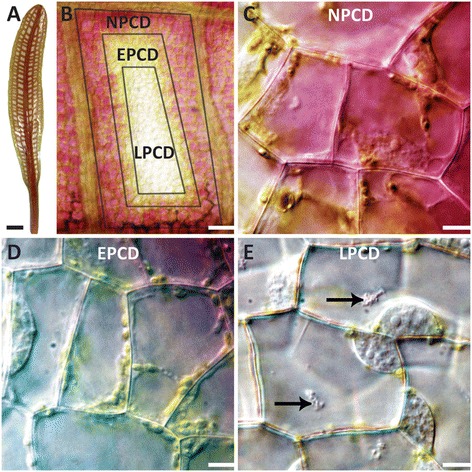
Programmed cell death (PCD) is an important process for the development and maintenance of multicellular eukaryotes. In animals, there are three morphologically distinct cell death types: apoptosis, autophagic cell death, and necrosis. The search for an all-encompassing classification system based on plant cell death morphology continues. The lace plant is a model system for studying PCD as leaf perforations form predictably via this process during development. This study induced death in cells that do not undergo developmental PCD using various degrees and types of stress (heat, salt, acid and base). Cell death was observed via live cell imaging and compared to the developmental PCD pathway.
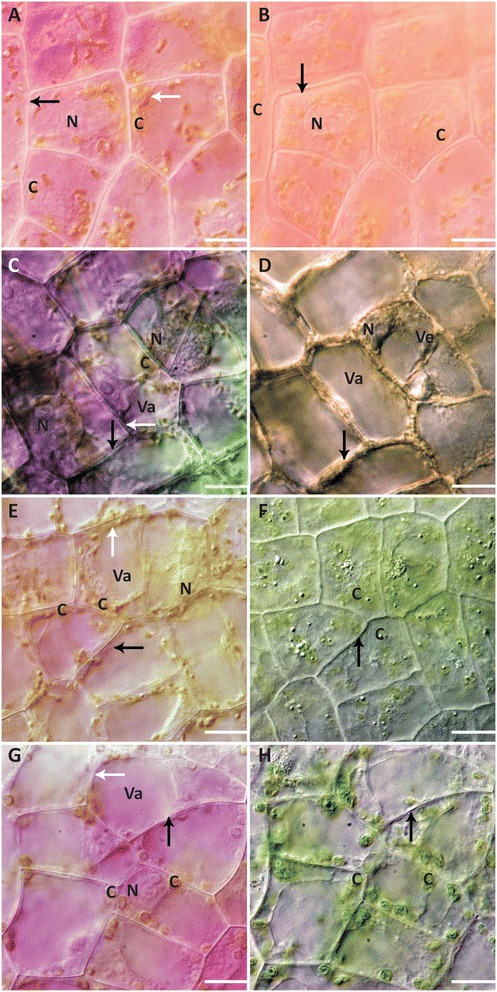
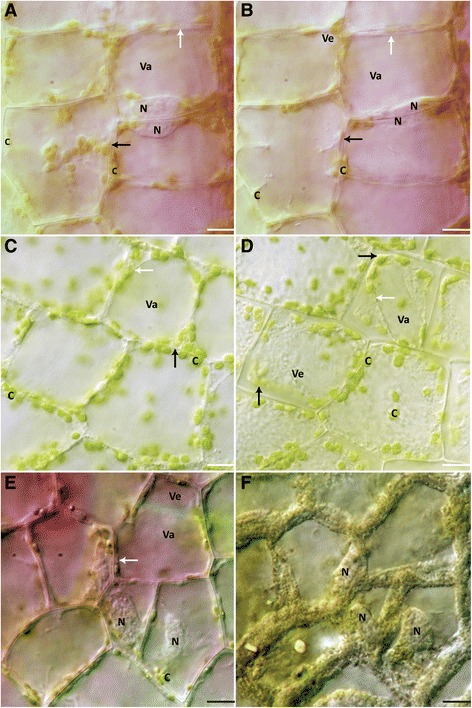
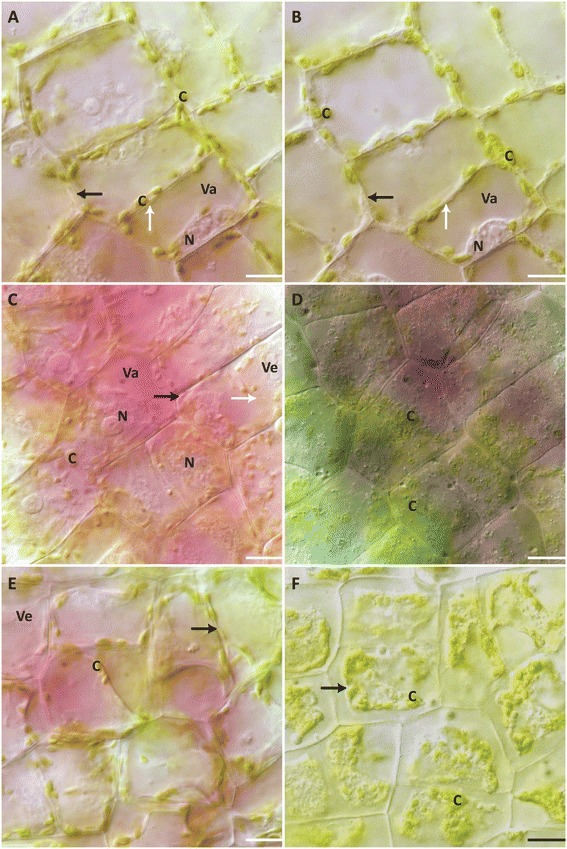
Morphological similarities between developmental and induced PCD included: disappearance of anthocyanin from the vacuole, increase in vesicle formation, nuclear condensation, and fusing of vesicles containing organelles to the vacuole prior to tonoplast collapse. Plasma membrane retraction was a key feature of developmental PCD but did not occur in all induced modes of cell death.
Regardless of the causal agent in cell death, the vacuole appeared to play a central role in dying cells. The results indicated that within a single system, various types and intensities of stress will influence cell death morphology. In order to establish a plant cell death classification system, future research should combine morphological data with biochemical and molecular data.
程序性细胞死亡(PCD)是多细胞真核生物发育和维持过程中的一个重要过程。在动物中,存在三种形态上不同的细胞死亡类型:凋亡、自噬性细胞死亡和坏死。基于植物细胞死亡形态寻找一个全面的分类系统的工作仍在继续。蕾丝植物是研究PCD的一个模型系统,因为在发育过程中叶片穿孔通过这个过程可预测地形成。本研究使用不同程度和类型的胁迫(热、盐、酸和碱)诱导未经历发育性PCD的细胞死亡。通过活细胞成像观察细胞死亡,并与发育性PCD途径进行比较。
发育性和诱导性PCD之间的形态学相似之处包括:液泡中花青素消失、囊泡形成增加、核浓缩以及在液泡膜破裂之前含有细胞器的囊泡与液泡融合。质膜收缩是发育性PCD的一个关键特征,但并非在所有诱导性细胞死亡模式中都出现。
无论细胞死亡的病因如何,液泡似乎在垂死细胞中起核心作用。结果表明,在单一系统内,不同类型和强度的胁迫会影响细胞死亡形态。为了建立植物细胞死亡分类系统,未来的研究应将形态学数据与生化和分子数据相结合。