He Jin-Lian, Zhou Zhi-Wei, Yin Juan-Juan, He Chang-Qiang, Zhou Shu-Feng, Yu Yang
College of Chinese Medicine, Guangzhou University of Chinese Medicine, Guangzhou, Guangdong, People's Republic of China.
Department of Pharmaceutical Sciences, College of Pharmacy, University of South Florida, Tampa, FL, USA ; Guizhou Provincial Key Laboratory for Regenerative Medicine, Stem Cell and Tissue Engineering Research Center and Sino-US Joint Laboratory for Medical Sciences, Guiyang Medical University, Guiyang, Guizhou, People's Republic of China.
Drug Des Devel Ther. 2014 Dec 17;9:127-46. doi: 10.2147/DDDT.S68501. eCollection 2015.
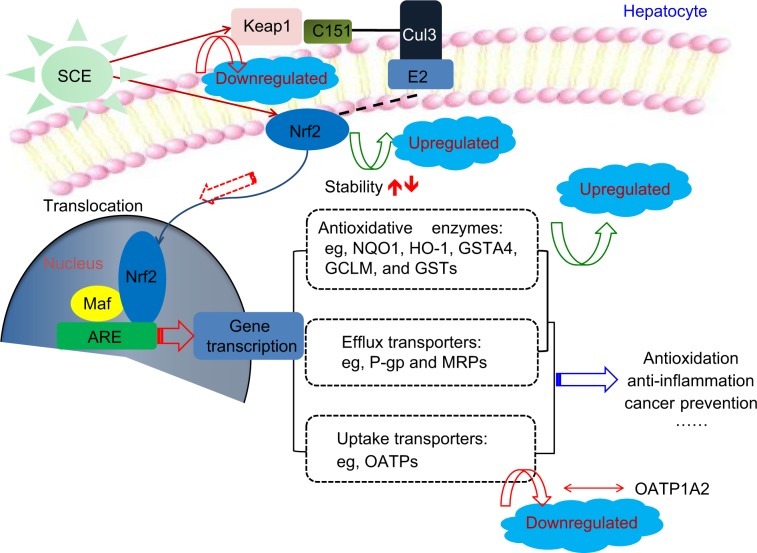
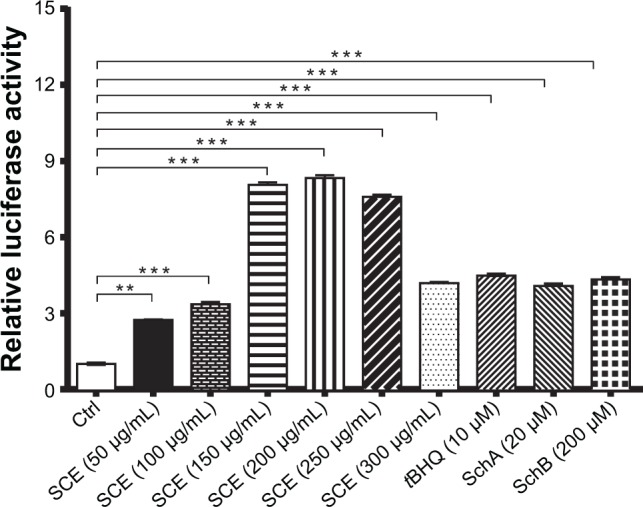
Drug metabolizing enzymes (DMEs) and drug transporters are regulated via epigenetic, transcriptional, posttranscriptional, and translational and posttranslational modifications. Phase I and II DMEs and drug transporters play an important role in the disposition and detoxification of a large number of endogenous and exogenous compounds. The nuclear factor (erythroid-derived 2)-like 2 (Nrf2) is a critical regulator of a variety of important cytoprotective genes that are involved in disposition and detoxification of xenobiotics. Schisandra chinensis (SC) is a commonly used traditional Chinese herbal medicine that has been primarily used to protect the liver because of its potent antioxidative and anti-inflammatory activities. SC can modulate some DMEs and drug transporters, but the underlying mechanisms are unclear. In this study, we aimed to explore the role of Nrf2 in the regulatory effect of SC extract (SCE) on selected DMEs and drug transporters in human hepatocellular liver carcinoma cell line (HepG2) cells. The results showed that SCE, schisandrin A, and schisandrin B significantly increased the expression of
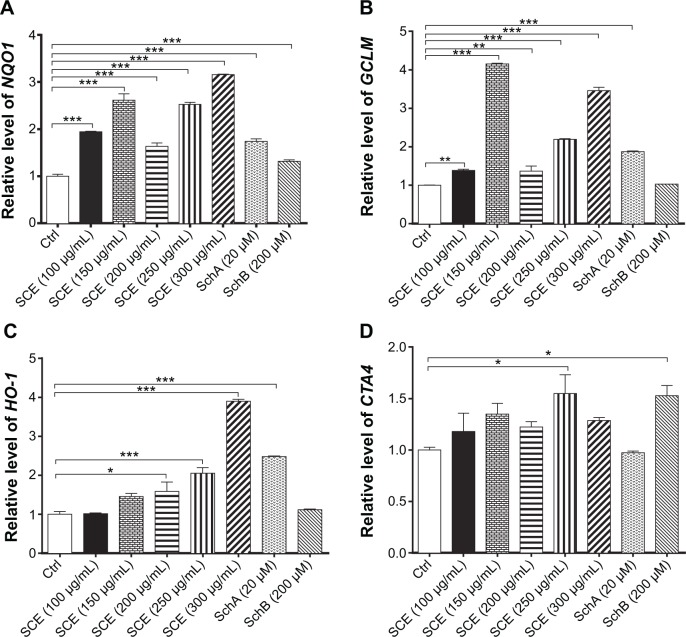
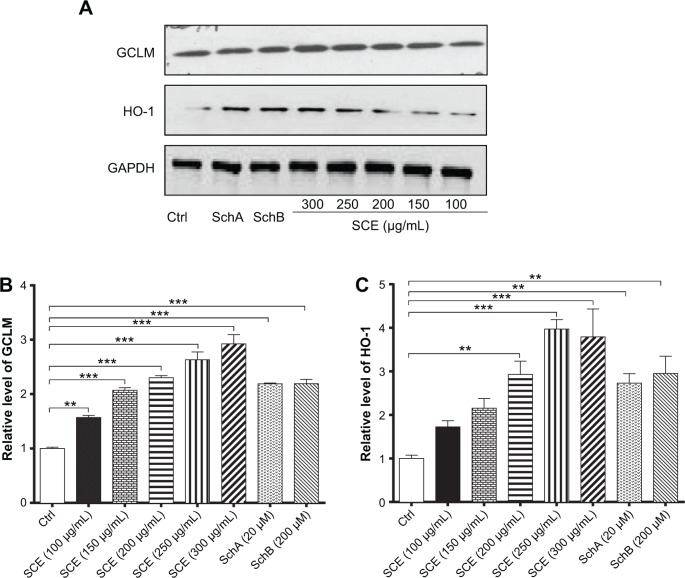
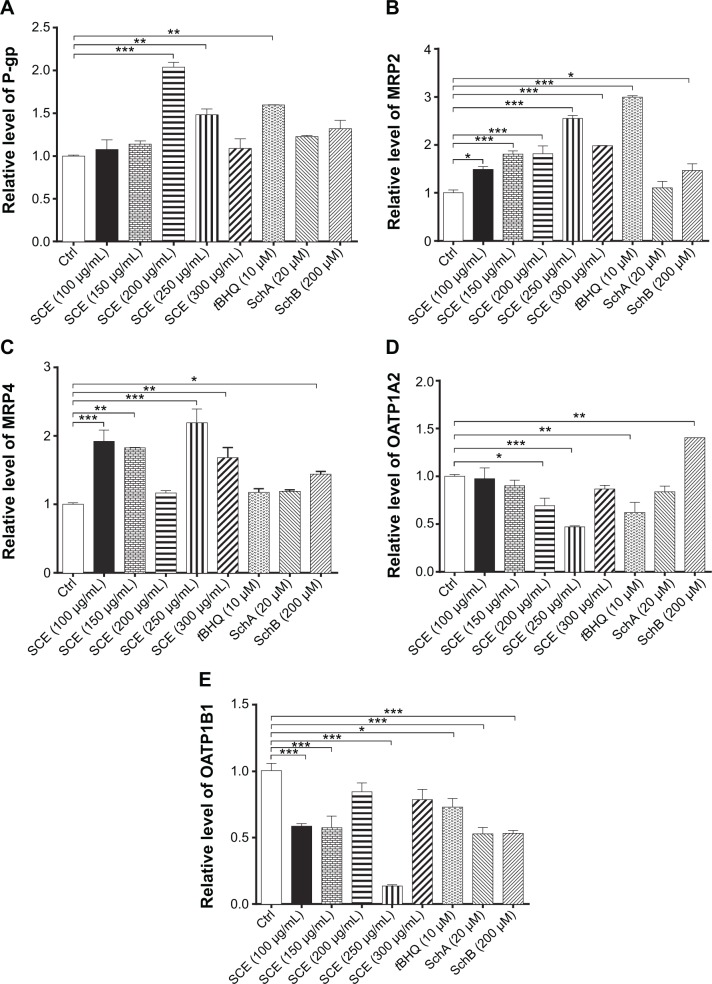
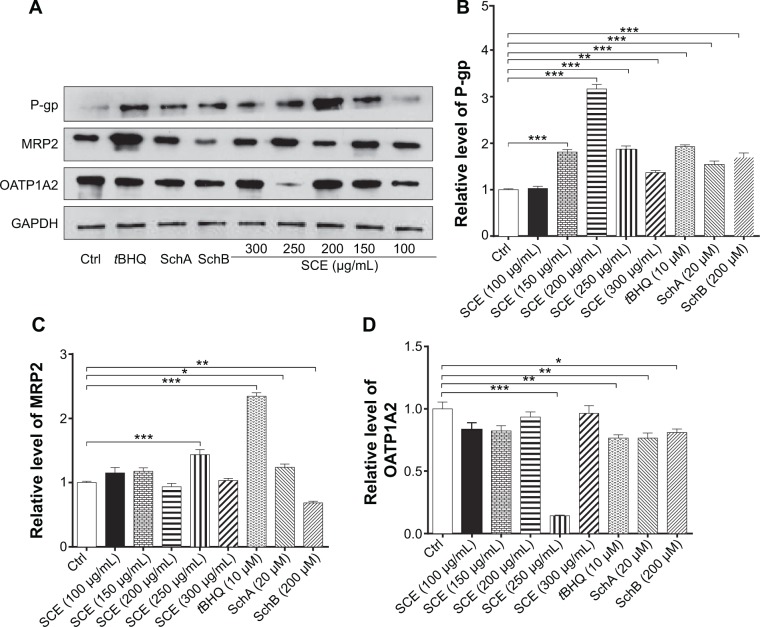
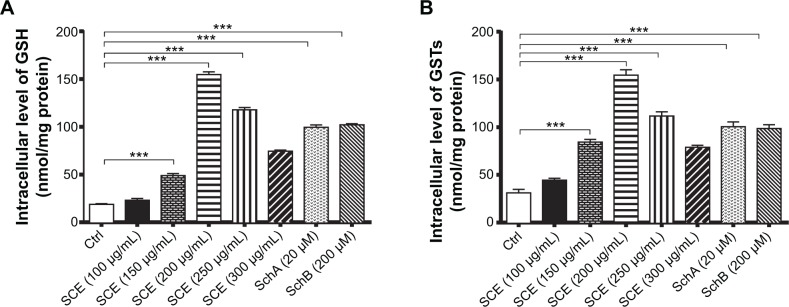
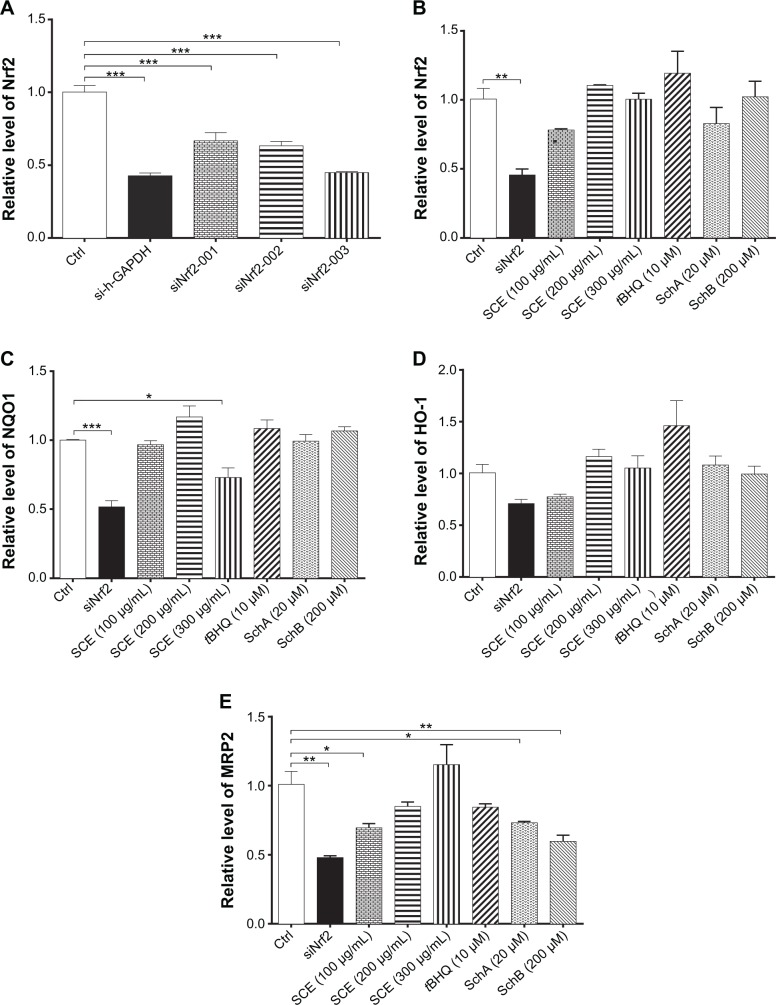
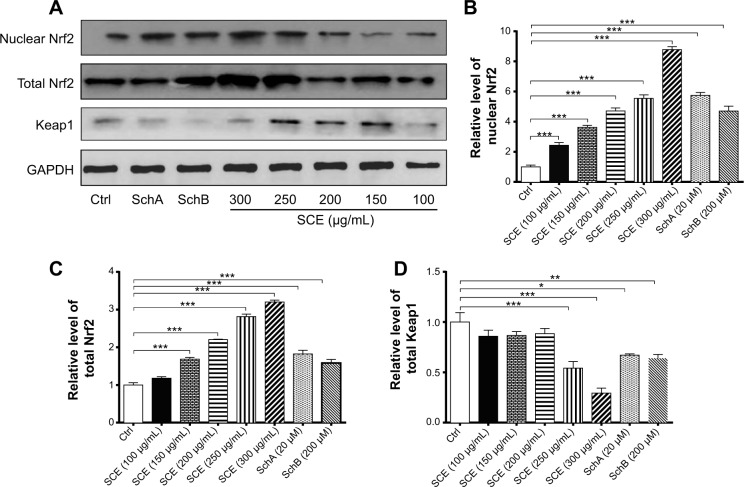
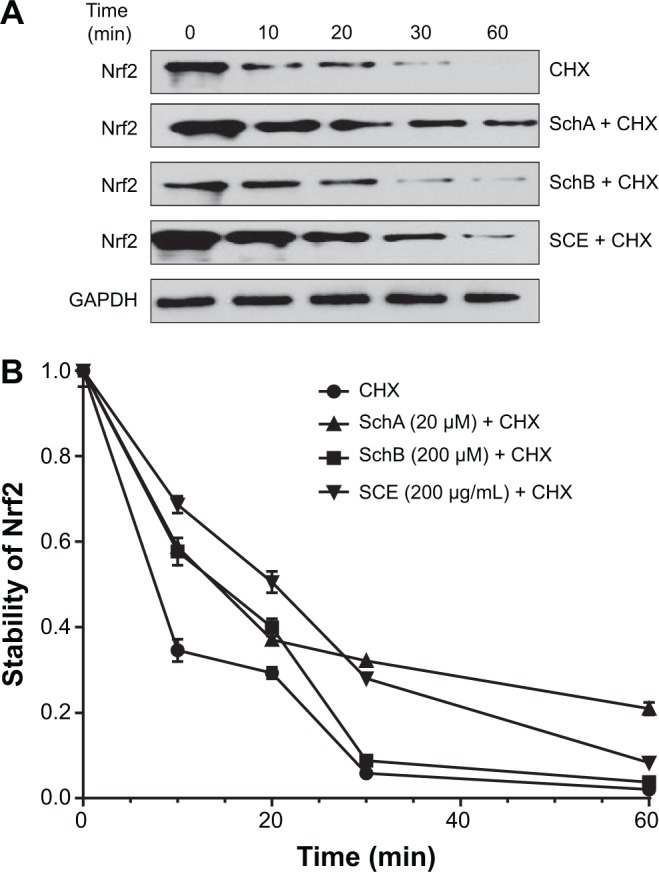
NAD(P)H: Nicotinamide Adenine Dinucleotide Phosphate-oxidase or:quinone oxidoreductase 1, heme oxygenase-1, glutamate-cysteine ligase, and glutathione S-transferase A4 at both transcriptional and posttranscriptional levels. Incubation of HepG2 cells with SCE resulted in a significant increase in the intracellular level of glutathione and total glutathione S-transferase content. SCE significantly elevated the messenger ribonucleic acid and protein levels of P-glycoprotein and multidrug resistance-associated protein 2 and 4, whereas the expression of organic anion transporting peptide 1A2 and 1B1 was significantly downregulated by SCE. Knockdown of Nrf2 by small interfering ribonucleic acid attenuated the regulatory effect of SCE on these DMEs and drug transporters. SCE significantly upregulated Nrf2 and promoted the translocation of Nrf2 from cytoplasm to the nuclei. Additionally, SCE significantly suppressed the expression of cytosolic Kelch-like ECH-associated protein 1 (the repressor of Nrf2) and remarkably increased Nrf2 stability in HepG2 cells. Taken together, our findings suggest that the hepatoprotective effects of SCE may be partially ascribed to the modulation of DMEs and drug transporters via Nrf2-mediated signaling pathway. SCE may alter the pharmacokinetics of other coadministered drugs that are substrates of these DMEs and transporters and thus cause unfavorable herb-drug interactions.
药物代谢酶(DMEs)和药物转运体通过表观遗传、转录、转录后、翻译及翻译后修饰进行调控。I相和II相DMEs以及药物转运体在大量内源性和外源性化合物的处置和解毒过程中发挥着重要作用。核因子(红系衍生2)样2(Nrf2)是多种重要细胞保护基因的关键调节因子,这些基因参与外源性物质的处置和解毒。五味子是一种常用的传统中药,因其强大的抗氧化和抗炎活性而主要用于保护肝脏。五味子可以调节一些DMEs和药物转运体,但其潜在机制尚不清楚。在本研究中,我们旨在探讨Nrf2在五味子提取物(SCE)对人肝癌细胞系(HepG2)细胞中所选DMEs和药物转运体的调节作用中的作用。结果表明,SCE、五味子醇甲和五味子乙素在转录和转录后水平均显著增加了烟酰胺腺嘌呤二核苷酸磷酸氧化酶或醌氧化还原酶1、血红素加氧酶-1、谷氨酸-半胱氨酸连接酶和谷胱甘肽S-转移酶A4的表达。用SCE孵育HepG2细胞导致细胞内谷胱甘肽水平和总谷胱甘肽S-转移酶含量显著增加。SCE显著提高了P-糖蛋白、多药耐药相关蛋白2和4的信使核糖核酸和蛋白质水平,而有机阴离子转运肽1A2和1B1的表达则被SCE显著下调。用小干扰核糖核酸敲低Nrf2减弱了SCE对这些DMEs和药物转运体的调节作用。SCE显著上调Nrf2并促进Nrf2从细胞质向细胞核的转位。此外,SCE显著抑制细胞质中类ECH相关蛋白1(Nrf2的抑制剂)的表达,并显著增加HepG2细胞中Nrf2的稳定性。综上所述,我们的研究结果表明,SCE的肝脏保护作用可能部分归因于通过Nrf2介导的信号通路对DMEs和药物转运体的调节。SCE可能会改变其他共同给药药物(这些DMEs和转运体的底物)的药代动力学,从而导致不良的草药-药物相互作用。