Abe Chisa, Tanaka Sachi, Nishimura Maki, Ihara Fumiaki, Xuan Xuenan, Nishikawa Yoshifumi
National Research Center for Protozoan Diseases, Obihiro University of Agriculture and Veterinary Medicine, Inada-cho, Obihiro, Hokkaido, 080-8555, Japan.
Faculty of Agriculture, Shinshu University, Minami-Minowa, Kamiina, Nagano, 399-4598, Japan.
Parasit Vectors. 2015 Jan 6;8:5. doi: 10.1186/s13071-014-0620-5.
Neospora caninum, a Toxoplasma gondii-like obligate intracellular parasite, causes abortion in cattle and neurological signs in canines. To understand neosporosis better, studies on host cell migration and host immune responses during the early phase of infection are important. Although the C-C chemokine receptor 5 (CCR5) plays a crucial role in immune cell migration, the role played by it in protective immunity against N. caninum is poorly understood.
CCR5(-/-) mice were used to investigate their sensitivity levels to N. caninum infection and their ability to activate immune cells against this parasite.
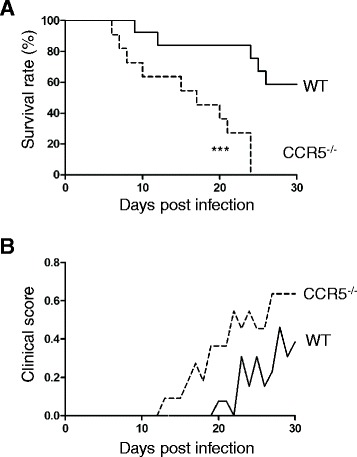
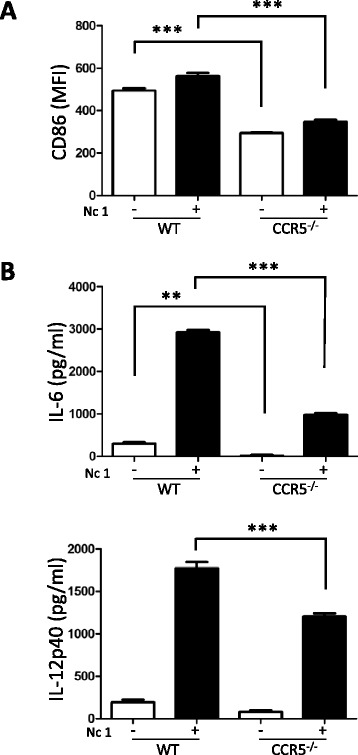
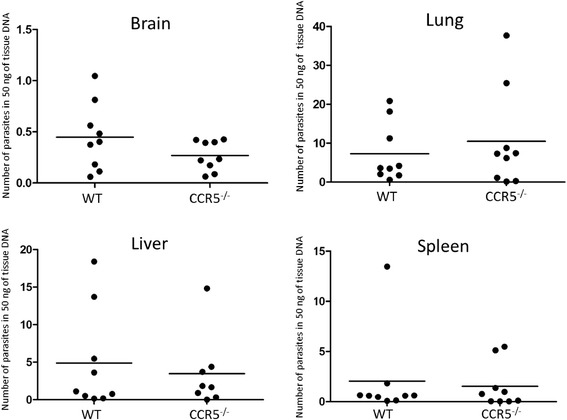
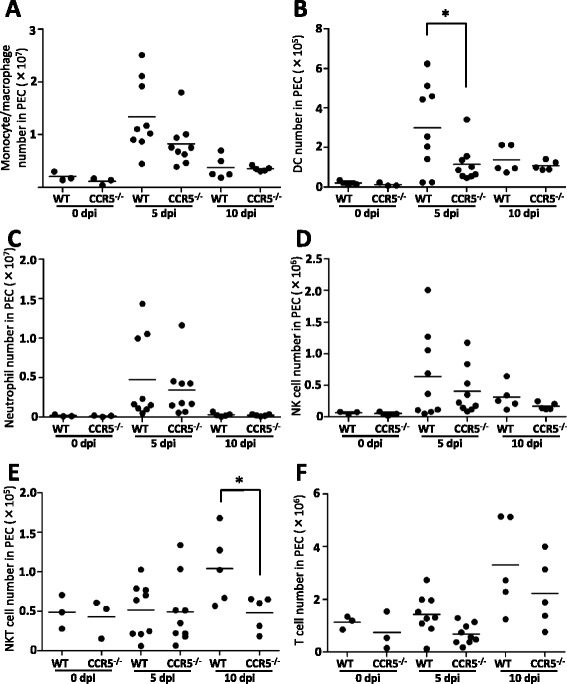
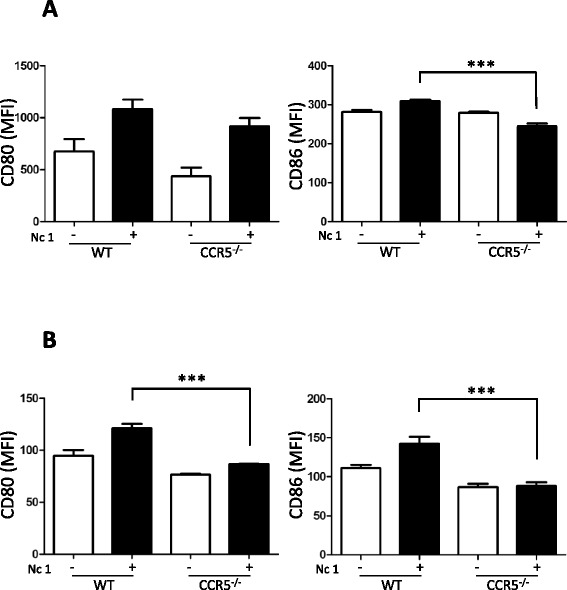
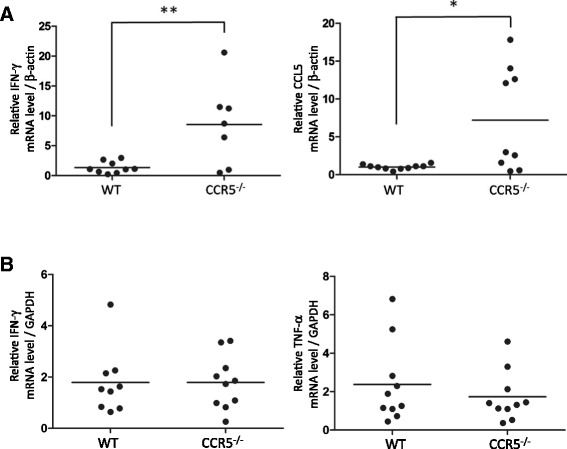
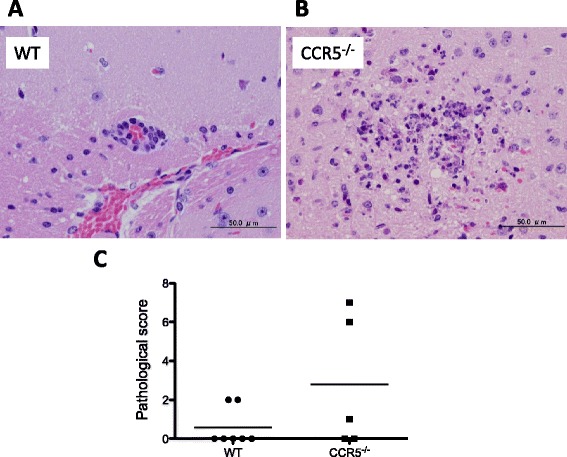
Increased mortality and neurological impairment were observed in the N. caninum-infected CCR5(-/-) mice. In comparison with wild-type mice, CCR5(-/-) mice experienced poor migration of dendritic cells and natural killer T cells to the site of infection. Dendritic cells in an in vitro culture from CCR5(-/-) mice could not be activated upon infection with N. caninum. Furthermore, higher levels of IFN-γ and CCL5 expression, which are associated with brain tissue damage, were observed in the brain tissue of CCR5(-/-) mice during the acute phase of the infection, while there was no significant difference in the parasite load between the wild-type and CCR5(-/-) animals. Additionally, a primary microglia culture from CCR5(-/-) mice showed lower levels of IL-6 and IL-12 production against N. caninum parasites.
Our findings show that migration and activation of immune cells via CCR5 is required for controlling N. caninum parasites during the early phase of the infection.
犬新孢子虫是一种与弓形虫类似的专性细胞内寄生虫,可导致牛流产和犬出现神经症状。为了更好地理解新孢子虫病,研究感染早期宿主细胞迁移和宿主免疫反应非常重要。尽管C-C趋化因子受体5(CCR5)在免疫细胞迁移中起关键作用,但其在抗犬新孢子虫保护性免疫中的作用尚不清楚。
使用CCR5基因敲除小鼠来研究它们对犬新孢子虫感染的敏感程度以及激活针对这种寄生虫的免疫细胞的能力。
在感染犬新孢子虫的CCR5基因敲除小鼠中观察到死亡率增加和神经功能损害。与野生型小鼠相比,CCR5基因敲除小鼠的树突状细胞和自然杀伤T细胞向感染部位的迁移较差。来自CCR5基因敲除小鼠的体外培养树突状细胞在感染犬新孢子虫后无法被激活。此外,在感染急性期,CCR5基因敲除小鼠脑组织中观察到与脑组织损伤相关的较高水平的IFN-γ和CCL5表达,而野生型和CCR5基因敲除动物之间的寄生虫载量没有显著差异。此外,来自CCR5基因敲除小鼠的原代小胶质细胞培养物针对犬新孢子虫产生的IL-6和IL-12水平较低。
我们的研究结果表明,在感染早期,通过CCR5进行免疫细胞的迁移和激活对于控制犬新孢子虫寄生虫是必需的。