Suwastika I Nengah, Denawa Masatsugu, Yomogihara Saki, Im Chak Han, Bang Woo Young, Ohniwa Ryosuke L, Bahk Jeong Dong, Takeyasu Kunio, Shiina Takashi
Graduate School of Biostudies, Kyoto University Kyoto, Japan ; Department of Biology, Faculty of Science, Tadulako University Palu, Indonesia.
Graduate School of Biostudies, Kyoto University Kyoto, Japan ; Graduate School of Medicine, Kyoto University Kyoto, Japan.
Front Plant Sci. 2014 Dec 11;5:678. doi: 10.3389/fpls.2014.00678. eCollection 2014.
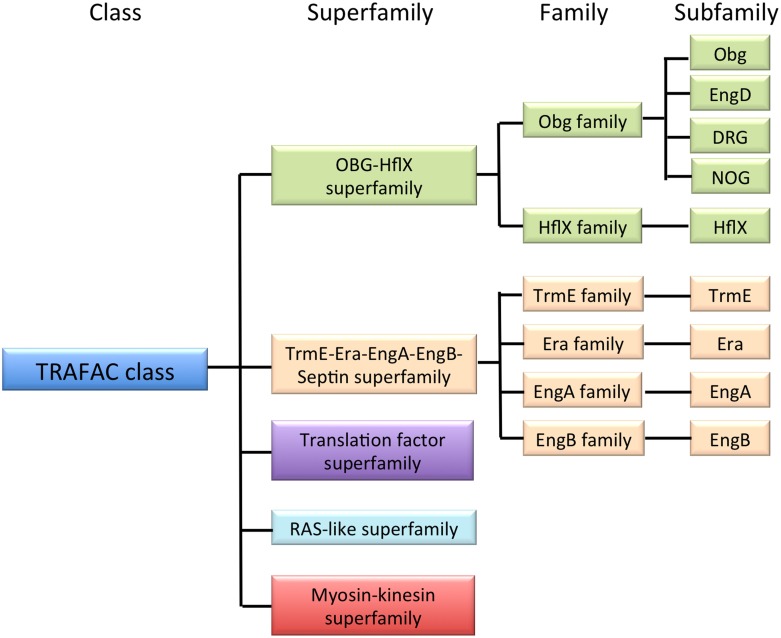
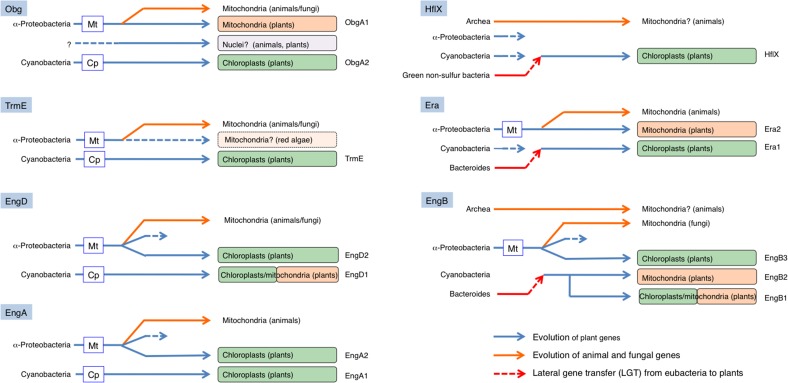
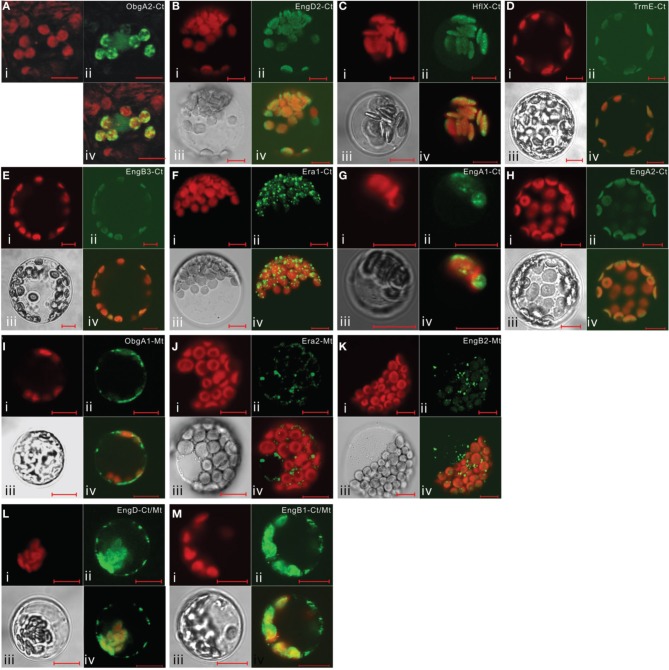
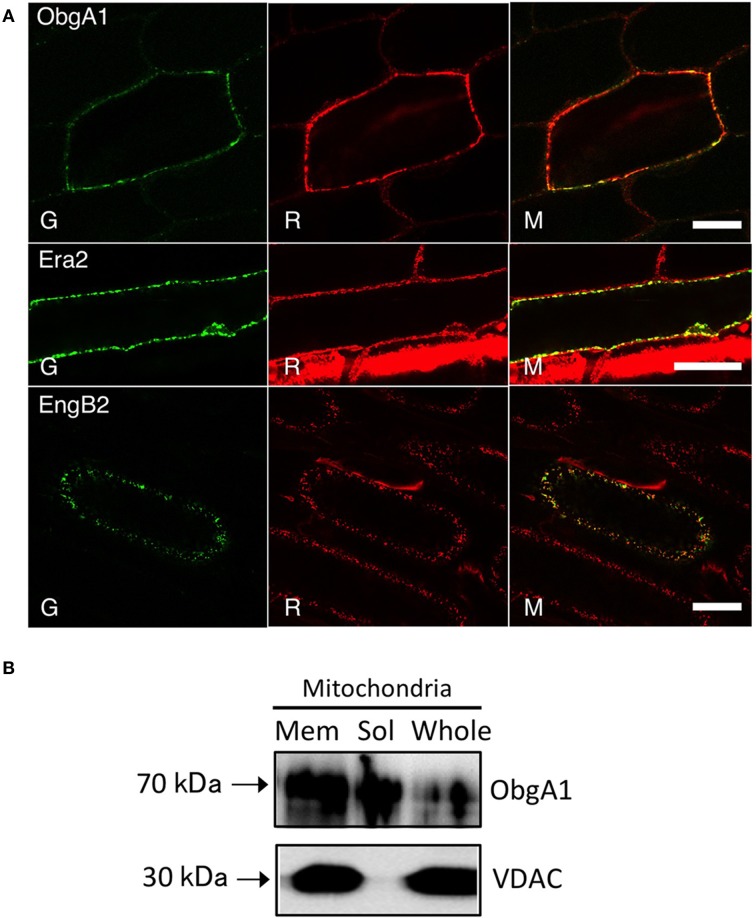
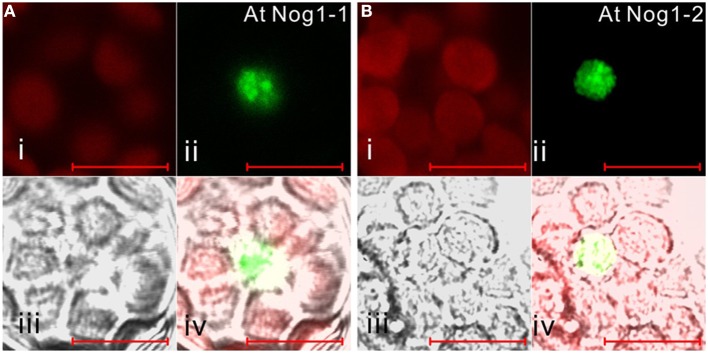
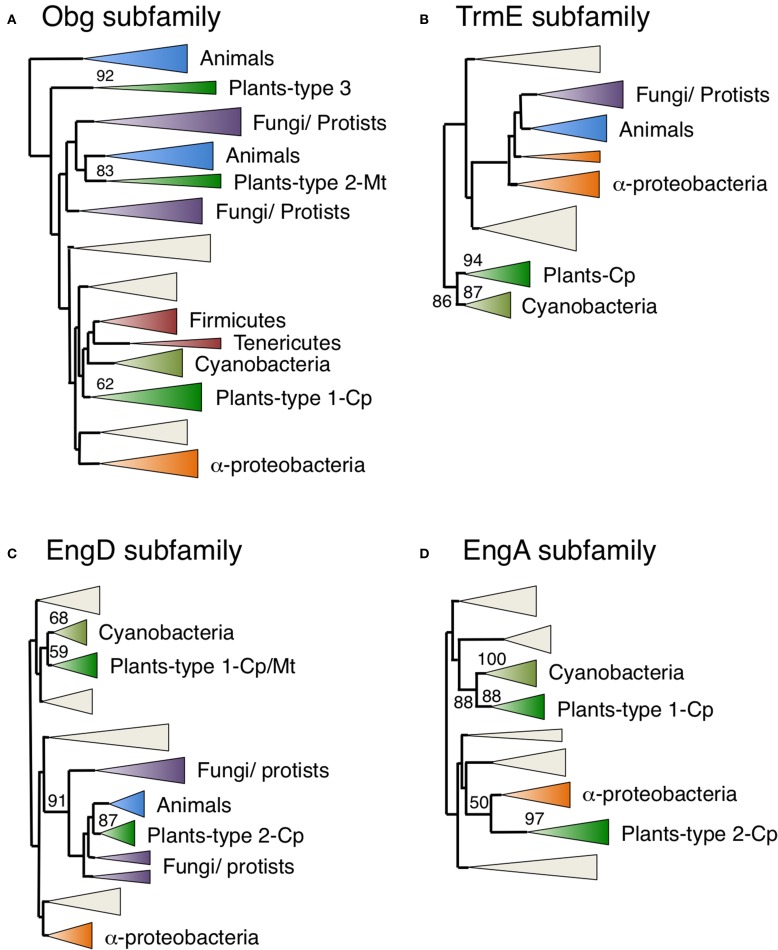
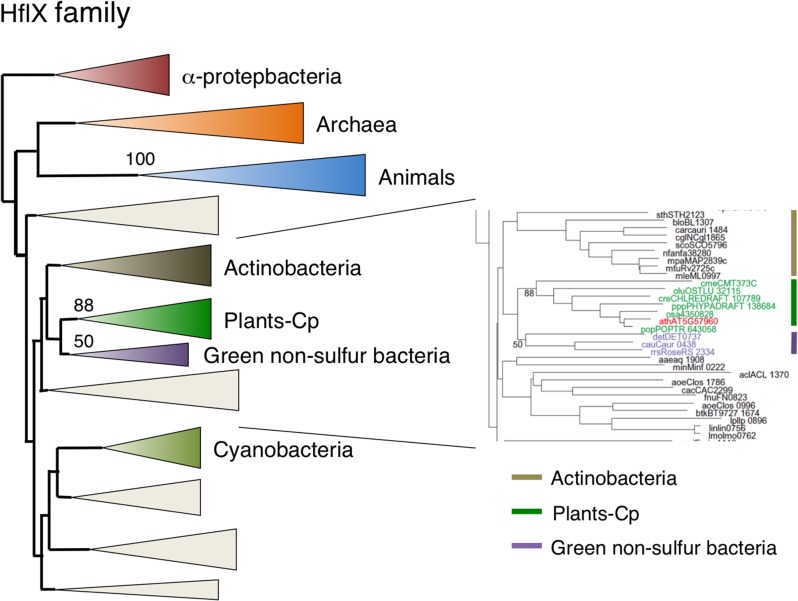
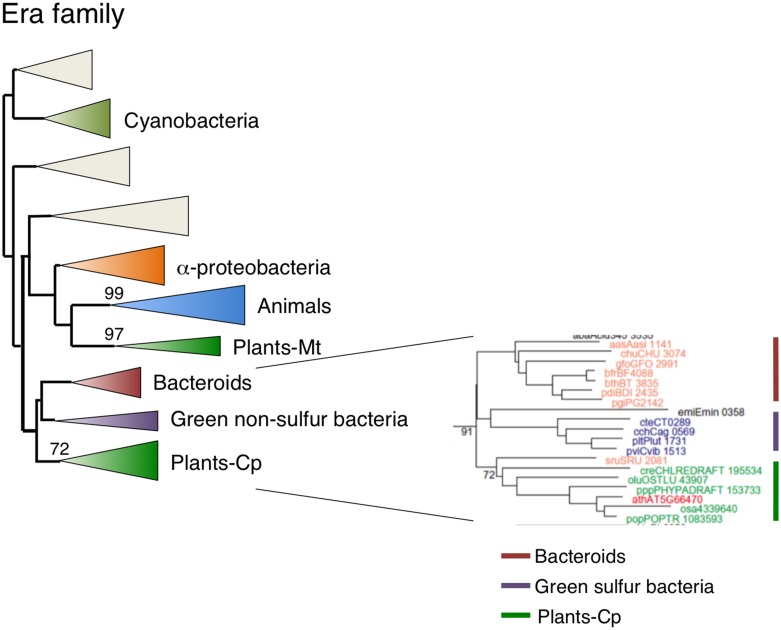
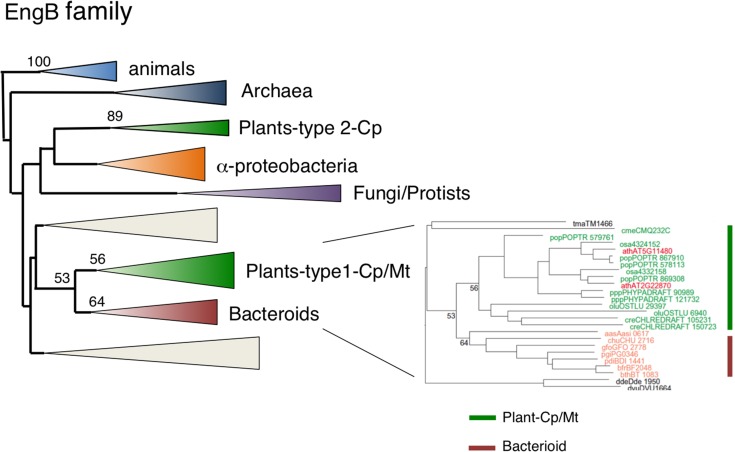
The genomes of free-living bacteria frequently exchange genes via lateral gene transfer (LGT), which has played a major role in bacterial evolution. LGT also played a significant role in the acquisition of genes from non-cyanobacterial bacteria to the lineage of "primary" algae and land plants. Small GTPases are widely distributed among prokaryotes and eukaryotes. In this study, we inferred the evolutionary history of organelle-targeted small GTPases in plants. Arabidopsis thaliana contains at least one ortholog in seven subfamilies of OBG-HflX-like and TrmE-Era-EngA-YihA-Septin-like GTPase superfamilies (together referred to as Era-like GTPases). Subcellular localization analysis of all Era-like GTPases in Arabidopsis revealed that all 30 eubacteria-related GTPases are localized to chloroplasts and/or mitochondria, whereas archaea-related DRG and NOG1 are localized to the cytoplasm and nucleus, respectively, suggesting that chloroplast- and mitochondrion-localized GTPases are derived from the ancestral cyanobacterium and α-proteobacterium, respectively, through endosymbiotic gene transfer (EGT). However, phylogenetic analyses revealed that plant organelle GTPase evolution is rather complex. Among the eubacterium-related GTPases, only four localized to chloroplasts (including one dual targeting GTPase) and two localized to mitochondria were derived from cyanobacteria and α-proteobacteria, respectively. Three other chloroplast-targeted GTPases were related to α-proteobacterial proteins, rather than to cyanobacterial GTPases. Furthermore, we found that four other GTPases showed neither cyanobacterial nor α-proteobacterial affiliation. Instead, these GTPases were closely related to clades from other eubacteria, such as Bacteroides (Era1, EngB-1, and EngB-2) and green non-sulfur bacteria (HflX). This study thus provides novel evidence that LGT significantly contributed to the evolution of organelle-targeted Era-like GTPases in plants.
自由生活的细菌基因组经常通过横向基因转移(LGT)来交换基因,这在细菌进化中发挥了重要作用。LGT在从非蓝细菌细菌向“原始”藻类和陆地植物谱系转移基因的过程中也发挥了重要作用。小GTP酶广泛分布于原核生物和真核生物中。在本研究中,我们推断了植物中靶向细胞器的小GTP酶的进化历史。拟南芥在OBG-HflX样和TrmE-Era-EngA-YihA-Septin样GTP酶超家族(统称为Era样GTP酶)的七个亚家族中至少含有一个直系同源物。对拟南芥中所有Era样GTP酶的亚细胞定位分析表明,所有30种与真细菌相关的GTP酶都定位于叶绿体和/或线粒体,而与古细菌相关的DRG和NOG1分别定位于细胞质和细胞核,这表明叶绿体和线粒体定位的GTP酶分别通过内共生基因转移(EGT)从祖先蓝细菌和α-变形菌衍生而来。然而,系统发育分析表明,植物细胞器GTP酶的进化相当复杂。在与真细菌相关的GTP酶中,只有四个定位于叶绿体(包括一个双靶向GTP酶),两个定位于线粒体,分别来自蓝细菌和α-变形菌。另外三个靶向叶绿体的GTP酶与α-变形菌蛋白相关,而不是与蓝细菌GTP酶相关。此外,我们发现另外四个GTP酶既不与蓝细菌也不与α-变形菌有亲缘关系。相反,这些GTP酶与其他真细菌的进化枝密切相关,如拟杆菌(Era1、EngB-1和EngB-2)和绿色非硫细菌(HflX)。因此,本研究提供了新的证据,表明LGT对植物中靶向细胞器的Era样GTP酶的进化有显著贡献。