Pacheco Laurin Marie, Gomez Lourdes Adriana, Dias Janice, Ziebarth Noel M, Howard Guy A, Schiller Paul C
Research Service and Geriatric Research, Education, and Clinical Center, Bruce W. Carter Veteran Affairs Medical Center, Miami, FL 33125, USA. Department of Biochemistry and Molecular Biology University of Miami Miller School of Medicine; Miami, FL 33136, USA.
Research Service and Geriatric Research, Education, and Clinical Center, Bruce W. Carter Veteran Affairs Medical Center, Miami, FL 33125, USA.
Aging (Albany NY). 2014 Dec;6(12):1049-63. doi: 10.18632/aging.100709.
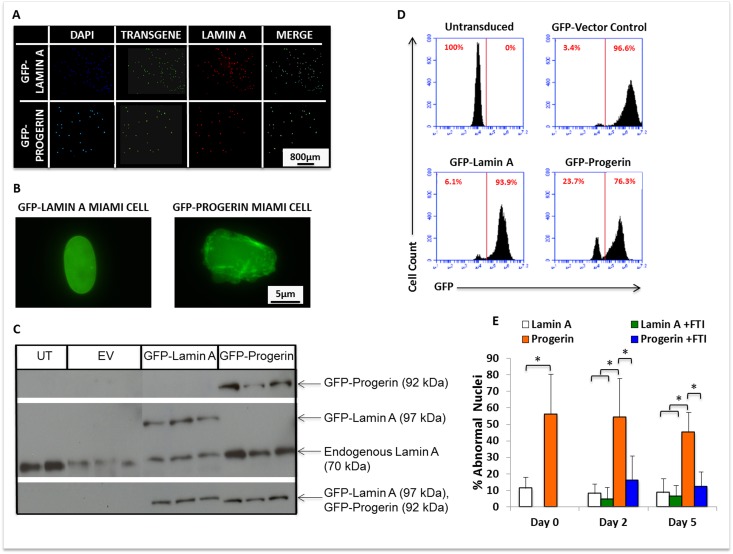
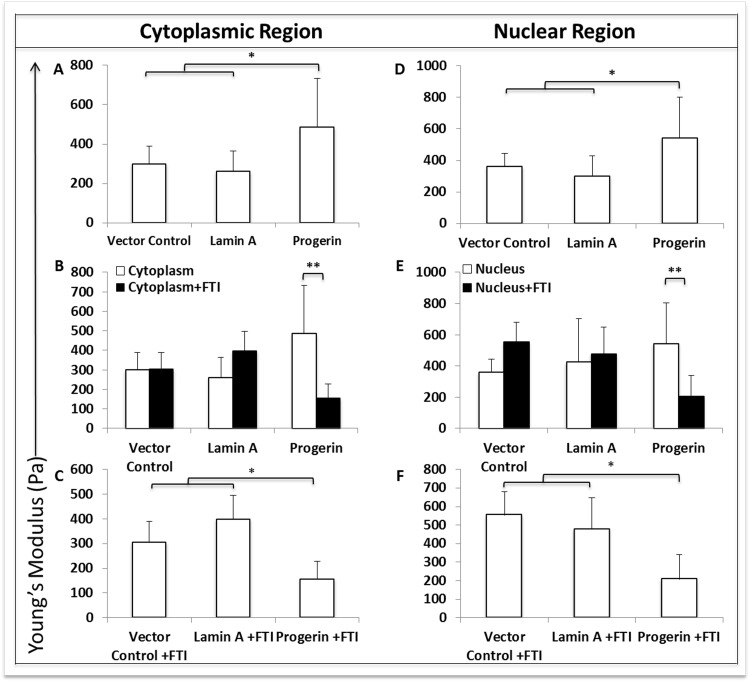
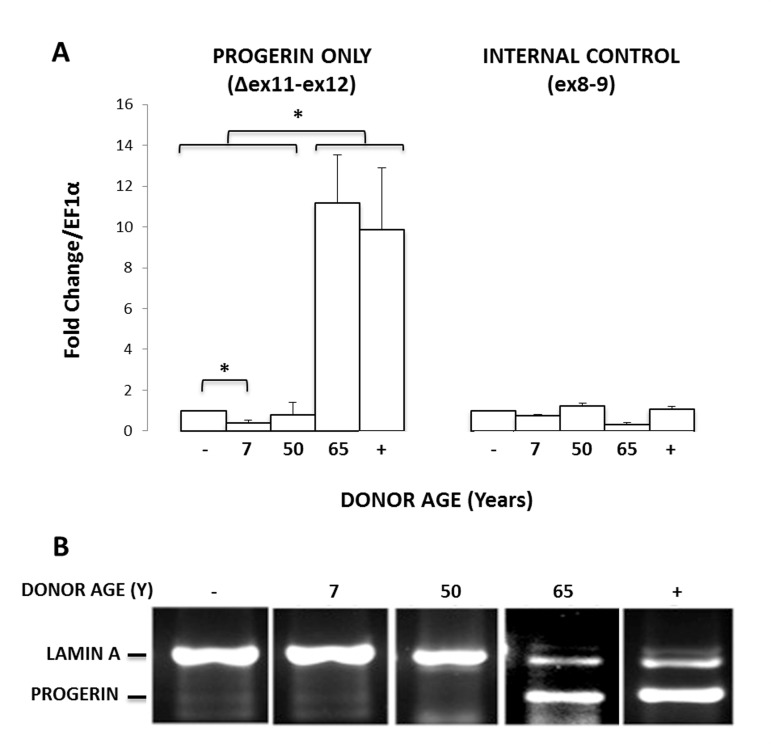
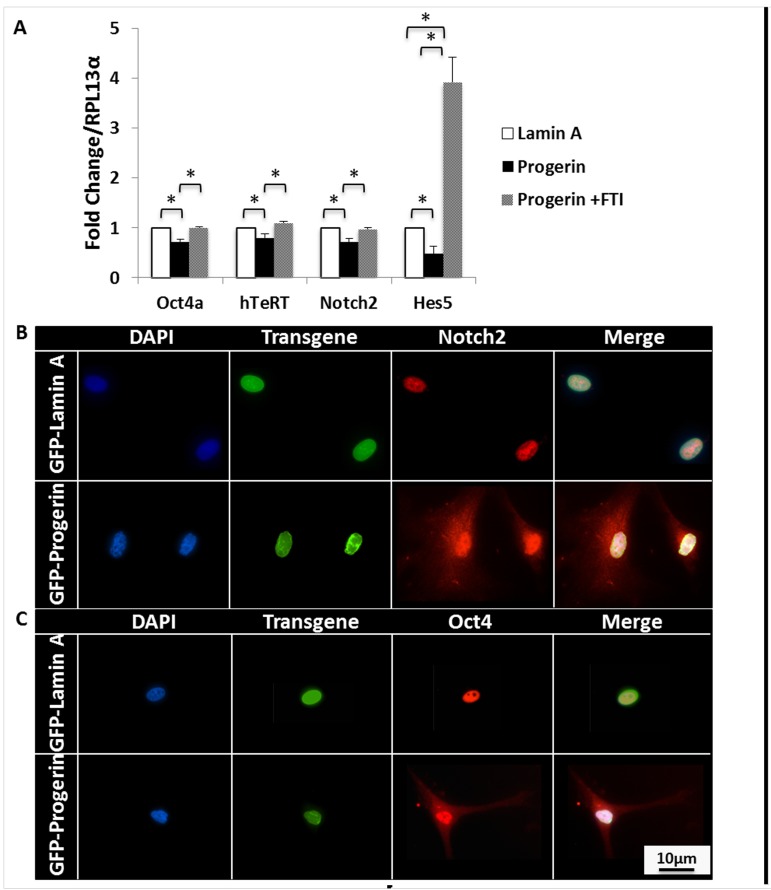
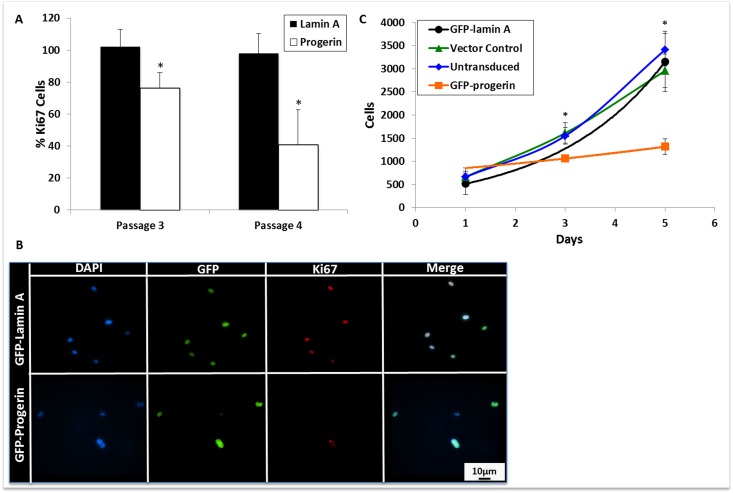
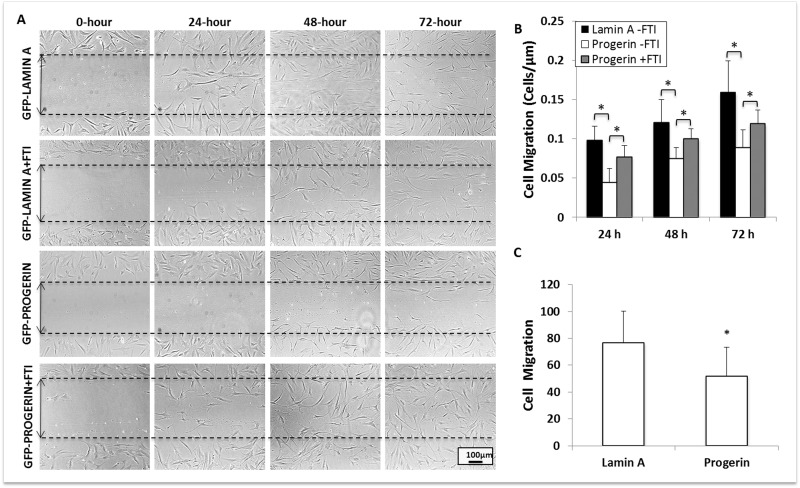
Vascular disease is one of the leading causes of death worldwide. Vascular repair, essential for tissue maintenance, is critically reduced during vascular disease and aging. Efficient vascular repair requires functional adult stem cells unimpaired by aging or mutation. One protein candidate for reducing stem cell?mediated vascular repair is progerin, an alternative splice variant of lamin A. Progerin results from erroneous activation of cryptic splice sites within the LMNA gene, and significantly increases during aging. Mutations triggering progerin overexpression cause the premature aging disorder Hutchinson-Gilford Progeria Syndrome (HGPS), in which patients die at approximately 13-years of age due to atherosclerosis-induced disease. Progerin expression affects tissues rich in cells that can be derived from marrow stromal cells (MSCs. Studies using various MSC subpopulations and models have led to discrepant results. Using a well-defined, immature subpopulation of MSCs, Marrow Isolated Adult Multilineage Inducible (MIAMI) cells, we find progerin significantly disrupts expression and localization of self-renewal markers, proliferation, migration, and membrane elasticity. One potential treatment, farnesyltransferase inhibitor, ameliorates some of these effects. Our results confirm proposed progerin-induced mechanisms and suggest novel ways in which progerin disturbs critical stem cell functions collectively required for proper tissue repair, offering promising treatment targets for future therapies.
血管疾病是全球主要的死亡原因之一。血管修复对于组织维持至关重要,但在血管疾病和衰老过程中会严重受损。有效的血管修复需要功能正常的成体干细胞,这些干细胞不受衰老或突变的影响。一种可能会减少干细胞介导的血管修复的蛋白质是早老素,它是核纤层蛋白A的一种可变剪接变体。早老素是由LMNA基因内隐蔽剪接位点的错误激活产生的,并且在衰老过程中显著增加。引发早老素过表达的突变会导致早衰症(哈钦森-吉尔福德早衰综合征,HGPS),患者通常在13岁左右因动脉粥样硬化相关疾病死亡。早老素的表达会影响富含可源自骨髓基质细胞(MSC)的细胞的组织。使用各种MSC亚群和模型进行的研究得出了不一致的结果。我们使用定义明确的未成熟MSC亚群,即骨髓分离的成人多谱系诱导(MIAMI)细胞,发现早老素会显著破坏自我更新标志物的表达和定位、增殖、迁移及膜弹性。一种潜在的治疗方法,即法尼基转移酶抑制剂,可改善其中一些影响。我们的结果证实了早老素诱导机制的推测,并提出了早老素干扰组织正常修复所需的关键干细胞功能的新方式,为未来治疗提供了有前景的治疗靶点。