Cellular Neurobiology, Department of Medical Biology, Université du Québec à Trois-Rivières, Trois-Rivières, QC, Canada G9A 5H7.
Cellular Neurobiology, Department of Medical Biology, Université du Québec à Trois-Rivières, Trois-Rivières, QC, Canada G9A 5H7 ; Department of Biochemical Sciences, Faculty of Pharmacy, Charles University in Prague, 500 50 Hradec Kralove, Czech Republic.
Oxid Med Cell Longev. 2014;2014:425496. doi: 10.1155/2014/425496. Epub 2014 Dec 9.
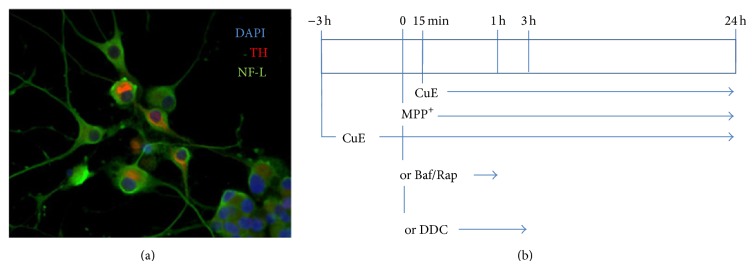
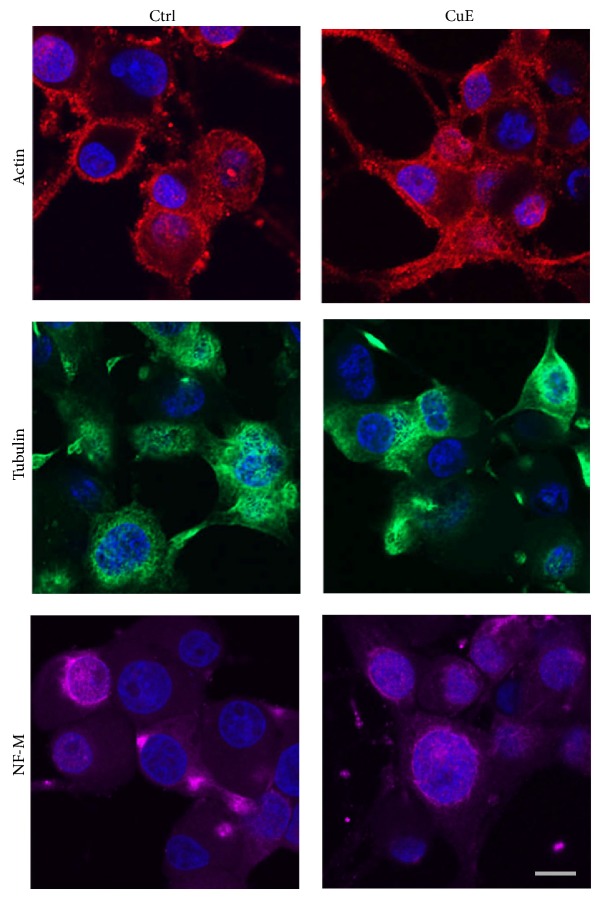
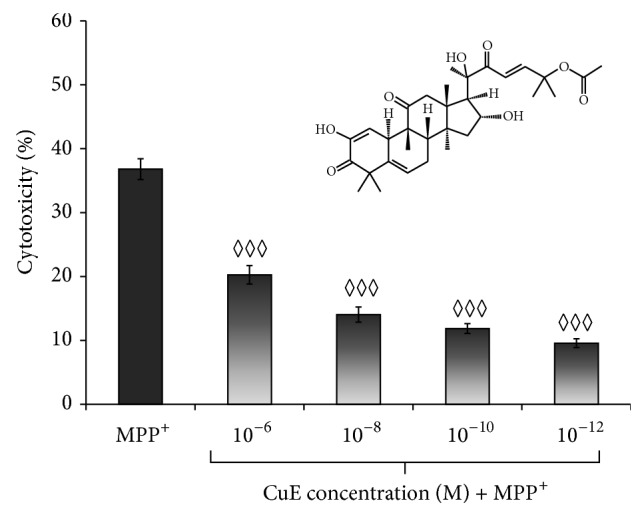
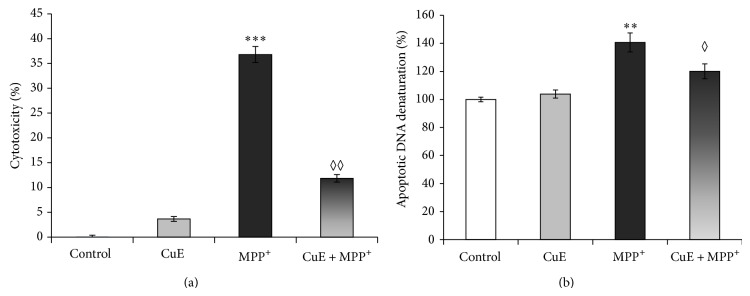
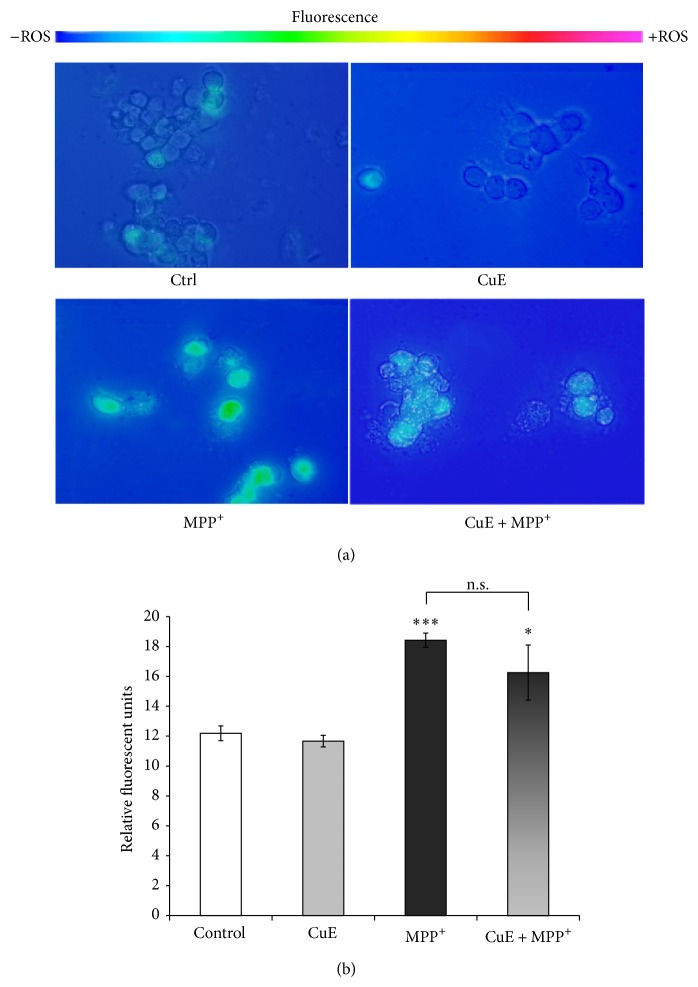
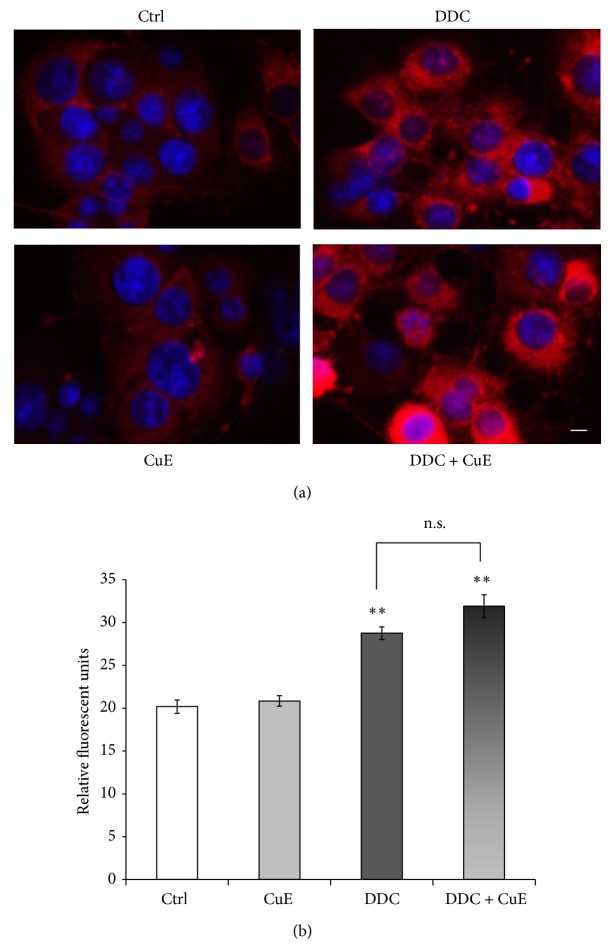
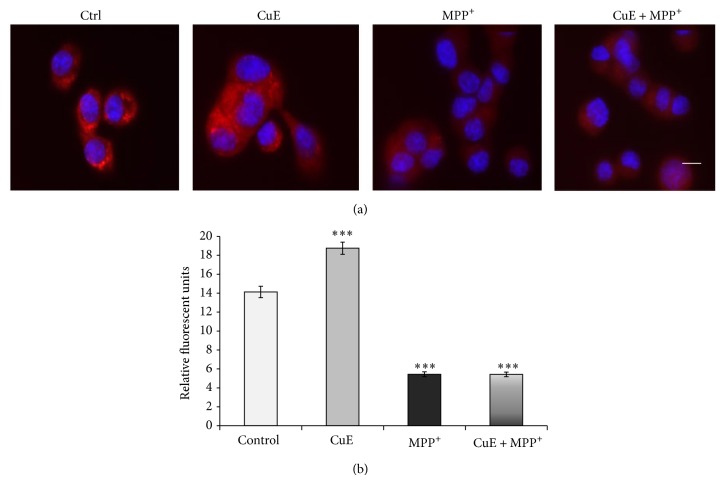
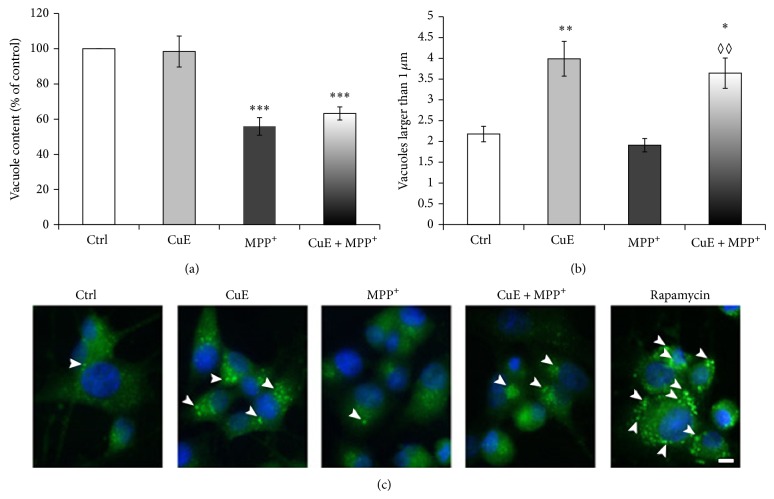
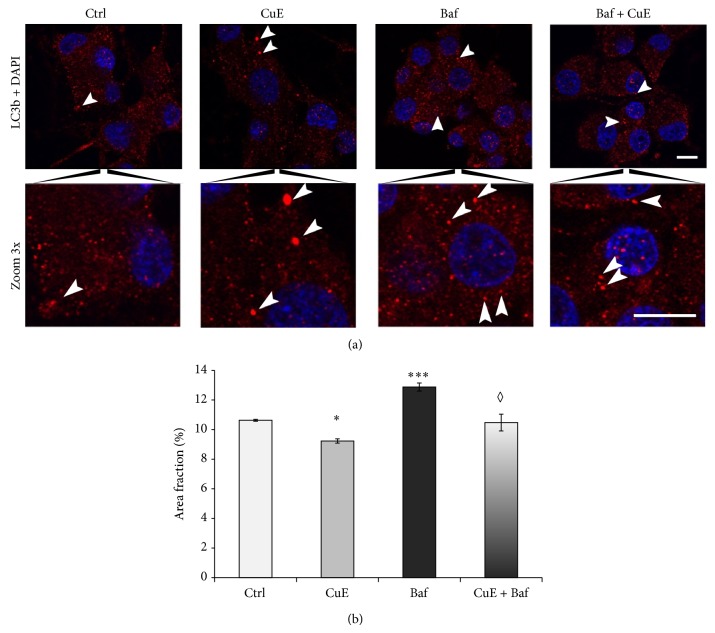
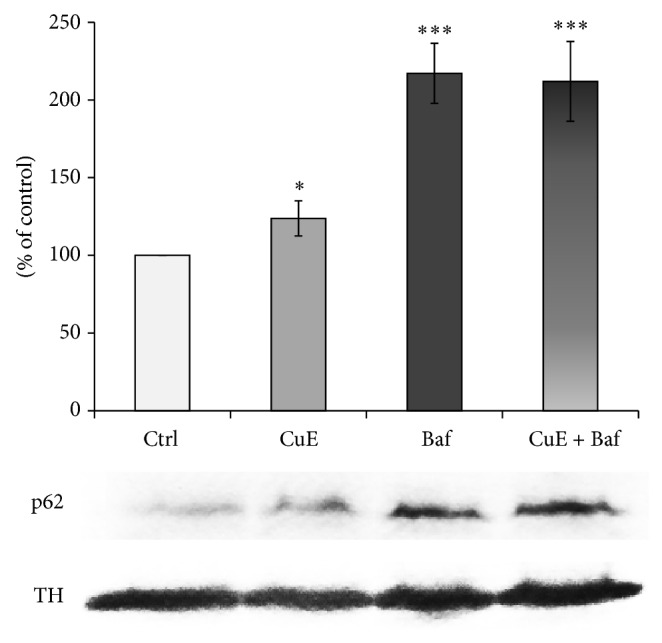
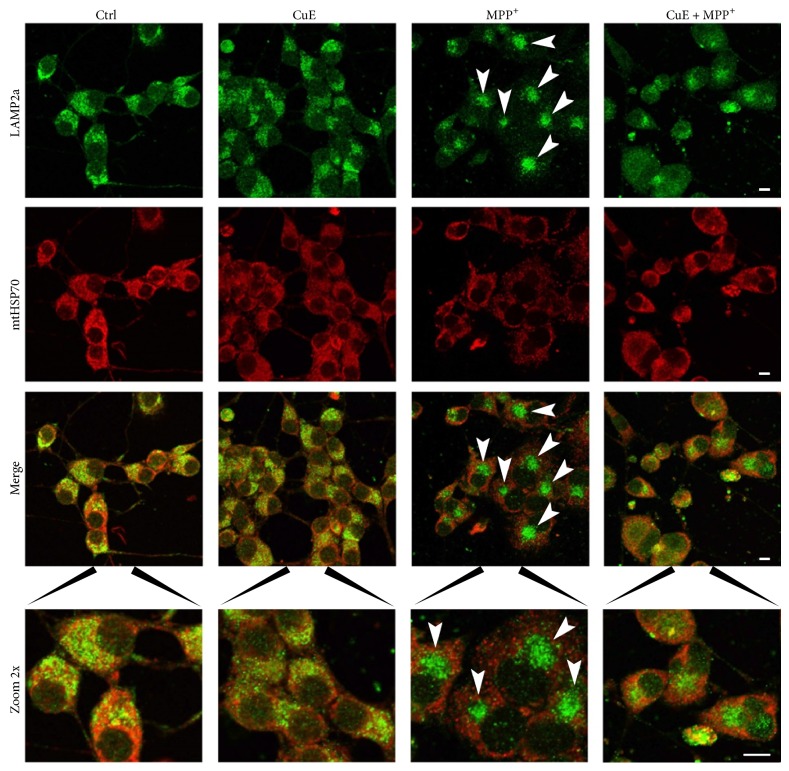
Natural molecules are under intensive study for their potential as preventive and/or adjuvant therapies for neurodegenerative disorders such as Parkinson's disease (PD). We evaluated the neuroprotective potential of cucurbitacin E (CuE), a tetracyclic triterpenoid phytosterol extracted from the Ecballium elaterium (Cucurbitaceae), using a known cellular model of PD, NGF-differentiated PC12. In our postmitotic experimental paradigm, neuronal cells were treated with the parkinsonian toxin 1-methyl-4-phenylpyridinium (MPP(+)) to provoke significant cellular damage and apoptosis or with the potent N,N-diethyldithiocarbamate (DDC) to induce superoxide (O2(•-)) production, and CuE was administered prior to and during the neurotoxic treatment. We measured cellular death and reactive oxygen species to evaluate the antioxidant and antiapoptotic properties of CuE. In addition, we analyzed cellular macroautophagy, a bulk degradation process involving the lysosomal pathway. CuE showed neuroprotective effects on MPP(+)-induced cell death. However, CuE failed to rescue neuronal cells from oxidative stress induced by MPP(+) or DDC. Microscopy and western blot data show an intriguing involvement of CuE in maintaining lysosomal distribution and decreasing autophagy flux. Altogether, these data indicate that CuE decreases neuronal death and autophagic flux in a postmitotic cellular model of PD.
天然分子因其作为预防和/或辅助治疗神经退行性疾病(如帕金森病(PD))的潜力而受到广泛研究。我们评估了葫芦素 E(CuE)的神经保护潜力,CuE 是从苦瓜(葫芦科)中提取的四环三萜植物固醇,使用了已知的 PD 细胞模型,即 NGF 分化的 PC12。在我们的有丝分裂后实验范例中,神经元细胞用帕金森病毒素 1-甲基-4-苯基吡啶(MPP(+))处理,以引起明显的细胞损伤和细胞凋亡,或用强效的 N,N-二乙基二硫代氨基甲酸盐(DDC)诱导超氧阴离子(O2(•-))产生,CuE 在神经毒性处理之前和期间给药。我们测量细胞死亡和活性氧来评估 CuE 的抗氧化和抗细胞凋亡特性。此外,我们分析了细胞巨自噬,这是一种涉及溶酶体途径的批量降解过程。CuE 对 MPP(+)诱导的细胞死亡具有神经保护作用。然而,CuE 未能挽救 MPP(+)或 DDC 诱导的氧化应激对神经元细胞的损伤。显微镜和 western blot 数据显示 CuE 参与维持溶酶体分布和减少自噬通量。总的来说,这些数据表明 CuE 可减少 PD 有丝分裂后细胞模型中的神经元死亡和自噬通量。